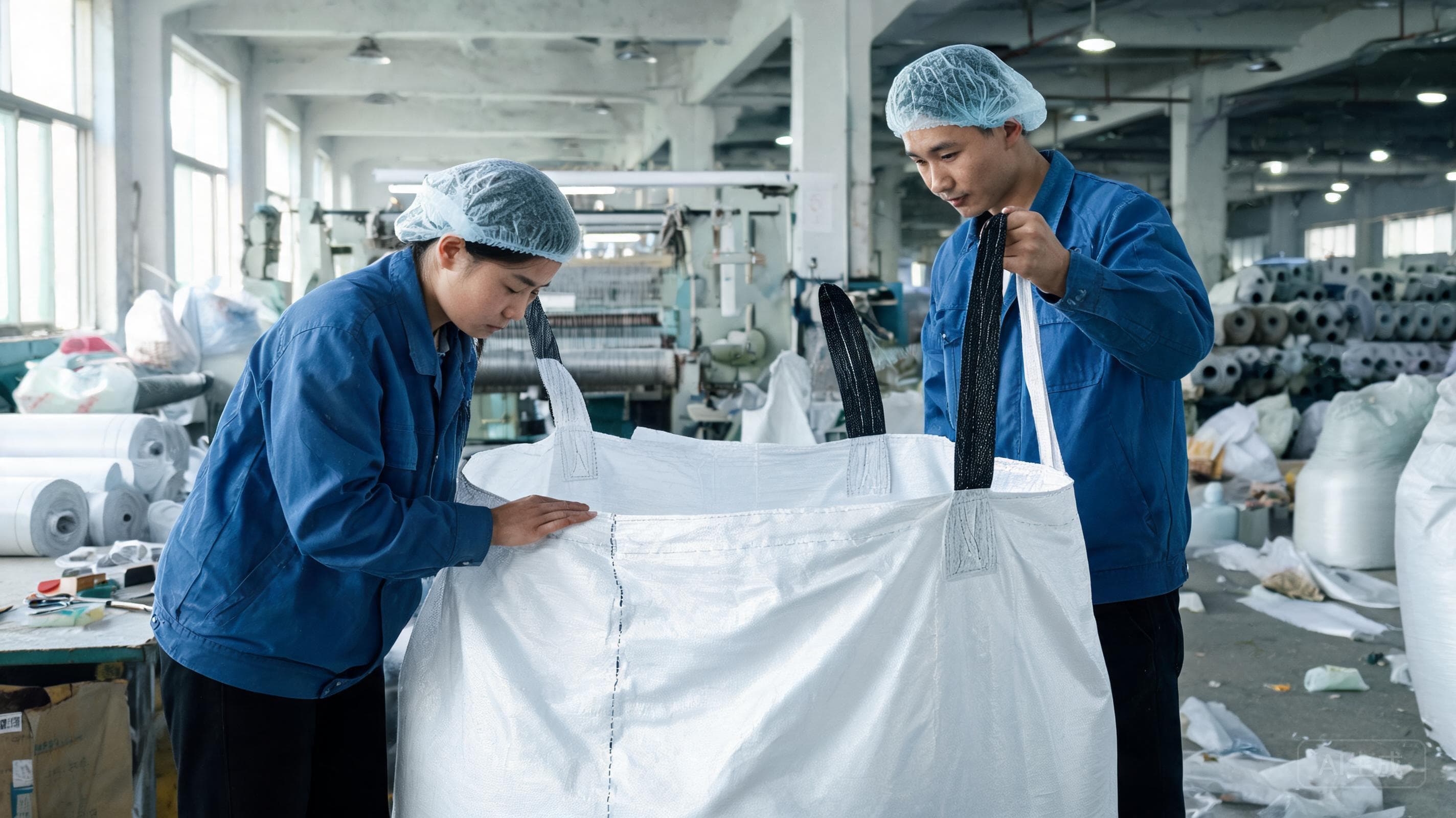
How to Choose the Right FIBC Bulk Bag for Safer, More Reliable Operations
RUNCHEN
AuthorWith more than 25 years of experience in FIBC bulk bag manufacturing and sales, RUNCHEN operates its own production facility with stable batch capacity. We specialize in FIBC bulk bags, jumbo bags, ton bags, and customized industrial packaging solutions.
When a Bulk Bag Fails, the Cost Reaches Beyond the Packaging Line
A failed bulk bag can mean lost product, damaged goods, unplanned downtime, handling risks, and customer complaints. The consequences can extend beyond packaging, affecting delivery schedules, production targets, and confidence in your operation.
Packaging choices are part of a wider workplace safety plan. Bulk bag selection and handling procedures should reflect the risks in your process and the steps needed to prepare for emergencies. A bag suitable for agricultural products may not meet the cleanliness, containment, or handling needs of a chemical, pharmaceutical, food, or industrial application.
Choosing an FIBC bulk bag is about more than comparing unit prices. It means matching construction and design to the material, process, and handling environment. This guide provides a practical way to make that decision.
Start with the Application, Not the Bag Specification
Begin by documenting what the bag will contain. Note the material’s particle size, density, flow behavior, moisture sensitivity, and abrasiveness. Include cleanliness or contamination-control requirements. These details can affect fabric selection, liner requirements, discharge design, and performance throughout the process.
Next, map the bag’s complete journey: filling, storage, lifting, transport, discharge, and disposal or reuse. Identify exposure to weather, heat, dust, friction, sharp edges, and other conditions that could affect the bag or its contents. Consider who will handle it, what equipment they will use, and which site procedures apply.
Before requesting a quotation, prepare a short application brief. Include the material, target load, bag dimensions if known, filling and lifting methods, storage conditions, and recurring packaging problems. A clear brief helps a supplier recommend a suitable construction instead of quoting a generic design.
Match Bag Construction to the Risks You Need to Control
Fabric strength, seams, lifting loops, liners, closures, and dimensions all influence how an FIBC performs. A bag may face abrasion, puncture, or tearing during filling, stacking, movement, and discharge. Assess where those stresses occur and how they affect the bag before deciding which features are needed.
For applications with elevated tear or abrasion concerns, the COSEK Tear-Resistant FIBC Bulk Bag is one option to evaluate. Determine whether its construction addresses risks in your process. Reinforcement should serve a defined purpose, such as supporting a known load path or handling stress, rather than adding material without a performance rationale.
Review construction details alongside the safe working load (SWL), safety factor, available test documentation, and intended handling method. Confirm that the proposed specification suits the actual load and conditions of use.
Choose a Design That Fits the Filling and Lifting Process
Filling equipment, spout design, filling speed, and access constraints can all affect bag selection. The lifting arrangement must also work with the equipment and procedures at your site. A mismatch can slow routine operations or create avoidable handling challenges.
The Top-Lift Bulk Bag may be worth assessing when lifting configuration and compatibility with site equipment are key considerations. An Internal Reinforcement Ton Bag may also suit applications that call for added internal support or a particular load-management approach.
Before approving a design, confirm the lifting-point configuration, equipment compatibility, bag dimensions, and operating procedures. No bag design replaces appropriate operator training, inspection, or safe handling practices.
Consider Ventilation, Moisture, and Product Condition
For some products, trapped heat or moisture can affect condition during storage or transport. Ventilation needs depend on the material, packaging process, climate, and storage conditions; airflow is not automatically beneficial for every application.
The COSEK Ventilated Bulk Bag may suit products that require airflow. Before selecting a ventilated design, consider whether openings could expose contents to rain, dust, pests, or contamination. Validate the design against product specifications, expected storage duration, local conditions, and downstream processing requirements.
For food and other regulated applications, confirm applicable hygiene, traceability, and material requirements with the supplier and your quality team.
Treat Compliance and Workplace Safety as Part of Supplier Evaluation
Ask suppliers for relevant test reports, material information, quality controls, and documentation for the proposed bag and its intended application. Claims about suitability, certification, or regulatory compliance should be supported by current, application-specific documentation. Verify what each document covers rather than assuming it applies to every use.
Standards and guidance vary in scope. A textile or workplace standard does not automatically certify an FIBC for a separate application. Check the exact scope of every standard and confirm its relevance with the supplier where necessary.
Review your site procedures for inspection, filling, lifting, stacking, and emergency response, especially where heat or other workplace hazards are present. A suitable bag specification and sound operating procedures need to work together.
Compare Total Cost of Use, Not Unit Price Alone
A meaningful cost comparison includes more than the purchase price. Account for filling and handling efficiency, product loss, damaged goods, disposal, replacement frequency, and disruption caused by bag failures. A better-matched construction may help reduce avoidable problems, but validate performance claims under your own operating conditions.
Where possible, run a pilot and agree on measures in advance. Useful indicators may include damage rate, handling time, product loss, and bag failures per shipment or production cycle. Compare results with your current packaging under consistent conditions.
When reviewing case studies, confirm that the evidence directly supports the claim. Industry references should not be treated as proof of FIBC return on investment unless the documented case specifically demonstrates that connection.
A cost-of-use assessment based on your current bag, material, handling process, and annual consumption can help clarify whether a specification change is worthwhile.
Use a Structured Supplier Checklist Before Placing an Order
Ask the supplier to explain why the proposed fabric, seams, reinforcement, lifting configuration, and dimensions suit your application. A clear technical rationale makes it easier to compare options and assess whether the specification addresses your operating needs.
Confirm production consistency, inspection procedures, lead times, customization options, and order minimums. Ask how the supplier handles technical questions, specification changes, nonconformance, and repeat orders. If appropriate, request samples, drawings, or a pilot run—and define acceptance criteria before production begins.
Compare suppliers on application support and reliability as well as price. A supplier who can clarify requirements and respond effectively when specifications change can be a valuable partner over the life of the product.
Turn the Specification into a Low-Risk Trial
Select one application with a clear operational need and record a baseline before changing bags. Agree with the supplier on the trial quantity, test conditions, inspection points, success measures, and decision timeline. Include operators and safety personnel so feedback reflects actual filling, lifting, movement, and discharge conditions.
Document the results and resolve specification issues before expanding the trial to additional products or sites. A controlled evaluation can show whether the proposed design fits your operation without relying on assumptions or unverified performance claims.
Request an FIBC Recommendation for Your Application
The right bulk bag depends on the product, process, handling equipment, operating environment, and verified requirements. A technical review can help you assess the Internal Reinforcement Ton Bag, COSEK Tear-Resistant FIBC Bulk Bag, Top-Lift Bulk Bag, and COSEK Ventilated Bulk Bag against your use case.
To get a practical specification review, share your material type, target load, filling and lifting method, storage conditions, and current packaging issue. Contact our team to request an FIBC recommendation tailored to your application and discuss the right bag design for your operation.
Related News
Other news you might be interested in

How to Choose a Bulk Bag Manufacturer That Reduces Packaging Risk and Total Cost
Compare bulk bag manufacturers by application fit, verified compliance, quality controls, and total cost—not unit price alone. Use this checklist to qualify a supplier before scaling.
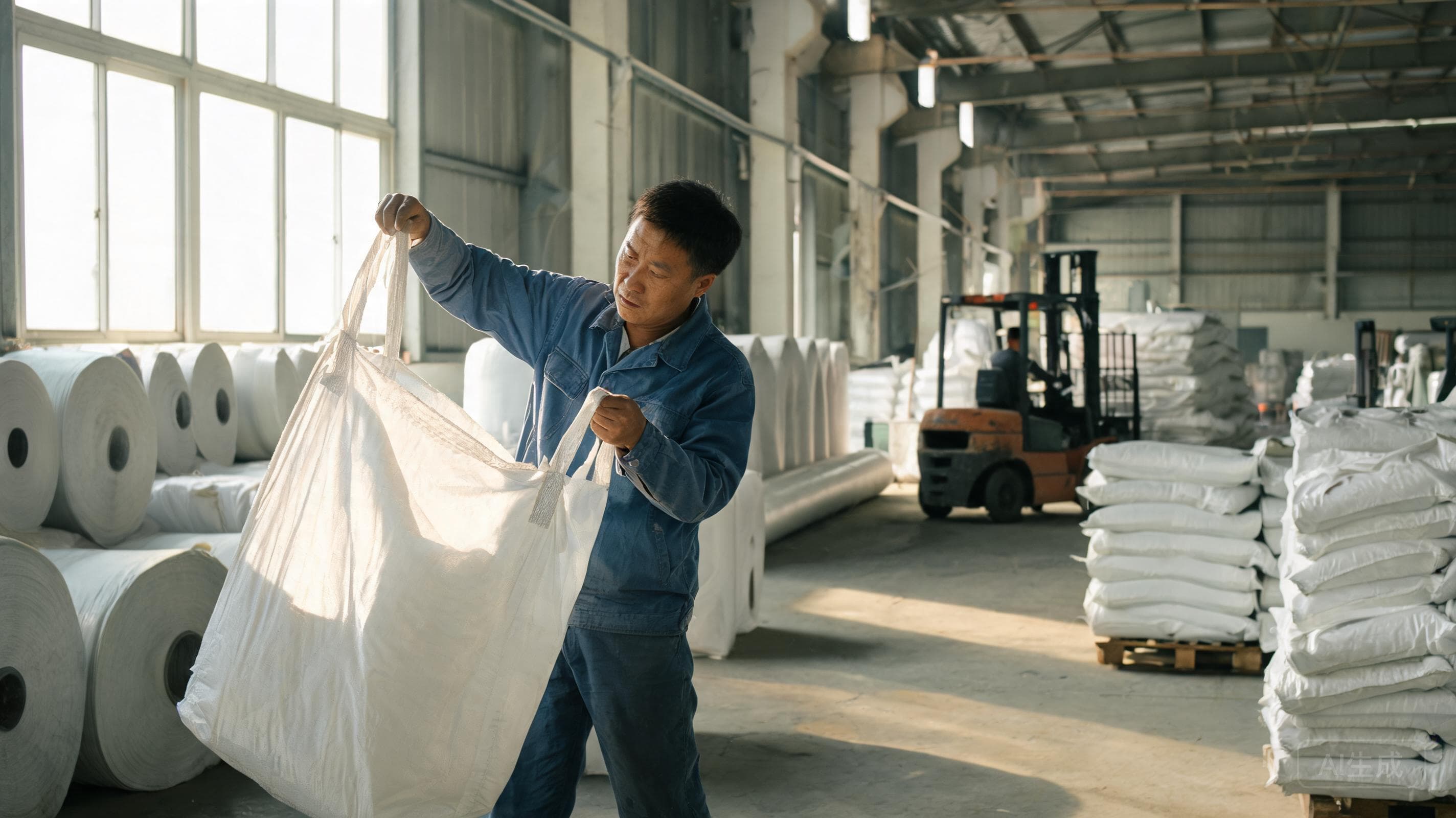
How Advanced FIBC Technology Reduces Supply Chain Risk and Improves Profitability in Bulk Packaging
Discover how advanced FIBC technology—ventilated, tear-resistant, and top-lift designs—reduces supply chain risk, cuts total cost of ownership, and boosts profitability. Learn to choose the right bulk bag and future-proof your operations.
Want to know more?
Get in touch with us for more information about our services and products.