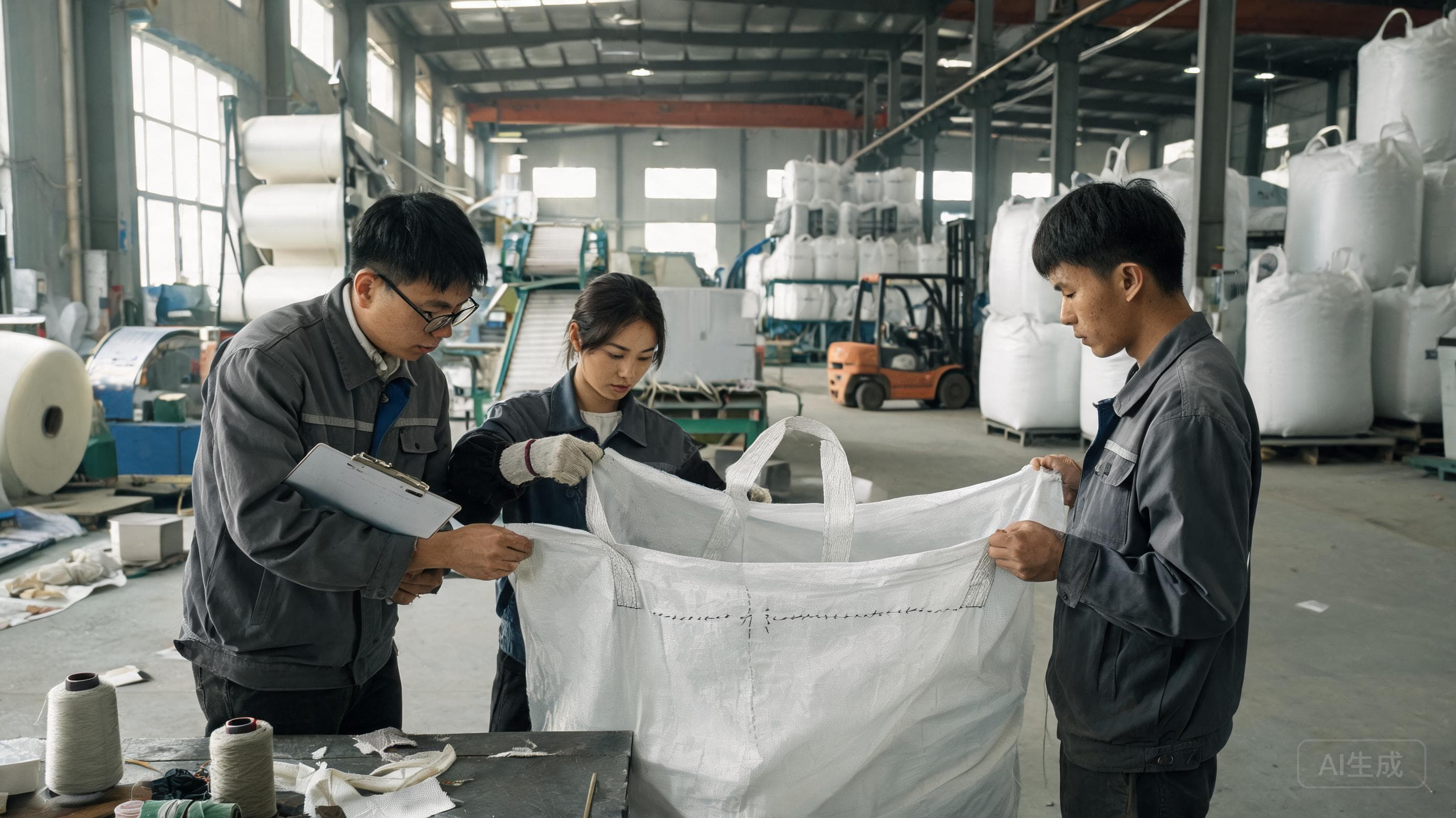
How to Choose a FIBC Supplier That Improves Packaging Performance and Production Efficiency
RUNCHEN
AuthorWith more than 25 years of experience in FIBC bulk bag manufacturing and sales, RUNCHEN operates its own production facility with stable batch capacity. We specialize in FIBC bulk bags, jumbo bags, ton bags, and customized industrial packaging solutions.
When Packaging Becomes a Production Bottleneck
Inconsistent bag performance, difficult product changeovers, handling risks, and cost pressures can turn packaging into an operational challenge. Procurement needs dependable supply and clear pricing. Operations needs packaging that works with its equipment and processes. Packaging leaders need a specification that protects the product without adding unnecessary complexity.
At WEPACK 2025, packaging experts discussed issues across the industry, reflecting how packaging decisions connect with production, logistics, and business priorities. For bulk bag buyers, the practical question is how to match a bag to the product, filling process, storage conditions, and handling requirements.
A well-matched FIBC specification can help reduce avoidable downtime and packaging-related risks. Start by evaluating the application and supplier together—not by choosing from a catalogue on price alone. A focused specification review can help identify a suitable configuration before you request a quote.
Start with the Application, Not the Bag Catalogue
Before comparing designs, establish what the bag needs to do. What product will it contain? How will it be filled and discharged? How will it be lifted, stored, and transported? Clear answers help a supplier recommend a configuration based on operating conditions rather than assumptions.
Share the product’s weight, flow behavior, moisture sensitivity, ventilation needs, and potential exposure to abrasion or sharp edges. These characteristics can affect fabric, construction, and feature selection. Storage duration and transport conditions also matter, particularly if bags may encounter demanding environments or repeated handling.
Describe your equipment and workflow, including filling configuration, line speed, lifting equipment, dimensional constraints, and the time and effort involved in product changeovers. Providing these details to a manufacturing partner before requesting a quote helps ensure the specification reflects real operating conditions.
Match Bag Construction to the Performance Requirement
Construction choices should reflect the load, handling method, product characteristics, and operating environment. A heavier or more complex design is not automatically a better fit. The right choice addresses the application’s requirements without adding unnecessary cost or handling steps.
An Internal reinforcement ton bag may be worth assessing when the application calls for added structural support. Confirm the configuration against the intended load and handling requirements rather than relying on the product name alone.
For applications where abrasion, rough handling, or contact with demanding materials makes tear resistance a priority, consider the COSEK Tear-Resistant FIBC Bulk Bag. If your lifting and movement process calls for a top-lift design, a Top-Lift Bulk Bag may be a candidate, subject to confirmation against your equipment and handling procedures.
Products that benefit from airflow may warrant a review of the COSEK Ventilated Bulk Bag. Assess ventilation needs in light of the product’s storage and transport conditions. Before selecting a product, ask the supplier to review the intended use alongside construction, lifting, and material requirements.
Evaluate Supplier Fit Beyond the Unit Price
A competitive unit price matters, but it does not show whether a supplier understands your application or can support your operation. Compare suppliers on their ability to recommend suitable configurations, explain production and delivery requirements, and identify the information needed to confirm a specification.
Ask about quality controls, material and construction consistency, and inspection practices. Find out how the supplier handles deviations, customer concerns, and changes to requirements. A clear issue-resolution process can matter as much as the initial product recommendation.
Consider whether the supplier can support repeat orders and evolving needs without creating unnecessary complexity for procurement or production teams. Before comparing quotes, clarify what each price includes, which assumptions affect price and lead time, and what details remain unconfirmed.
Design for Changeovers, Handling, and Day-to-Day Efficiency
Packaging affects more than product containment. Bag dimensions and features can influence filling, lifting, discharge, product changeovers, storage, and dispatch. Reviewing the wider workflow can reveal where a packaging specification may be creating friction.
Packmate’s guidance on faster product changeovers on multi-lane machines is a useful reminder that changeover efficiency is an operational concern. It does not establish a specific FIBC performance result, but it reinforces the value of examining how packaging fits into the production process.
Review bag dimensions, filling and discharge features, and handling procedures with the teams responsible for equipment and operations. Identify where packaging-related delays, handling adjustments, or product-change requirements occur. Then assess whether a revised specification could address those issues without compromising product or handling needs.
Include Compliance and Environmental Considerations in the Brief
Applicable requirements depend on the product, destination market, customer standards, and relevant regulations. Confirm which obligations apply to your use case and tell potential suppliers what documentation or customer requirements must be addressed.
GOTS implementation material offers a broader example of how standards and operational measures can shape business practices. It should not be interpreted as a FIBC certification or as a standard that applies to every bulk bag. Ask suppliers to clarify the scope of any material, quality, or compliance claims and provide available supporting documentation.
When assessing environmental objectives, consider packaging use, waste handling, and operational practices together. Request clear, verifiable information rather than relying on general sustainability claims.
Use Evidence Carefully When Building the Business Case
Build an internal case around measurable factors relevant to your operation, such as packaging failures, changeover time, handling effort, product loss, and delivery reliability. Establish a baseline where possible so you can compare current performance with the results of a specification review or pilot.
Packmate’s changeover guidance can provide context for manufacturing efficiency, but it is not a quantified return-on-investment claim for bulk bags. Similarly, the reported hazardous-waste reduction practice at Xiaomi’s Beijing factory illustrates broader interest in systematic waste reduction; it does not demonstrate FIBC savings.
Avoid assigning savings percentages or promising performance improvements without application-specific trial data or validated customer results. Consider a defined pilot or review period before making a larger specification change, and assess results against the measures that matter to your team.
A Practical Checklist for Requesting a Bulk Bag Quote
A complete brief helps suppliers recommend a suitable configuration and identify details that need confirmation. Include:
- Product type, target capacity, and relevant material characteristics.
- Filling and discharge requirements, handling method, and storage or transport conditions.
- Equipment and workflow details, including changeover needs and dimensional or operational constraints.
- Performance priorities such as reinforcement, tear resistance, top lifting, or ventilation, marked as essential or preferred.
- Destination-market requirements, customer standards, and documentation needs.
- Expected order volumes and replenishment patterns.
Ask the supplier to explain the recommended configuration, quote assumptions, quality checks, available documentation, and production timeline. This makes it easier to compare proposals on both application fit and commercial terms.
Turn a Specification Review into a Lower-Risk Purchasing Decision
A sound selection process starts by defining the application, matching construction to requirements, verifying supplier capability, and considering the effect on the wider workflow. This gives procurement, packaging, and operations teams a shared basis for making a decision.
Request a tailored review of the Internal reinforcement ton bag, COSEK Tear-Resistant FIBC Bulk Bag, Top-Lift Bulk Bag, or COSEK Ventilated Bulk Bag against your operating needs. Send your product, capacity, filling, handling, and storage details to receive a product recommendation and quote. Final selection and performance depend on the confirmed specification and intended conditions of use.
Contact our team with your application details to request a tailored FIBC recommendation and quote.
Related News
Other news you might be interested in
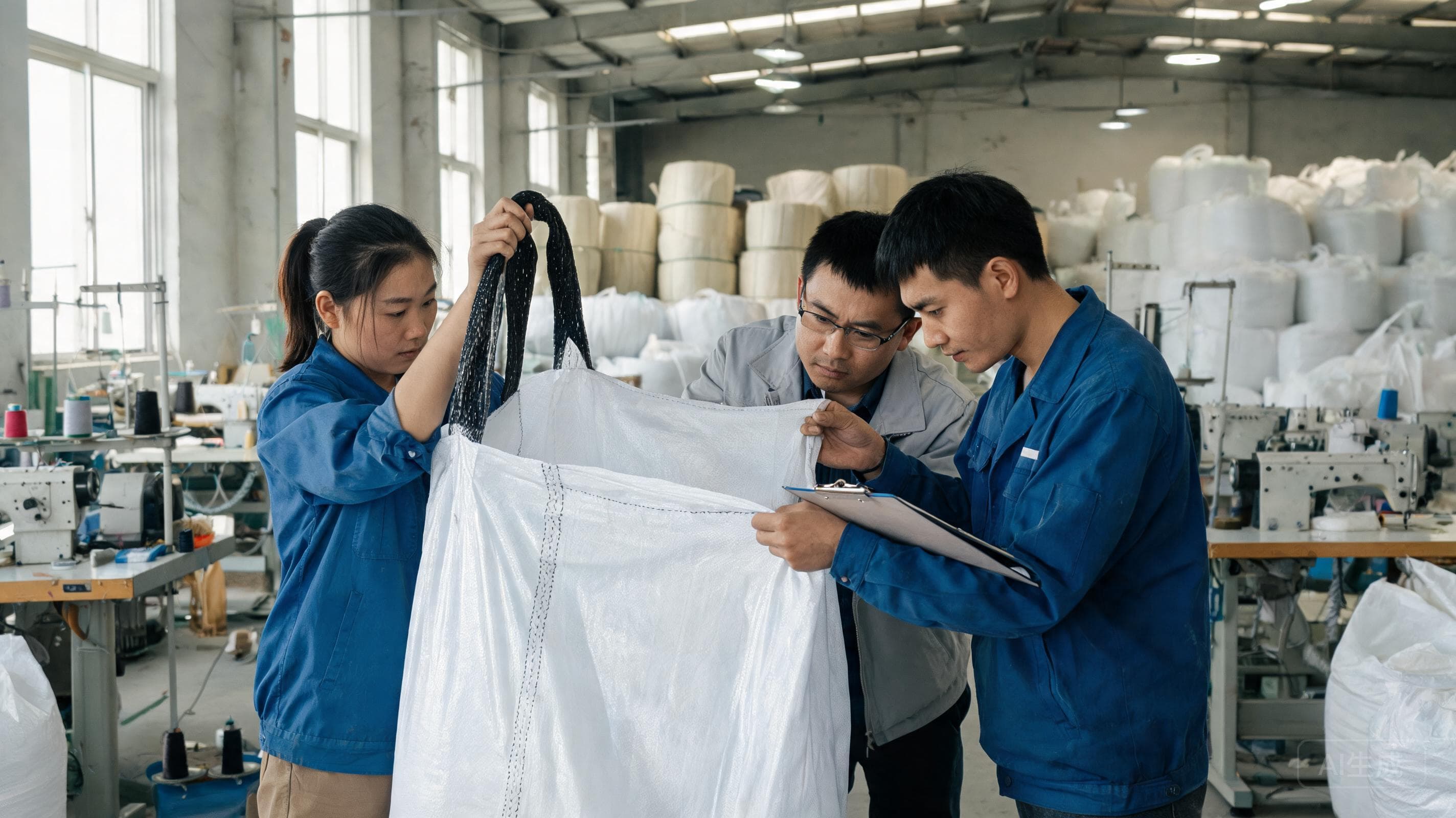
Choosing a FIBC Manufacturing Partner: A Practical Guide to Compliance, Quality, and Supply Reliability
Evaluate FIBC suppliers with a practical framework for application fit, documentation, quality controls, production capacity, and total cost. Prepare your requirements before requesting samples or a quote.
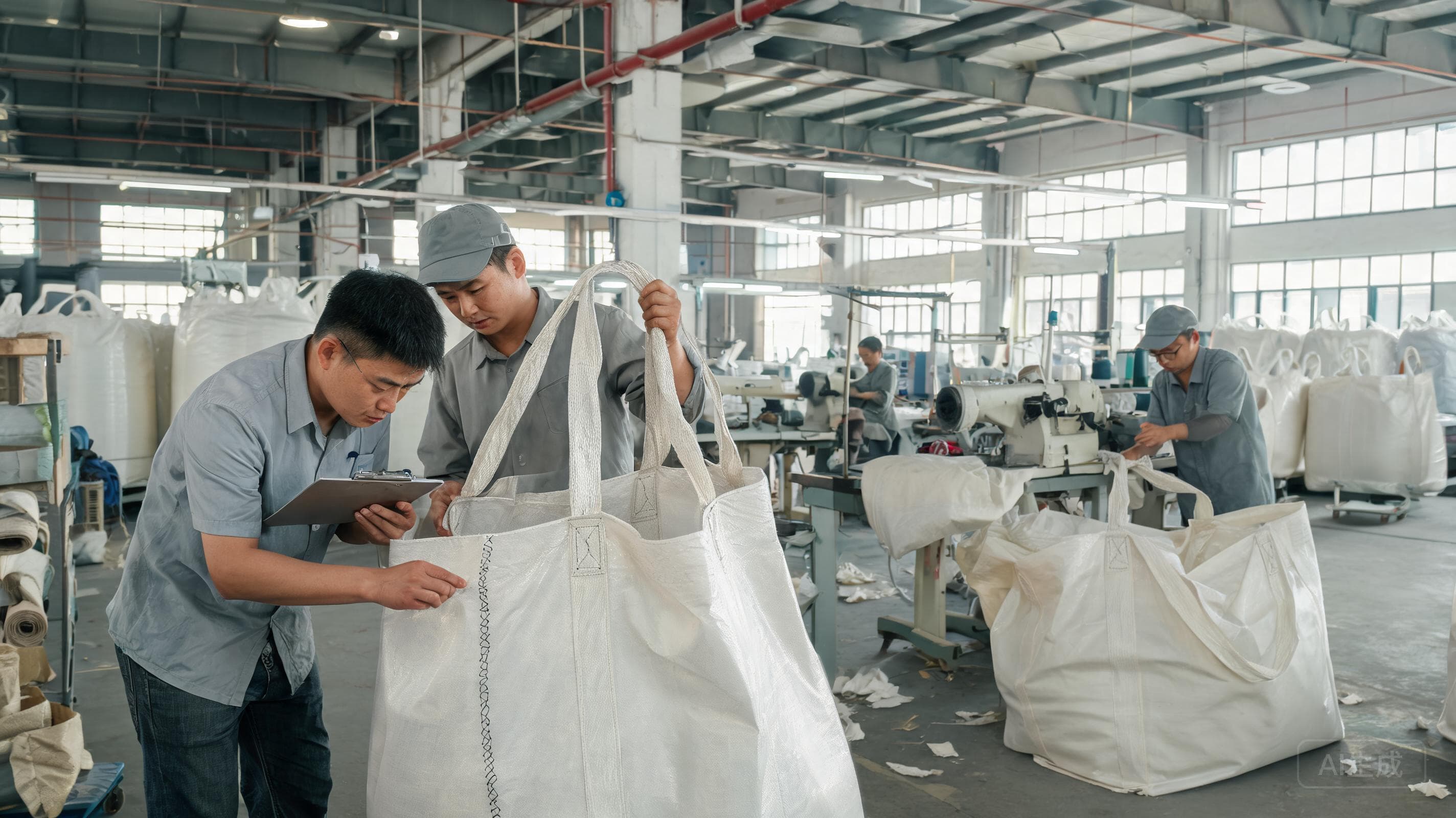
How to Choose a FIBC Bulk Bag Manufacturer That Reduces Risk and Supports Reliable Supply
Use this practical framework to assess FIBC manufacturers, align bag specifications with your application, verify quality and compliance, and build a more reliable supply plan.
Want to know more?
Get in touch with us for more information about our services and products.