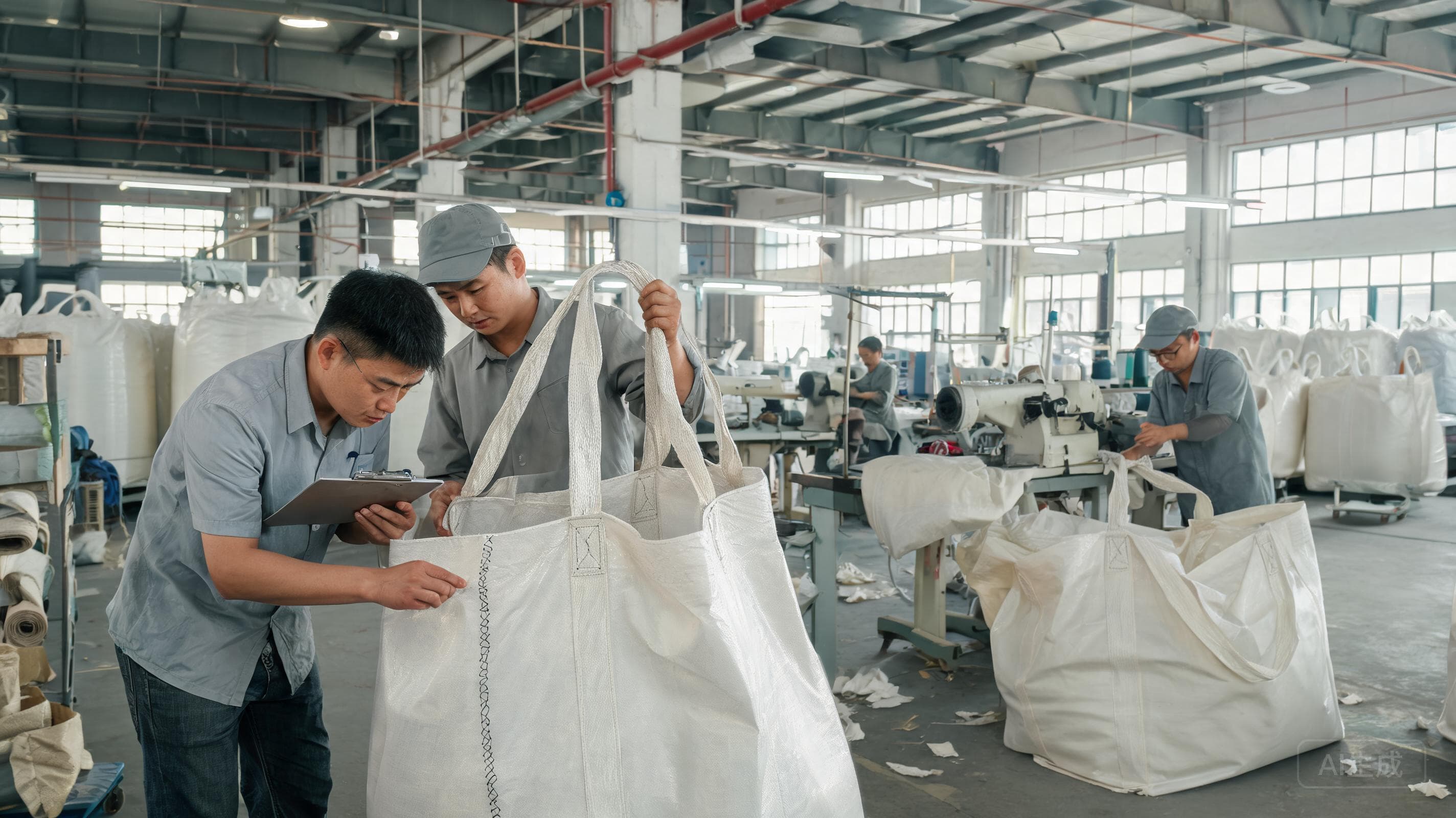
How to Choose a FIBC Bulk Bag Manufacturer That Reduces Risk and Supports Reliable Supply
RUNCHEN
AuthorWith more than 25 years of experience in FIBC bulk bag manufacturing and sales, RUNCHEN operates its own production facility with stable batch capacity. We specialize in FIBC bulk bags, jumbo bags, ton bags, and customized industrial packaging solutions.
When a bulk bag problem becomes a supply-chain problem
For procurement and operations teams, a bulk bag issue rarely stays a packaging issue. Inconsistent specifications can complicate filling and handling. Late deliveries can leave production waiting for packaging. A bag that leaks or performs poorly under its intended conditions can put product, people, and schedules at risk. Quality problems also take time to investigate, contain, and resolve.
The consequences can extend beyond the warehouse to production interruptions, damaged goods, compliance exposure, and unexpected costs. A competitive unit price alone cannot prevent these outcomes. Buyers need a FIBC bulk bag manufacturer that can match bag design, materials, testing, and production capacity to the actual application.
This guide provides a practical framework for evaluating manufacturers, identifying suitable FIBC options, and making sourcing decisions that support reliable supply and reduce risk.
Put application fit before price comparison
The right FIBC depends on what it will carry and how it will be used. Load characteristics, filling and discharge methods, transport conditions, storage environment, and end-use requirements all affect bag selection. A bag suitable for one material or handling process may not be appropriate for another.
Before requesting quotations, document the requirements that matter for your application. These may include dimensions, safe working load (SWL), safety factor, lifting configuration, liner requirements, product-contact conditions, and applicable regulatory or customer requirements. Note whether the bag will be filled, lifted, stored, transported, or discharged under unusual conditions.
Comparing prices before aligning specifications can be misleading. Quotations may include different construction, materials, or features, and a lower-cost alternative may not meet your operational needs. Involve procurement, quality, operations, and logistics early so they can agree on a common specification before suppliers quote.
Match the bag type to the material and operating conditions
COSEK’s bulk bag options can provide a starting point for an application-fit discussion:
- COSEK White General-Purpose FIBC Bulk Bag: A potential option for suitable routine bulk-material handling applications.
- COSEK White Cylindrical Leak-Proof Bulk Bag: Worth assessing when containment and leak control are key selection factors.
- COSEK White and Red Food-Grade Bulk Bag: An option for buyers evaluating packaging for food-related applications. Confirm the documentation and requirements relevant to the product and destination market.
- COSEK White UN Certified Dangerous Goods FIBC Bulk Bag: An option to assess for applicable dangerous-goods transport needs. Verify that the certification, bag configuration, and intended use align with current shipping requirements.
Product names are not a substitute for technical review. Confirm specifications, suitability, and any required testing or documentation for the exact material and operating conditions before selecting a bag.
Build compliance and quality assurance into supplier evaluation
Ask prospective manufacturers how they control incoming materials, maintain production consistency, inspect finished bags, and ensure traceability. Find out how they identify and manage nonconforming product, investigate complaints, and communicate corrective actions.
For regulated or sensitive applications, request relevant certificates, test records, product specifications, and supporting documentation before approving a bag. Requirements vary by material, market, and intended use, so confirm applicable rules with your compliance team and logistics partners.
For a UN-certified bag, verify the precise certified configuration and intended use rather than relying on a product label alone. A supplier-audit checklist should cover quality systems, change control, complaint resolution, traceability, and corrective-action processes. Confirm that the information provided applies to the proposed bag and its production configuration.
Assess production capability, lead times, and flexibility
A manufacturer’s ability to meet your needs depends on more than its stated output. Evaluate capacity against forecast demand, seasonal peaks, order variability, and replenishment timelines. Ask how production is scheduled, how specification changes are handled, and how repeat orders are kept consistent.
Packmate’s discussion of faster changeovers on multi-lane machines is a broader example of why manufacturing flexibility can matter when product mixes and schedules shift. It is not evidence of FIBC performance, but it can prompt practical questions about a prospective FIBC supplier’s changeover practices, bottlenecks, and capacity planning.
Agree on forecasts, order windows, sample-approval stages, and escalation contacts before supply begins. Clear expectations help both sides manage changes and respond to potential delays.
Consider sustainability across the supply chain
Sustainability is a procurement and operational consideration alongside safety, quality, and total cost. Ask suppliers about material use, production waste, packaging, process improvements, and the documentation supporting any sustainability claims.
GOTS implementation material illustrates how standards guidance can address technical and organisational measures. However, GOTS is not, by itself, evidence that an FIBC is certified. Check that any standard or claim cited by a supplier is relevant to the product and application you are evaluating.
The Xiaomi Beijing factory’s hazardous-waste reduction practice is an adjacent example of full-chain waste management, not evidence of results in FIBC production. For your sourcing decision, focus on measurable, application-relevant indicators and ask how those figures are documented.
Use industry events and market research to sharpen supplier questions
The 2025 WEPACK material describes more than 100 packaging experts addressing over 300 packaging issues, illustrating the range of challenges packaging teams may encounter. Buyers can use this breadth to shape questions about material suitability, packaging performance, compliance, efficiency, and supply resilience.
The Austrian Business in China reference may provide market context and insight into cross-border business considerations. Treat it as a potential research source, and verify the underlying report before relying on its statistics or claims.
Trade-show conversations and market research can help procurement teams compare technical approaches, test supplier claims, and identify emerging requirements. Use what you learn to ask more specific questions about your application rather than assuming a general industry trend applies directly to your needs.
Compare suppliers on total cost and business impact
The purchase price is only one part of FIBC cost. Total cost can also include freight, storage, filling efficiency, product loss, handling time, quality incidents, and disposal or recovery considerations. A bag that costs less upfront may create higher costs elsewhere if it leads to avoidable operational issues.
Compare suppliers using the same approved specification and a consistent evaluation scorecard. Track practical performance indicators such as on-time delivery, defect rates, complaint-resolution time, and repeat-order consistency. Over time, these measures can show whether a supplier supports stable operations as well as competitive pricing.
Packmate’s focus on changeovers also highlights the operational value of reducing avoidable downtime, though it does not provide FIBC-specific performance or savings data. Ask suppliers how their production practices support dependable supply, then assess their answers against your requirements. A cost and specification review based on your application and purchasing volumes can make comparisons more meaningful.
Use this checklist to shortlist FIBC manufacturers
- Can the supplier explain how it will match bag construction to your product and handling process?
- Can it provide current specifications, samples, and relevant compliance documentation for the proposed configuration?
- How does it maintain consistency between approved samples and production orders?
- What are its realistic lead times and capacity constraints, and how does it handle urgent changes?
- How does it investigate quality issues and prevent them from recurring?
- Can it support a pilot order or sample evaluation before a larger commitment?
- Are sustainability statements supported by clear, relevant evidence?
Turn your shortlist into a lower-risk sourcing decision
Before requesting a final quotation, confirm the intended application, material characteristics, handling conditions, and compliance needs. A staged approval process can surface gaps early: review the specification, evaluate a sample, check documentation, run a pilot order, and assess performance before making a larger commitment.
Agree on acceptance criteria and communication responsibilities before production begins. This gives your team and the manufacturer a shared basis for resolving questions and assessing whether the finished bags meet expectations.
COSEK’s four referenced bulk bag options can help start an application discussion. Final selection should depend on technical specifications, operating conditions, and any applicable regulatory review.
Request a FIBC specification and supply review
Prepare details about your material type, target capacity, filling and discharge method, transport conditions, destination market, and any applicable certification or food-contact requirements. This information helps make the specification review more relevant and supports a tailored quotation.
Related News
Other news you might be interested in
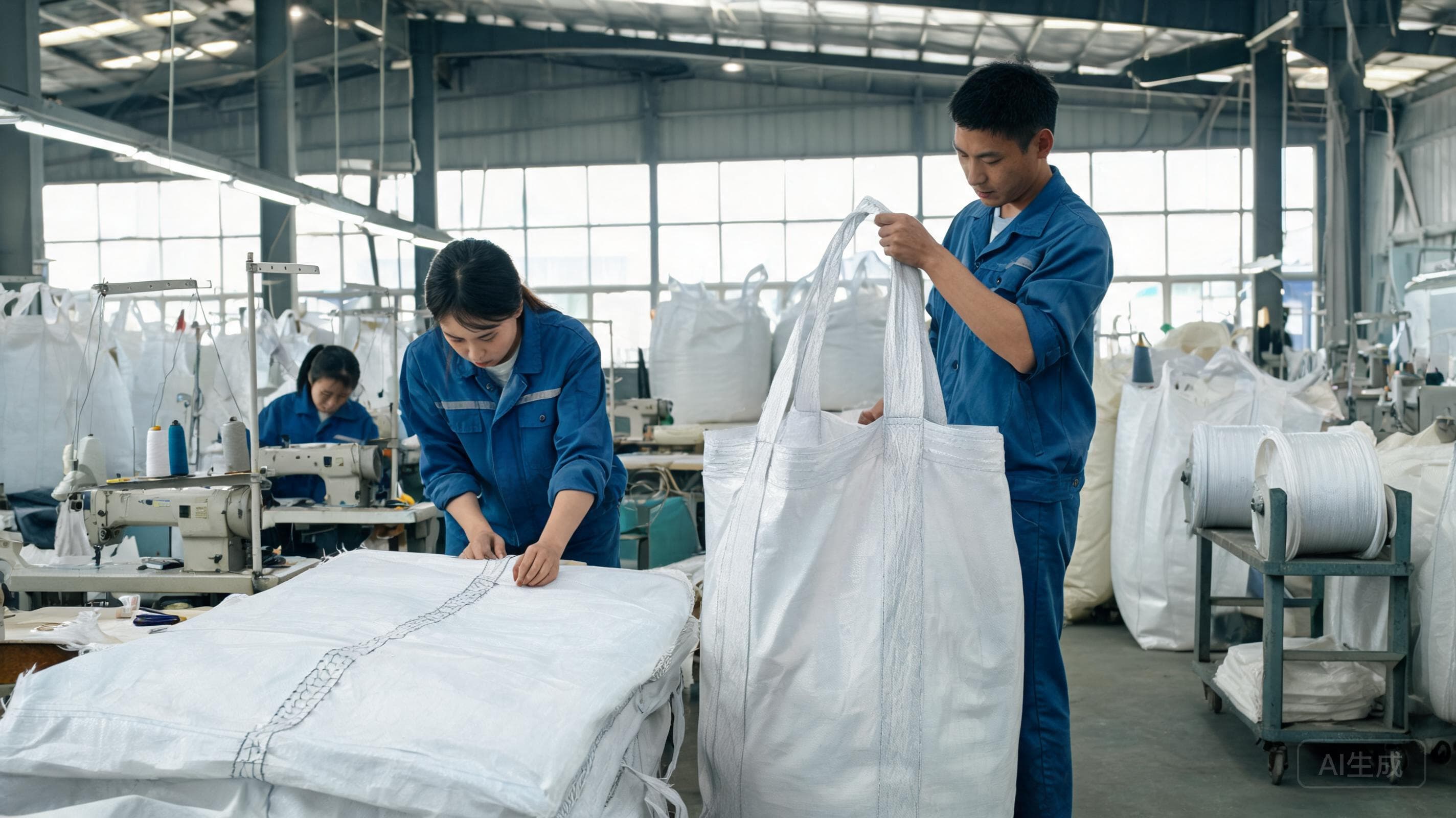
Choosing the Right FIBC Bulk Bag Manufacturer for Safer, More Efficient Operations
Learn how to qualify an FIBC manufacturer, match bag construction to your application, verify compliance, and reduce downtime with a practical sourcing checklist.

Choosing the Right FIBC Bulk Bag Supplier for Safer, More Efficient Operations
Use this practical guide to match FIBC bulk bags to your product, equipment and compliance needs—and compare suppliers through documentation, trials and total cost.
Want to know more?
Get in touch with us for more information about our services and products.