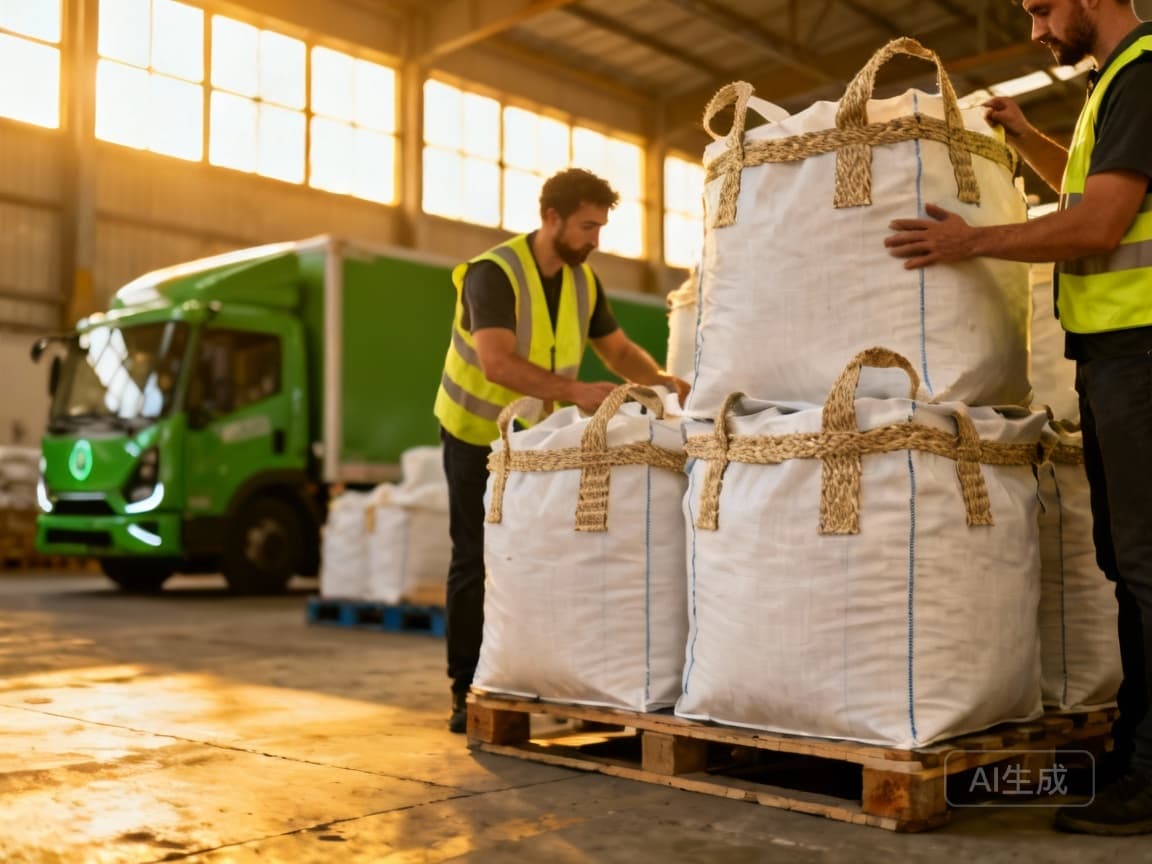
How to transform ton bags into circular assets from 54.32% flexible packaging dominating the market
RUNCHEN
AuthorWith more than 25 years of experience in FIBC bulk bag manufacturing and sales, RUNCHEN operates its own production facility with stable batch capacity. We specialize in FIBC bulk bags, jumbo bags, ton bags, and customized industrial packaging solutions.
From Flexible Dominance to Circular Strategy: Reimagining FIBCs as Assets
The global packaging landscape is undergoing a fundamental shift. Driven by relentless pressure for sustainability and e-commerce efficiency, flexible packaging now commands 54.32% of the global market. As the industrial heavyweight within this category, Flexible Intermediate Bulk Containers (FIBCs), or吨包袋, are at a crossroads. The traditional view—seeing them as single-use logistical containers—is becoming obsolete. Forward-thinking businesses are now recognizing a more powerful paradigm: transforming FIBCs from cost-centric packaging into strategic, circular assets that drive value, meet ESG mandates, and forge stronger client partnerships.
The Data-Driven Imperative for Change
The dominance of flexible packaging is no accident. Its material and logistical efficiencies are proven. However, the key driver today is sustainability. This demand is cascading down supply chains. Consider that the food industry, FIBCs' largest application sector at 28.54% of the packaging market, faces intense scrutiny. Brand owners are now audited on their total supply chain carbon footprint. A disposable packaging model is a significant liability. Your clients are no longer just buying a bag; they are seeking a partner to help them reduce Scope 3 emissions and pass green audits.
This creates a critical pivot in the supplier-client relationship. The conversation must evolve from "How cheap is this bag?" to "How does this packaging system reduce our total environmental impact and risk?" The FIBC is no longer the end product; it is the core component of a circular service model.
Validating the Model: Lessons from B2C Pioneers
The feasibility of a reusable system is not theoretical; it's operational in B2C. A compelling case study comes from Asian e-commerce leader momo富邦媒. Facing the challenge of packaging waste, they implemented a system of reusable delivery bags. The result? Each bag achieved up to 25 lifecycles, dramatically reducing waste and resource consumption. This successful pivot to a "green logistics" model offers profound lessons for B2B.
The momo case validates that the economics of reuse work. The critical success factors—a reliable return loop, standardized cleaning/QA processes, and a shift from purchasing a product to managing an asset—are directly transferable to industrial settings.
For FIBCs, this translates to designing for durability, establishing closed-loop systems within industrial parks or with dedicated logistics partners, and mastering the asset-tracking logistics that make reuse viable. The B2C world has provided the blueprint; the B2B sector has the scale to make the economics even more compelling.
A Framework for Transformation: Three New Roles for FIBC Providers
To capitalize on this shift, FIBC manufacturers must redefine their value proposition. This involves adopting three new strategic roles.
1. The Circular System Designer
Move beyond selling a product to designing a system. This starts with product innovation: developing bags with enhanced wear-resistant coatings, easy-clean liners, and standardized features for repair. But the real value is in designing the service wrapper—the take-back logistics, cleaning and inspection protocols, and digital tracking that create a seamless loop. Your offering becomes a managed service, guaranteeing packaging availability and performance while assuming responsibility for end-of-life recycling.
2. The Data and Transparency Partner
An FIBC is a constant companion to valuable cargo. Integrating simple IoT sensors, RFID tags, or robust QR codes transforms it into a data hub. This enables real-time location tracking, monitoring of conditions like humidity or shock, and data on fill rates and cycle counts. For your client, this means unparalleled supply chain transparency, automated inventory management, and validated proof of sustainable handling for their customers. The bag becomes an interface for trusted data.
3. The Brand Value Amplifier
In a warehouse or on a loading dock, an FIBC is a massive, mobile billboard. Leveraging high-quality printing and thoughtful design (clean spouts, robust lifting loops) allows companies to visually communicate their brand's commitment to safety, professionalism, and sustainability. This aligns with the broader trend seen in markets like cosmetics, where personalized packaging design is a key driver of perceived value. A well-branded, meticulously maintained reusable FIBC system speaks volumes about a company's operational excellence.
Taking the First Step: A Practical Action Plan
Transitioning to a circular asset model is a journey. Begin with these focused actions:
- Reframe the Financial Model: Develop and present a Total Cost of Ownership (TCO) analysis. Compare the true cost per trip of a reusable, managed system against the hidden costs of single-use procurement, disposal, and compliance risk.
- Launch a Pilot Program: Identify a strategic client with aligned sustainability goals. Co-design a small-scale closed-loop pilot, perhaps starting with internal factory-to-warehouse logistics. Focus on proving the operational workflow and initial ROI.
- Invest in Enabling Technology: Implement a basic digital tracking system, even if it starts with simple scan-able unique identifiers. This builds the foundation for asset management and provides the data needed to refine the system.
- Design for Circularity: Review your product lines. Which designs are most durable and repairable? Standardize components to simplify maintenance and extend asset life.
The data is clear, the model is validated, and the market demand is accelerating. The future belongs not to those who sell the most bags, but to those who best manage the lifecycle of their clients' most critical logistical assets. By leading the shift from container to circular asset, FIBC providers can build unparalleled customer loyalty, unlock new revenue streams, and become indispensable partners in the sustainable supply chains of tomorrow.
Related News
Other news you might be interested in
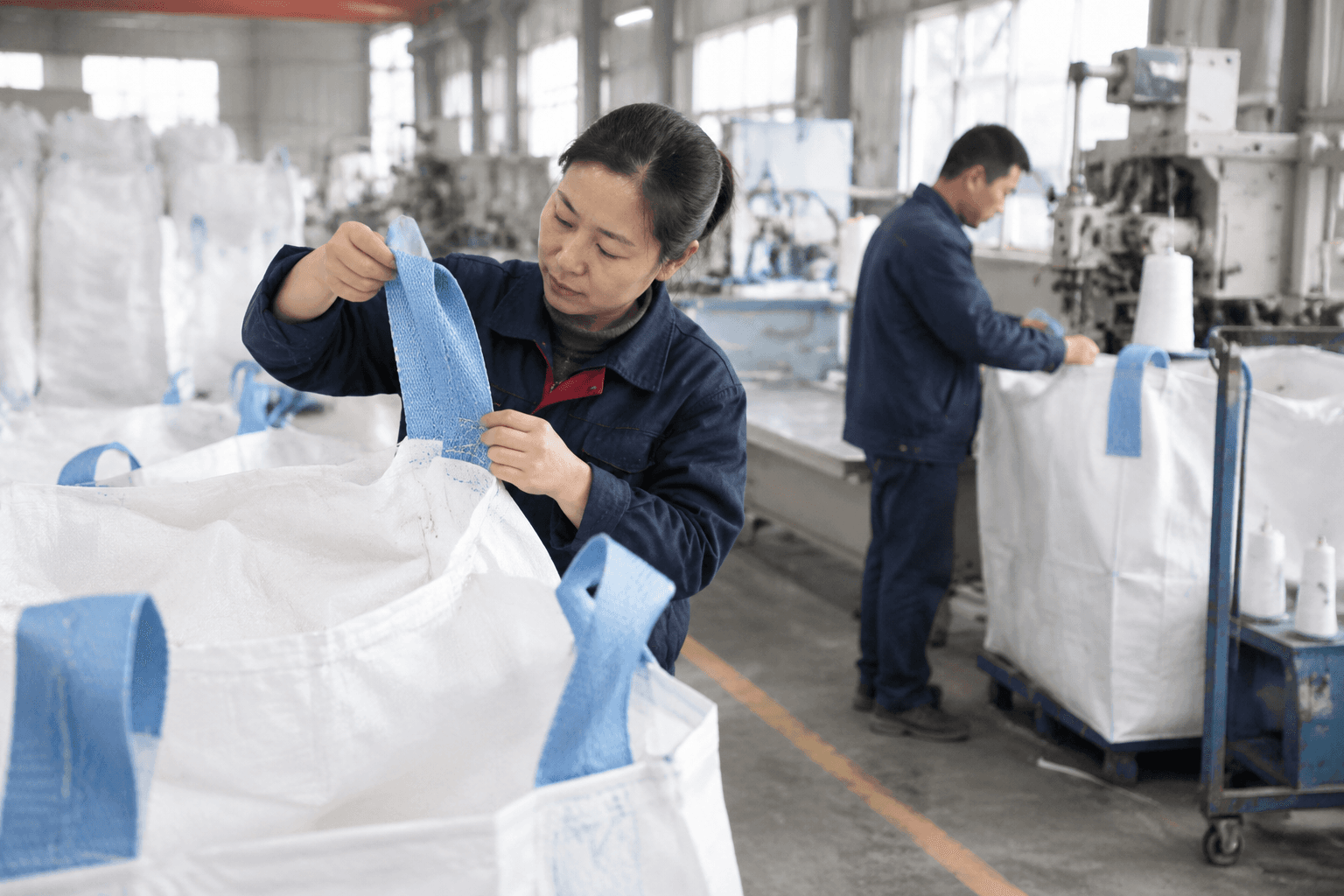
Choosing the Right FIBC Bulk Bag: A Procurement Guide for Safer, More Reliable Packaging
Use this practical FIBC procurement guide to define your application, compare specifications and suppliers, verify compliance, and request a bag configuration that fits your operation.
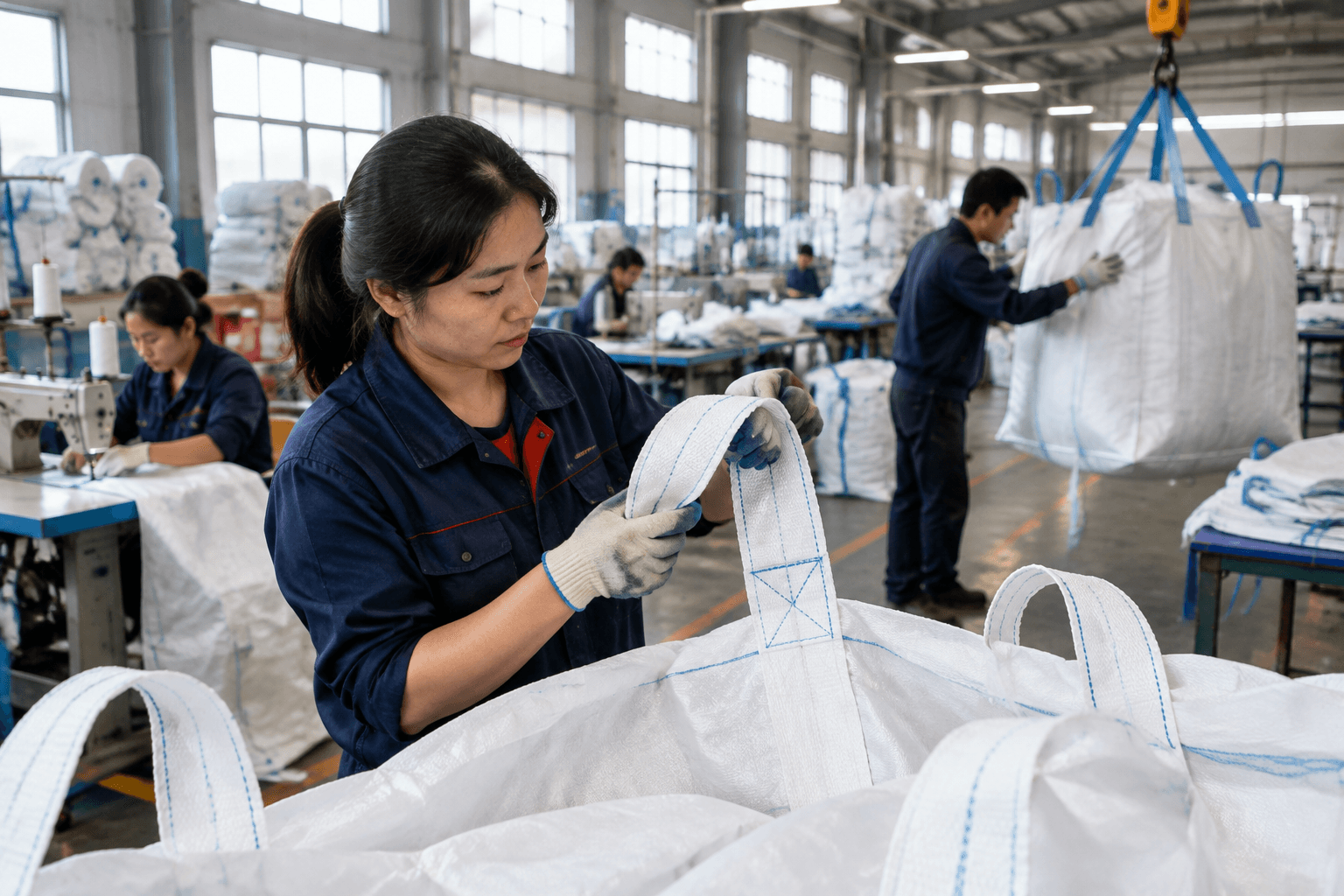
Choosing the Right Bulk Bag Manufacturer for Safer, More Efficient Operations
Learn how to specify bulk bags, evaluate manufacturers, and validate quality and supply reliability to reduce operational risk and support safer, more efficient handling.
Want to know more?
Get in touch with us for more information about our services and products.