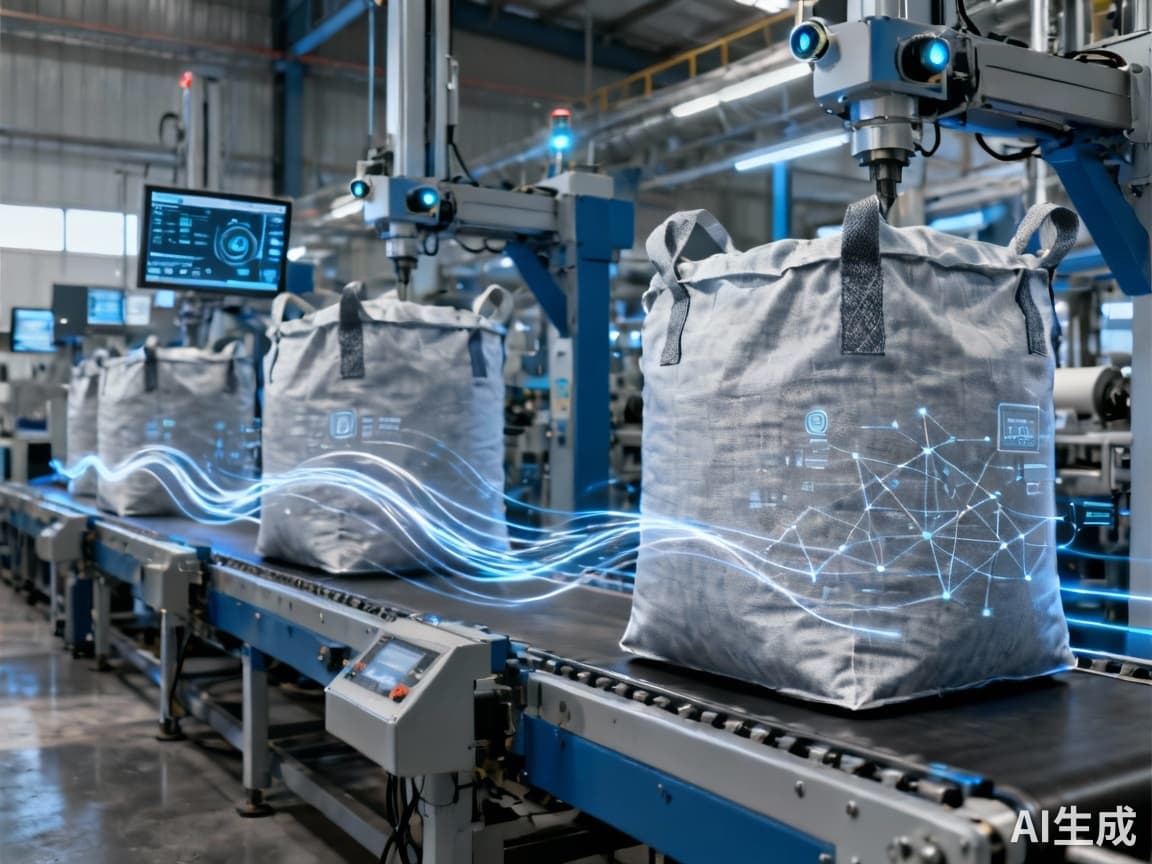
Implementing IoT-Enabled Bulk Bag Systems: A 15-20% Growth Roadmap for FIBC Manufacturers
RUNCHEN
AuthorWith more than 25 years of experience in FIBC bulk bag manufacturing and sales, RUNCHEN operates its own production facility with stable batch capacity. We specialize in FIBC bulk bags, jumbo bags, ton bags, and customized industrial packaging solutions.
Beyond ISO Certification: Implementing Smart Technology in FIBC Manufacturing - A Data-Driven Roadmap
The FIBC manufacturing sector stands at a pivotal juncture. While industry reports consistently highlight digital transformation as a critical trend, a deeper analysis of market data reveals a significant gap between recognizing this trend and implementing practical, profitable solutions. Market research indicates a robust annual growth rate of 15-20% for technology-enabled bulk bag systems, yet many manufacturers remain focused on traditional compliance rather than innovation. This article provides a concrete, data-driven roadmap to bridge that gap, moving from basic ISO certification to a fully integrated, IoT-enabled operation that captures this significant market growth.
"The integration of smart technology is no longer a luxury but a necessity for FIBC manufacturers aiming to compete in a market increasingly driven by efficiency, data, and sustainability demands." - Industry White Paper on Bulk Bag Technology Trends
The Three Phases of a Profitable Digital Transformation
A successful transition to a smart manufacturing operation is not an overnight event but a strategic evolution. Based on analysis of equipment search trends and implementation case studies, we break down this journey into three distinct, actionable phases.
Phase 1: Foundational Automation
This initial phase focuses on addressing the most immediate operational pain points, often identified through high-volume search terms like bulk bag unloader, bulk bag filler, and bulk bag discharger. The goal is to automate manual, time-consuming, and potentially hazardous processes.
Implementation Steps:
- Process Audit: Identify bottlenecks in your current filling, discharging, and handling operations.
- Equipment Selection: Prioritize investments in automated equipment based on ROI. For example, a high-quality automated unloader can increase throughput by up to 30% while reducing product loss and manual labor costs.
- Integration Planning: Ensure new equipment can communicate with existing systems, laying the groundwork for Phase 2.
Phase 2: Data Integration and Connectivity
With automated equipment in place, the next step is to make it intelligent. This involves embedding sensors and IoT platforms to collect and centralize data from key points in the manufacturing and product lifecycle.
Implementation Steps:
- Sensor Deployment: Install sensors on equipment and within bags themselves to monitor factors like fill weight, pressure, integrity, and location (addressing searches for bag tags bulk and smart monitoring).
- Platform Implementation: Choose an Industrial IoT (IIoT) platform that can aggregate data from disparate sources into a single dashboard.
- Real-Time Monitoring: Establish systems for real-time alerts for issues like bag rupture during filling or deviations from predefined weight tolerances.
Phase 3: Intelligent Decision-Making and Optimization
The final phase leverages the collected data to drive predictive analytics, proactive maintenance, and strategic business decisions, fully unlocking the 15-20% growth potential.
Implementation Steps:
- Predictive Analytics: Use machine learning algorithms to predict maintenance needs for equipment like bulk bag filling equipment, preventing costly downtime.
- Supply Chain Optimization: Analyze data on bag usage and shipping to optimize logistics and reduce empty miles for returnable FIBCs.
- Lifecycle Management: Implement smart tags to track each bag's history, enabling a robust bulk bag recycling and reuse program, a key sustainability and cost-saving initiative.
Calculating Your Investment Return: A Practical Framework
Justifying the investment in smart technology requires a clear understanding of the financial returns. The ROI extends beyond simple equipment cost savings.
ROI Calculation Factors:
- Labor Efficiency: Reduced manual handling and automated processes lead to direct labor savings.
- Product Loss Reduction: Precision filling and discharging equipment minimizes spillage and waste.
- Downtime Avoidance: Predictive maintenance can reduce unplanned downtime by up to 50%.
- Extended Asset Life: Proper monitoring and care of both manufacturing equipment and the bags themselves (e.g., FIBC bulk bags) extend their usable lifespan.
- Sustainability Premium: Marketability of a greener product with a verifiable recycling program.
Addressing Customization and Niche Market Opportunities
The data shows strong search volume for highly specific applications, such as dippin dots bulk bag, bulk bag fertilizer, and custom golf bag tags bulk order. This signals a growing demand for customized solutions. IoT technology enables this profitably through:
- Flexible Manufacturing Systems: Agile production lines that can be quickly reconfigured for different sizes and materials (e.g., canvas tote bag bulk vs. standard FIBCs).
- Track-and-Trace for Compliance: For industries like food (candy bulk bag) and pharmaceuticals, IoT sensors provide immutable data logs for temperature, humidity, and handling, ensuring compliance and quality.
The path to capturing the forecasted market growth is clear. It requires moving beyond passive compliance and actively integrating smart technologies that deliver efficiency, data, and sustainability. By following this phased roadmap—starting with automation, building on data, and culminating in intelligent optimization—FIBC manufacturers can build a resilient, profitable, and future-proof operation.
Related News
Other news you might be interested in
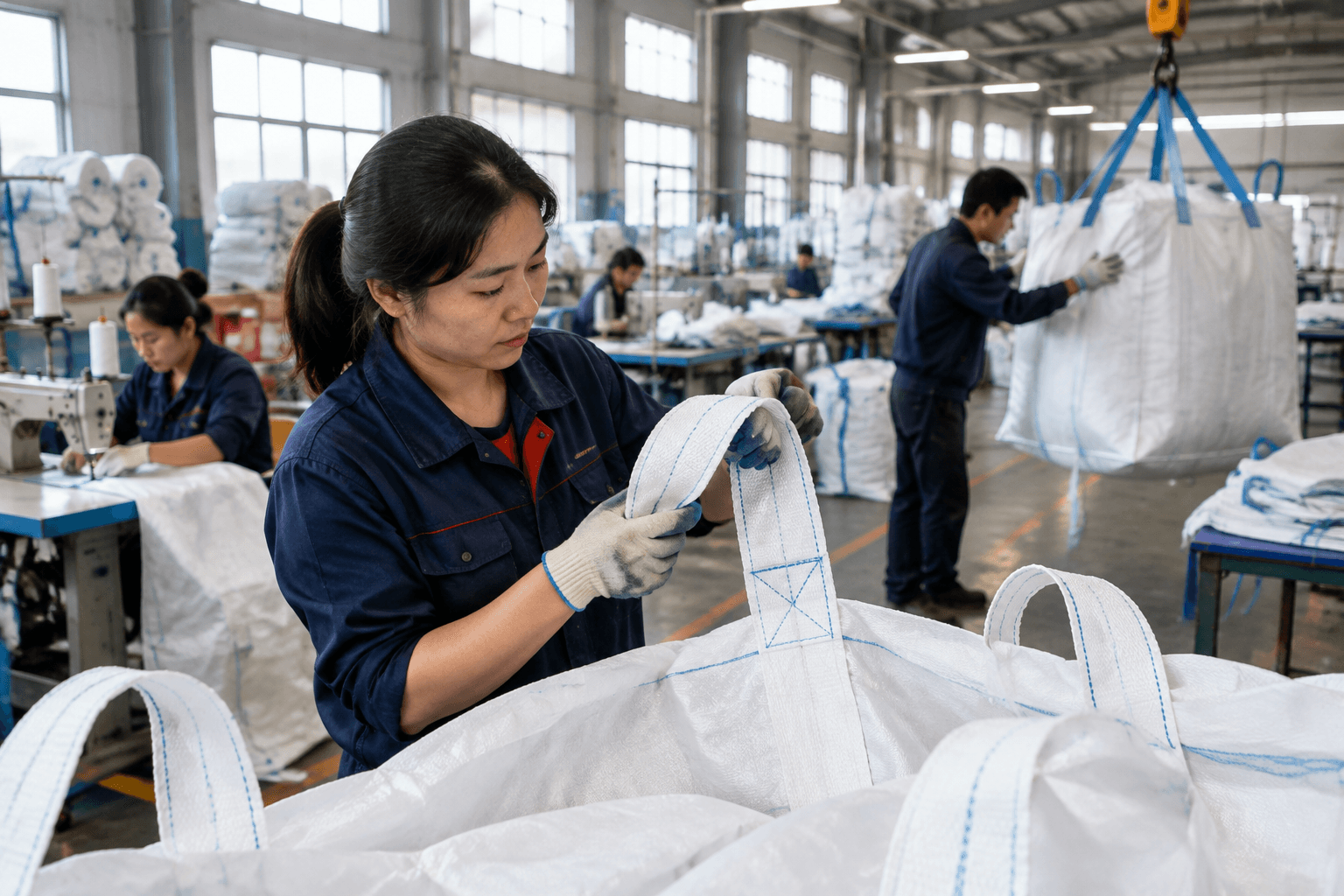
Choosing the Right Bulk Bag Manufacturer for Safer, More Efficient Operations
Learn how to specify bulk bags, evaluate manufacturers, and validate quality and supply reliability to reduce operational risk and support safer, more efficient handling.
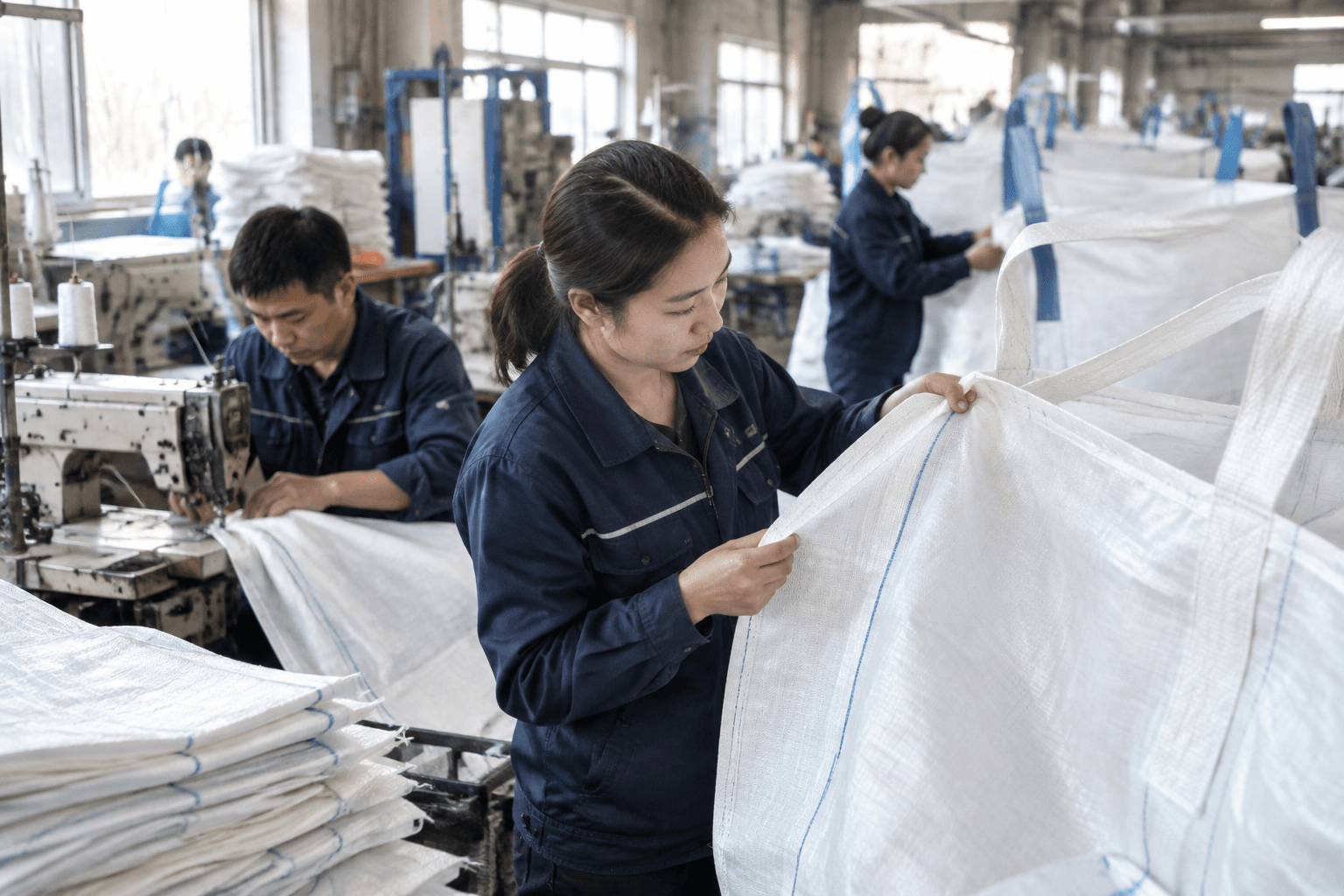
The 140th Canton Fair: New Trends in the Export Market for FIBC Bulk Bags, Jumbo Bags, and PP Woven Packaging
Explore how export buyers can evaluate FIBC bulk bags and PP woven packaging beyond unit price. Get practical guidance on specifications, supplier verification, sustainability requirements, and RFQs—and prepare your next sourcing conversation with COSEK.
Want to know more?
Get in touch with us for more information about our services and products.