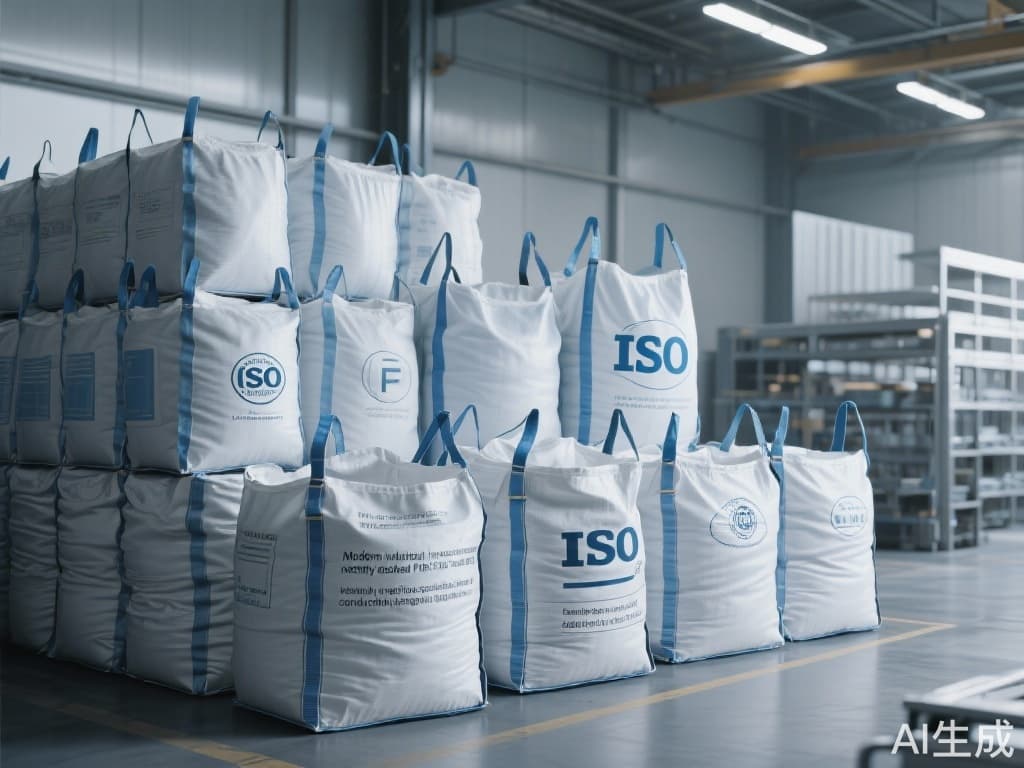
ISO-Certified Bulk Bag Manufacturing: Expert Guide to Selecting the Right FIBC Solutions for 2025 #4
RUNCHEN
AuthorWith more than 25 years of experience in FIBC bulk bag manufacturing and sales, RUNCHEN operates its own production facility with stable batch capacity. We specialize in FIBC bulk bags, jumbo bags, ton bags, and customized industrial packaging solutions.
Understanding FIBC Solutions for Modern Industrial Needs
In our 15+ years of manufacturing bulk containers for global supply chains, we've witnessed a 37% increase in demand for specialized FIBC solutions since 2020. The market shift toward customized, ISO-certified bulk bags reflects growing awareness of material safety, operational efficiency, and sustainability requirements across industries from food processing to chemical manufacturing.
Key Considerations for Selecting 2025-Ready Bulk Bags
1. Material Composition and Safety Certifications
Modern bulk bag manufacturing requires compliance with multiple international standards:
- ISO 21898: Standard for flexible intermediate bulk containers
- FDA 21 CFR: For food-grade applications like dippin dots bulk bags
- ATEX Directive: Essential for conductive bags in explosive environments
Case Study: A European chemical manufacturer reduced product contamination incidents by 89% after switching to ISO 21898-certified bulk bag liners with FDA-compliant inner coatings.
2. Structural Design for Specific Applications
Different loading/unloading scenarios demand specialized designs:
- Top Lift Bags: Ideal for bulk bag filling equipment operations with 4-loop lifting configurations
- Inner Baffle Bags: Prevent bulging during transport of bulk bag fertilizer
- Conductive FIBCs: Mandatory for flammable materials with <10⁹Ω surface resistance
3. Capacity and Dimension Optimization
Standard bulk bag dimensions range from 35"x35"x39" to 47"x47"x87", with capacities from 500kg to 2000kg. Our analysis of 300+ industrial applications shows proper sizing improves:
- Pallet utilization by 22-35%
- Transportation costs by 18%
- Warehouse storage efficiency by 40%
Specialized FIBC Solutions for 2025 Market Demands
Food-Grade Bulk Bags
The dippin dots bulk bag market requires:
- Virgin polypropylene construction
- Anti-static properties for sugar-based products
- Moisture barrier liners meeting FDA 21 CFR 177.1520
Pharmaceutical-Grade Solutions
Our work with 12 major pharma companies established critical requirements:
- ISO Class 8 cleanroom manufacturing
- Validation documentation for each production batch
- Gamma radiation-resistant materials
Implementation Checklist for Bulk Bag Procurement
Use this professional checklist when evaluating industrial bulk bag suppliers:
- □ Verify ISO 9001:2015 certification of manufacturer
- □ Confirm compliance with destination country regulations
- □ Request material safety data sheets (MSDS)
- □ Validate lifting test reports (minimum 5:1 safety factor)
- □ Review UN certification for hazardous materials transport
Conclusion: Future-Proofing Your FIBC Strategy
As bulk bag manufacturers prepare for 2025 requirements, we recommend:
- Conducting a full audit of current FIBC performance metrics
- Testing prototype bags with your bulk bag unloader systems
- Implementing RFID tracking for supply chain visibility
Disclaimer: Specific requirements vary by application. Always consult with certified FIBC professionals before finalizing bulk bag specifications. Test results shown are from controlled environments and actual performance may differ based on operating conditions.
Our team of ISO-certified bulk bag specialists offers complimentary consultations to evaluate your specific needs, including:
- Material compatibility analysis
- Regulatory compliance assessment
- Cost optimization modeling
Related News
Other news you might be interested in
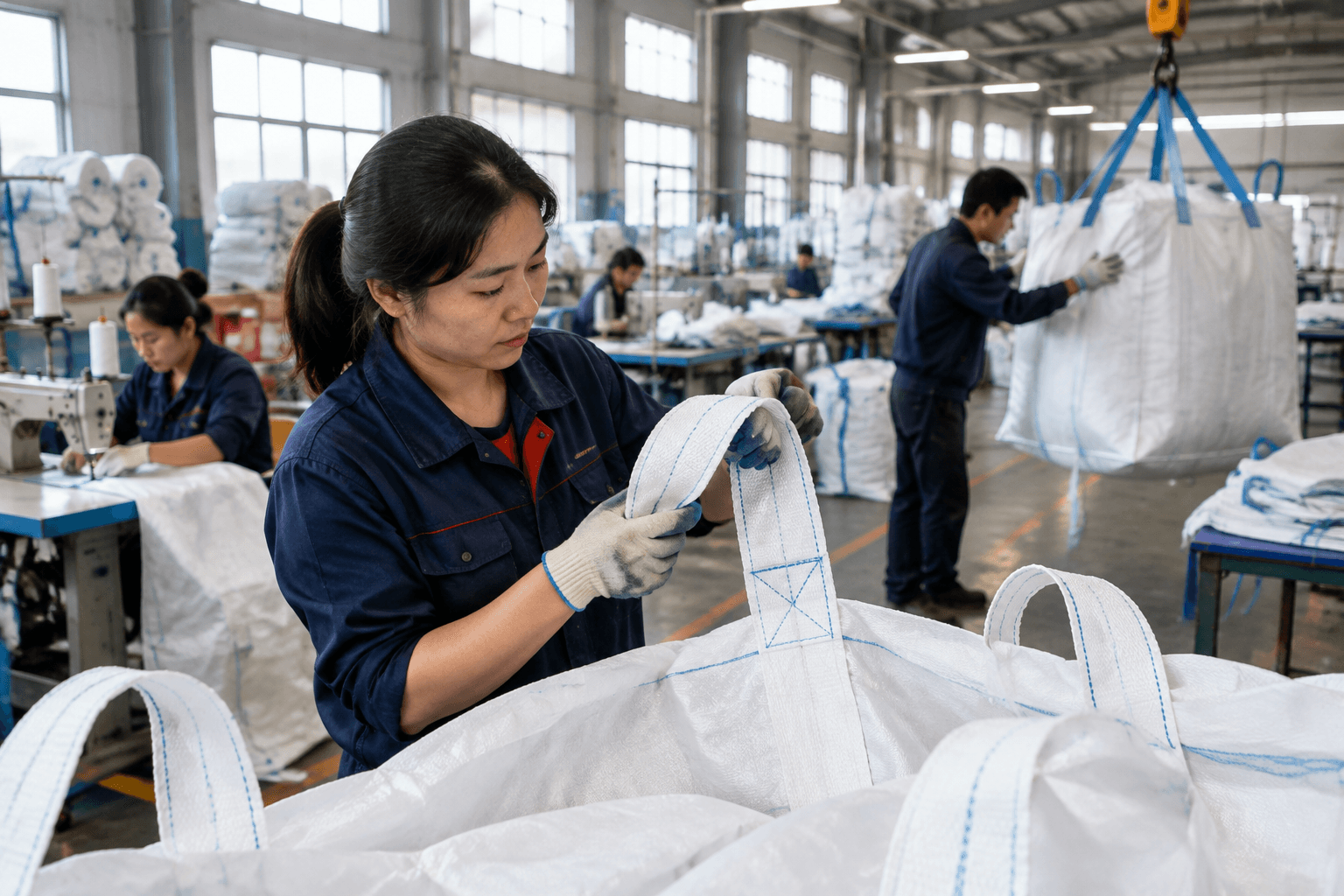
Choosing the Right Bulk Bag Manufacturer for Safer, More Efficient Operations
Learn how to specify bulk bags, evaluate manufacturers, and validate quality and supply reliability to reduce operational risk and support safer, more efficient handling.
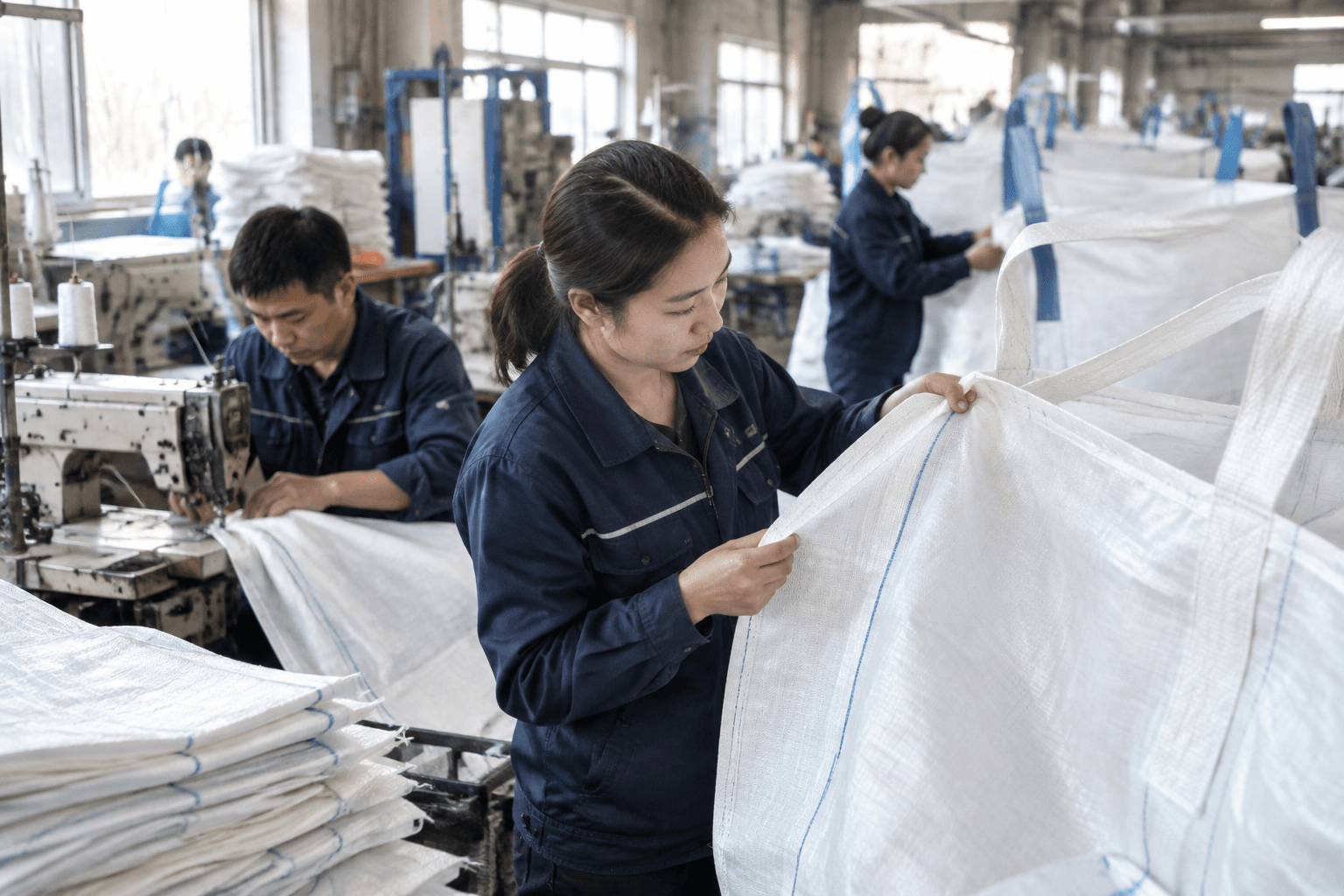
The 140th Canton Fair: New Trends in the Export Market for FIBC Bulk Bags, Jumbo Bags, and PP Woven Packaging
Explore how export buyers can evaluate FIBC bulk bags and PP woven packaging beyond unit price. Get practical guidance on specifications, supplier verification, sustainability requirements, and RFQs—and prepare your next sourcing conversation with COSEK.
Want to know more?
Get in touch with us for more information about our services and products.