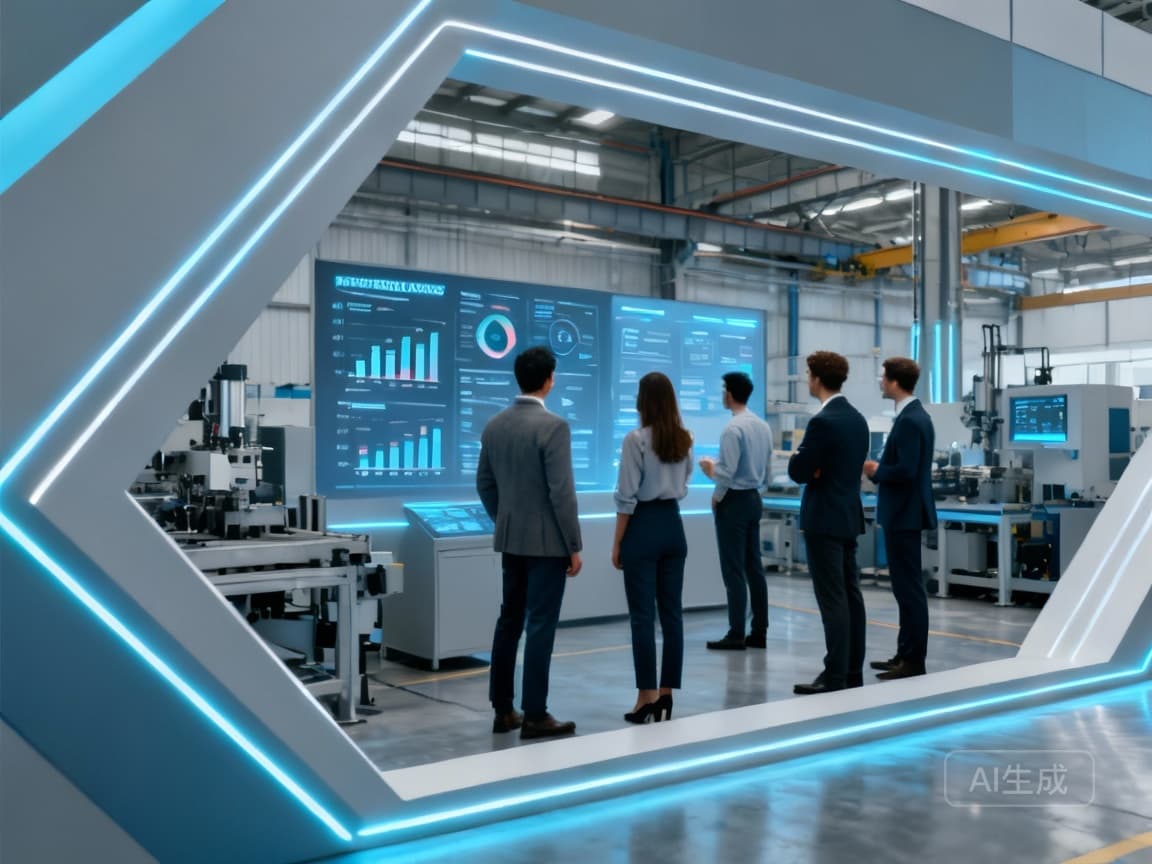
Leadership Training Delivers 20% Productivity Gain & $300K ROI in Packaging #69
RUNCHEN
AuthorWith more than 25 years of experience in FIBC bulk bag manufacturing and sales, RUNCHEN operates its own production facility with stable batch capacity. We specialize in FIBC bulk bags, jumbo bags, ton bags, and customized industrial packaging solutions.
Beyond the Bag: How Leadership Development Unlocks 20%+ Productivity Gains in Industrial Packaging Manufacturing
While the packaging industry focuses primarily on material innovations and equipment upgrades, forward-thinking manufacturers are discovering that the most significant efficiency gains come from developing their human capital. As the global packaging market grows to $218.37 billion by 2025 with a 4.96% CAGR, companies that invest in leadership development are achieving measurable competitive advantages that directly impact their bottom line.
The Hidden Productivity Crisis in Packaging Growth
The packaging industry's expansion, particularly in flexible packaging and healthcare segments growing at 7.14% CAGR, masks a critical operational challenge: productivity plateaus that limit profitability despite increasing demand. Many manufacturers experience diminishing returns from traditional efficiency measures while overlooking the human factor that drives sustainable improvement.
Market projections indicate the packaging sector will reach $278.15 billion by 2030, but growth opportunities are constrained by operational inefficiencies that leadership development directly addresses
Quantifiable Results: The $300,000 Leadership Investment That Delivered 20% Productivity Gains
A recent implementation at a major manufacturing operation demonstrates the tangible impact of structured leadership development. By applying the Kirkpatrick-Phillips ROI model to their training investment, the company achieved remarkable results that validate the approach's effectiveness in industrial settings.
Documented Performance Improvements
- Team productivity increased by 20% from pre-training benchmarks
- Product quality improved by 18% through enhanced supervision and process control
- Operational efficiency saw a 14.5% uplift across production lines
- The $300,000 training investment delivered clear ROI through reduced waste and increased output
These results align with findings from Washington State Government's implementation of lean methodologies, where nearly 200 improvement projects demonstrated that systematic approaches to leadership and process optimization deliver measurable outcomes across diverse operational environments.
The Four-Phase Implementation Framework for Packaging Manufacturers
Phase 1: Diagnostic Assessment and Baseline Establishment
Begin with a comprehensive evaluation of current production metrics and leadership capabilities. Measure baseline productivity rates, quality control performance, and operational efficiency indicators. Conduct leadership competency assessments to identify specific skill gaps affecting production outcomes.
Phase 2: Customized Training Design
Develop manufacturing-specific leadership modules based on Kirkpatrick's four-level training evaluation model. Focus on practical applications including production scheduling, quality management, team motivation, and problem-solving techniques specific to packaging operations. Incorporate lean manufacturing principles that have proven effective in both private and public sector implementations.
Phase 3: Implementation and Performance Monitoring
Apply the Phillips ROI methodology to track training effectiveness through five levels: reaction, learning, application, business impact, and return on investment. Establish real-time performance dashboards that monitor key indicators including output rates, material utilization, and quality metrics. Implement weekly review sessions to address challenges and reinforce learning.
Phase 4: Continuous Improvement Integration
Create systems for ongoing leadership development and knowledge transfer. Establish cross-functional improvement teams that apply learned principles to specific production challenges. Develop internal coaching capabilities to sustain momentum and embed new practices into organizational culture.
Integrating Technical and Leadership Excellence
The most successful implementations combine technical process improvements with leadership development. For bulk bag operations specifically, this means aligning equipment optimization with team leadership strategies that maximize equipment utilization and minimize downtime. Digital monitoring systems provide the data needed for informed decision-making, while developed leaders ensure that insights translate into action.
Addressing Sustainability Pressures Through Leadership
With packaging carbon emissions projected to grow from 13.03 million tons in 2018 to 57.06 million tons by 2025, effective leadership becomes crucial for implementing sustainable practices. Developed leaders drive adoption of green initiatives, optimize material usage, and implement waste reduction strategies that address both environmental concerns and cost pressures.
Calculating Your Potential ROI
Manufacturers can estimate potential returns using a straightforward calculation model. Consider current production values, identify efficiency gaps, and project improvements based on the demonstrated 20% productivity gain. For a medium-sized operation producing $5 million annually, a 20% productivity improvement represents $1 million in additional output capacity, dramatically outweighing the training investment required.
Conclusion: Leadership as Competitive Advantage
In an industry facing simultaneous growth opportunities and efficiency challenges, leadership development emerges as the differentiator that separates market leaders from followers. The documented 20% productivity gains and substantial ROI demonstrate that human capital investment delivers returns that equipment upgrades alone cannot match. As the packaging industry evolves toward $278 billion by 2030, manufacturers who prioritize leadership development will capture disproportionate value from market growth while building sustainable competitive advantages.
The evidence is clear: in the race for packaging industry leadership, developing your people delivers returns that far exceed the investment. The question isn't whether you can afford to implement comprehensive leadership development, but whether you can afford not to.
Related News
Other news you might be interested in
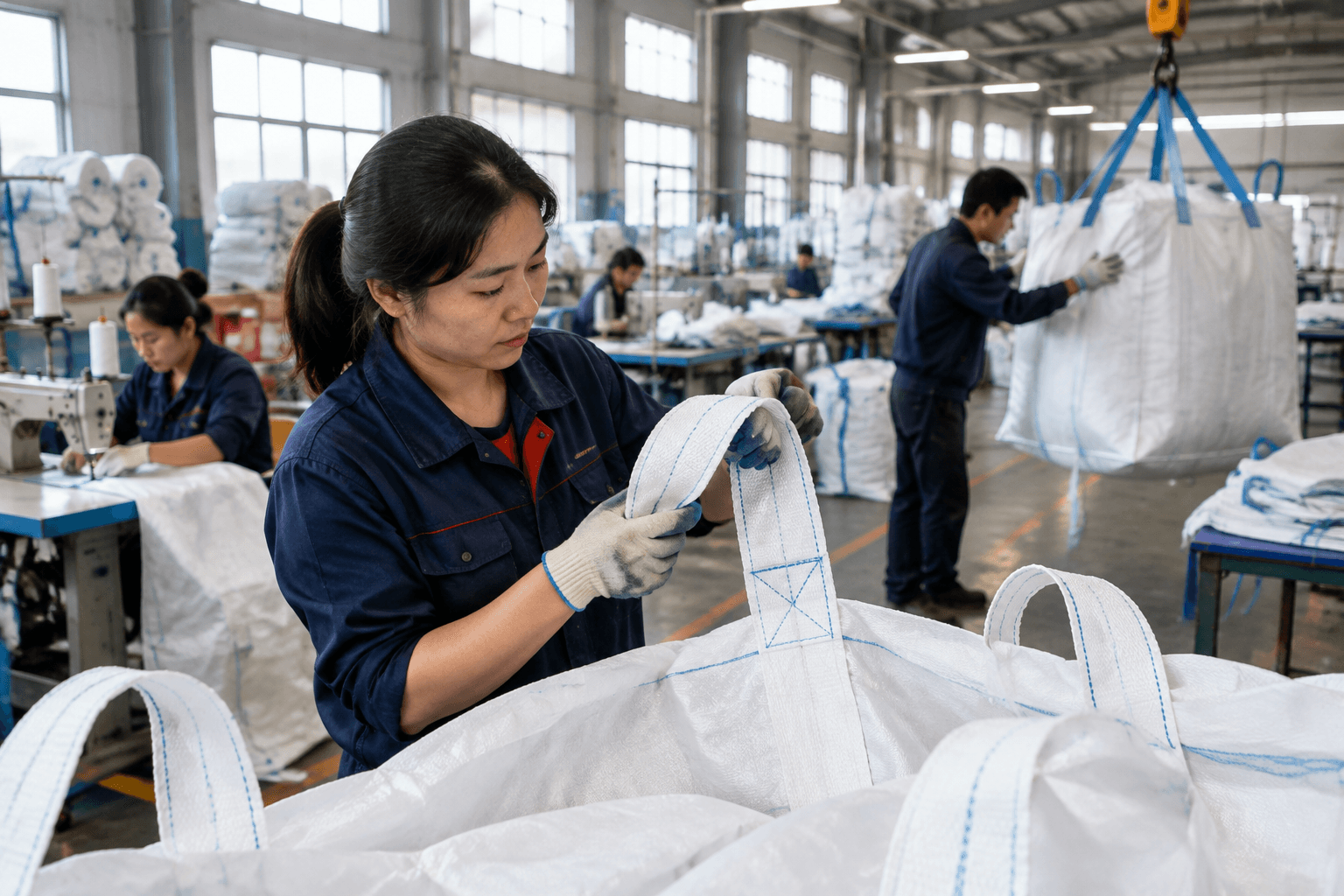
Choosing the Right Bulk Bag Manufacturer for Safer, More Efficient Operations
Learn how to specify bulk bags, evaluate manufacturers, and validate quality and supply reliability to reduce operational risk and support safer, more efficient handling.
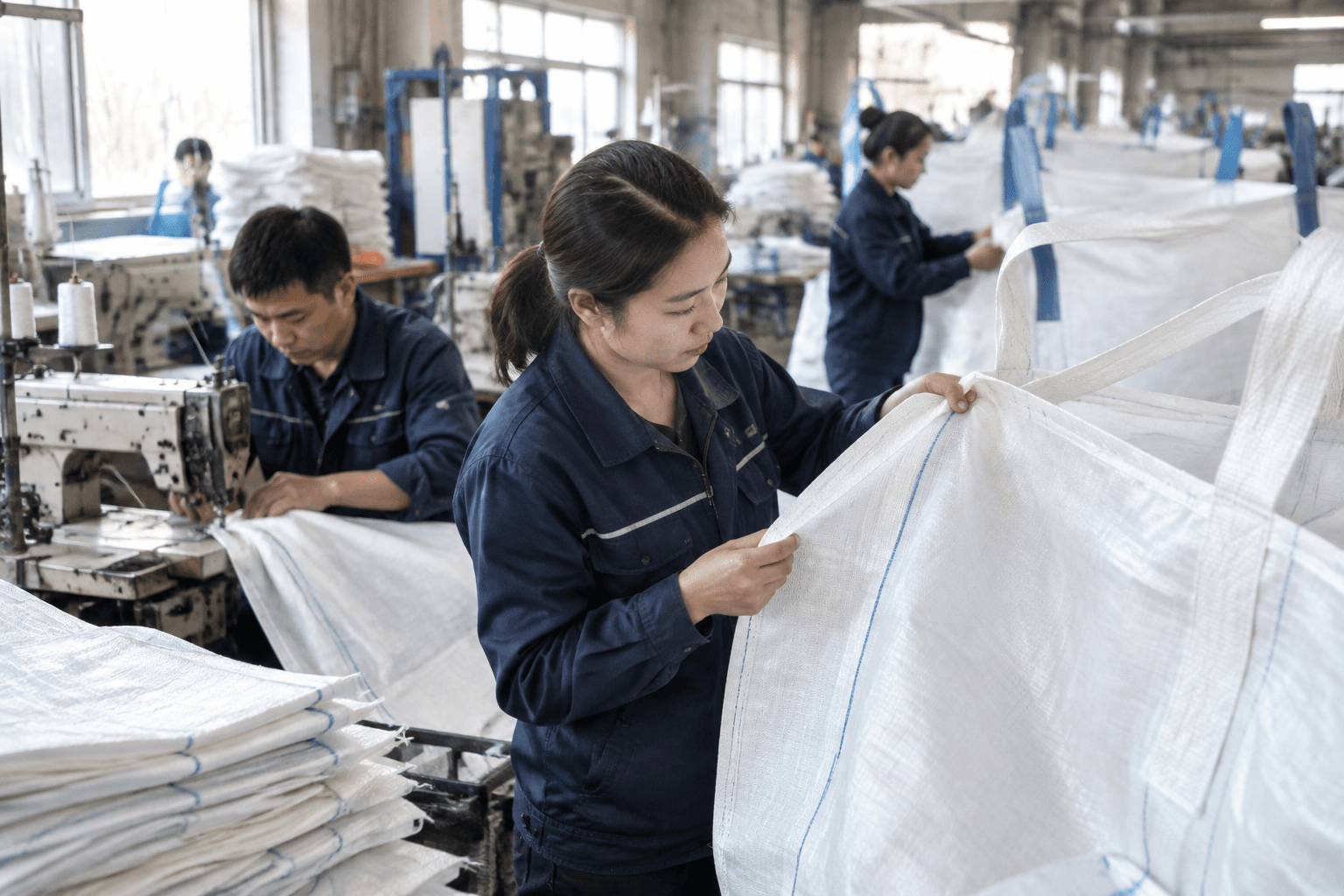
The 140th Canton Fair: New Trends in the Export Market for FIBC Bulk Bags, Jumbo Bags, and PP Woven Packaging
Explore how export buyers can evaluate FIBC bulk bags and PP woven packaging beyond unit price. Get practical guidance on specifications, supplier verification, sustainability requirements, and RFQs—and prepare your next sourcing conversation with COSEK.
Want to know more?
Get in touch with us for more information about our services and products.