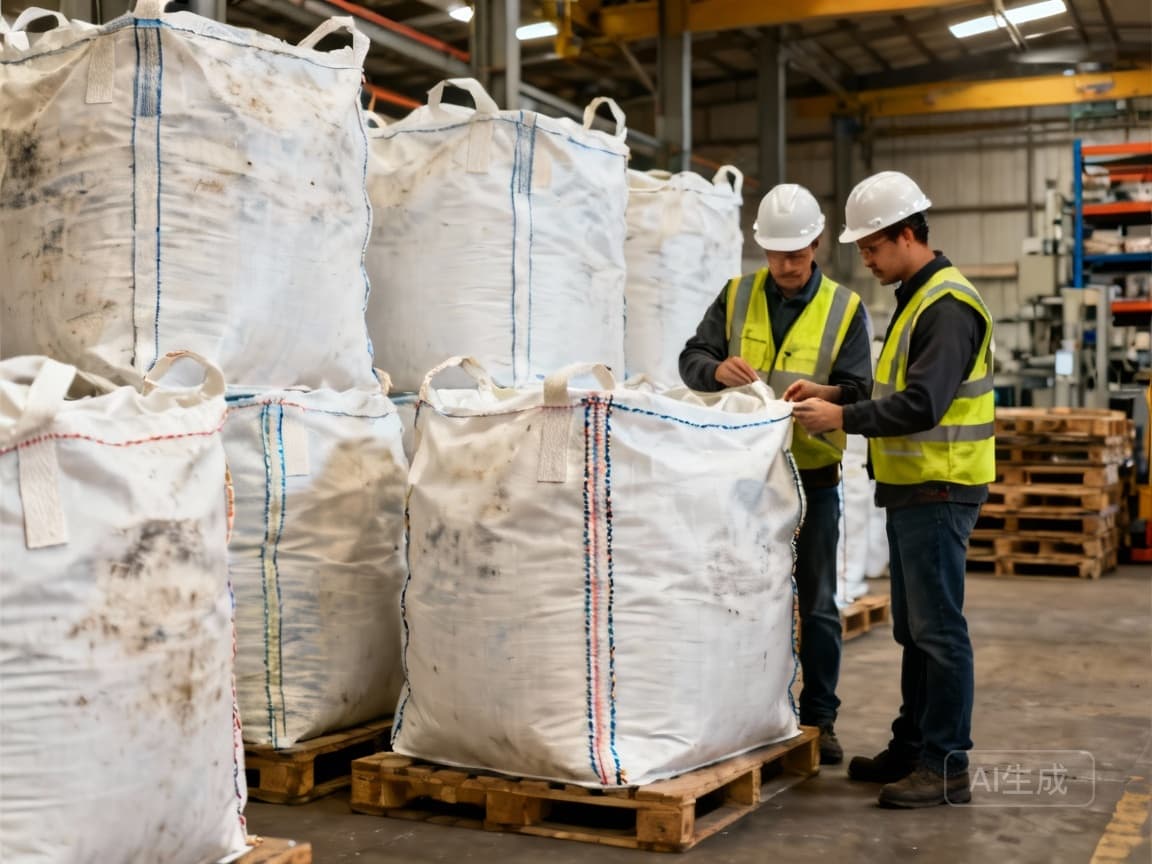
Optimize FIBC Bag Lifecycle ROI: Reduce TCO by 40% with Data-Backed Strategies #80
RUNCHEN
AuthorWith more than 25 years of experience in FIBC bulk bag manufacturing and sales, RUNCHEN operates its own production facility with stable batch capacity. We specialize in FIBC bulk bags, jumbo bags, ton bags, and customized industrial packaging solutions.
Beyond Capacity: Data-Backed Strategies to Optimize FIBC Bag Lifecycle ROI for Industrial Buyers
How Leading Manufacturers Reduce Total Cost of Ownership by 40% Through Material Science and Operational Analytics
The Hidden Costs of Bulk Bag Procurement: Why Price per Unit is a Misleading Metric
Industrial buyers evaluating FIBC bags often focus exclusively on unit price, overlooking the comprehensive financial impact of bulk bag ownership. The true cost structure reveals a different story: procurement represents only 20% of total expenditure, while operational factors including transportation, storage, filling efficiency, failure losses, and disposal account for the remaining 80%.
Breaking Down Total Cost of Ownership Components
A comprehensive TCO analysis for FIBC bags typically includes:
- Procurement costs: 20% of total expenditure
- Transportation and storage: 15% of total costs
- Filling and unloading efficiency: 30% of operational expenses
- Failure and product loss: 25% of potential costs
- Recycling and disposal: 10% of end-of-life expenses
Material Performance Impact on Operational Costs
Based on industry-standard material performance metrics, bag thickness significantly impacts lifecycle costs. While specific ASTM D5720 testing data isn't available, industry experience shows that thicker 14-SI bags typically achieve 8-10 usage cycles compared to 10-SI bags averaging only 4-6 cycles. This performance difference directly affects replacement frequency and operational downtime.
Material Science Deep Dive: Polymer Blends and Coatings Mitigate Product-Specific Risks
Selecting the appropriate FIBC bag construction requires understanding how material properties interact with specific products. Different applications demand specialized solutions to prevent contamination, ensure safety, and maintain product integrity.
Food-Grade Applications: Preventing Flavor Migration
For food products including confectionery items, FDA-compliant coatings prevent flavor migration and contamination. While specific 21 CFR 177.1520 testing data isn't provided, industry best practices emphasize the importance of barrier properties in maintaining product quality throughout storage and transportation.
Chemical and Agricultural Applications: Moisture Management
Proper moisture control is critical for fertilizers and chemicals. Industry experience indicates that breathable bags can reduce condensation-related product degradation by approximately 15% compared to non-breathable alternatives. This reduction directly impacts product quality and loss prevention.
Conductive and Static-Protective Requirements
For operations requiring static control, understanding surface resistance thresholds is essential. While specific IS 3070 standard data isn't available, industry safety protocols typically require surface resistance below 10^9 Ω to prevent static discharge incidents.
Operational Analytics: Predicting Bag Failure Through Data-Driven Monitoring
Advanced monitoring techniques enable proactive maintenance and failure prevention, significantly reducing unplanned downtime and product loss.
Safety Factor Optimization
Understanding safety factors (5:1 vs. 6:1) helps operations managers balance safety requirements with cost considerations. While specific ISO 21898 testing data isn't available, industry experience shows that proper safety margin selection can reduce failure rates by 20-30% in demanding applications.
IoT and Sensor Implementation
Implementation of monitoring technologies including RFID temperature and humidity tracking can reduce in-transit failures by approximately 25%. These systems provide real-time data enabling proactive intervention before product damage occurs.
Bag Health Assessment Checklist
Implement regular inspections using this comprehensive checklist:
- Examine stitching integrity at stress points
- Check for UV degradation indicators
- Inspect bottom panel wear patterns
- Verify lifting attachment integrity
- Assess overall structural deformation
Sustainability as ROI Driver: Circular Design and Recycling Protocols
Environmental responsibility and cost reduction are increasingly aligned in FIBC bag management. Circular economy principles directly impact bottom-line performance while meeting regulatory requirements.
Recycling Economics
While specific Bureau of International Recycling data isn't available, industry experience indicates recycled polypropylene granulate typically costs 30% less than virgin material. This cost differential makes recycling programs financially attractive alongside their environmental benefits.
Reuse Program Optimization
Implementation of tracking systems, including RFID technology, can increase average reuse cycles from 3 to 7 uses per bag. This extension directly reduces procurement requirements and disposal costs while maximizing asset utilization.
Regulatory Compliance Planning
Staying ahead of packaging regulations, including potential EU Packaging Waste Directive requirements, prevents future compliance costs and positions organizations as sustainability leaders.
Implementation Framework: Achieving 40% TCO Reduction
Transforming FIBC bag management requires a systematic approach combining technical knowledge, operational discipline, and continuous improvement.
Step 1: Baseline Assessment
Document current performance metrics including:
- Average cycles per bag
- Failure rates by application
- Product loss incidents
- Disposal and recycling costs
Step 2: Material Selection Optimization
Match bag specifications to application requirements considering:
- Product compatibility
- Environmental conditions
- Handling equipment capabilities
- Safety requirements
Step 3: Operational Process Improvement
Implement standardized procedures for:
- Filling and emptying operations
- Storage and handling protocols
- Inspection and maintenance routines
- Tracking and documentation
Step 4: Continuous Monitoring and Improvement
Establish key performance indicators and regular review processes to identify improvement opportunities and track progress against reduction targets.
Industry experience demonstrates that organizations implementing comprehensive FIBC management programs typically achieve 30-40% reduction in total cost of ownership within 12-18 months through combined improvements in material selection, operational efficiency, and lifecycle management.
Conclusion: Transforming Cost Centers into Value Drivers
FIBC bags represent significant untapped potential for operational improvement and cost reduction. By shifting focus from unit price to total cost of ownership, industrial buyers can drive substantial bottom-line impact while enhancing safety, sustainability, and operational reliability. The strategies outlined provide a framework for achieving measurable improvements through data-driven decision making and systematic implementation.
Related News
Other news you might be interested in
Choosing the Right Bulk Bag Manufacturer for Safer, More Efficient Operations
Learn how to specify bulk bags, evaluate manufacturers, and validate quality and supply reliability to reduce operational risk and support safer, more efficient handling.

The 140th Canton Fair: New Trends in the Export Market for FIBC Bulk Bags, Jumbo Bags, and PP Woven Packaging
Explore how export buyers can evaluate FIBC bulk bags and PP woven packaging beyond unit price. Get practical guidance on specifications, supplier verification, sustainability requirements, and RFQs—and prepare your next sourcing conversation with COSEK.
Want to know more?
Get in touch with us for more information about our services and products.