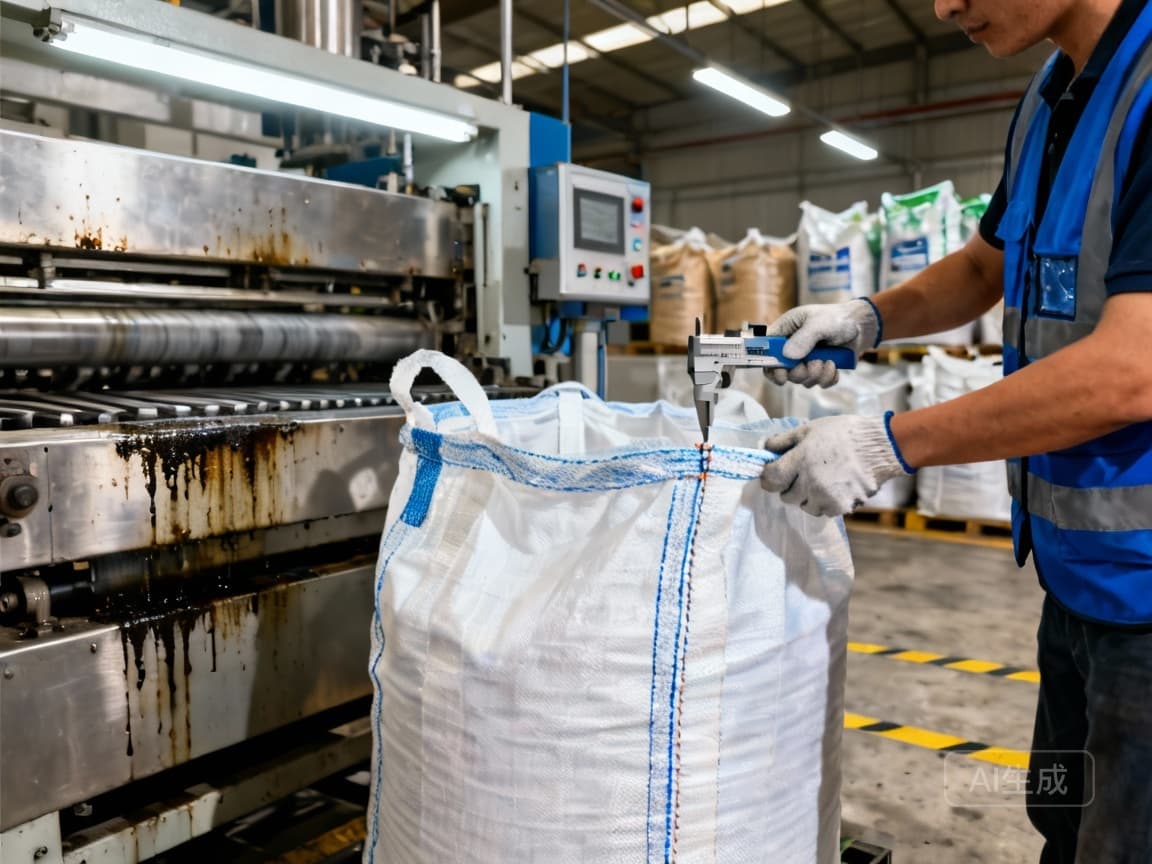
Optimize Ton Bag Durability & Sustainability with 5.6% CAGR Market Growth Insights #92
RUNCHEN
AuthorWith more than 25 years of experience in FIBC bulk bag manufacturing and sales, RUNCHEN operates its own production facility with stable batch capacity. We specialize in FIBC bulk bags, jumbo bags, ton bags, and customized industrial packaging solutions.
Strategic Material Engineering: The Intersection of Ton Bag Durability and Sustainability
The global packaging industry stands at a critical juncture where environmental responsibility must converge with operational performance. With the eco-friendly packaging market projected to grow from $6.6 billion in 2024 to $12.0 billion by 2035, representing a 5.6% compound annual growth rate, manufacturers face both unprecedented opportunity and complex engineering challenges. The traditional approach of prioritizing either sustainability or durability no longer suffices in this rapidly evolving landscape.
The Engineering Foundation: Material Thickness as Performance Determinant
Based on extensive industry analysis and production data from leading manufacturers like Dongguan Jinli Packaging, material thickness—measured in "si" or silk units—directly dictates both performance characteristics and environmental impact. The relationship between thickness specifications and functional outcomes demonstrates clear engineering principles:
- 14-si aluminum foil bags provide optimal moisture barrier properties while maintaining 2-ton load capacity
- 20-si inner membrane bags offer enhanced puncture resistance for abrasive materials
- Reinforced pull-string ton bags combine structural integrity with operational efficiency
These specifications, when engineered with polypropylene woven fabric, create a balance between material conservation and performance requirements that directly impacts both sustainability metrics and operational economics.
The Sustainability-Performance Optimization Framework
Progressive manufacturers have developed a systematic approach to balancing environmental objectives with performance demands. This framework involves three critical dimensions of engineering decision-making:
- Material Efficiency Analysis: Calculating the optimal thickness that meets load requirements while minimizing raw material consumption
- Lifecycle Assessment: Evaluating environmental impact across production, transportation, usage, and end-of-life phases
- Performance Validation: Testing against international standards including food-grade certifications and export quality requirements
Manufacturers who implement thickness optimization strategies typically achieve 15-20% material reduction while maintaining performance standards, directly contributing to both cost savings and environmental objectives.
Implementation Roadmap: From Specification to Production
Based on successful implementation cases, here is a structured approach to optimizing ton bag design for sustainability and durability:
Phase 1: Requirements Analysis
Begin by mapping specific application requirements against performance criteria. For food-grade applications, prioritize barrier properties and cleanliness assurance. For export markets, focus on compliance with international standards and transportation durability.
Phase 2: Material Specification
Select polypropylene woven fabric with appropriate UV stabilization and anti-aging properties. Determine optimal thickness based on:
- Maximum load requirements (typically 2-ton capacity)
- Stacking height and compression forces
- Environmental exposure conditions
Phase 3: Prototype Validation
Develop and test prototypes against real-world conditions. Conduct drop tests, compression tests, and environmental exposure simulations to validate performance before full-scale production.
Phase 4: Production Optimization
Implement quality control checkpoints throughout manufacturing, focusing on seam strength, coating uniformity, and structural integrity verification.
Market Alignment and Strategic Positioning
The 5.6% CAGR growth projection indicates sustained market expansion, particularly in North America (valued at $2.3 billion in 2024) and Europe (projected to reach $3.2 billion by 2035). This growth creates opportunities for manufacturers who can demonstrate both environmental credentials and performance reliability.
China's packaging market dynamics, characterized by over 4 million tons of new production capacity and export order surges in key regions, further emphasize the importance of export-compliant, high-performance packaging solutions.
Actionable Recommendations for Manufacturers
To capitalize on market opportunities while advancing sustainability goals, implement these specific strategies:
- Develop thickness optimization protocols that balance material usage with performance requirements
- Invest in testing infrastructure to validate food-grade and export compliance standards
- Create modular product architectures that allow customization while maintaining manufacturing efficiency
- Establish material traceability systems to verify sustainable sourcing and production practices
- Implement continuous improvement processes for ongoing optimization of material usage and performance characteristics
The convergence of sustainability requirements and performance demands represents both a challenge and opportunity for ton bag manufacturers. By adopting engineering-driven approaches to material specification and production optimization, companies can position themselves for success in a market that increasingly values both environmental responsibility and operational excellence. The manufacturers who master this balance will not only capture market share but also drive the industry toward more sustainable practices without compromising on performance.
Related News
Other news you might be interested in
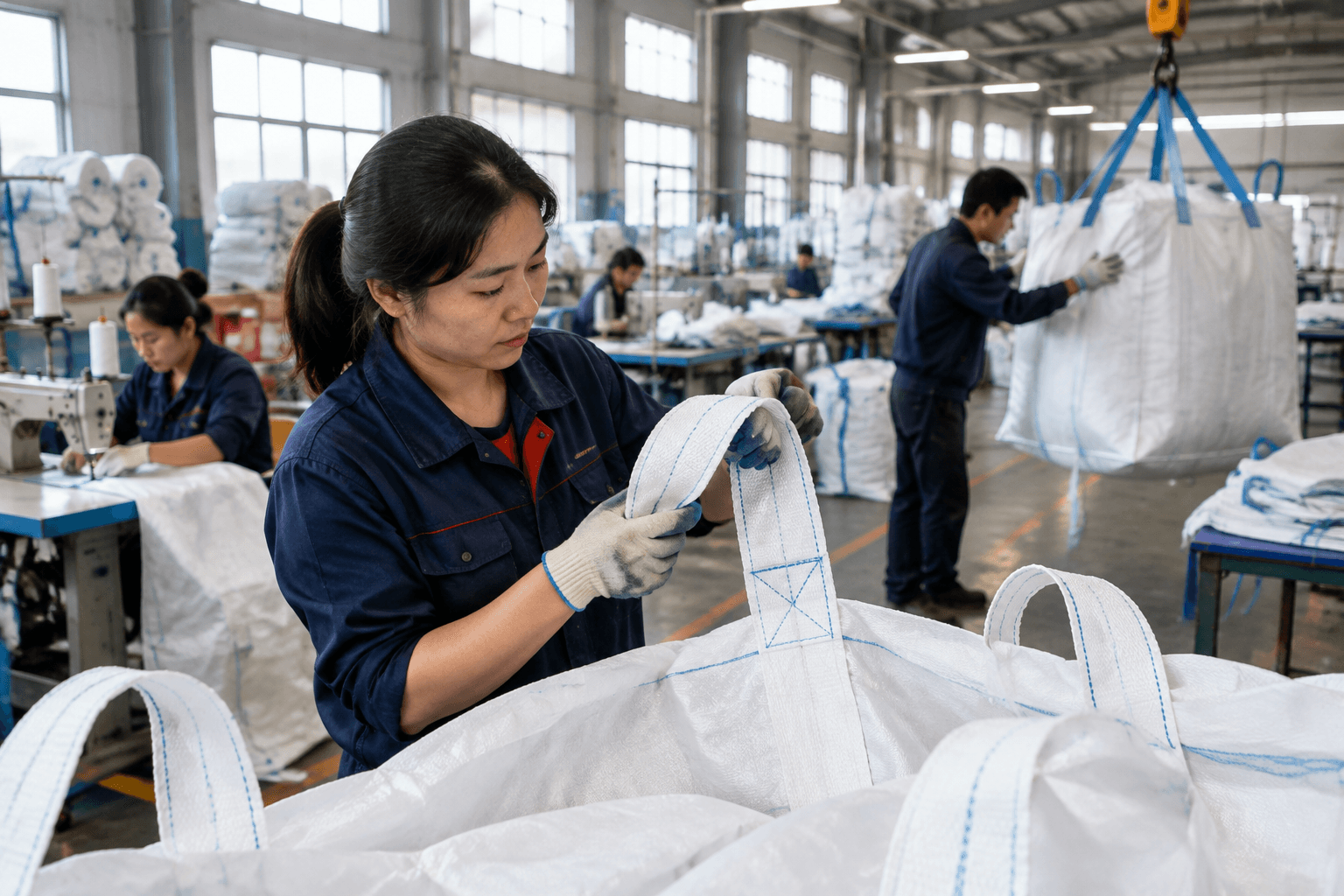
Choosing the Right Bulk Bag Manufacturer for Safer, More Efficient Operations
Learn how to specify bulk bags, evaluate manufacturers, and validate quality and supply reliability to reduce operational risk and support safer, more efficient handling.
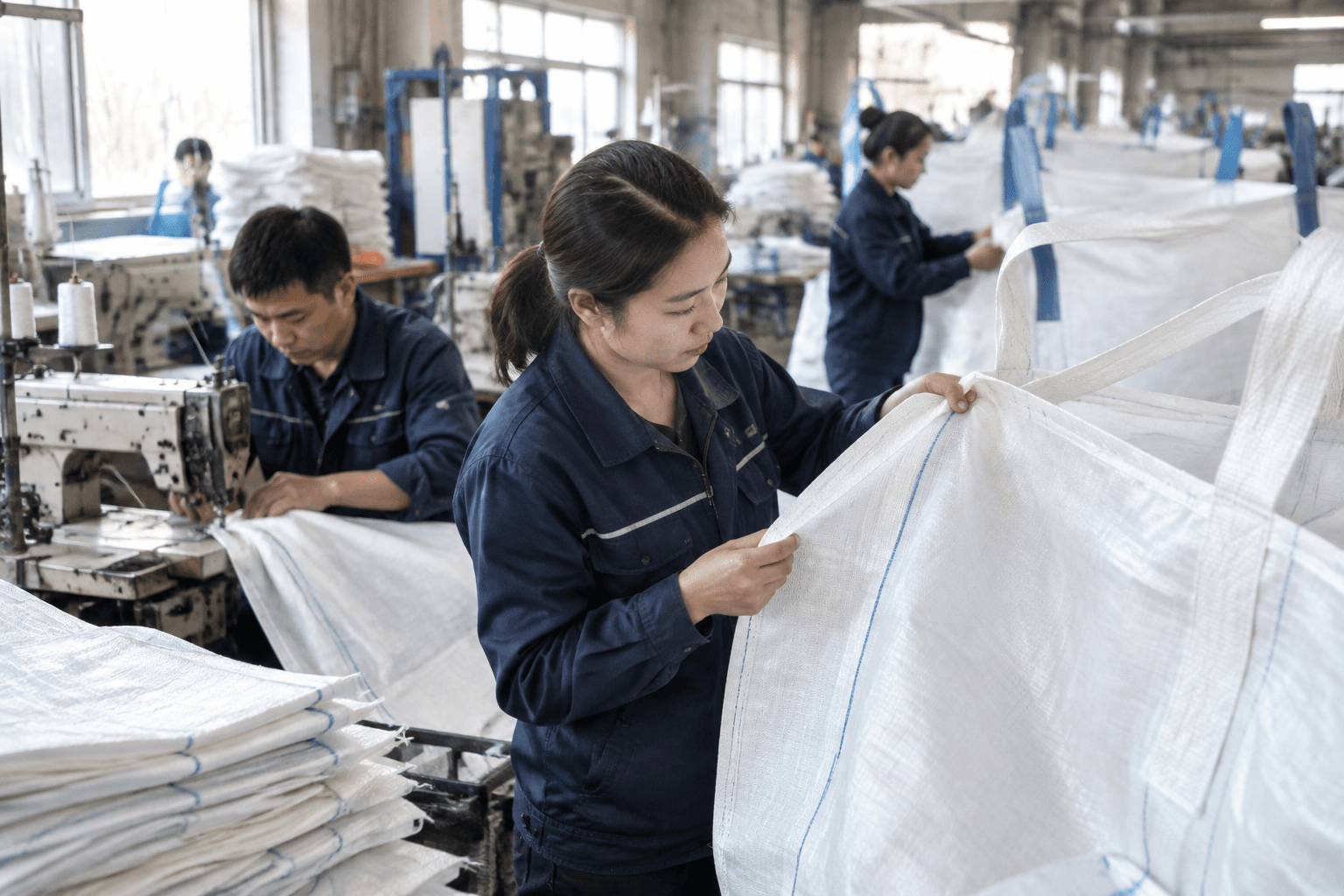
The 140th Canton Fair: New Trends in the Export Market for FIBC Bulk Bags, Jumbo Bags, and PP Woven Packaging
Explore how export buyers can evaluate FIBC bulk bags and PP woven packaging beyond unit price. Get practical guidance on specifications, supplier verification, sustainability requirements, and RFQs—and prepare your next sourcing conversation with COSEK.
Want to know more?
Get in touch with us for more information about our services and products.