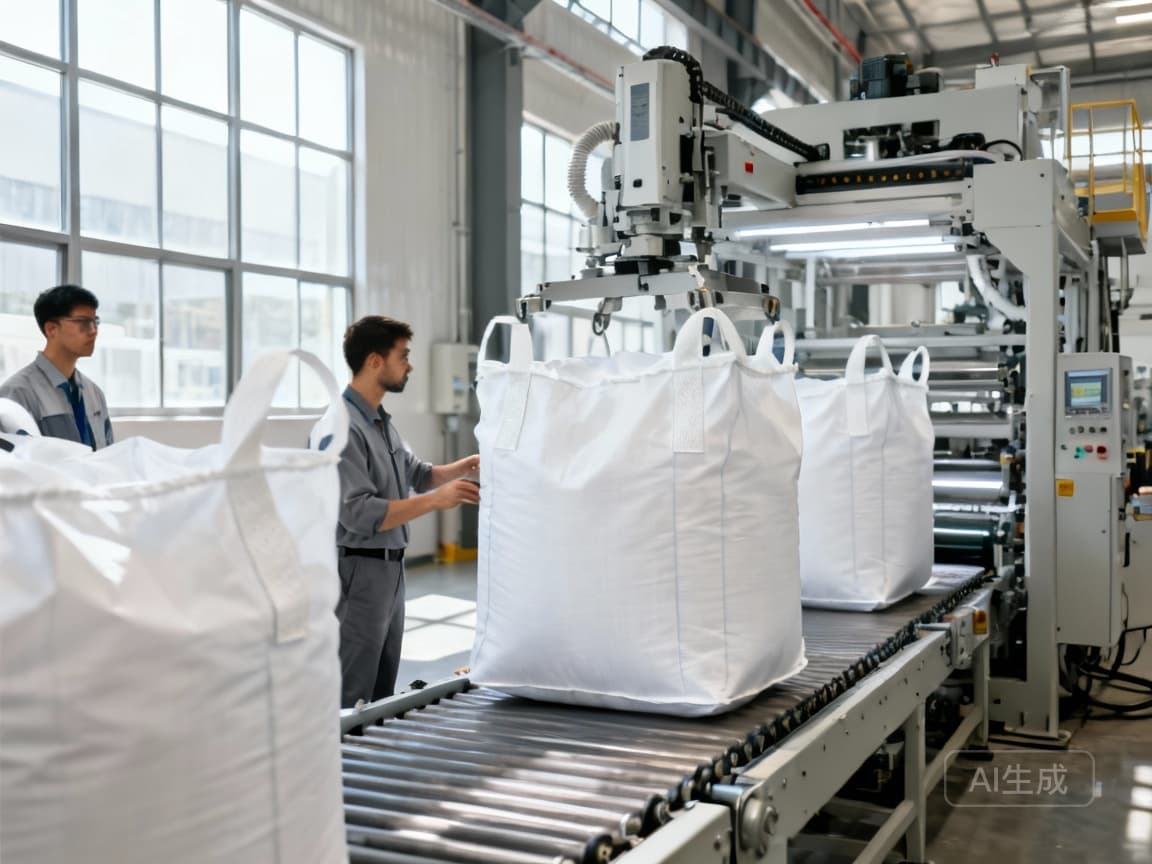
Single-Material FIBCs: Cut Waste & Boost ESG Scores by 30%
RUNCHEN
AuthorWith more than 25 years of experience in FIBC bulk bag manufacturing and sales, RUNCHEN operates its own production facility with stable batch capacity. We specialize in FIBC bulk bags, jumbo bags, ton bags, and customized industrial packaging solutions.
Single-Material FIBCs: Cut Waste & Boost ESG Scores by 30%
For industrial buyers, the bulk bag (FIBC) has long been a commodity—a cost center evaluated on price-per-unit and basic protective function. This transactional view is a strategic misstep. A fundamental shift is underway, propelled by a 7.7% CAGR in the single-material packaging market, which reached $3.94 billion in 2024. This trend represents more than a niche; it's a clarion call to reimagine the FIBC as a strategic lever for sustainable growth and supply chain resilience.
The single-material packaging market is projected to grow to $4.24 billion in 2025, driven by simplified recycling needs and increased use of high-performance recyclable films.
Forward-thinking manufacturers are no longer just selling bags; they are providing a "circular passport" for your supply chain. By adopting single-material FIBCs—typically constructed from 100% polypropylene (PP)—businesses can transform a linear "take-make-dispose" model into a closed-loop system, directly impacting Environmental, Social, and Governance (ESG) metrics. The potential for a 30% boost in relevant ESG scores is not an exaggeration but a tangible outcome of reduced waste, enhanced recyclability, and demonstrable commitment to circularity.
From Cost Center to Value Driver: The Single-Material Advantage
The value of single-material FIBCs extends far beyond basic environmental compliance. Traditional multi-material FIBCs, which may combine PP fabric with polyethylene (PE) liners or other polymers, create a recycling nightmare. These composites often end up in landfills or require costly, complex separation processes. Single-material construction eliminates this problem at the source.
This "design for recycling" philosophy delivers concrete supply chain value:
- Simplified End-of-Life Processing: Pure PP FIBCs are readily accepted by recycling streams, drastically reducing waste management costs and landfill fees.
- Reduced Compliance Risk: Aligns with increasingly stringent global extended producer responsibility (EPR) regulations and brand-led green procurement policies.
- Enhanced Brand Narrative: Provides a verifiable story for your customers, showcasing a commitment to sustainable sourcing from raw material to final shipment.
The success of companies like Trust Group—a packaging "invisible champion" behind major brands—demonstrates that deep, solution-oriented partnerships are key. Similarly, a FIBC supplier should act as a strategic advisor, helping you audit material flows and redesign components like bulk bag liners for mono-material compatibility, turning a sustainability challenge into a operational advantage.
Building Your FIBC Circular Roadmap: A Practical Guide
Transitioning to a circular FIBC model requires a structured approach. Here is a practical, three-step roadmap developed from industry implementation experience.
Step 1: Conduct a Comprehensive Material Audit
Begin by mapping your current FIBC usage. Analyze the material composition of your bags and liners, and trace their end-of-life destiny. This audit will quantify your waste footprint and establish a baseline for improvement, providing critical data for internal ESG reporting.
Step 2: Collaborate on "Design for Circularity"
Engage with FIBC manufacturers who offer co-development services. The goal is to standardize on a single polymer type without compromising performance. This mirrors the strategy of Tech-Long, which invested 3-5% of revenue into R&D to fill technological gaps and meet localized production needs. For FIBCs, innovation might focus on developing pure PP fabrics with the necessary barrier properties or creating easy-separate, mono-material liner solutions.
Step 3: Establish a Closed-Loop Partner Ecosystem
The final, critical step is securing a reliable end-of-life pathway. Leading manufacturers are now proactively building partnerships with recycling specialists and regenerated pellet producers. Inspired by Tech-Long's establishment of local subsidiaries to serve regional markets, a FIBC provider can facilitate a take-back program or connect you with certified processors, ensuring your used bags are truly cycled back into new products.
Recalculating ROI: The New Value Equation for FIBCs
The return on investment for single-material, circular FIBCs must be calculated on a new, strategic balance sheet. Move beyond purchase price to consider total value creation:
- Cost Avoidance: Quantify savings from reduced landfill taxes, lower waste handling fees, and minimized compliance penalties.
- ESG Premium: Assign value to improved sustainability ratings, which increasingly influence investor decisions, customer preferences, and market access.
- Revenue Opportunity: Factor in the potential to win new business from clients with strict green supply chain mandates.
Imagine a joint initiative where a food brand, its FIBC supplier, and a recycler partner to transform used bulk bags into durable consumer products. This creates a powerful, marketable case study that validates your entire supply chain's commitment to innovation.
The era of the FIBC as a passive container is over. By treating your bulk bag supplier as a circular economy strategic partner, you unlock a powerful tool for waste reduction, ESG excellence, and resilient, future-proof operations. The data is clear, the path is proven, and the competitive advantage awaits.
Related News
Other news you might be interested in
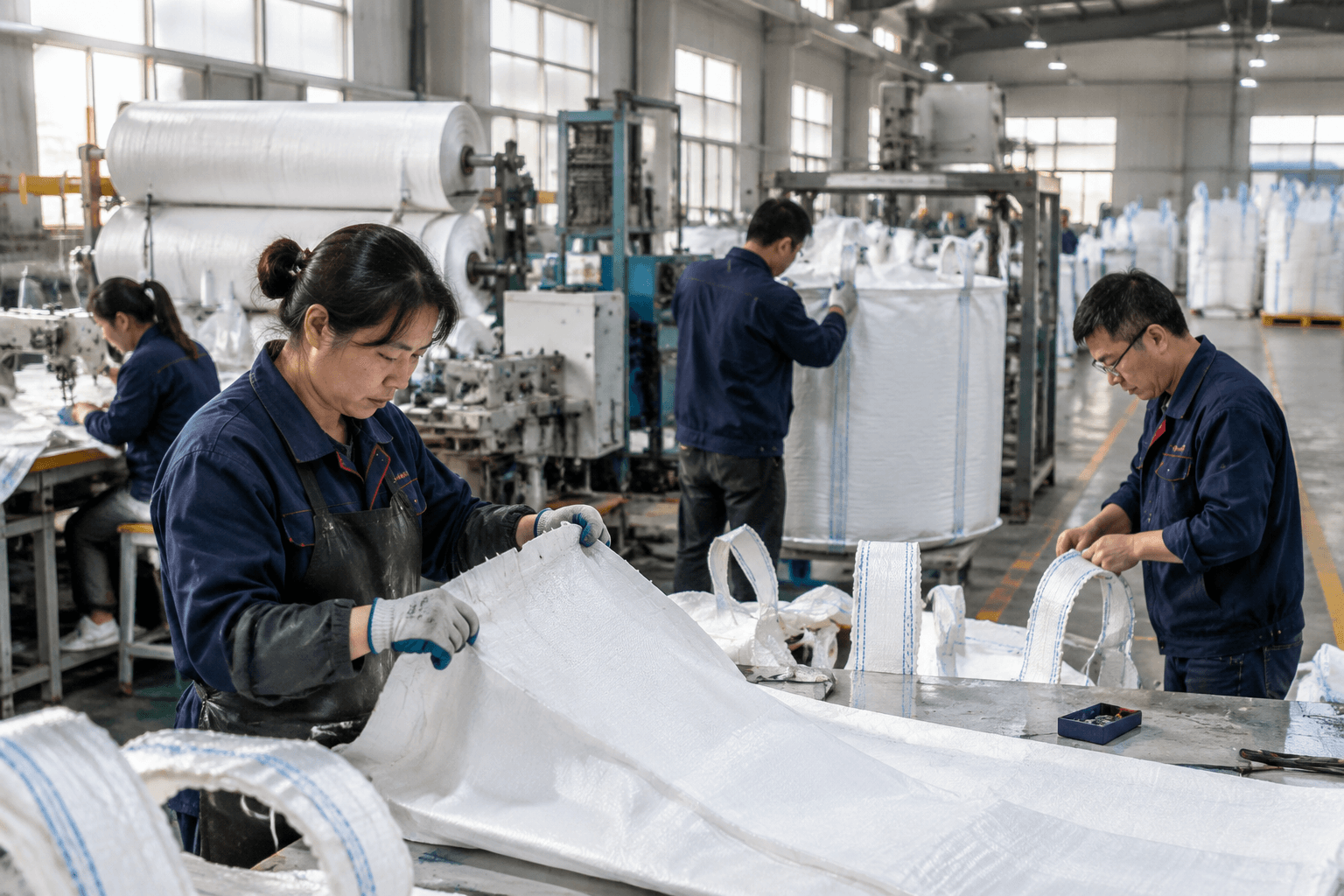
Choosing the Right FIBC Bulk Bag Manufacturing Partner for Reliable, Efficient Packaging Operations
Evaluate FIBC suppliers by application fit, quality control, automation compatibility, traceability, and total cost to improve containment, throughput, compliance, and supply reliability.
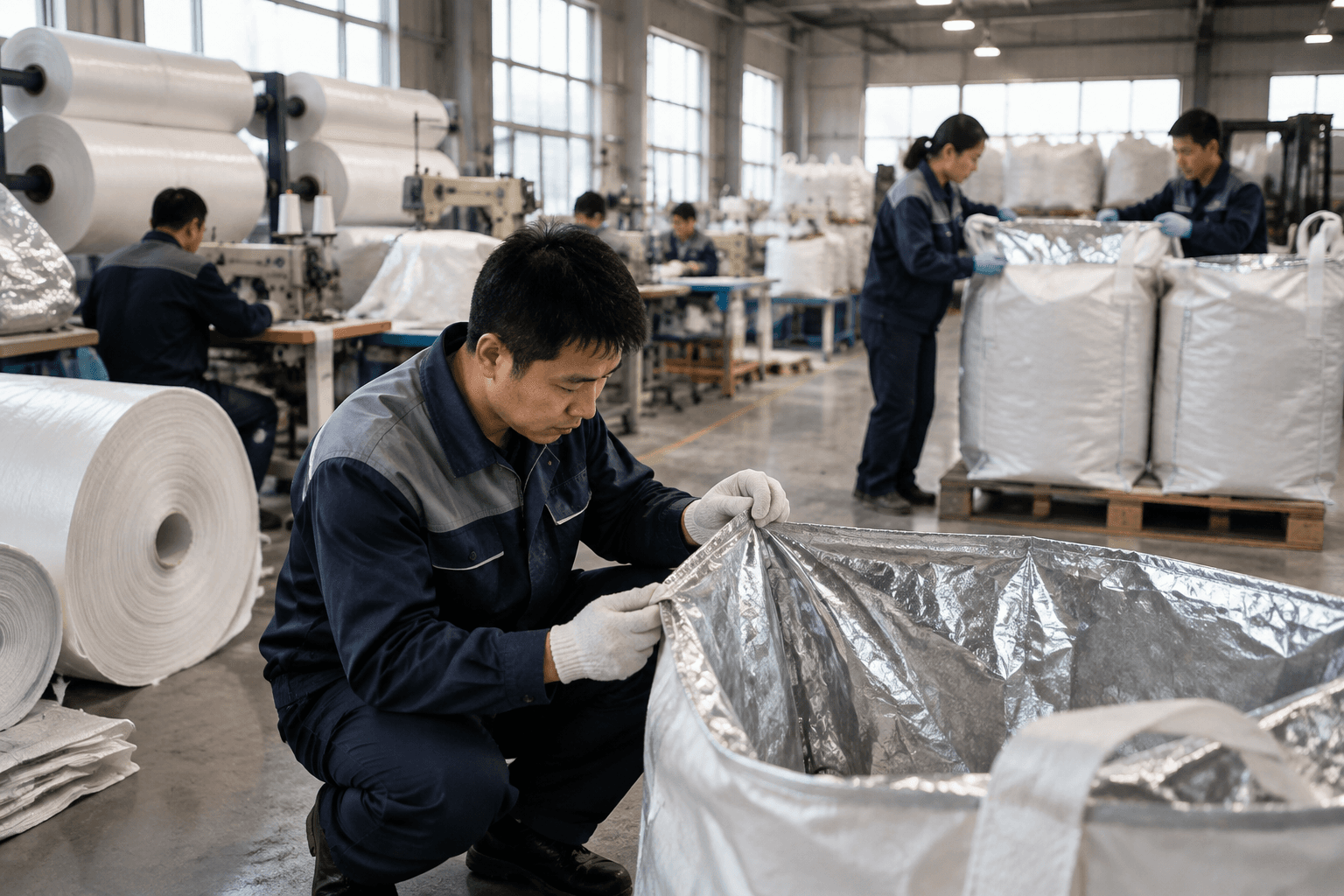
Engineered Ton Bags for Zero-Defect Packaging: Conductive, Formed Liner, and Aluminum Foil Solutions
Discover how conductive ton bags, formed liner bags, and aluminum foil bags eliminate static risk, liner failures, and moisture damage. Request a free packaging assessment and ROI projection.
Want to know more?
Get in touch with us for more information about our services and products.