Stop 30% Loss: How FIBCs Protect High-Value Cargo Like $5K/Ton Seaweed Fertilizer #99
RUNCHEN
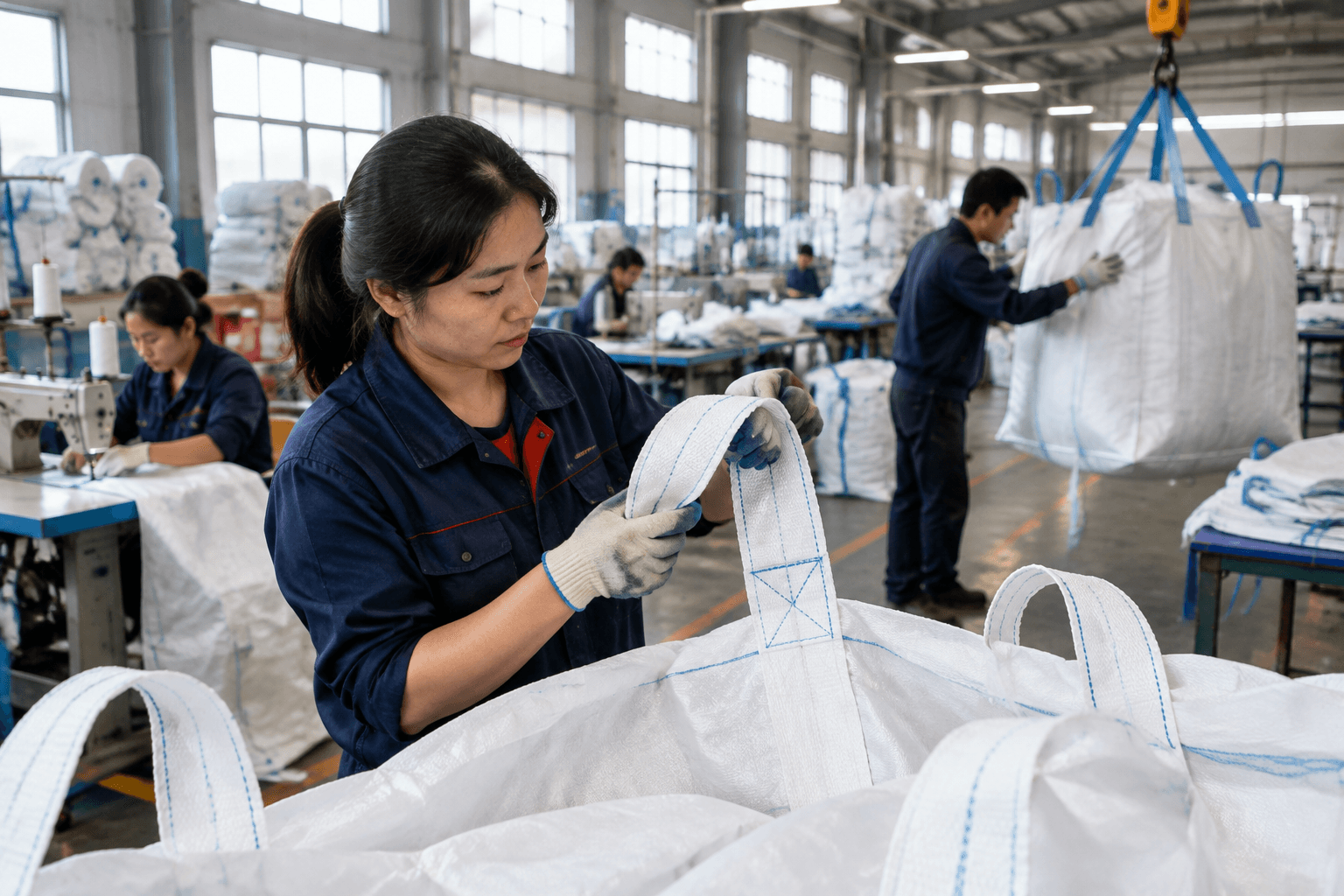
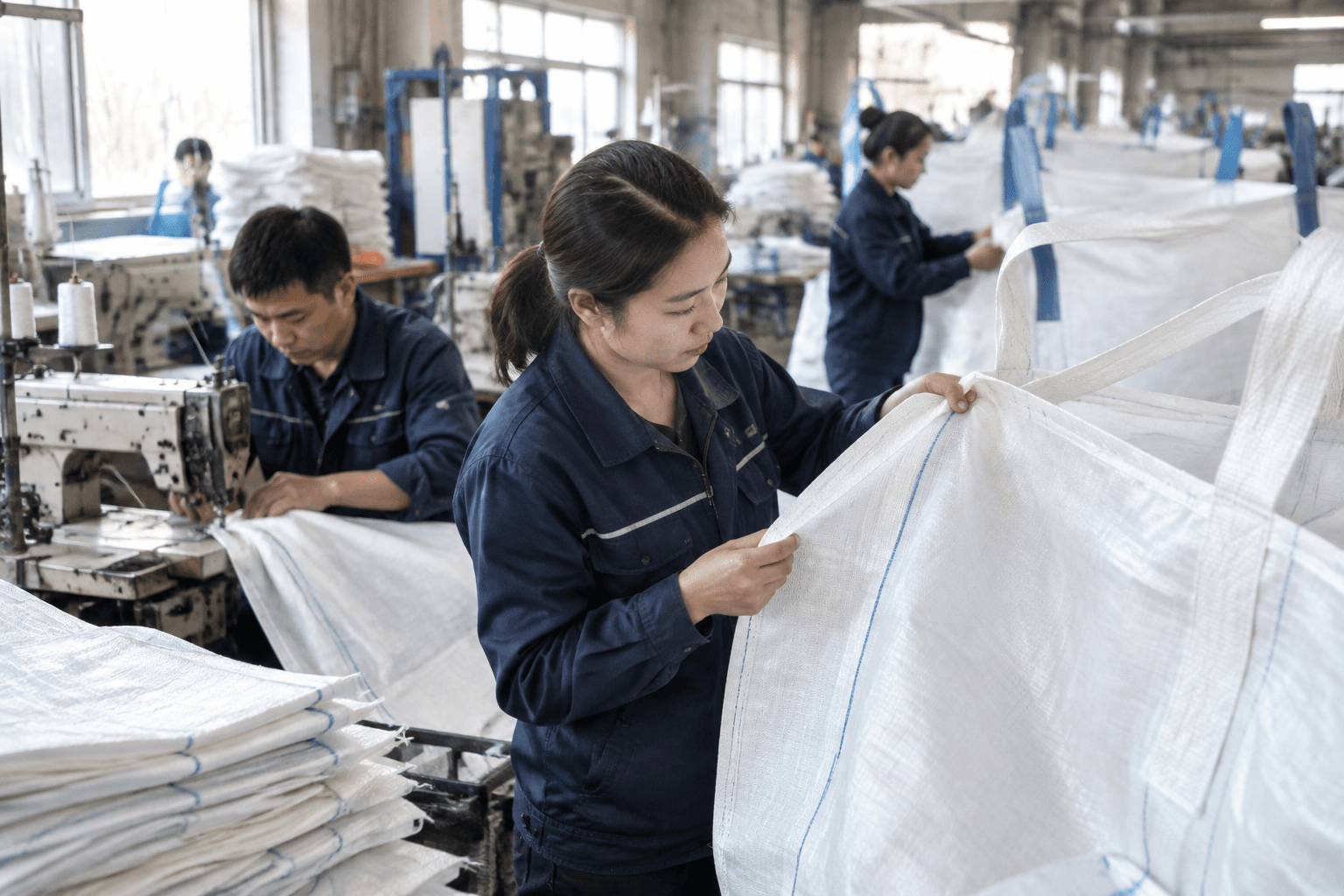
AuthorWith more than 25 years of experience in FIBC bulk bag manufacturing and sales, RUNCHEN operates its own production facility with stable batch capacity. We specialize in FIBC bulk bags, jumbo bags, ton bags, and customized industrial packaging solutions.
Stop 30% Loss: How FIBCs Protect High-Value Cargo Like $5K/Ton Seaweed Fertilizer
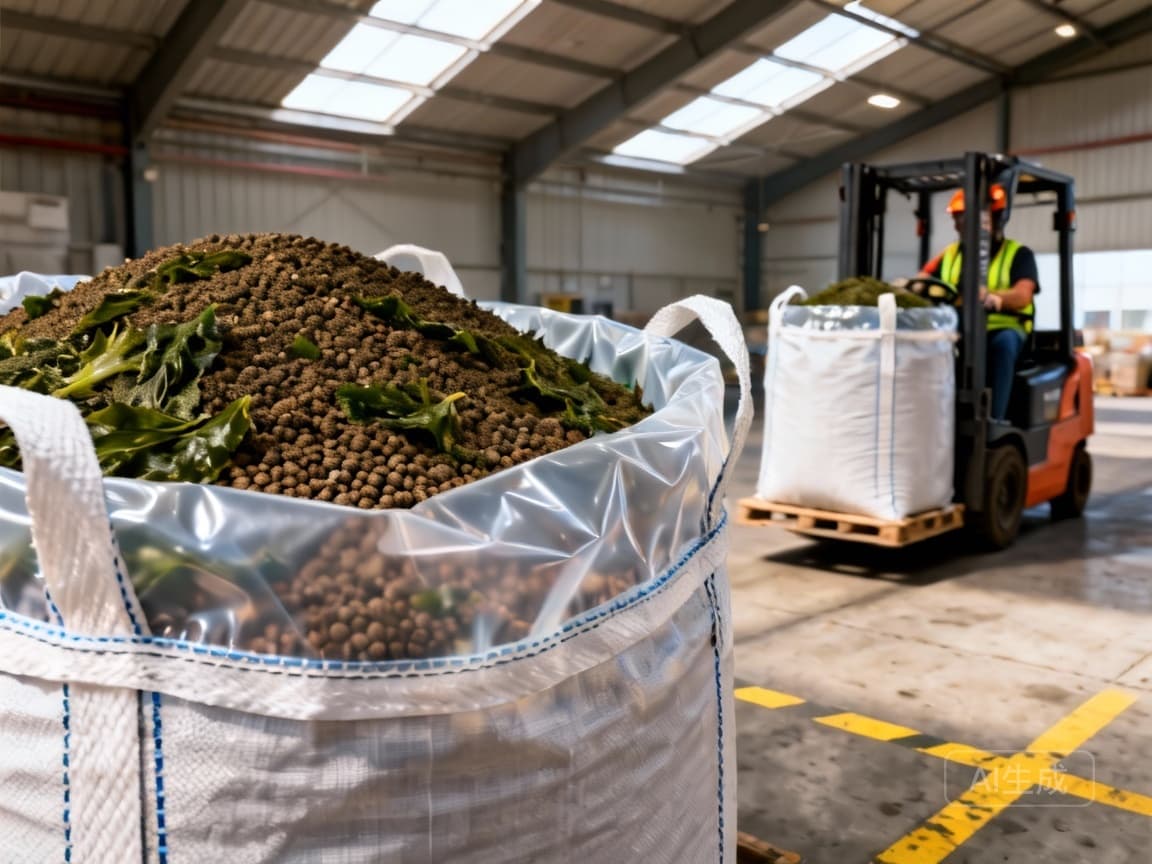
Imagine a container of premium, sustainably sourced seaweed fertilizer, valued at over $500,000, arriving at its destination only to be rejected. The cause? Moisture ingress during transit has caused the product to solidify into unusable clumps. This scenario is not hypothetical; it's a multi-million dollar risk that high-value bulk producers face daily. For products like seaweed fertilizer, which commands an average market price of approximately $5,000 per ton, packaging is not a mere consumable cost—it is the first and most critical line of defense in your supply chain. This article shifts the perspective from viewing Flexible Intermediate Bulk Containers (FIBCs or bulk bags) as a simple expense to recognizing them as a strategic value-preservation and risk management tool. We will explore how engineered FIBC solutions directly protect profitability by quantifying hidden costs and providing actionable frameworks for procurement and supply chain professionals.
The High-Stakes Reality: Quantifying the Risk for Premium Products
The global market for seaweed-based fertilizers, a sector valued for its organic and sustainable properties, reached an estimated 54.3 million tons in 2024. With its high value, the margin for error in handling and transport is razor-thin. The core challenge lies in the dramatic disparity between product value and packaging cost. Investing in a standard bulk bag might seem economically prudent on a spreadsheet, but this logic collapses when a single failure can wipe out the value of an entire shipment.
The risks are multifaceted and financially material:
- Moisture Damage: Humidity and condensation during sea or land transport can lead to product degradation, caking, and total loss.
- Micro-Leakage: Fine powders, a common form for high-value additives, can seep through stitch holes and seams, resulting in continuous product loss, cargo contamination, and potential safety or regulatory violations.
- Structural Failure: Improper design can lead to bag distortion or rupture during handling, causing spillage and operational delays.
For a high-margin product like seaweed fertilizer, packaging is not an overhead; it's product insurance. A failure here doesn't just mean replacing a bag—it means writing off tens of thousands of dollars in finished goods and eroding hard-earned customer trust.
Beyond the Price Tag: The True Cost of a "Cheap" Bag
Procurement decisions based solely on unit price ignore the profound impact of packaging on Total Cost of Ownership (TCO). Two critical, often hidden, costs are space utilization and product loss.
The "Bulging Bag" Problem: A 30% Tax on Your Logistics
Consider the experience of Suzhou Xingchen New Material Group Co., Ltd. Their FIBCs exhibited severe bulging—known as the "drum belly" phenomenon—after filling. This distortion is not just an aesthetic issue; it is a direct engineering failure with severe financial consequences. A bulging bag consumes significantly more space than a designed cubic capacity.
This inefficiency can lead to a 30% waste of shipping and storage space. In practical terms, this means fewer tons shipped per container, more containers needed per order, and higher warehousing costs. The engineering solution, as implemented by Xingchen, was an internal baffle (or inner loop) design. By sewing reinforced straps inside the bag's corners and using stiffer, thickened PP materials, the bag maintains a straight, cubic shape after filling. The result was a 30% reduction in transportation costs and optimized warehouse space—savings that flow directly to the bottom line, far outweighing the marginal increase in bag cost.
From Risk Source to Protective Shield: The Multi-Layer Defense System
For moisture-sensitive, high-value products, a single-layer bag is a liability. Modern FIBC engineering employs a systematic, multi-barrier approach akin to a risk management protocol. The solution provided to Xingchen Group for their high-value products exemplifies this:
- Primary Moisture Barrier (Liner): A separate polyethylene (PE) liner bag acts as the main hermetic seal against humidity and vapor.
- Leakage Prevention at Seams (Seal): Anti-leakage cotton tape is integrated into all stitching lines, sealing the most vulnerable points where fine particles escape.
- Structural Integrity Layer (Shell): The main PP woven body, often with reinforced lifting loops and baffles, provides physical strength for safe handling and stacking, protecting the inner barriers.
- Environmental Shield (Coating): An exterior lamination or coating provides an additional layer of protection against external splash, rain, or exceptionally damp storage conditions.
This integrated system transforms the FIBC from a potential "risk source" into a reliable "protective shield." The ROI is clear: for seaweed fertilizer producers, such a design has been shown to reduce product loss by up to 30%, directly preserving product value and enhancing supply chain resilience.
An Actionable Framework: Evaluating Your FIBC as a Strategic Asset
Moving from awareness to action requires a structured evaluation. Procurement and supply chain managers must partner with FIBC providers who offer engineering expertise, not just manufacturing capacity. Use this checklist to assess your current strategy and guide conversations with suppliers:
1. Product and Risk Profiling
- What is the exact value per ton of your shipped product? (This defines your risk tolerance).
- What are the specific material properties (hygroscopicity, particle size, density)?
- What are the critical threats in your logistics chain (maritime humidity, large temperature swings causing condensation, multiple handlings)?
2. FIBC Specification Audit
- Design: Is an inner baffle structure needed to guarantee cubic shape and maximize space utilization?
- Materials: Is the base fabric weight and UV stabilization sufficient? Is a PE liner mandatory?
- Safety & Compliance: Does the bag and its fittings meet the required safety factors (e.g., 5:1 or 6:1) for your filling weight? Are certifications (e.g., UN for hazardous materials) needed?
3. Total Cost of Ownership (TCO) Calculation
Model the true cost by looking beyond the purchase order:
- A. Purchase Price: Cost per bag.
- B. Logistics Efficiency Cost: Cost of space wasted due to bag deformation. (Reference: Potential 30% transport cost penalty).
- C. Product Loss Cost: Value of product lost to leakage, contamination, or moisture damage. (Reference: Potential 30% product loss).
- D. Handling & Disposal Cost: Labor for handling non-standard shapes, cost of disposal or recycling.
An engineered bag that adds 10% to cost (A) but eliminates penalties in (B) and (C) delivers exponential ROI.
Conclusion: Packaging as a Pillar of Supply Chain Resilience
The data and cases are unequivocal. In industries dealing with high-value bulk materials, from premium fertilizers to specialty chemicals and food additives, packaging is a strategic engineering discipline. The choice of FIBC directly influences logistics costs, product integrity, and brand reputation. The question is no longer "how much does the bag cost?" but rather "what is the cost of the bag failing?"
By quantifying hidden losses, understanding multi-layer barrier technology, and applying a rigorous TCO framework, businesses can transform their bulk packaging from a cost center into a demonstrable value-preservation center. The imperative is to collaborate with FIBC partners who speak the language of engineering and risk management, ensuring your packaging is a definitive shield, never a source of risk.
Related News
Other news you might be interested in
Choosing the Right Bulk Bag Manufacturer for Safer, More Efficient Operations
Learn how to specify bulk bags, evaluate manufacturers, and validate quality and supply reliability to reduce operational risk and support safer, more efficient handling.
The 140th Canton Fair: New Trends in the Export Market for FIBC Bulk Bags, Jumbo Bags, and PP Woven Packaging
Explore how export buyers can evaluate FIBC bulk bags and PP woven packaging beyond unit price. Get practical guidance on specifications, supplier verification, sustainability requirements, and RFQs—and prepare your next sourcing conversation with COSEK.
Want to know more?
Get in touch with us for more information about our services and products.