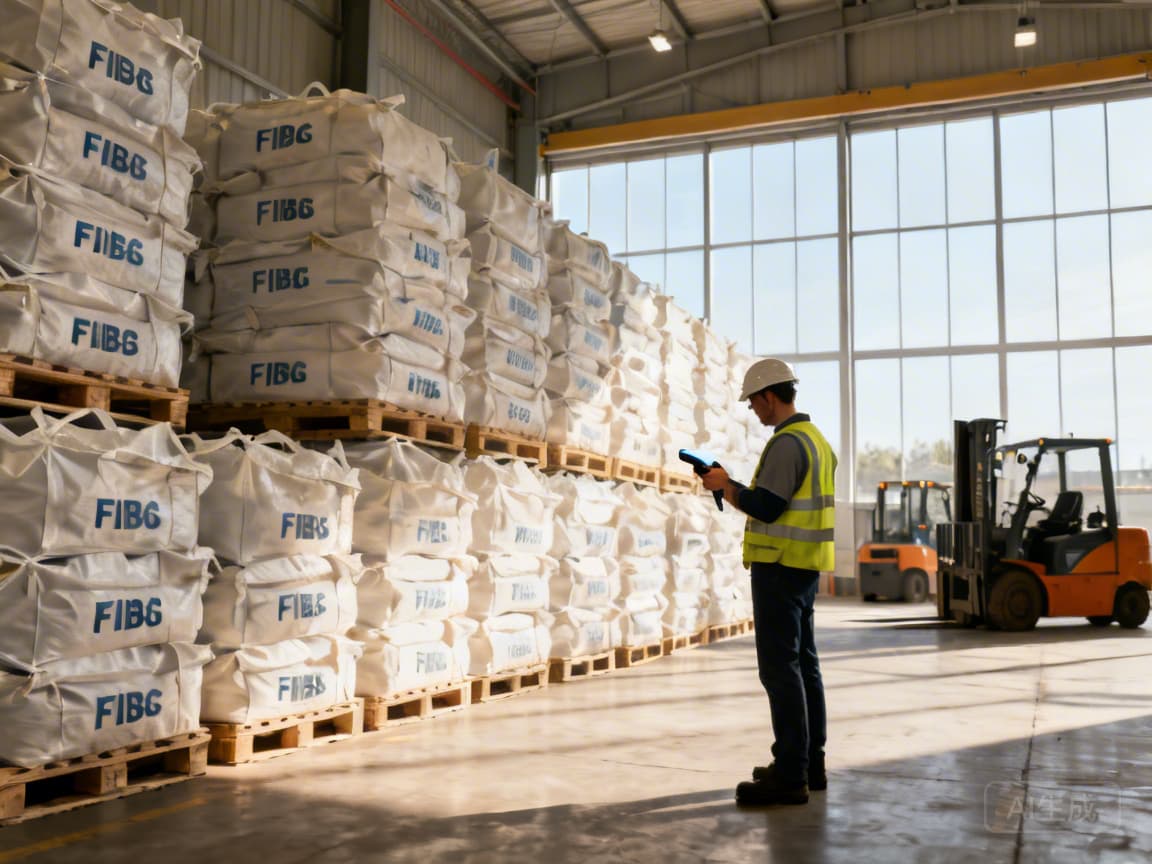
Strategic FIBCs: Cut Emergency Lead Times by 40% & Boost Supply Chain Agility

RUNCHEN
AuthorWith more than 25 years of experience in FIBC bulk bag manufacturing and sales, RUNCHEN operates its own production facility with stable batch capacity. We specialize in FIBC bulk bags, jumbo bags, ton bags, and customized industrial packaging solutions.
Strategic FIBCs: Cut Emergency Lead Times by 40% & Boost Supply Chain Agility
In 2024, the packaging market experienced significant volatility, with a notable surge in export orders driving a fourth-quarter upswing. This pattern reveals a new normal for modern supply chains: constant uncertainty. For businesses relying on Flexible Intermediate Bulk Containers (FIBCs or bulk bags), a critical question emerges: when demand spikes unpredictably, is your packaging inventory a strategic asset or a critical bottleneck? Moving beyond viewing FIBCs as mere cost items, forward-thinking companies are now leveraging them as dynamic tools to build resilience. By adopting a strategic approach, businesses can transform their bulk bag management from a source of rigidity into a driver of agility, potentially reducing emergency lead times by 40% or more.
The Rigidity Trap: Traditional FIBC Management's Hidden Cost
Conventional FIBC procurement often prioritizes unit cost over total system efficiency. This leads to a cycle of rigidity characterized by long, inflexible procurement cycles, a proliferation of non-standardized SKUs, and exorbitant costs for emergency orders. The result is production delays, missed delivery windows, and eroded customer trust. In a market projected to surpass one trillion RMB by 2025 and driven by trends like export volatility, this passive approach is a significant competitive vulnerability. The packaging industry's shift toward high-end, diversified, and green solutions isn't just a trend—it's a mandate for operational transformation, starting with foundational assets like bulk bags.
Case in Point: Localizing for Responsiveness
The strategic importance of proximity and flexibility is underscored by cross-industry examples. Packaging machinery leader Tech-Long, for instance, successfully expanded into non-beverage sectors and established a subsidiary in the United States to drive brand internationalization and localize marketing and service. This "localized operation" logic applies directly to FIBC strategy. Having a supplier with regional service networks or partnered warehouses near your key operations is no longer a luxury; it's a prerequisite for rapid response in the face of supply chain disruptions or sudden demand changes.
Building an Agile FIBC Asset Portfolio: A Three-Pillar Framework
To convert bulk bags from cost centers into resilience engines, companies must implement a strategic framework focused on standardization, visibility, and partnership.
1. Standardization & Modular Design
The first step is to rationalize SKU complexity. Work with your FIBC provider to develop a core set of standardized bag sizes and specifications that can serve multiple product lines. Complement this with a modular design approach, utilizing a base bag body with interchangeable components like spouts, liners, and lifting loops. This allows for rapid adaptation to different materials without maintaining excessive, specialized inventory, slashing the time needed to fulfill non-standard or emergency requests.
2. Data-Driven Inventory & Visibility
Agility is impossible without visibility. Move from periodic manual counts to a shared, real-time inventory dashboard. By implementing trackable assets (such as barcoded or RFID-tagged bags) and integrating data with your FIBC supplier, you enable proactive replenishment and intelligent allocation. This shared visibility turns bulk bags into managed, flowing assets, preventing stock-outs at critical moments and optimizing the total number of bags in circulation.
3. Strategic Partnership with Defined Protocols
Treat your FIBC supplier as a strategic partner in risk mitigation. Formalize this relationship by moving beyond transactional purchase orders to agreements that include clear performance protocols. Crucially, establish a Service Level Agreement (SLA) for emergency response. Define guaranteed maximum response times (MRT) for urgent orders and agree on safety stock levels (minimum stock units, or MSU) held at the supplier or a regional hub. This transforms your supplier's capability into a predictable extension of your own warehouse.
Actionable Roadmap for Immediate Implementation
Transforming your FIBC strategy doesn't require a complete overnight overhaul. Start with these concrete steps:
- Conduct a SKU Rationalization Audit: Analyze your last 12 months of FIBC purchases. Identify opportunities to consolidate 2-3 core specifications that could cover 80% of your volume.
- Initiate a Strategic Supplier Dialogue: Schedule a meeting with your FIBC provider focused not on price, but on resilience. Discuss their capacity for modular design, regional stocking, and formalize emergency response protocols.
- Pilot a Visibility Project: Select one production line or facility for a pilot program implementing tracked bags and a simple shared inventory spreadsheet with your supplier. Measure the impact on time spent locating assets and emergency order fulfillment speed.
"Globalization and internationalization require a foundation of open, inclusive, and innovative culture," as evidenced by Tech-Long's expansion experience. This mindset is equally vital in building agile, collaborative supply chain partnerships.
Conclusion: The FIBC as a Strategic Liquidity Asset
The trajectory of the packaging market toward greater value and sustainability is clear. In this context, competitive advantage will be determined not just by the quality of the product, but by the agility of the supply chain that supports it. A strategically managed FIBC program acts as a "shock absorber" and "accelerator," enabling businesses to navigate volatility, seize market opportunities, and support broader ESG goals—as seen in momo's extensive CSR integration with its 10,000 suppliers. By reallocating investment from simple cost-saving to strategic resilience building, companies can unlock significant, measurable value, turning their bulk bag strategy into a true source of supply chain strength.
Related News
Other news you might be interested in

How to Choose the Right FIBC Bulk Bag for Safer, More Efficient Industrial Packaging
Choose an FIBC bulk bag by matching its construction to your product, handling process, compliance needs, and destination. Use technical review, pilot testing, and total-cost analysis to reduce risk.

Sustainable Bulk Packaging Strategies for the Modern Manufacturing Era
Discover how high-performance FIBC bulk bags reduce packaging waste, prevent product loss, and improve sustainability metrics. Learn key features, real-world results, and a step-by-step implementation roadmap to optimize your bulk packaging strategy.
Want to know more?
Get in touch with us for more information about our services and products.