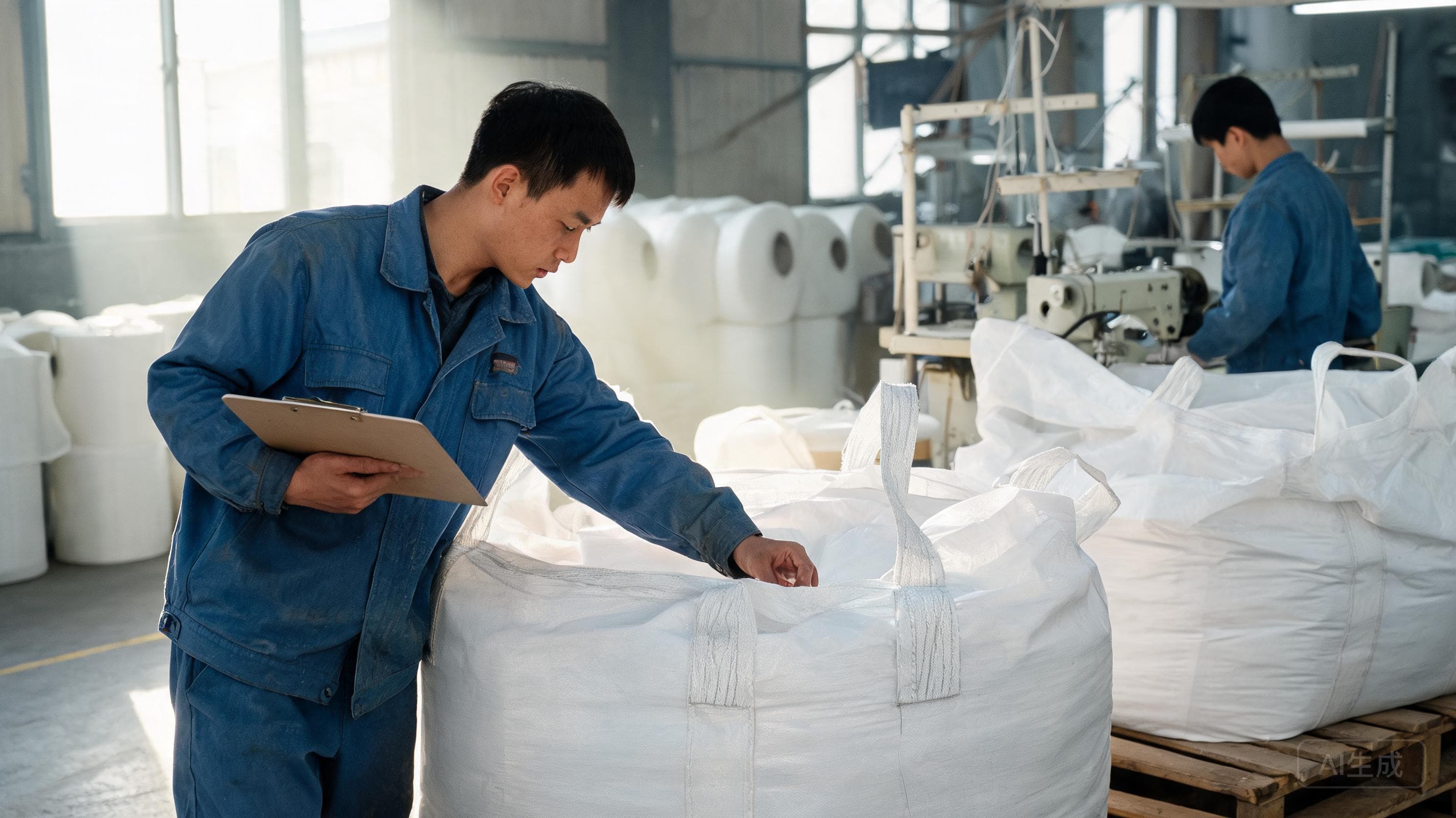
Sustainable Bulk Packaging Strategies for the Modern Manufacturing Era

RUNCHEN
AuthorWith more than 25 years of experience in FIBC bulk bag manufacturing and sales, RUNCHEN operates its own production facility with stable batch capacity. We specialize in FIBC bulk bags, jumbo bags, ton bags, and customized industrial packaging solutions.
Introduction: The Hidden Cost of Inefficient Bulk Packaging
A production manager reviews the latest sustainability report and finds packaging waste has risen 15% year over year. The increase may seem minor on a monthly spreadsheet, but across a full production cycle it affects disposal costs, material purchasing, logistics efficiency, and progress toward corporate sustainability targets.
Manufacturers now face greater scrutiny from regulators, customers, investors, and internal ESG teams. They are expected to reduce packaging waste and environmental impact without risking product quality, worker safety, or delivery performance. That creates a difficult balancing act: use less material, but protect more product.
The right FIBC bulk bags can help solve that challenge. More than simple containers, flexible intermediate bulk containers are strategic operational assets. A properly specified bulk bag can reduce product loss, improve handling efficiency, lower packaging material consumption, and support a stronger sustainability story for your business.
By upgrading from inconsistent or over-engineered packaging to high-performance FIBCs designed for the application, manufacturers can reduce waste at the source while protecting the products and margins that matter most.
Why Traditional Bulk Packaging Falls Short
Conventional bulk packaging often creates hidden operational costs. Bags may vary in quality from shipment to shipment, use unnecessary material, lack the right liner or discharge configuration, or fail to provide dependable protection against leakage and contamination.
Common issues include:
- Higher tare weight than necessary, increasing material use and transport weight
- Inconsistent construction that raises the risk of seam failure or handling damage
- Limited customization for filling equipment, discharge processes, and warehouse workflows
- Inadequate protection for moisture-sensitive materials, fine powders, and hazardous products
- Leaks that result in product loss, cleanup time, contamination concerns, and worker safety issues
These shortcomings have a direct impact on performance. A bag that leaks during transport can turn usable product into waste. A bag that does not fit your filling line can slow throughput. A bag that uses more polypropylene than the application requires can inflate both costs and packaging-related ESG metrics.
Packaging material consumption is increasingly measured in sustainability reporting. Inefficiencies in bulk packaging can weaken progress toward waste-reduction goals and make compliance more difficult. For modern manufacturers, improving packaging is not just a compliance exercise; it is an opportunity to operate more efficiently than competitors still relying on generic solutions.
The Shift Toward Sustainable and High-Performance FIBCs
The bulk packaging market is moving toward lighter, stronger, and more application-specific FIBC solutions. Manufacturers are increasingly looking for bags that deliver reliable load performance with reduced material usage, recyclable construction where local recovery systems allow, and multi-trip options for suitable closed-loop operations.
Leading manufacturers have demonstrated that meaningful reductions are achievable. In packaging optimization initiatives, 15% reductions in packaging material usage are a practical target when bag construction, dimensions, liners, and handling requirements are evaluated together rather than in isolation.
Modern FIBCs are engineered to protect product quality while reducing the packaging footprint per unit transported. This can include optimized fabric weight, high-strength lifting loops, integrated liners, and leak-resistant designs that prevent avoidable product loss. When fewer bags fail, less product is wasted, fewer replacements are required, and less material enters the waste stream.
Innovation matters because every bulk material behaves differently. Powders may require leak-proof seams and controlled discharge. Food ingredients may need food-grade materials and contamination protection. Chemicals may require moisture barriers and reliable containment. The most sustainable bulk bag is not simply the lightest bag; it is the bag that delivers the required performance with the least avoidable material, product loss, and operational disruption.
Key Features to Look for in a Bulk Bag
Selecting the right FIBC begins with a detailed understanding of your product, process, and supply chain. The following features should be evaluated before standardizing on a bulk bag solution.
Durability and Load Capacity
Your bulk bags must withstand filling, lifting, storage, transport, and discharge without compromising safety. Consider safe working load requirements, stacking conditions, lifting methods, and the abrasiveness or density of the material being packed. A bag built for the real operating environment helps prevent failures that create waste, downtime, and safety concerns.
Food-Grade Compliance
For food, feed, pharmaceutical, and sensitive ingredient applications, packaging materials must support strict hygiene and safety requirements. Food-grade FIBCs should be manufactured under controlled conditions and selected to help protect product purity throughout the supply chain.
Leak-Proof Design
Fine powders, granules, and hazardous materials can escape through seams, stitching holes, or poorly designed discharge areas. Leak-proof bulk bag construction helps reduce product loss, contamination, cleanup requirements, and exposure risks. This is particularly important where even small quantities of escaped product create significant financial or regulatory consequences.
Customization Options
One-size-fits-all packaging often creates unnecessary friction. Choose a supplier that can tailor bag dimensions, filling spouts, discharge spouts, lifting loops, fabric specifications, and liners to your process. The right configuration can speed filling, simplify discharge, improve storage density, and reduce manual intervention.
Sustainability Attributes
Look beyond basic material weight. Sustainable bulk packaging should be evaluated on its ability to reduce material use, prevent product loss, support reuse where appropriate, and enable recycling through established local programs. A durable bag that avoids failure can deliver a better total environmental outcome than a lighter alternative that requires frequent replacement.
Introducing COSEK's Range of High-Performance Bulk Bags
COSEK provides FIBC bulk bags designed to help manufacturers improve containment, handling efficiency, and packaging sustainability without compromising product protection. Each option is built for specific application requirements and manufactured with precision to meet demanding quality expectations.
COSEK White General-Purpose FIBC Bulk Bag
The COSEK White General-Purpose FIBC Bulk Bag is a reliable choice for standard industrial applications. It provides dependable strength and cost-effective performance for businesses handling a wide range of dry bulk materials. This solution is ideal when you need consistent quality and practical protection without unnecessary complexity.
COSEK White and Red Food-Grade Bulk Bag
The COSEK White and Red Food-Grade Bulk Bag is designed for food-contact applications where safety, hygiene, and product integrity are essential. It supports manufacturers and processors that need dependable bulk packaging for ingredients while maintaining alignment with food industry handling requirements.
COSEK Light Blue Integrated FIBC
The COSEK Light Blue Integrated FIBC includes an integrated liner for enhanced protection against moisture, dust, and external contamination. This design can help simplify packing operations while improving containment for materials that require an additional protective barrier.
COSEK White Cylindrical Leak-Proof Bulk Bag
The COSEK White Cylindrical Leak-Proof Bulk Bag is engineered for applications where containment is critical. Its leak-resistant construction makes it especially suitable for fine powders, sensitive materials, and hazardous products where product escape can lead to costly losses and cleanup.
By matching bag design to material behavior and operational conditions, COSEK helps manufacturers reduce the gap between sustainability ambitions and day-to-day packaging performance.
Real-World Results: How Leading Companies Achieved 15% Waste Reduction
Manufacturers that replace generic bulk bags with application-specific FIBCs often see measurable improvements quickly. Across anonymized packaging optimization projects, businesses have achieved packaging material waste reductions of up to 15% by reviewing bag weight, dimensions, liner requirements, filling methods, and failure points.
One industrial materials manufacturer reduced unnecessary packaging consumption by moving from a heavier standard bag to a right-sized FIBC with the strength needed for its actual load and handling profile. The change lowered bag tare weight while maintaining dependable performance during storage and transportation.
Another processor handling fine-particle material improved product integrity by adopting a leak-proof bulk bag design. Reduced leakage meant less lost product, fewer cleanup events, and more reliable sustainability reporting because avoidable waste was no longer being treated as a routine operating cost.
Operations teams also report that the transition is easier when the bag design reflects the real workflow. As one operations manager summarized in project feedback, the improvement came from “using a bag that works with the process instead of requiring the process to work around the bag.”
The business case is clear: less packaging waste, lower logistics costs from optimized bag weight, improved product protection, and stronger evidence of sustainability progress. For businesses with high bulk-material volumes, even modest improvements per bag can create substantial annual savings.
Implementation Roadmap: Steps to Transition Smoothly
A successful transition to sustainable bulk packaging should be structured, measurable, and tailored to your operation.
Step 1: Conduct a Packaging Audit
Start by reviewing your current bags, material consumption, failure rates, product loss, disposal volumes, handling time, and logistics costs. Establish baseline metrics so you can identify where inefficiencies are occurring and measure improvements accurately.
Step 2: Select the Right Bag for Each Application
Work with a trusted supplier such as COSEK to match FIBC specifications to your material, equipment, storage conditions, transportation requirements, and compliance needs. Different product lines may require different bag configurations, and that is often where the greatest gains are found.
Step 3: Run Pilot Tests in Real Conditions
Validate your selected bag through real filling, handling, transport, storage, and discharge conditions. A pilot test helps confirm performance before a wider rollout and gives operators the opportunity to identify practical improvements.
Step 4: Train Staff on Handling and Disposal
Even the best bulk bag needs correct handling. Train teams on safe lifting, stacking, filling, discharge, inspection, and disposal or recycling procedures. Clear handling standards help extend bag performance and reduce preventable damage.
Step 5: Monitor KPIs and Refine the Strategy
Track key indicators such as packaging waste, product loss, downtime, bag consumption, logistics cost, and handling incidents. Use the results to refine specifications and expand successful packaging improvements across additional product lines or facilities.
Conclusion: Make the Smart Investment in Your Packaging Future
Sustainable bulk packaging delivers more than environmental benefits. It can reduce material consumption, prevent product loss, improve operational consistency, and lower total packaging costs. For manufacturers under pressure to improve both margins and ESG performance, high-quality FIBCs are a practical place to start.
Evaluate whether your current bulk bags are adding unnecessary weight, waste, risk, or handling time to your operation. A more precise FIBC specification can help your business protect products, improve sustainability reporting, and build a more resilient supply chain in a resource-conscious market.
Related News
Other news you might be interested in
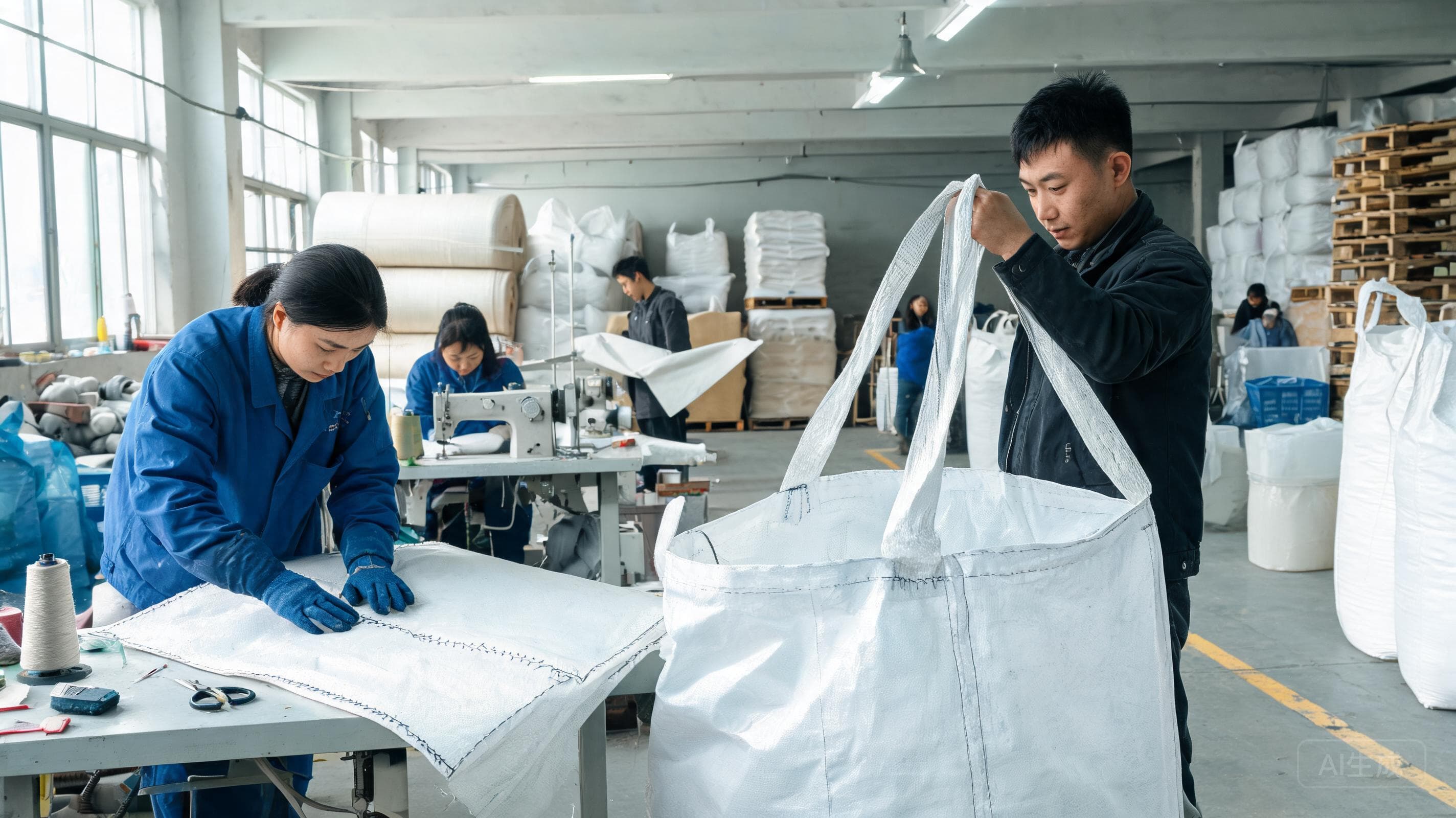
How to Select High-Performance FIBC Bags for Safer, More Sustainable Bulk Material Handling
Compare FIBC construction, safety, liners, discharge systems, quality controls, and supplier capability to reduce risk, protect products, improve efficiency, and control total cost.
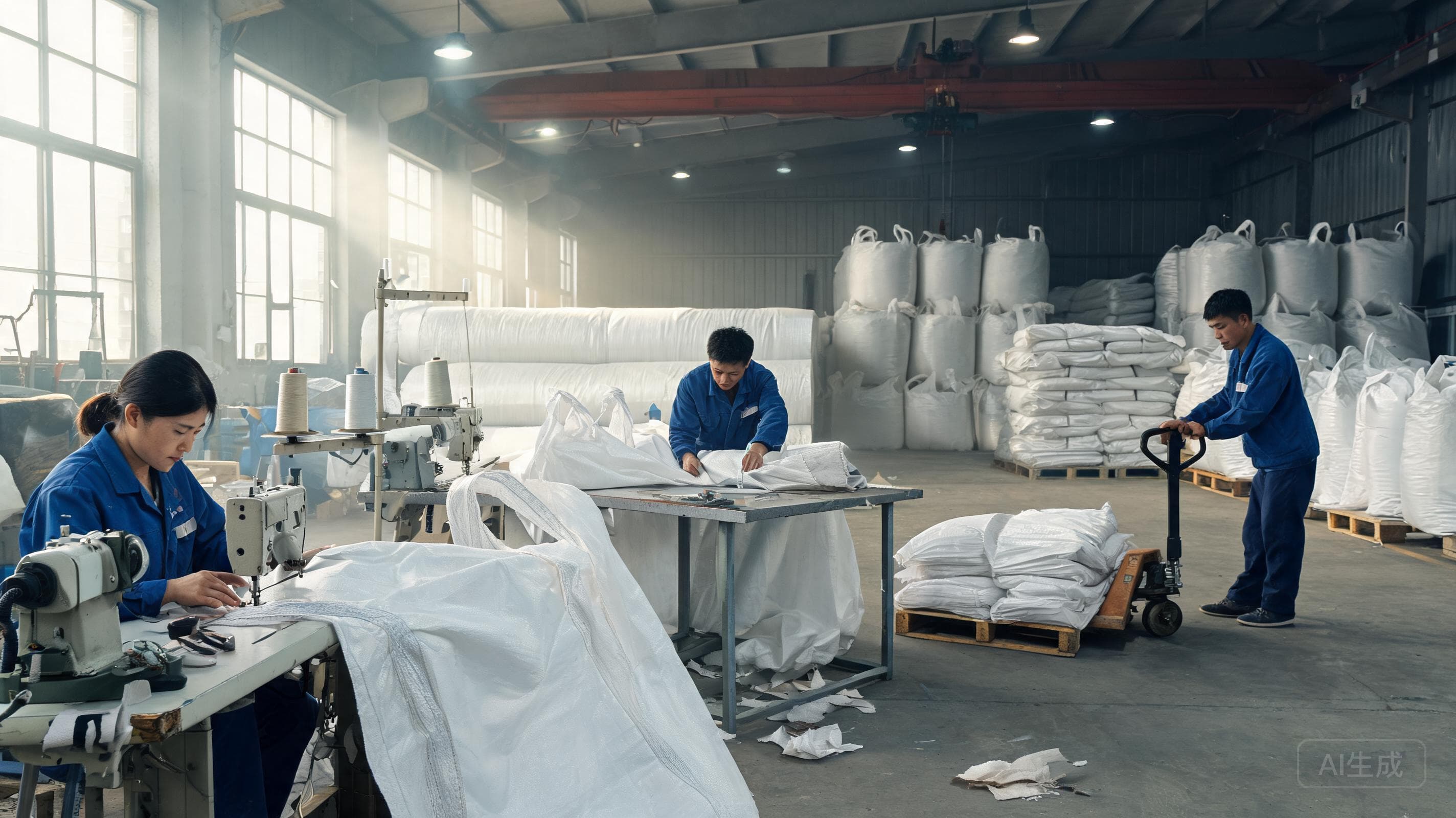
Sustainable Bulk Bag Solutions: Driving ESG Compliance, Cost Reduction, and Supply Chain Efficiency for Industrial Enterprises
See how COSEK bulk bags help industrial enterprises reduce packaging and logistics costs, support ESG reporting, protect product integrity, and improve supply chain efficiency with fit-for-purpose designs.
Want to know more?
Get in touch with us for more information about our services and products.