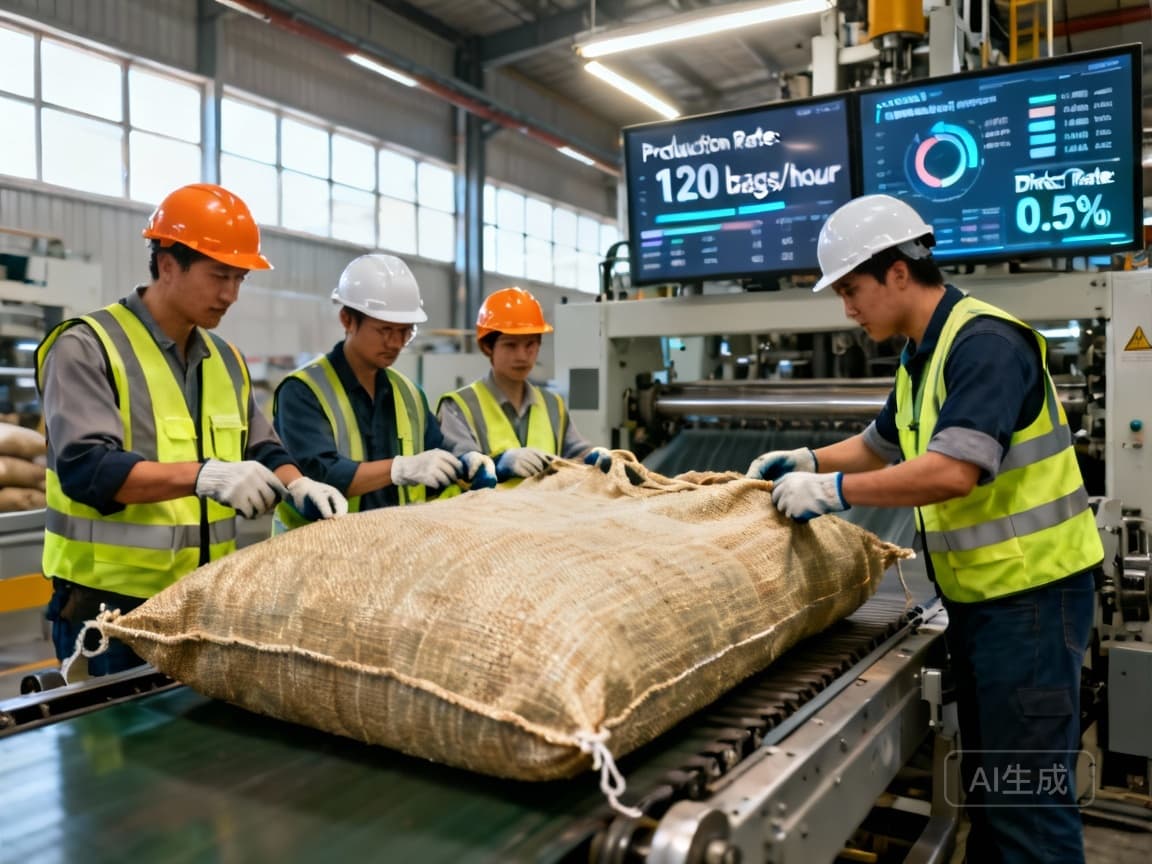
Ton bag manufacturer: Data based operation improves efficiency by 544%, turning compliance costs into competitive advantages
RUNCHEN
AuthorWith more than 25 years of experience in FIBC bulk bag manufacturing and sales, RUNCHEN operates its own production facility with stable batch capacity. We specialize in FIBC bulk bags, jumbo bags, ton bags, and customized industrial packaging solutions.
From Cost Center to Competitive Edge: How FIBC Manufacturers Can Achieve 544% Operational Gains
The Flexible Intermediate Bulk Container (FIBC) manufacturing landscape is at an inflection point. Stricter environmental regulations, rising material costs, and demand for supply chain transparency are compressing margins. Traditional competition on price and product specs alone is a race to the bottom. Yet, within these pressures lies a monumental opportunity. Leading manufacturers are not just selling bags; they are engineering operational resilience. By transforming compliance and efficiency investments into core competencies, they unlock dramatic value. Data from enterprise AI implementations shows that a strategic, data-driven approach can yield an average ROI of 544%. This article outlines a framework for FIBC producers to capture similar gains by building a "Deterministic Manufacturing" advantage.
The "Deterministic Manufacturing" Framework
In a volatile market, clients purchase more than a container; they buy supply chain certainty. Deterministic Manufacturing is the capability to consistently deliver on promises—be it precise lead times, verified quality, or auditable sustainability—through internal excellence. This transforms your operation from a cost center into a value engine, built on three pillars.
Pillar 1: Data-Driven Operations: From Reactive to Predictive
Moving beyond experience-based decisions is non-negotiable. As seen in successful AI projects, clean, integrated, and governed data is the key driver, capable of accelerating implementation speed by 65%. For FIBC manufacturers, this means:
- Production Intelligence: Leverage data from automated sewing and weaving equipment to monitor OEE (Overall Equipment Effectiveness). Predictive maintenance, informed by real-time fault data, minimizes unplanned downtime.
- Quality Transparency: Create a digital thread from raw materials (e.g., recycled polymer content) to finished product (e.g., lift loop strength tests). This data provides irrefutable proof of quality for clients, supporting premium positioning and reducing claims.
Consider a manufacturer who reduced delivery window variance from ±3 days to ±4 hours through real-time production tracking, becoming a preferred supplier for a chemical giant.
Pillar 2: Empowered Talent: From Operators to Process Owners
Technology alone fails without people. The Shyft case study proves that comprehensive training and change management are core to accelerating ROI, achieving a 92% adoption rate within three months. Apply this to your floor:
- Strategic Training: Move beyond basic safety. Educate teams on how correct handling procedures can extend an FIBC's service life by 20%, directly lowering the client's Total Cost of Ownership (TCO).
- Structured Change Management: When introducing new automated palletizing systems or bio-based materials, design an adoption plan with clear milestones, feedback loops, and recognition. Measure success with a balanced scorecard including metrics like employee satisfaction and innovation suggestions.
Pillar 3: Strategic Sustainability: From Compliance to Narrative
With global plastic pollution driving demand for sustainable solutions, environmental compliance shifts from a tax to a strategic asset. The investment in RCO combustion or carbon adsorption systems isn't just a cost; it's a product feature.
- Embed Compliance in Design: Market your FIBCs as products of a "green factory" with VOC emissions 50% below national standards.
- Build Circular Proof: Don't just offer recycled material bags. Develop a pilot "take-back" program with key clients, creating a closed-loop story from collection to regeneration to new FIBC production. This provides tangible evidence for their ESG reporting.
Launching Your Transformation: A Practical Roadmap
Following the phased framework used by Fortune 500 companies (Assessment & Strategy -> Pilot Implementation) de-risks the journey. Start with focused, manageable steps.
- Conduct a Rapid Diagnostic: Assess your current state. How is production data captured? Is training purely procedural? Is sustainability seen as legal or strategic?
- Prioritize a Pilot: Select one high-impact, contained project. Examples: implementing detailed production logging on one line, or launching a recycled-content product line with a willing partner.
- Measure Early Wins: Set short-term, tangible goals: "Reduce line changeover time by 15% in 3 months" or "Complete first closed-loop pilot in 6 months." This builds momentum.
- Partner Strategically: As data indicates, partnering with proven suppliers can lead to 89% project success rates. Seek technology and material partners who understand your strategic vision, not just transactional needs.
Conclusion: Redefining the Value Proposition
The future belongs to FIBC manufacturers who build Deterministic Manufacturing capabilities. By mastering data, empowering people, and leveraging sustainability, you transform fixed costs into variable value. Your offering evolves from a commodity bag to a risk mitigation tool for your client's supply chain, guaranteeing reliability, transparency, and shared ESG progress. This is how you convert operational efficiency into measurable competitive advantage and secure lasting, profitable partnerships.
Related News
Other news you might be interested in
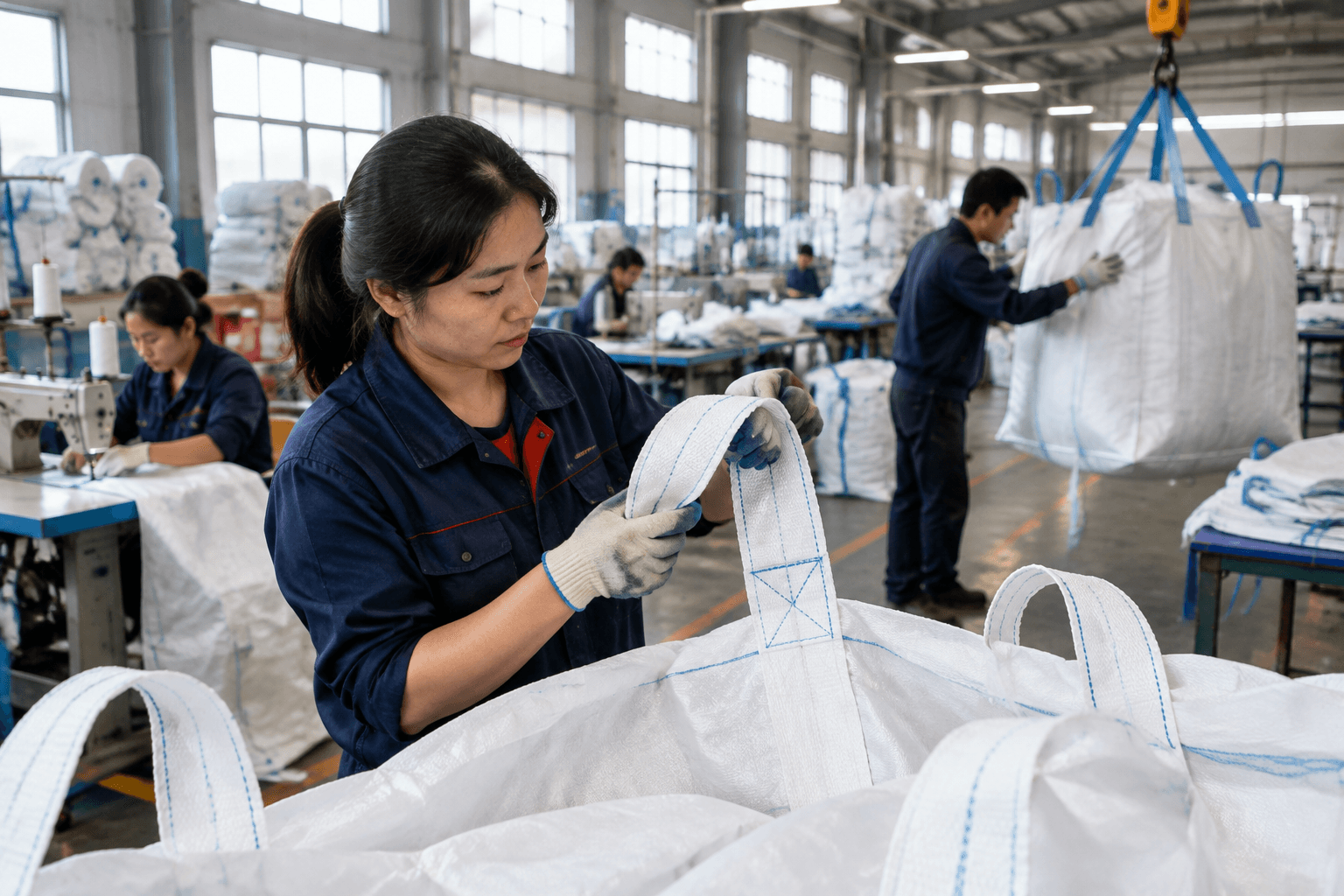
Choosing the Right Bulk Bag Manufacturer for Safer, More Efficient Operations
Learn how to specify bulk bags, evaluate manufacturers, and validate quality and supply reliability to reduce operational risk and support safer, more efficient handling.
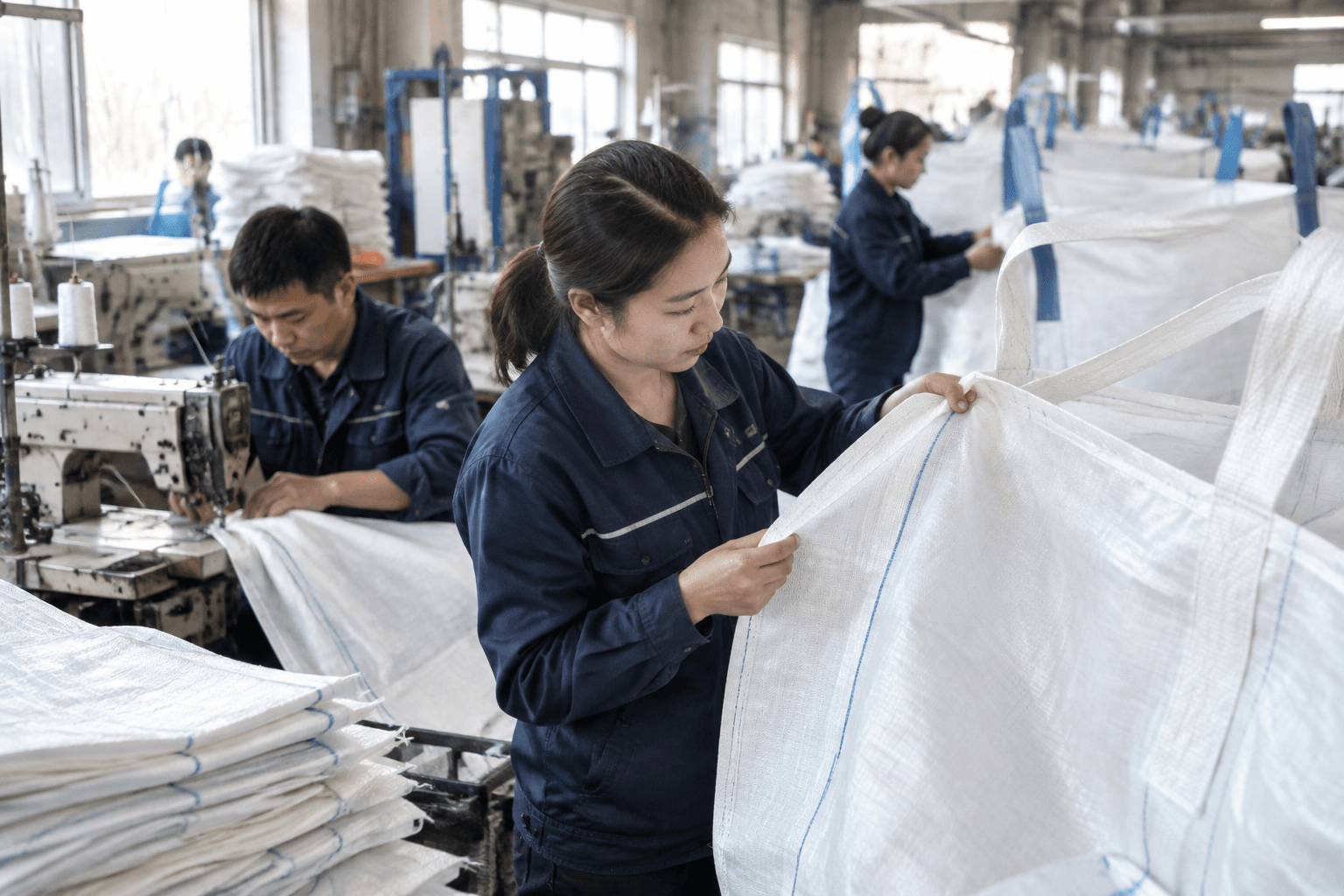
The 140th Canton Fair: New Trends in the Export Market for FIBC Bulk Bags, Jumbo Bags, and PP Woven Packaging
Explore how export buyers can evaluate FIBC bulk bags and PP woven packaging beyond unit price. Get practical guidance on specifications, supplier verification, sustainability requirements, and RFQs—and prepare your next sourcing conversation with COSEK.
Want to know more?
Get in touch with us for more information about our services and products.