Transform Bulk Bags into Brand Assets: Drive 30% Higher Perceived Value #16

RUNCHEN
AuthorWith more than 25 years of experience in FIBC bulk bag manufacturing and sales, RUNCHEN operates its own production facility with stable batch capacity. We specialize in FIBC bulk bags, jumbo bags, ton bags, and customized industrial packaging solutions.
From Cost Container to Value Engine: Reimagining the Bulk Bag
For decades, the bulk bag (FIBC) has been viewed through a singular lens: a cost-effective container for dry flowable goods. The industry narrative has rightly focused on technical compliance, safety, and unit cost savings. However, this functional perspective has created a crowded marketplace where differentiation is difficult. A paradigm shift is underway. Forward-thinking manufacturers are no longer just selling bags; they are delivering strategic assets that drive commercial growth and brand transformation for their clients. By shifting the conversation from "how to save money" to "how to make money and build your brand," you can unlock a 30% higher perceived value for your solutions.
The Strategic Pivot: Packaging as a Brand Value Amplifier
Consider the strategy of Samsonite International S.A., a leader in travel luggage. Facing market competition, they strategically invested in high-margin brands like Tumi and expanded direct-to-consumer (DTC) channels while reducing promotional discounts. The result? Their gross margin increased to 59.3% in 2023, up 350 basis points. This underscores a fundamental truth: targeted investment in brand experience and controlled customer touchpoints directly drives profitability.
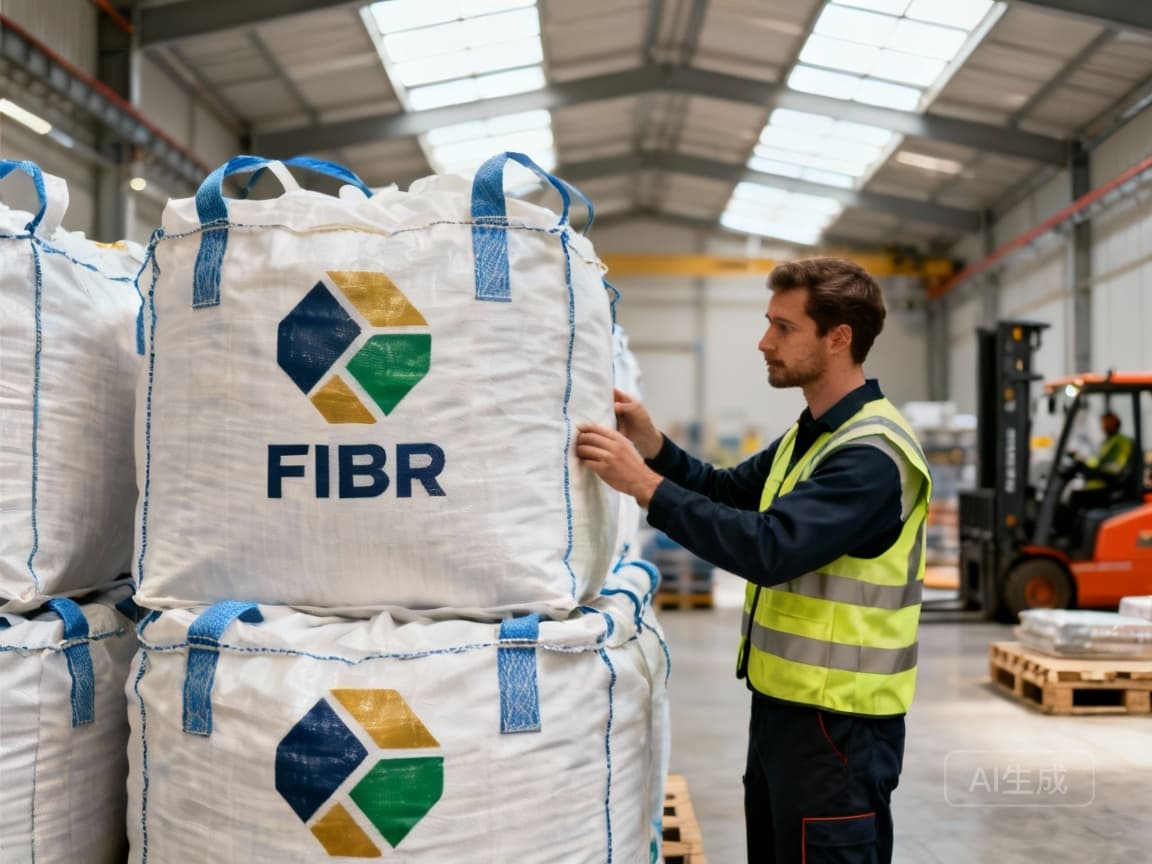
This logic translates powerfully to the bulk bag sector, especially in high-value industries like premium food ingredients, pharmaceuticals, and specialty chemicals. Here, the bulk bag is often the first physical touchpoint a customer has with your product. A generic, purely functional bag signals a transaction. A clean, durable, and professionally branded bag signals quality, reliability, and attention to detail—supporting your client's own brand premium.
For a manufacturer shipping $5,000-per-ton specialty coffee beans or cosmetic-grade pigments, the bulk bag is a silent ambassador. It protects the product's integrity and communicates brand standards before a single sample is tested.
This is critical given that food applications represent the largest segment (28.54%) of the packaging market, where safety, traceability, and contamination prevention are paramount. Your bag's technical features—whether anti-static, moisture-resistant, or FDA-compliant—are not just specs; they are insurance policies for your client's product value and brand reputation.
Actionable Steps to Elevate Brand Perception:
- Conduct a Brand-Packaging Audit: Evaluate if your client's current bulk bags align with their market positioning and product value.
- Offer Strategic Customization: Move beyond a simple logo. Integrate clear handling instructions, QR codes for batch traceability, and design features like easy-access spouts that improve the end-user's experience.
- Quantify Risk Mitigation: Frame technical specifications in terms of value protection. Calculate the potential loss from contamination or degradation avoided by using a higher-specification bag.
Building Circular Growth: The Sustainable Business Model Revolution
The demand for sustainable packaging is a dominant global trend. While many discuss "eco-friendly" materials, the real opportunity lies in pioneering new, circular business models. Look to the e-commerce sector for inspiration. Taiwan's momo富邦媒 implemented reusable packaging bags designed for up to 25 cycles as part of its green logistics initiative. This demonstrates a scalable shift from a linear "take-make-dispose" model to a circular one.
For industrial bulk bags, this is a game-changer. The conversation evolves from the upfront price per bag to the total cost of ownership and the generation of verifiable ESG data. A reusable or recyclable bulk bag program transforms a cost center into a strategic partnership and a recurring value stream.
The Financial and Environmental Calculus:
Contrast the two models clearly for your clients:
- Linear Model: Purchase → Use (Once) → Dispose/Landfill. High recurring cost, waste liability, and minimal brand value.
- Circular Service Model: Lease/Deposit → Use → Return → Inspect/Refurbish → Recirculate. Lower long-term cost, waste elimination, and a powerful sustainability story.
Build a simple financial model: A bulk bag engineered for 15 reuses replaces 15 single-use bags, slashing procurement and waste handling costs over its lifecycle. Furthermore, the carbon footprint reduction and waste diversion metrics become tangible data points for your client's own sustainability reporting.
Blueprint for a Circular Partnership:
Imagine a partnership with a large building materials distributor. You supply branded, deposit-based bulk bags to their customers. After use, the bags are returned to your facility for inspection, cleaning, or recycling. This creates a closed-loop system, reduces total cost for the distributor, and provides both companies with a compelling marketing narrative about supply chain leadership and environmental stewardship.
Conclusion: Becoming a Value Chain Partner
The data is clear. The future belongs to bulk bag manufacturers who transcend the commodity conversation. By leveraging insights from brand leaders like Samsonite and sustainable logistics pioneers like momo, you can reposition your offering. Focus on how your solutions amplify brand value and enable circular economics. Provide not just bags, but strategic consultations, ROI models, and verifiable sustainability impact reports.
This strategic pivot moves your role from a supplier of containers to an indispensable partner in your clients' commercial success and sustainability journey. It’s how you transform a bulk bag from a cost line item into a certified brand asset and a driver of resilient growth.
Related News
Other news you might be interested in
Choosing the Right Bulk Bag Manufacturer for Safer, More Efficient Operations
Learn how to specify bulk bags, evaluate manufacturers, and validate quality and supply reliability to reduce operational risk and support safer, more efficient handling.
The 140th Canton Fair: New Trends in the Export Market for FIBC Bulk Bags, Jumbo Bags, and PP Woven Packaging
Explore how export buyers can evaluate FIBC bulk bags and PP woven packaging beyond unit price. Get practical guidance on specifications, supplier verification, sustainability requirements, and RFQs—and prepare your next sourcing conversation with COSEK.
Want to know more?
Get in touch with us for more information about our services and products.