Transform FIBC Bags: Drive 7.7% Market Growth & Unlock ESG Value
RUNCHEN
AuthorWith more than 25 years of experience in FIBC bulk bag manufacturing and sales, RUNCHEN operates its own production facility with stable batch capacity. We specialize in FIBC bulk bags, jumbo bags, ton bags, and customized industrial packaging solutions.
Transform FIBC Bags: Drive 7.7% Market Growth & Unlock ESG Value
Imagine losing a major contract not because of product quality or price, but because your packaging fails a key customer's sustainability audit. For bulk material handlers, this scenario is increasingly real. The Flexible Intermediate Bulk Container (FIBC or吨袋) is undergoing a strategic transformation, shifting from a passive cost item to a core driver of market access and supply chain resilience. The catalyst? The explosive growth of the mono-material packaging market, projected to reach $42.4 billion in 2025 with a CAGR of 7.7%. This isn't just a trend; it's a fundamental market realignment where your FIBC strategy can become a competitive advantage.
From Compliance Burden to Growth Engine
Traditional FIBC discussions center on cost-saving and asset protection—a defensive stance. The real opportunity is proactive value creation. The surge in mono-material solutions is driven by Extended Producer Responsibility (EPR) laws, brand sustainability pledges, and the urgent need to simplify recycling. A complex, multi-material FIBC becomes a liability in your customer's value chain, complicating disposal and increasing hidden costs. Conversely, a designed-for-recycling, mono-material FIBC—typically based on pure polypropylene (PP) structures—transforms your offering.
As seen in the strategy of companies like momo (富邦媒), which successfully integrates ESG into operations while managing nearly 10,000 suppliers, sustainability is a pillar of modern, resilient growth. Your FIBC choice directly impacts your clients' ability to meet such standards and secure business with leading brands.
The global mono-material packaging market is projected to grow from $39.4 billion in 2024 to $56.3 billion by 2029, fueled by EPR schemes and advances in material science.
Deconstructing the "Recyclable FIBC": A Technical Blueprint
Moving beyond marketing claims requires technical precision. A truly recyclable FIBC is a system, not just a bag. Key design considerations must encompass:
- Material Purity: Utilizing 100% PP fabric, liners, and tapes to prevent contamination in recycling streams.
- Component Integration: Designing labels, lifting loops, and discharge spouts from the same polymer family.
- Ink & Printing: Employing water-based or other compatible inks that do not hinder the recycling process.
This aligns with the market insight on "high-barrier mono-material film innovation," showing that performance and sustainability are now synergistic. The goal is to create a FIBC that, at its end-of-life, enters a clean, valuable feedstock stream rather than a waste problem.
Quantifying the Value: A Framework for Total Cost & Benefit
The shift is an investment, not just an expense. To build a business case, move beyond unit price and evaluate the total value unlocked across the chain. Borrowing from the analytical rigor demonstrated by the ROI Institute in its global project evaluations, consider this framework:
- Downstream Cost Reduction: Calculate the avoided costs for your customer's client in waste sorting, handling, and disposal fees associated with non-recyclable packaging.
- Market Access Premium: Assess the potential for gaining or retaining business with brands that have stringent sustainable packaging mandates.
- Risk Mitigation: Value the reduction in regulatory and reputational risk associated with EPR non-compliance or poor ESG scores.
- Operational Efficiency: Factor in potential gains from streamlined warehouse sorting and waste management processes.
This holistic view mirrors the long-termism practiced by companies like 康师傅, which invests in quality and brand resilience for stable growth, translating here to investing in a sustainable supply chain asset.
Your Actionable Path Forward
Transformation begins with a single step. Here is a practical guide to initiate the shift:
- Conduct a Portfolio Audit: Review your most-used FIBC specifications. Identify components that complicate recycling (e.g., mixed-material liners, PVC tags).
- Engage in Strategic Dialogue: Partner with your FIBC supplier not as a vendor, but as a solutions architect. Discuss mono-material design options, request recyclability certifications, and pilot new designs.
- Run a Pilot Program: Select a product line with high visibility or strategic importance. Implement a trackable batch of mono-material FIBCs and measure performance and downstream feedback.
- Develop a Co-Branded Story: Work with your supplier to document the pilot's benefits—reduced waste, customer satisfaction—creating a powerful case study for your sales and marketing teams.
The 7.7% CAGR in mono-material packaging is a clear market signal. By re-engineering your FIBC strategy around recyclability, you stop selling just a container and start delivering a critical enabler for your customers' growth, compliance, and environmental goals. The future of bulk handling is circular, and it starts with the bag.
Related News
Other news you might be interested in
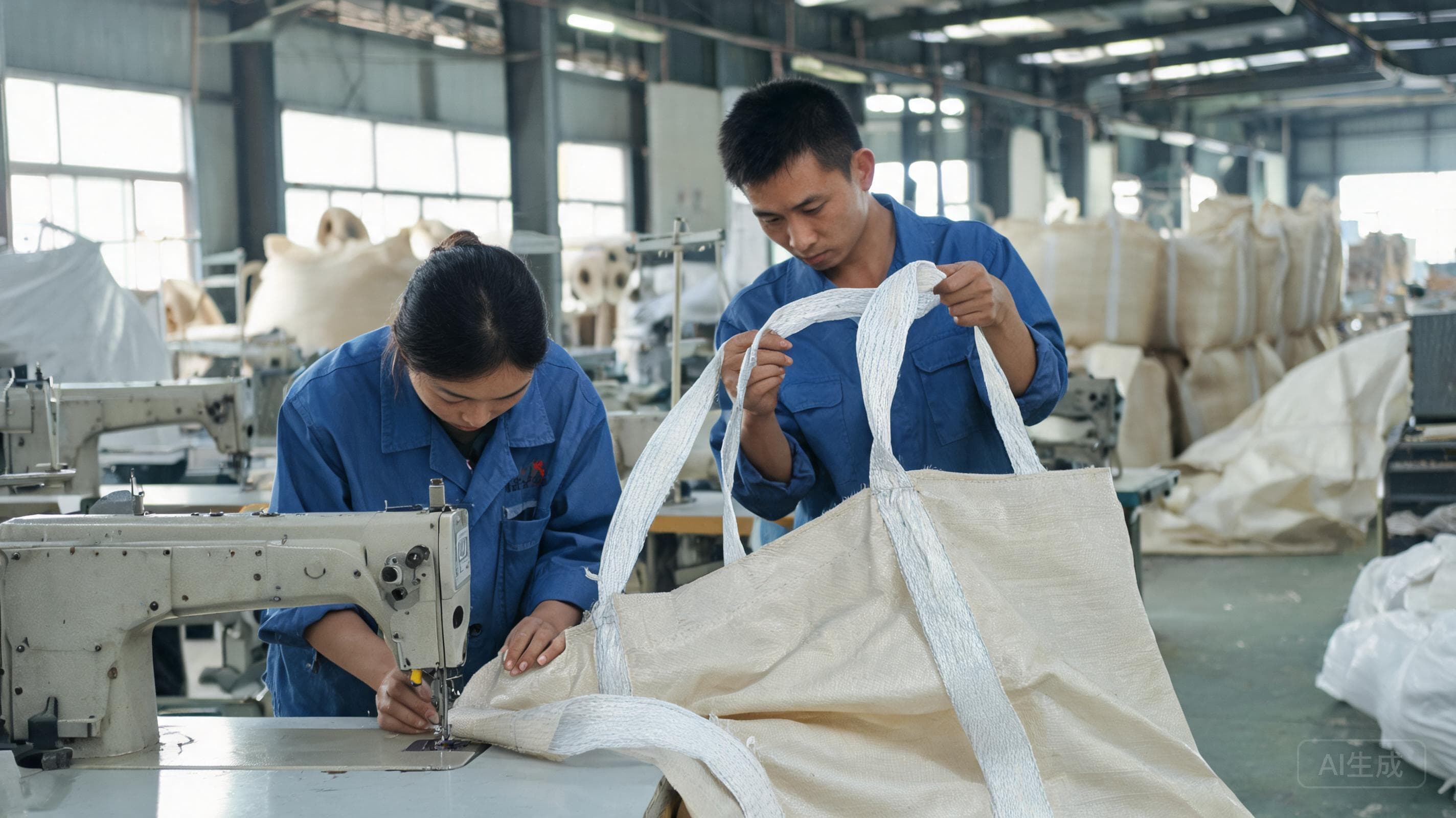
How to Choose a Bulk Bag Manufacturer That Protects Product Quality and Reduces Supply Risk
Evaluate bulk bag manufacturers on application fit, quality controls, compliance, and supply readiness. Use a clear specification and trial plan to reduce product loss and procurement risk.
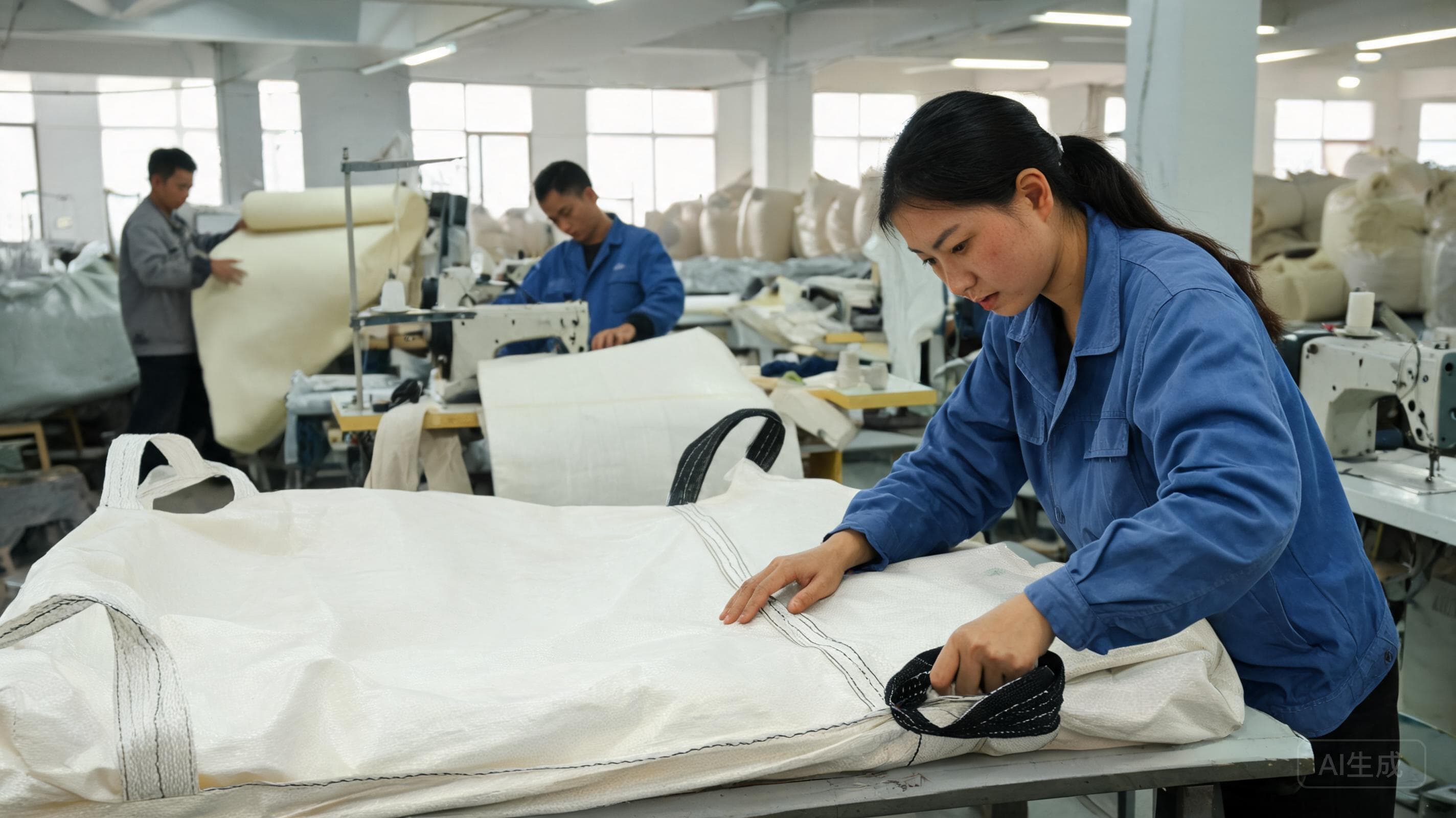
How to Choose the Right FIBC Supplier for Safer, More Reliable Bulk Packaging
Learn how to match FIBC design to your product and handling needs, assess supplier quality, compare total costs, and prepare a stronger request for quotation.
Want to know more?
Get in touch with us for more information about our services and products.