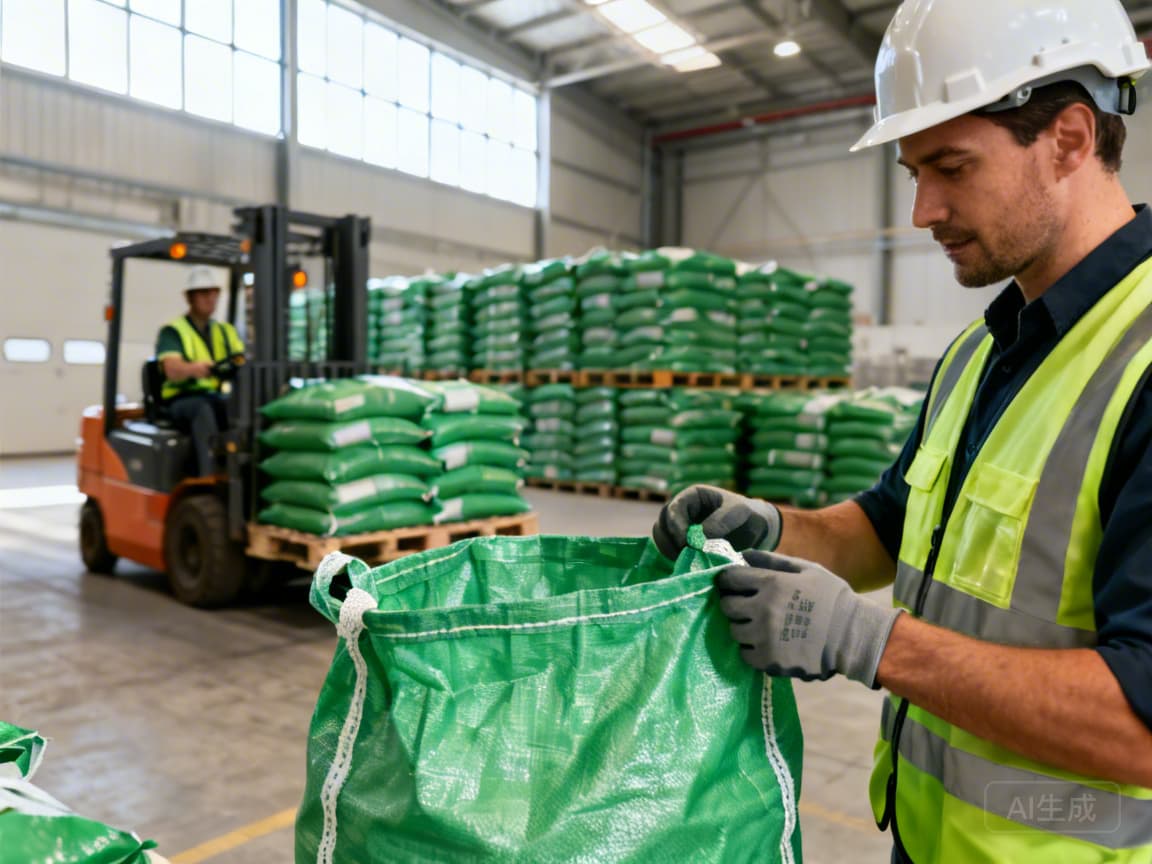
Transform FIBC Bags: From Cost Center to 80% Green Market Growth Driver
RUNCHEN
AuthorWith more than 25 years of experience in FIBC bulk bag manufacturing and sales, RUNCHEN operates its own production facility with stable batch capacity. We specialize in FIBC bulk bags, jumbo bags, ton bags, and customized industrial packaging solutions.
Transform FIBC Bags: From Cost Center to 80% Green Market Growth Driver
For decades, the Flexible Intermediate Bulk Container (FIBC) has been viewed through a singular, tactical lens: a necessary logistics cost. Procurement teams have focused on price-per-unit and durability, while sustainability efforts often framed green packaging as a compliance expense. This perspective is now obsolete. Market data reveals a profound shift: driven by policy and consumer demand, the green packaging market share has expanded to 80%. This isn't a niche trend; it's the new market reality. Forward-thinking businesses are no longer asking how to save on FIBC costs, but how strategic packaging can drive growth. This article outlines how to reposition your FIBC strategy from a passive cost center to an active engine for market access, supply chain resilience, and data-driven efficiency.
The Strategic Shift: From Logistics to Growth Enabler
The traditional cost-centric approach is a race to the bottom, especially as industry insights note "production capacity expands rapidly while demand is insufficient." Competing solely on price ignores the larger strategic value embedded in modern FIBC solutions. The success of companies like momo (富邦媒体科技) provides a powerful parallel. By integrating its CSR "Sustainable Living Blueprint" across nearly 10,000 suppliers, momo didn't just check a compliance box; it built a more resilient, reputable, and attractive supply chain, contributing to its 31.6% revenue growth.
This logic applies directly to FIBC procurement. Your bulk bag is no longer just a container; it is a key credential in your supply chain's sustainability report. Similarly, the strategy of 达意隆 (Tech-Long) in opening a "second front" and pursuing "global sourcing, local operation" illustrates how innovation unlocks new markets. For your business, a specialized, certified FIBC can be the key that unlocks access to regions with strict material regulations or premium product segments, transforming packaging from a commodity into a market-entry tool.
Three Pillars of a Transformative FIBC Strategy
To capture this value, companies must build their packaging strategy on three core pillars.
Pillar 1: Growth & Market Access
Move beyond basic protection. Customized, brandable FIBCs can enhance your product's perceived value and open new channels. For industries like specialty fertilizers, food-grade materials, or high-value minerals, the bag is part of the product experience. A well-designed, sustainable FIBC communicates quality and responsibility to the end-user, potentially justifying a price premium. As the market outlook points toward "high-end and diversified" transformation, your packaging should lead the way.
Pillar 2: Supply Chain Resilience & Compliance
With green packaging claiming 80% market share, sustainability is a baseline requirement. A proactive FIBC strategy mitigates risk. This involves selecting bags designed for effective recycling or reuse, creating a closed-loop system that secures your material flow against regulatory changes. It means partnering with manufacturers who provide full traceability and documentation, simplifying audits. As momo's case shows, managing supplier compliance at scale is a core competitive advantage. Your FIBC partner should help you build that advantage, turning a potential vulnerability into a "supply chain shock absorber."
Pillar 3: Operational Intelligence & Efficiency
The future lies in smart assets. The industry is already using "technology upgrades and intelligent production to cope with cost pressures." The next step is intelligent usage. FIBCs integrated with RFID tags or QR codes transform from "dumb" assets into data nodes. This enables:
- Real-time inventory and location tracking.
- Optimized filling and discharging processes with automated equipment.
- Automated data collection for recycling rates and lifecycle analysis.
This shifts the value proposition from one-time freight savings to continuous operational optimization and valuable supply chain insights.
Your Path Forward: Implementing the Strategic Framework
Transitioning to this model requires a deliberate shift in perspective and partnership.
- Internal Alignment: Engage stakeholders beyond procurement—including sustainability officers, operations directors, and product managers—to define strategic packaging goals aligned with business growth and ESG targets.
- Partner Evaluation: Assess FIBC suppliers not just on cost, but on their ability to collaborate on custom solutions, provide robust sustainability certifications, and offer smart technology integration. Look for a partner who understands your industry's specific challenges in sectors like new energy (e.g., lithium battery materials) and chemicals.
- Pilot & Scale: Start with a strategic pilot project. This could be a line of products requiring a new market entry, a shift to a recyclable FIBC system for a key client, or implementing smart bags in a single warehouse. Measure success not only in cost but in new market access, risk reduction, and efficiency gains.
The market is moving decisively toward green, high-end, and intelligent solutions. Companies that view their FIBC strategy through a tactical, cost-only lens will find themselves at a growing disadvantage.
The trillion-yuan packaging market is being reshaped. By embracing the strategic role of FIBCs in enabling growth, building resilience, and generating intelligence, you can transform a line-item cost into a demonstrable driver of long-term, sustainable value. The question is no longer what your bags cost, but what value they can create.
Related News
Other news you might be interested in
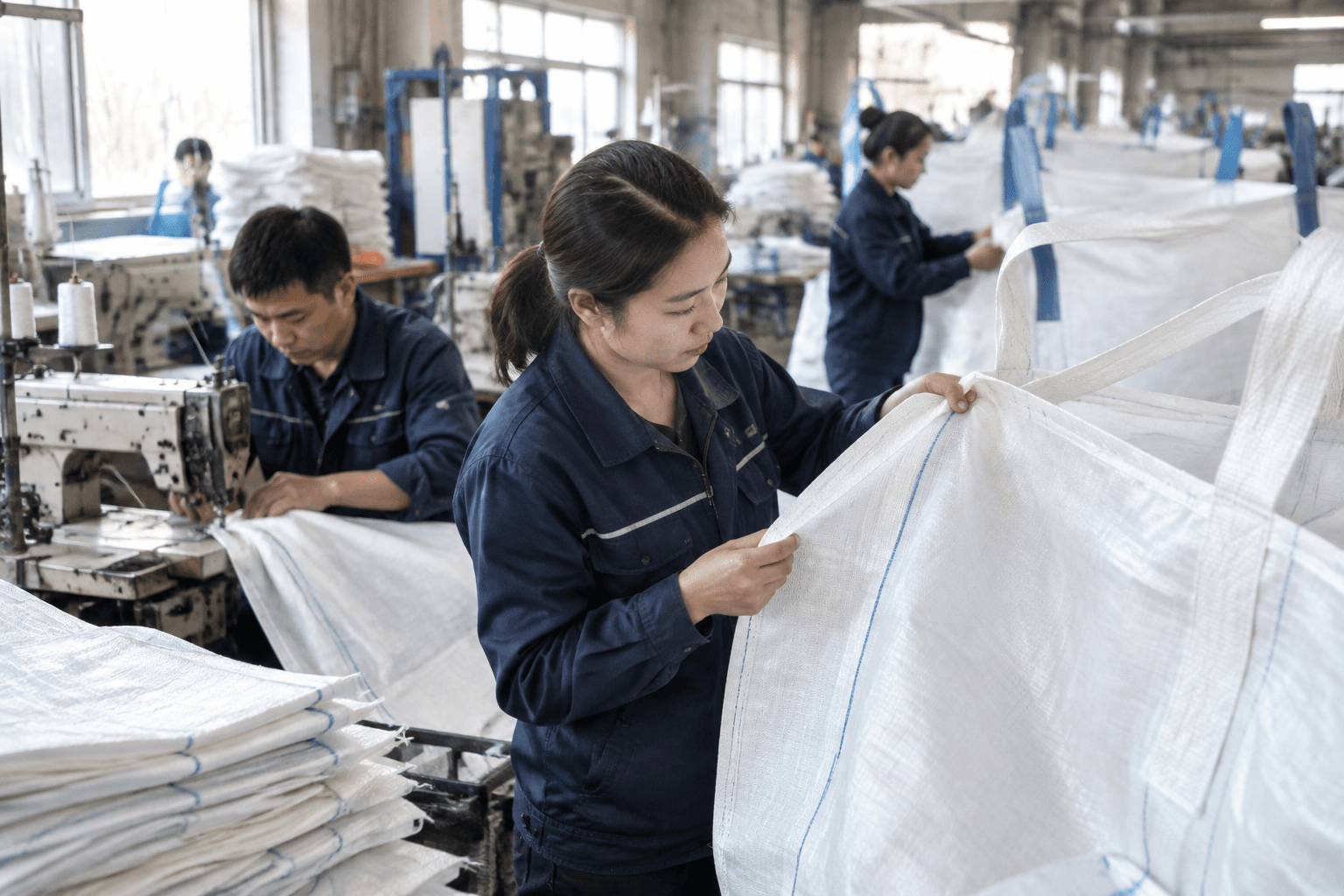
The 140th Canton Fair: New Trends in the Export Market for FIBC Bulk Bags, Jumbo Bags, and PP Woven Packaging
Explore how export buyers can evaluate FIBC bulk bags and PP woven packaging beyond unit price. Get practical guidance on specifications, supplier verification, sustainability requirements, and RFQs—and prepare your next sourcing conversation with COSEK.
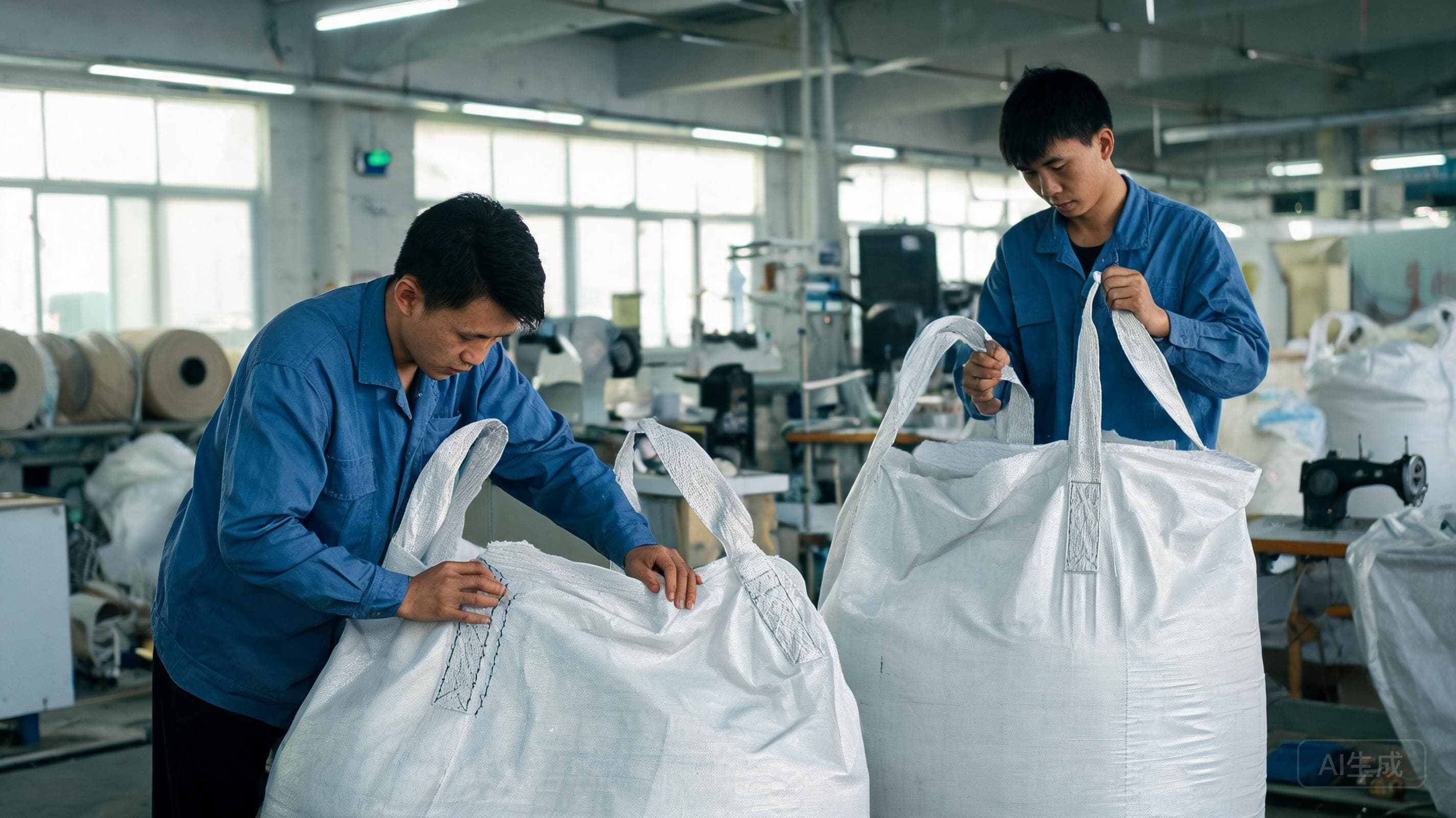
How to Choose the Right FIBC Bulk Bag for Safer, More Efficient Industrial Packaging
Choose an FIBC bulk bag by matching its construction to your product, handling process, compliance needs, and destination. Use technical review, pilot testing, and total-cost analysis to reduce risk.
Want to know more?
Get in touch with us for more information about our services and products.