Transform FIBC Cost Centers: Data-Driven Design Saves 30% & Proves Green ROI

RUNCHEN
AuthorWith more than 25 years of experience in FIBC bulk bag manufacturing and sales, RUNCHEN operates its own production facility with stable batch capacity. We specialize in FIBC bulk bags, jumbo bags, ton bags, and customized industrial packaging solutions.
Transform FIBC Cost Centers: Data-Driven Design Saves 30% & Proves Green ROI
For FIBC manufacturers, the market presents a stark contradiction. Demand for high-performance, sustainable packaging is growing, yet the operational reality is defined by volatile raw material costs and intense price pressure. The traditional playbook—negotiating harder with suppliers or cutting corners—is exhausted. The path forward requires a fundamental shift: transforming your FIBC from a commoditized cost center into a strategically designed, value-driven asset. The key lies in adopting a data-driven decision framework that quantifies every choice, from design to sustainability, delivering measurable financial returns.
The Core Challenge: Bridging Macro Trends and Micro Pressures
The packaging industry is transforming. Markets are demanding high-performance, sustainable solutions, with green packaging segments expanding rapidly. Concurrently, manufacturers face acute cost pressures from unpredictable raw material prices. The disconnect is clear: customers want advanced, eco-friendly FIBCs, but manufacturers are squeezed by the cost to produce them. Winning requires a new approach that directly links sophisticated design and green initiatives to undeniable, quantified profitability.
“A project's success can influence investment in another. Strategic planning and effective execution to simplify and deliver results are key.” – ROI Institute Implementation Experience
Pillar 1: Locking in Cost Advantage at the Design Stage
Up to 80% of a product's cost is determined during design. For FIBCs, this means the choice of fabric weight, loop design, and filling factor has a monumental impact long before production begins. Relying on historical cost estimates is dangerously reactive in a volatile market.
Implementing a "Digital Twin" for FIBCs
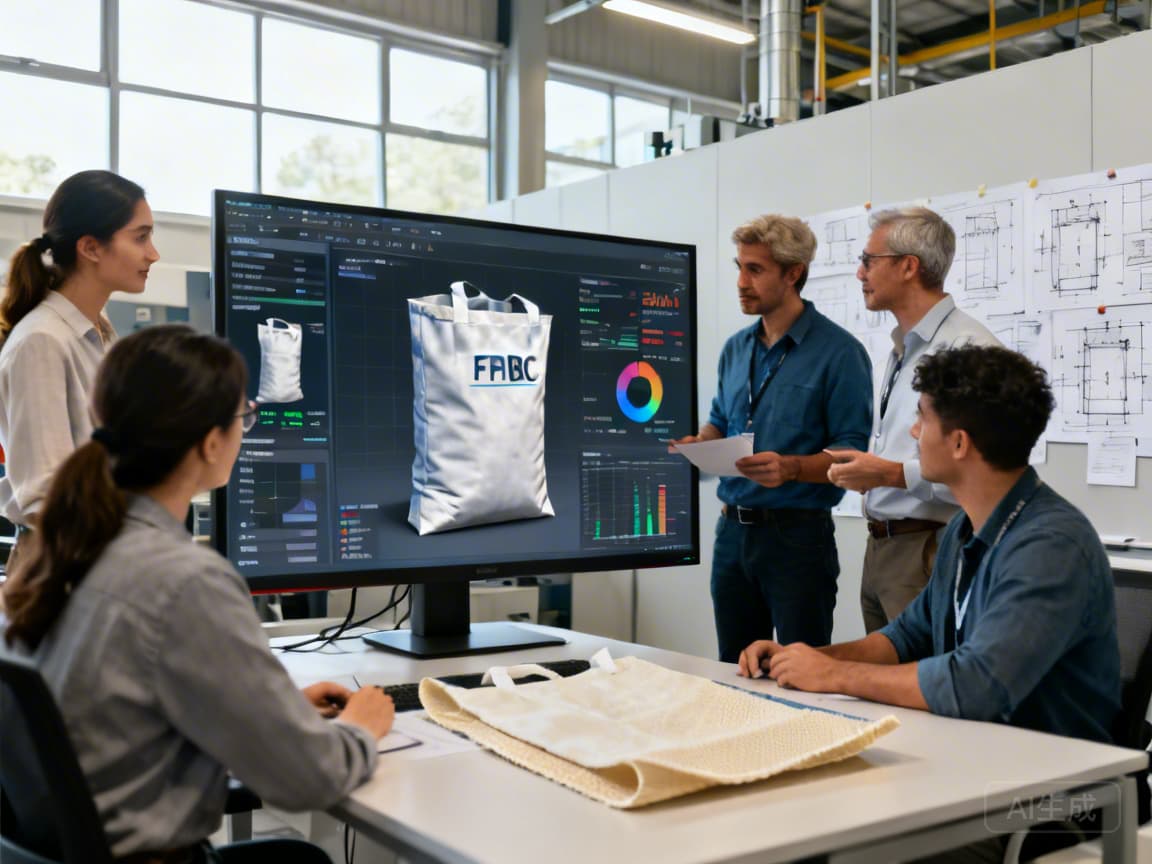
The solution is to build a digital decision model—a "digital twin" of your FIBC production. This involves creating a dynamic database that integrates:
- Real-time or forecasted regional raw material prices.
- Specific energy and labor costs for different weaving and sewing processes.
- Logistics parameters for bulk bag shipping.
By simulating design changes in this digital environment, you shift from guesswork to precision. This methodology is proven. The digital manufacturing insights platform from aPriori enabled clients to slash design iteration time from 40 hours to minutes and reduce product costs by 10-30%. For an FIBC manufacturer, this could mean instantly modeling the total "cost-per-trip" impact of a slightly lighter fabric against potential freight savings, identifying the optimal balance that traditional costing would miss.
Pillar 2: Quantifying the Green Premium with ROI Rigor
"Sustainable" cannot remain a marketing buzzword. To justify investment in recycled materials or recyclable designs, you must speak the language of the boardroom: Return on Investment (ROI). The methodology from ROI Institute provides the blueprint, having demonstrated how to calculate staggering returns, such as a 5,724% ROI in a case study by monetizing soft benefits.
The Framework for Green FIBC ROI
To build your business case, you must systematically quantify the value of sustainable FIBCs:
- Monetize Customer Value: Calculate the price premium or procurement advantage from meeting a client's ESG mandates. What is the value of accessing a premium supply chain?
- Calculate Operational Savings: Factor in reduced waste disposal fees for production scrap and potential revenue from take-back programs.
- Account for Risk Mitigation: Assign value to future-proofing your business against tightening environmental regulations.
By contrasting this total monetary benefit against the incremental cost of recycled PP or design for recycling, you generate a powerful, defensible ROI figure. This transforms a sustainability proposal from an expense into a compelling investment narrative for your customers and your own leadership.
Pillar 3: Building an Agile, Intelligent Response System
Data-driven design and green ROI provide the strategic blueprint. Intelligent execution turns that blueprint into daily profit.
Creating a Dynamic Production Scheduler
Integrate your live raw material price feeds with your production order queue. Simple algorithms can then dynamically prioritize manufacturing: when PP copolymer dips, the system automatically schedules orders using that resin, maximizing margin capture. This turns cost volatility from a threat into a managed opportunity.
Designing for the Customer's System
True expertise is demonstrated by designing for the client's total cost of ownership. This means engineering FIBCs that interface seamlessly with automated bulk bag unloaders, dischargers, and fillers. Consider standardizing dimensions and lift loop placement for automation, or exploring sensor integration to signal fill status. This proactive design thinking reduces the client's handling costs and cements your role as a strategic partner, not just a supplier.
From Cost Center to Value Engine: Your Implementation Path
The transformation begins with a focused, two-step process:
- Conduct a Design-to-Cost Pilot: Select one flagship FIBC product. Build a simple digital model for it, incorporating current material and process costs. Run three design variations (e.g., different base fabric weights) and calculate the full landed cost impact of each. The goal is to identify at least a 10-15% cost optimization opportunity previously hidden.
- Build One Green ROI Case Study: Partner with a sustainability-minded client. Proactively design a solution using recycled content or enhanced recyclability. Using the framework above, document the projected ROI for *their* operations—considering their disposal costs, sustainability goals, and potential for supply chain preference. This becomes your powerful proof point.
By adopting this data-driven, ROI-focused mindset, you stop selling bags and start delivering quantified value. You navigate raw material volatility with confidence, command premiums for sustainable innovation, and build a resilient, future-proof business. The data and methodologies exist; the imperative is to apply them.
Related News
Other news you might be interested in
Choosing the Right FIBC Bulk Bag: A Procurement Guide for Safer, More Reliable Packaging
Use this practical FIBC procurement guide to define your application, compare specifications and suppliers, verify compliance, and request a bag configuration that fits your operation.
Choosing the Right Bulk Bag Manufacturer for Safer, More Efficient Operations
Learn how to specify bulk bags, evaluate manufacturers, and validate quality and supply reliability to reduce operational risk and support safer, more efficient handling.
Want to know more?
Get in touch with us for more information about our services and products.