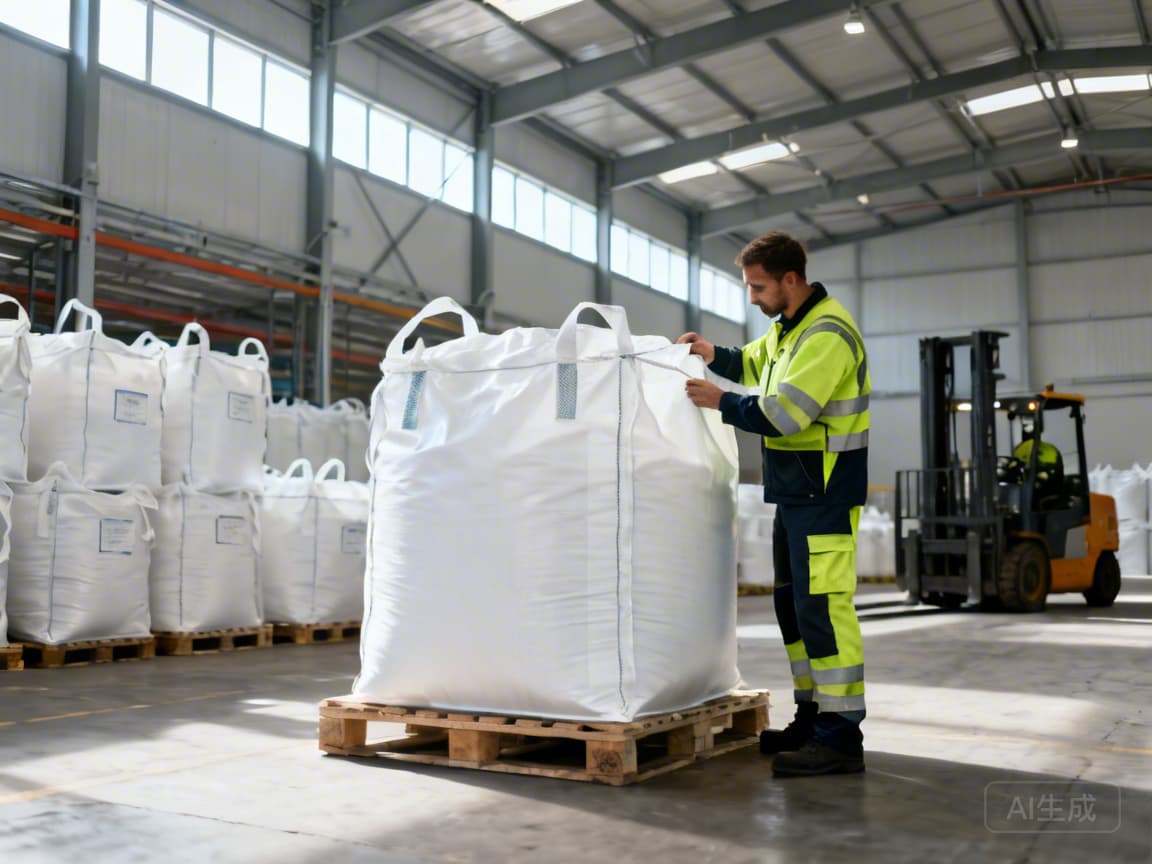
Transform FIBC Packaging: Drive 80% Green & Smart Supply Chain Growth

RUNCHEN
AuthorWith more than 25 years of experience in FIBC bulk bag manufacturing and sales, RUNCHEN operates its own production facility with stable batch capacity. We specialize in FIBC bulk bags, jumbo bags, ton bags, and customized industrial packaging solutions.
From Cost Center to Competitive Edge: How Smart FIBC Systems Drive Growth
For decades, Flexible Intermediate Bulk Containers (FIBCs) have been viewed as a simple logistics commodity—a necessary expense for moving dry bulk materials. However, a strategic shift is underway. Forward-thinking manufacturers are no longer asking "how much does a bulk bag cost?" but "how can our packaging system create value?" By reimagining FIBCs as the nexus of a connected, intelligent, and circular supply chain, businesses are unlocking new efficiencies, meeting stringent sustainability mandates, and building resilient operations. This transformation is not about a better bag; it's about leveraging the packaging system as a strategic tool for growth.
The Strategic Imperative: Why Your Current FIBC Process Is a Liability
The traditional, manual FIBC handling model is fraught with hidden costs and risks that directly impact the bottom line. It creates a critical data blind spot in the supply chain, leading to inefficient manual handling, unaccounted material loss from leaks or contamination, and inaccurate inventory counts. Furthermore, it fails to meet evolving market demands. As market insights indicate a clear shift toward green packaging claiming 80% market share and a definitive need for automated back-end packaging solutions, legacy systems fall short. They cannot provide the traceability required in food and pharmaceutical sectors or deliver the environmental data needed for ESG reporting. In an era defined by cost pressure and the push for "new quality productive forces," the packaging环节 can no longer be an isolated, analog process.
The Three-Pillar Upgrade: A Framework for Transformation
The path forward requires a systemic upgrade across three interconnected dimensions, moving from a product-centric to a solution-centric approach.
1. The Green Circular Dimension
The trend is unequivocal. To align with the 80% green packaging market shift, companies must transition from a linear "use-and-dispose" model to a circular one. This involves evaluating the total cost of ownership (TCO) of durable, multi-trip FIBCs designed for over 100 cycles versus single-use options. The strategy extends beyond the bag to establishing a closed-loop system: standardized collection, professional inspection, cleaning, and recertification processes. This circular model reduces waste, mitigates the volatility of raw material prices, and provides tangible evidence for corporate sustainability goals, transforming a cost center into a proof point for environmental stewardship.
2. The Smart & Automated Dimension
Automation is the key to unlocking efficiency and data. This pillar integrates smart FIBCs with automated handling equipment to create a seamless flow. Smart FIBCs, embedded with RFID or QR codes (evolving from simple bag tags), become unique, traceable assets. They are filled by precision bulk bag filling equipment, moved by automated bulk bag lifters, and discharged by controlled bulk bag unloaders. This ecosystem directly addresses the identified market demand for complete automated packaging and palletizing solutions. The result is a "lights-out" capable operation that slashes labor costs, eliminates manual handling injuries, ensures consistent discharge rates for production stability, and generates real-time data on material location and consumption.
3. The Service & Solution Dimension
This is where strategic partnerships replace transactional purchasing. Inspired by the approach of companies like Tech-Long, which successfully expanded by offering complete line solutions and localizing services internationally, leading FIBC bulk bag manufacturers are evolving into strategic partners. They offer Packaging-as-a-Service models: conducting onsite audits, providing custom-designed FIBCs for unique materials, managing the entire circular logistics loop, and offering rental pools. This allows manufacturing clients to focus on their core competencies while outsourcing the complexity of packaging system management to experts, ensuring peak performance and continuous innovation.
Implementing Your Upgrade: A Practical Roadmap
Transformation need not be a monolithic project. A phased, pragmatic approach de-risks the investment and demonstrates quick wins.
- Conduct a Process Audit: Map your current FIBC journey from receiving to disposal. Quantify labor hours, measure spillage and loss rates, and identify safety incidents.
- Launch a Controlled Pilot: Select a single production line or a specific high-value material. Implement a smart FIBC track-and-trace system or introduce a batch of reusable FIBCs with a managed return cycle.
- Partner Strategically: Select a supplier based on their system integration capability and strategic advisory approach, not just price-per-bag. Their role is to be a consultant, not just a vendor.
- Measure and Scale: Define KPIs from the pilot: reduction in man-hours, decrease in product loss, improvement in inventory accuracy. Use this hard data to build the business case for broader rollout.
The evolution of FIBC systems from passive containers to active, intelligent nodes is a definitive component of modern manufacturing strategy. By embracing green circular models, integrating smart automation, and forging solution-based partnerships, companies do more than optimize packaging—they build a more transparent, resilient, and sustainable supply chain capable of driving the next phase of industrial growth.
Related News
Other news you might be interested in
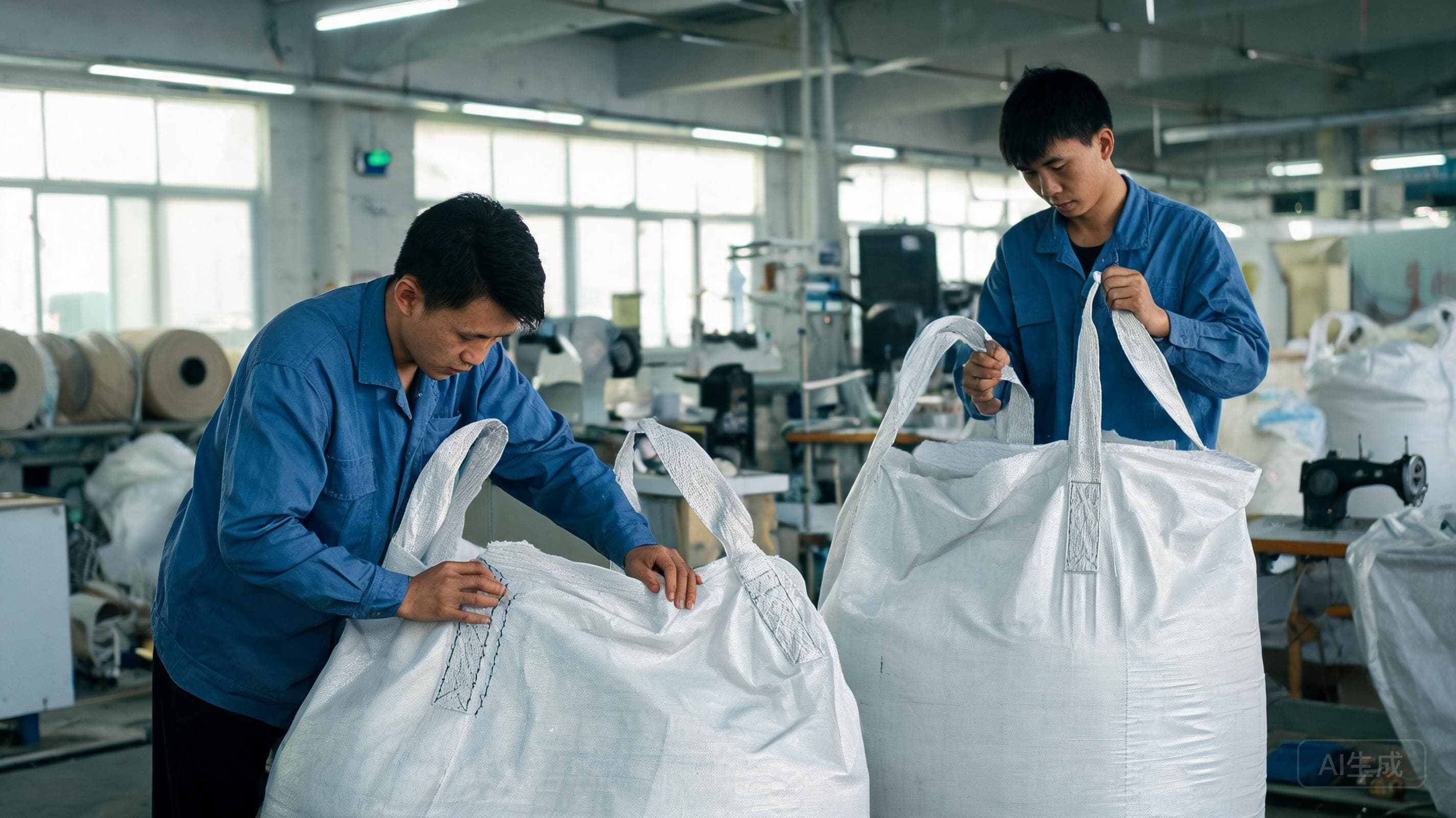
How to Choose the Right FIBC Bulk Bag for Safer, More Efficient Industrial Packaging
Choose an FIBC bulk bag by matching its construction to your product, handling process, compliance needs, and destination. Use technical review, pilot testing, and total-cost analysis to reduce risk.

Sustainable Bulk Packaging Strategies for the Modern Manufacturing Era
Discover how high-performance FIBC bulk bags reduce packaging waste, prevent product loss, and improve sustainability metrics. Learn key features, real-world results, and a step-by-step implementation roadmap to optimize your bulk packaging strategy.
Want to know more?
Get in touch with us for more information about our services and products.