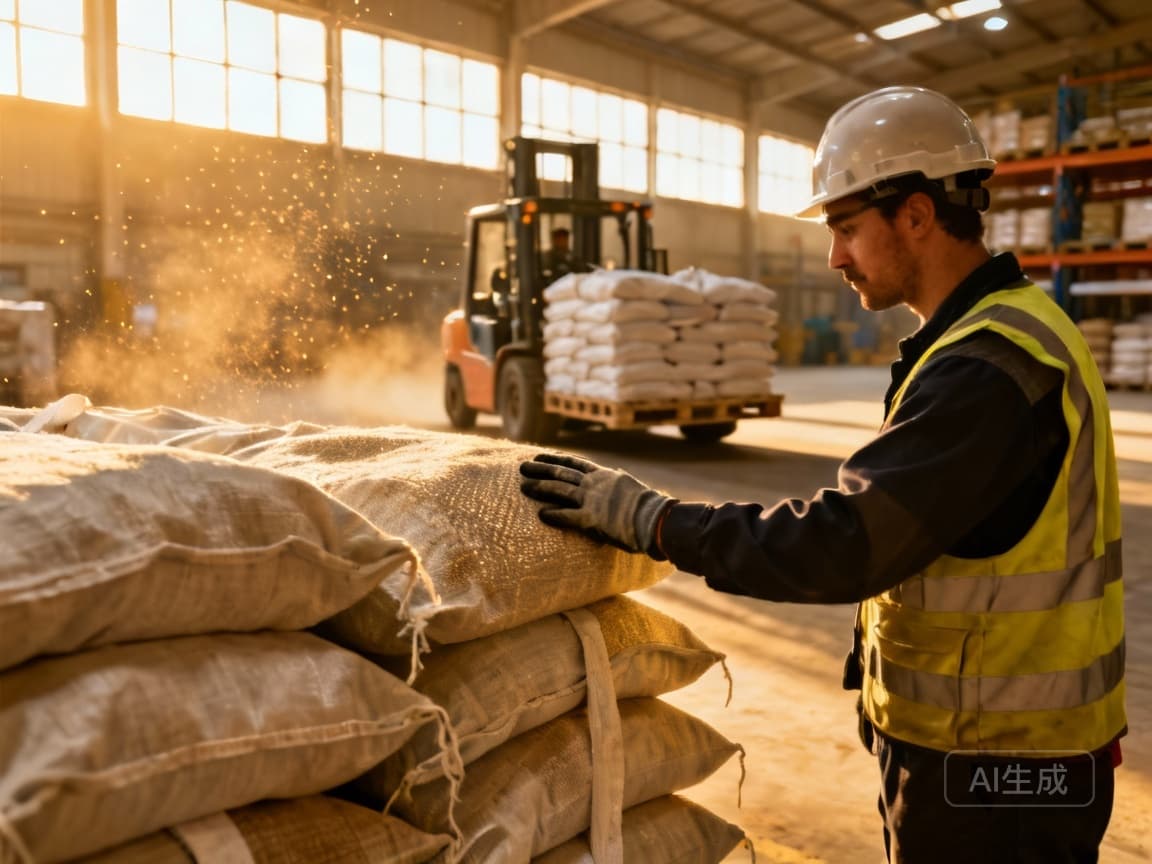
Transform FIBCs: From Cost Center to Data-Driven Supply Chain Asset #2
RUNCHEN
AuthorWith more than 25 years of experience in FIBC bulk bag manufacturing and sales, RUNCHEN operates its own production facility with stable batch capacity. We specialize in FIBC bulk bags, jumbo bags, ton bags, and customized industrial packaging solutions.
Transform FIBCs: From Cost Center to Data-Driven Supply Chain Asset
For decades, the Flexible Intermediate Bulk Container (FIBC) has been viewed through a singular, utilitarian lens: a cost-effective vessel for moving bulk materials. Procurement focuses on price-per-bag, while logistics sees only a container to be filled and shipped. This perspective relegates FIBCs to a transactional cost center, overlooking their transformative potential as intelligent nodes in a digital supply chain and strategic pillars of a circular economy. By harnessing data and rethinking lifecycle management, forward-thinking companies can unlock unprecedented efficiency, resilience, and sustainability.
The Silent Data Stream: Your Untapped Operational Intelligence
Every FIBC’s journey—from production and filling to transit, storage, and return—generates a rich stream of data. Currently, this data is largely silent. Yet, as demonstrated by momo's use of a predictive sales system to optimize logistics packaging, data is the key to moving from reactive to proactive operations. Applying this logic to FIBCs transforms them from passive containers into active data carriers.
Consider these actionable applications:
- Predictive Logistics & Inventory Optimization: By tracking FIBC location and turnover rates, companies can build accurate models for replenishment and distribution, minimizing stockouts and reducing emergency freight costs. Historical data on fill rates and transit times can optimize loading and routing, directly combating the inefficiencies that plague bulk shipping.
- Enhanced Quality Control & Traceability: For high-value materials (think specialty chemicals or food ingredients), integrating RFID tags or QR codes enables granular, batch-level traceability. This moves value beyond simple loss prevention into robust quality management and compliance systems, providing peace of mind for you and your customers.
- Maximized Asset Utilization: A digital tracking system turns a pool of FIBCs into a managed asset fleet. Knowing each bag’s location, cleanliness status, and maintenance history allows for dynamic scheduling and dispatch, dramatically increasing reuse cycles. This mirrors the core principle of momo's reusable bag program, which achieved over 25 lifecycles per bag, and applies it to an industrial scale.
The lesson from leading logistics innovators is clear: combining AI with human insight (HI) for digital transformation is key to boosting efficiency and sustainability. Your FIBCs are a critical data source waiting to be integrated.
Building the Circular FIBC: From Linear Cost to Circular Value
The linear "take-make-dispose" model for FIBCs is economically and environmentally untenable, especially amid volatile resin costs and tightening ESG mandates. The future is circular, focusing on extending lifespans and closing the loop. This requires moving beyond basic recycling talks to designing and managing FIBCs for multiple, high-value lifecycles.
A strategic circular approach operates on three levels:
- Durability by Design: The first step is extending initial lifespan. This involves specifying high-tenacity fabrics, reinforced lifting loops, and wear-resistant liners or coatings. Investing in robust design ensures FIBCs can reliably withstand dozens of trips, fundamentally improving the cost-per-use equation.
- Establishing a Recovery & Regeneration Ecosystem: This is the critical differentiator. A closed-loop system requires a dedicated process for collection, inspection, cleaning, and repair. For end-of-life bags, mechanical recycling into granulate for non-woven fabrics or new bags is a proven path. The DSM case, where a technical intervention at the "collection" stage (dust filtration) yielded a 99.9% efficiency rate, parallels the potential of a well-engineered FIBC recovery system to capture near-total material value.
- Innovating Business Models: The ultimate evolution is "FIBC-as-a-Service" (BaaS). Here, customers pay for the *use* of the bag, not the bag itself. The supplier retains ownership, managing the entire lifecycle—delivery, tracking, cleaning, repair, and final recycling. This shifts customer CAPEX to OPEX, guarantees performance, and aligns supplier incentives with longevity and recovery, forging deeper, strategic partnerships.
Your Path to Transformation: A Practical Implementation Guide
Shifting your FIBC program requires a phased, pragmatic approach. Start with a pilot focused on a high-volume, controlled lane of your supply chain.
Phase 1: Foundation (Visibility)
Digitize your asset base. Implement a simple barcode or RFID system to track FIBC issuance and returns. This baseline data on dwell times and loss rates is invaluable.
Phase 2: Integration (Intelligence)
Connect FIBC tracking data to your Warehouse Management System (WMS) or ERP. Begin analyzing patterns to optimize inventory and identify bottlenecks. Partner with a supplier who offers bags designed for durability and can provide data on bag condition.
Phase 3: Optimization (Circularity)
Formalize a reuse program with standardized, high-performance FIBCs. Work with your supplier or a third-party provider to establish a take-back and cleaning protocol. Calculate the Total Cost of Ownership (TCO) and carbon footprint reduction to quantify the business and ESG value.
The journey from viewing FIBCs as a mere packaging cost to leveraging them as data-rich, circular assets is a strategic imperative. It reduces waste and cost while building a more transparent, resilient, and sustainable supply chain. The question is no longer if you will make this shift, but how quickly you can start.
Related News
Other news you might be interested in
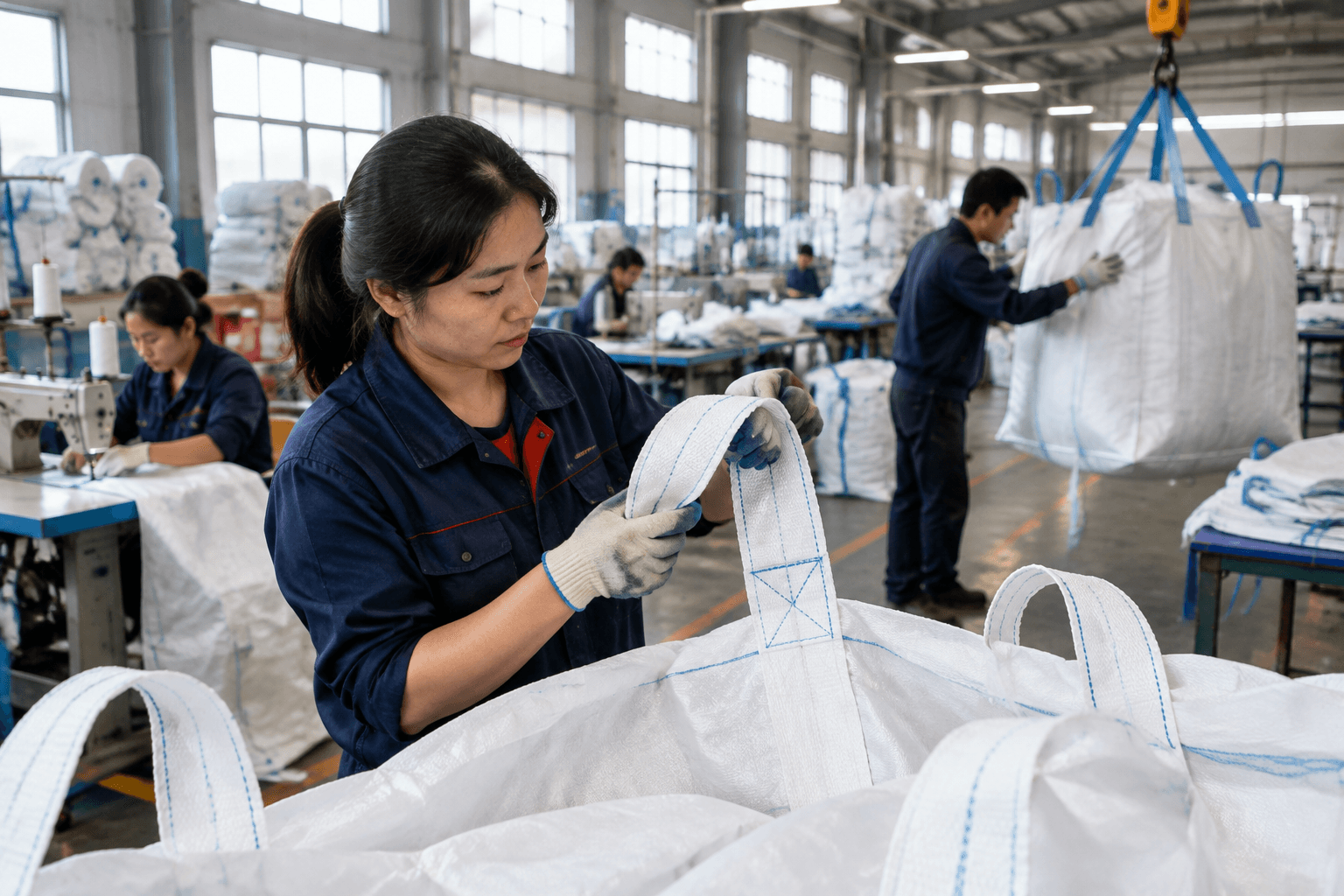
Choosing the Right Bulk Bag Manufacturer for Safer, More Efficient Operations
Learn how to specify bulk bags, evaluate manufacturers, and validate quality and supply reliability to reduce operational risk and support safer, more efficient handling.
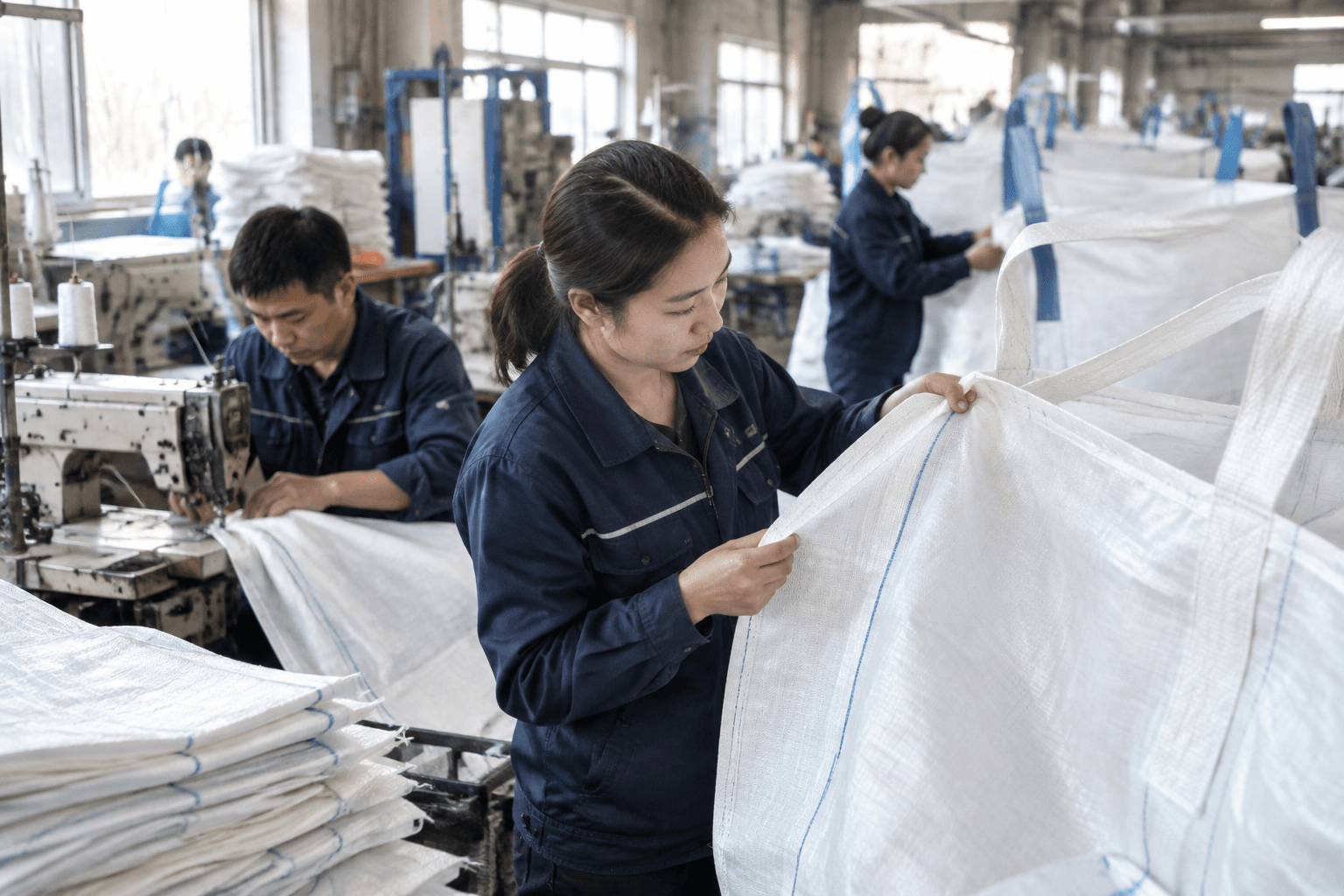
The 140th Canton Fair: New Trends in the Export Market for FIBC Bulk Bags, Jumbo Bags, and PP Woven Packaging
Explore how export buyers can evaluate FIBC bulk bags and PP woven packaging beyond unit price. Get practical guidance on specifications, supplier verification, sustainability requirements, and RFQs—and prepare your next sourcing conversation with COSEK.
Want to know more?
Get in touch with us for more information about our services and products.