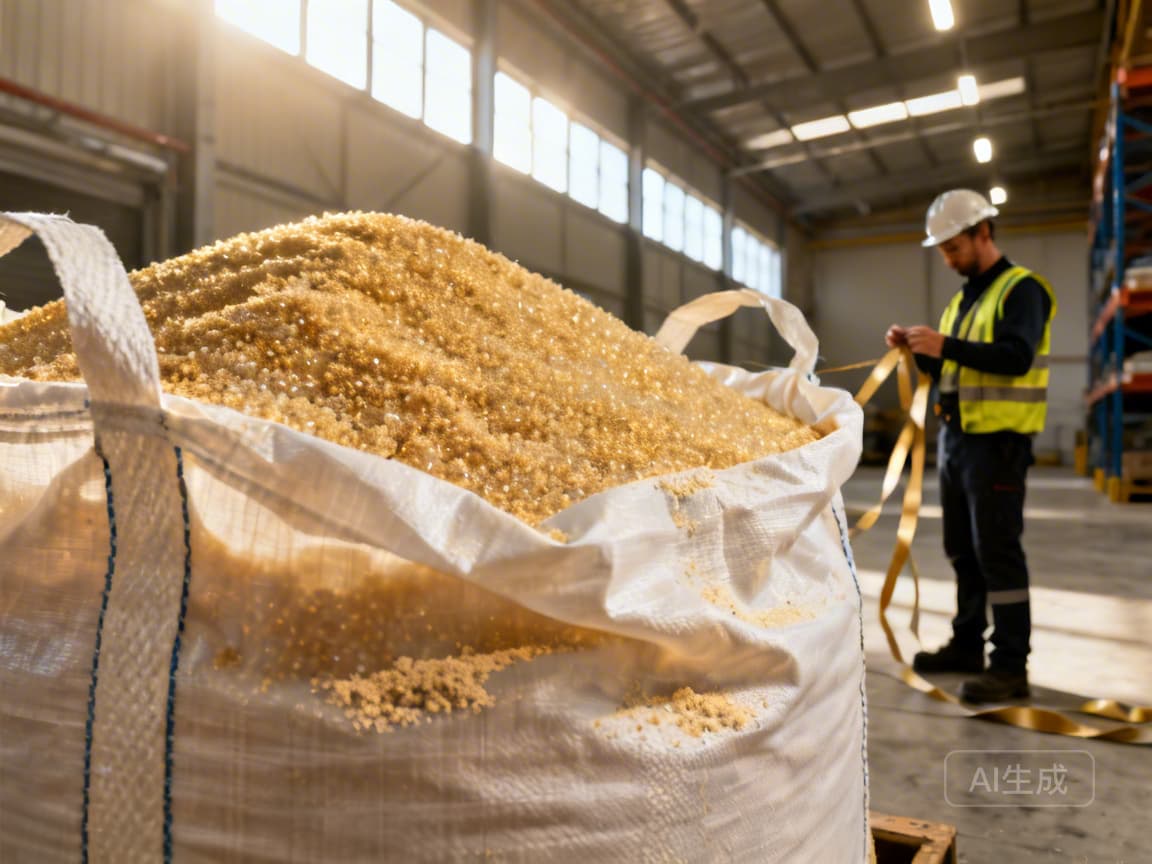
Transform FIBCs from Cost to Asset: Boost ROI 30% with Lifecycle Management

RUNCHEN
AuthorWith more than 25 years of experience in FIBC bulk bag manufacturing and sales, RUNCHEN operates its own production facility with stable batch capacity. We specialize in FIBC bulk bags, jumbo bags, ton bags, and customized industrial packaging solutions.
Transform FIBCs from Cost to Asset: Boost ROI 30% with Lifecycle Management
For decades, Flexible Intermediate Bulk Containers (FIBCs) have been viewed as a necessary line-item expense—a disposable container for moving dry bulk goods. This transactional mindset is a strategic oversight. Leading manufacturers are now redefining FIBCs as a critical, manageable asset within the supply chain, unlocking hidden value and mitigating risk. By implementing a proactive lifecycle management strategy, companies can realistically target a 30% improvement in total ROI from their bulk bag operations, transforming a cost center into a source of competitive advantage.
The Strategic Shift: From Commodity Purchase to Value Engine
The traditional procurement focus on price-per-bag is becoming obsolete. It fails to account for total cost of ownership, which includes efficiency losses, compliance penalties, and brand reputation risks. Concurrently, macro trends are elevating packaging to a strategic level. The global mono-material packaging market, valued at $39.4 billion in 2024, is growing at a 7.7% CAGR, driven by regulatory pressure and brand sustainability goals. Similarly, the cosmetics packaging sector is surging, with a 12.6% CAGR forecasted for 2025-2029, heavily influenced by demand for green solutions.
These trends are not just about consumer goods. They signal a broader shift where packaging choices directly impact market access and partner selection. As seen in the success of companies like Trust Group, becoming a "hidden champion" for major brands involves aligning your solutions—including industrial packaging—with their sustainability narratives and operational excellence goals.
The Four Pillars of FIBC Lifecycle Asset Management
To capture this value, a holistic view of the FIBC journey is essential. Here is the actionable framework for implementation.
1. Design for Compliance & Circularity
The lifecycle begins with design. Proactive companies are engineering FIBCs not just for the first use, but for the entire loop. This means:
- Material Selection: Evaluating resins for recyclability and compatibility with growing mono-material streams to secure future compliance with regulations like the EU Green Deal.
- Standardization: Reducing SKU complexity to streamline handling, repair, and recycling processes.
- Traceability: Integrating QR codes or RFID tags to track bag history, usage cycles, and end-of-life destination.
Investing in upstream design, akin to Tech-Long's establishment of a national R&D center to meet Coca-Cola's standards, prevents costly downstream compliance failures and positions you as a solutions partner, not just a supplier.
2. Integrate for Operational Efficiency
An FIBC is a node in a material handling system. Its value is maximized when it integrates seamlessly. Focus on the interfaces:
- Fill/Discharge Compatibility: Work with equipment manufacturers to ensure bag spouts and lifters are optimized for automated filling stations and bulk bag unloaders, minimizing dust, spillage, and downtime.
- Storage & Handling: Design for safe stacking and retrieval in warehouse environments. A minor design tweak can significantly reduce handling time and damage rates.
3. Implement a Cycle of Use, Inspection, and Reuse
This is the core of asset management. A single-use bag is a wasted asset. A formalized process extends life and value:
- Condition Assessment: After each trip, bags undergo a rigorous inspection against standardized criteria (e.g., seam integrity, contamination, fabric wear).
- Cleaning & Repair: Certified facilities clean and repair bags to a like-new performance standard, often at a fraction of the cost of a new bag.
- Re-certification: Repaired bags are tested and tagged for a specified number of additional safe uses, creating a certified circular flow within your operation.
4. Manage End-of-Life for Maximum Recovery
When an FIBC is truly spent, responsible decommissioning captures final value.
- Granulation & Recycling: Clean, mono-material FIBCs have high recycling value, turning waste into feedstock for new products.
- Responsible Diversion: Partner with certified recyclers to ensure bags do not end up in landfills, supporting corporate ESG reporting and potentially generating revenue from scrap.
Calculating the 30% ROI: A Practical Model
Where does the 30% ROI improvement come from? Consider this simplified model comparing a transactional purchase to an asset-managed program for 1,000 bags:
- Transactional Model (Cost): Purchase 1,000 new bags annually @ $20/bag = $20,000 yearly cost.
- Asset Management Model (Investment): Initial purchase of 1,200 bags (to account for rotation). Year 2+: 30% of stock is repaired annually @ $8/bag, 20% is recycled with scrap value recouped. After Year 1, annual cost drops to ~$14,000.
The ~30% annual savings is compounded by reduced disposal fees, lower risk of line stoppages from bag failure, and the intangible value of enhanced sustainability credentials that can win business from ESG-conscious partners.
Becoming a Strategic Partner
The journey from viewing FIBCs as a cost to managing them as an asset mirrors the evolution of leading B2B suppliers. It requires shifting the conversation from price to total value—encompassing system efficiency, risk reduction, and sustainability. By adopting this lifecycle mindset, you do more than save money. You build a more resilient, efficient, and responsible supply chain, transforming your bulk bags into a true competitive asset.
Related News
Other news you might be interested in
How to Select High-Performance FIBC Bags for Safer, More Sustainable Bulk Material Handling
Compare FIBC construction, safety, liners, discharge systems, quality controls, and supplier capability to reduce risk, protect products, improve efficiency, and control total cost.
Sustainable Bulk Bag Solutions: Driving ESG Compliance, Cost Reduction, and Supply Chain Efficiency for Industrial Enterprises
See how COSEK bulk bags help industrial enterprises reduce packaging and logistics costs, support ESG reporting, protect product integrity, and improve supply chain efficiency with fit-for-purpose designs.
Want to know more?
Get in touch with us for more information about our services and products.