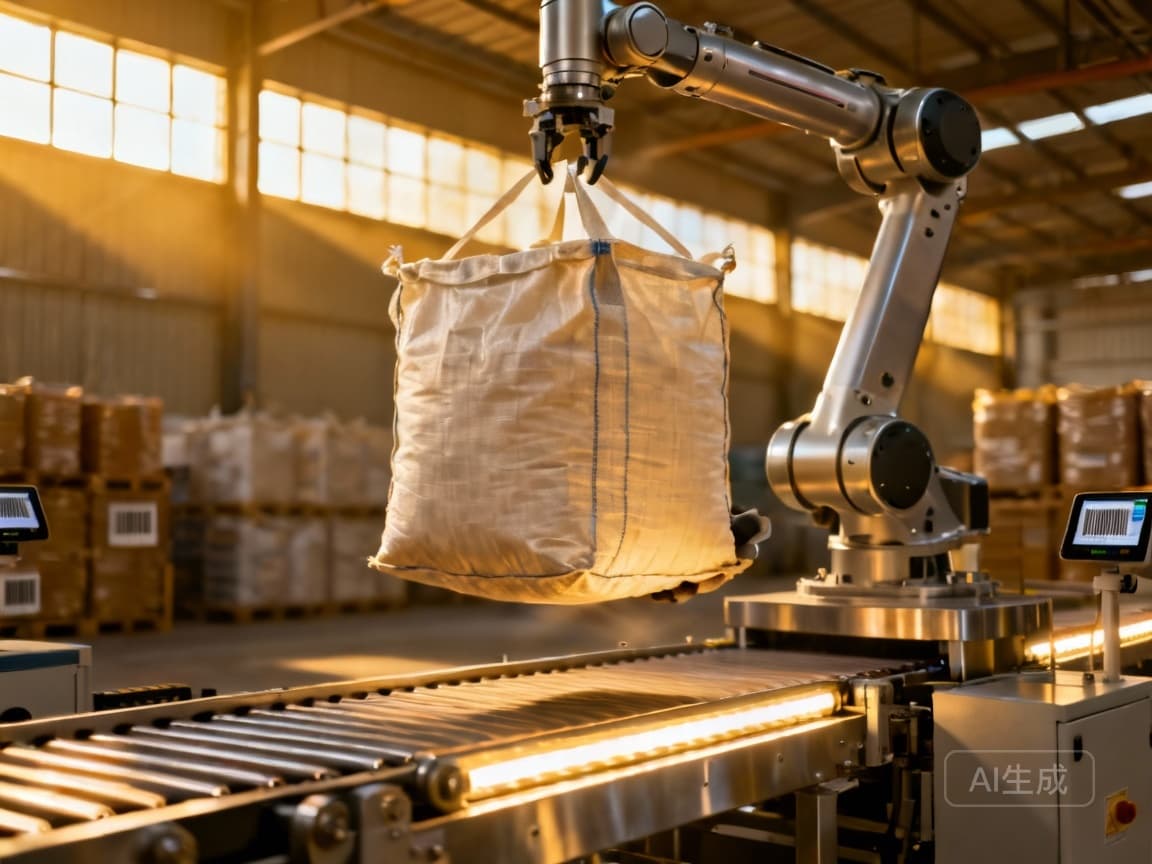
Transform FIBCs into Smart Supply Chain Nodes: Cut Costs 20% & Boost Efficiency #14
RUNCHEN
AuthorWith more than 25 years of experience in FIBC bulk bag manufacturing and sales, RUNCHEN operates its own production facility with stable batch capacity. We specialize in FIBC bulk bags, jumbo bags, ton bags, and customized industrial packaging solutions.
Transform FIBCs into Smart Supply Chain Nodes: Cut Costs 20% & Boost Efficiency
For decades, the Flexible Intermediate Bulk Container (FIBC) has been viewed as a commodity—a simple, durable bag for moving bulk materials. This perspective limits its value to a single line item: packaging cost. However, forward-thinking manufacturers are reimagining the humble ton bag as a strategic asset. By integrating FIBCs into automated workflows, embedding them with data, and managing them as a circular asset, companies can transform a passive container into an active, intelligent node in the supply chain. This shift from product to process is the key to unlocking significant efficiency gains and cost savings, with leading implementations demonstrating potential for 20% or greater reductions in total handling costs.
The Strategic Shift: From Cost Center to Process Enabler
The real value of an FIBC is not measured when it sits in a warehouse, but as it moves through your operation. Every touchpoint—filling, handling, storage, discharging, and return—represents an opportunity for optimization or a point of friction. As highlighted in the Mark Bridges case study, industrial manufacturers facing saturated markets are turning to automation and process innovation to simplify operations and reduce production costs. The FIBC is central to this mission. The industry's search patterns confirm this focus, with high intent on terms like `bulk bag filling equipment` and `bulk bag discharger`. The conversation is no longer just about the bag, but about the system it operates within.
Pillar 1: Seamless Automation Integration
The first step is making your packaging an intelligent interface for your production line. Standardized, high-quality FIBCs with consistent loop placement, discharge spout design, and lifting configurations enable "plug-and-play" integration with automated systems. Consider the results from Holland Mechanics, which implemented a flexible, modular assembly line solution to achieve a 30% increase in logistics efficiency and a 20% boost in assembly efficiency. While their solution was for bicycle assembly, the principle is identical: standardized, predictable interfaces between components reduce downtime, minimize manual handling, and accelerate throughput. An FIBC designed for automation eliminates guesswork for robotic arms and filling heads, turning a variable process into a reliable, repeatable one.
Process optimization and innovation are key to responding to competition and market saturation. - Mark Bridges Case Study
Pillar 2: Data Traceability for Resilient Supply Chains
In high-value, high-regulation industries like pharmaceuticals and fine chemicals, the contents of an FIBC are as critical as the bag itself. Here, the FIBC evolves from a container into a data carrier. By equipping bags with scannable QR codes, RFID tags, or even IoT sensors, you can bind critical data—batch number, manufacture date, quality certificates, temperature logs—directly to the physical asset. This creates full lot-to-bag traceability.
This capability addresses a core need in sectors like pharmaceuticals, where 2024 data shows a market size exceeding ¥12.3 trillion (approx. $1.7 trillion) in China alone, with companies like Health元药业集团 driving growth through rigorous quality management. A single material mix-up in such an environment can lead to catastrophic recalls and financial loss. A traceable FIBC system becomes a cornerstone of cGMP compliance and supply chain resilience, providing the transparency needed for both internal quality control and external audits.
Implementing the Smart FIBC Strategy: A Practical Roadmap
Transforming your FIBC strategy requires a move beyond procurement and into operational planning. Follow these actionable steps to begin the transition.
- Conduct a Process Audit: Map the entire journey of an FIBC in your facility, from receipt to disposal or return. Identify every manual touchpoint, wait time, and potential point of contamination or error. This map is your baseline for improvement.
- Specify for Integration: Work with your FIBC supplier not as a vendor, but as an engineering partner. Develop specifications that ensure dimensional and performance consistency for automated handling. Use tools like an "Automation Compatibility Checklist" to evaluate design features.
- Pilot a Traceability Program: Start with a critical product line. Implement a simple, unique identifier (UID) system on your FIBCs—even basic serialized barcodes—and track them through key process stages. Measure the time saved in inventory checks and the reduction in documentation errors.
- Model the Total Cost of Ownership (TCO): Move beyond unit price. Calculate all costs associated with your FIBC program: purchasing, storage, internal handling, waste disposal fees, and labor. Then, model a circular system where bags are tracked, professionally inspected, cleaned, and reused. As seen in the AI Agents Agency case, automating and optimizing business processes delivers measurable results in cost reduction and operational efficiency. A digital platform to manage this cycle maximizes asset utilization.
The Bottom Line: Redefining Value
The future of industrial packaging is intelligent, integrated, and circular. By viewing FIBCs as smart supply chain nodes, manufacturers can achieve the dual mandate of driving down costs and building more robust, transparent, and sustainable operations. The data and case studies are clear: incremental savings come from negotiating bag prices, but transformative gains—like the 20% efficiency targets—come from optimizing the entire process the bag enables. It’s time to stop just buying bags and start engineering your material flow.
Related News
Other news you might be interested in
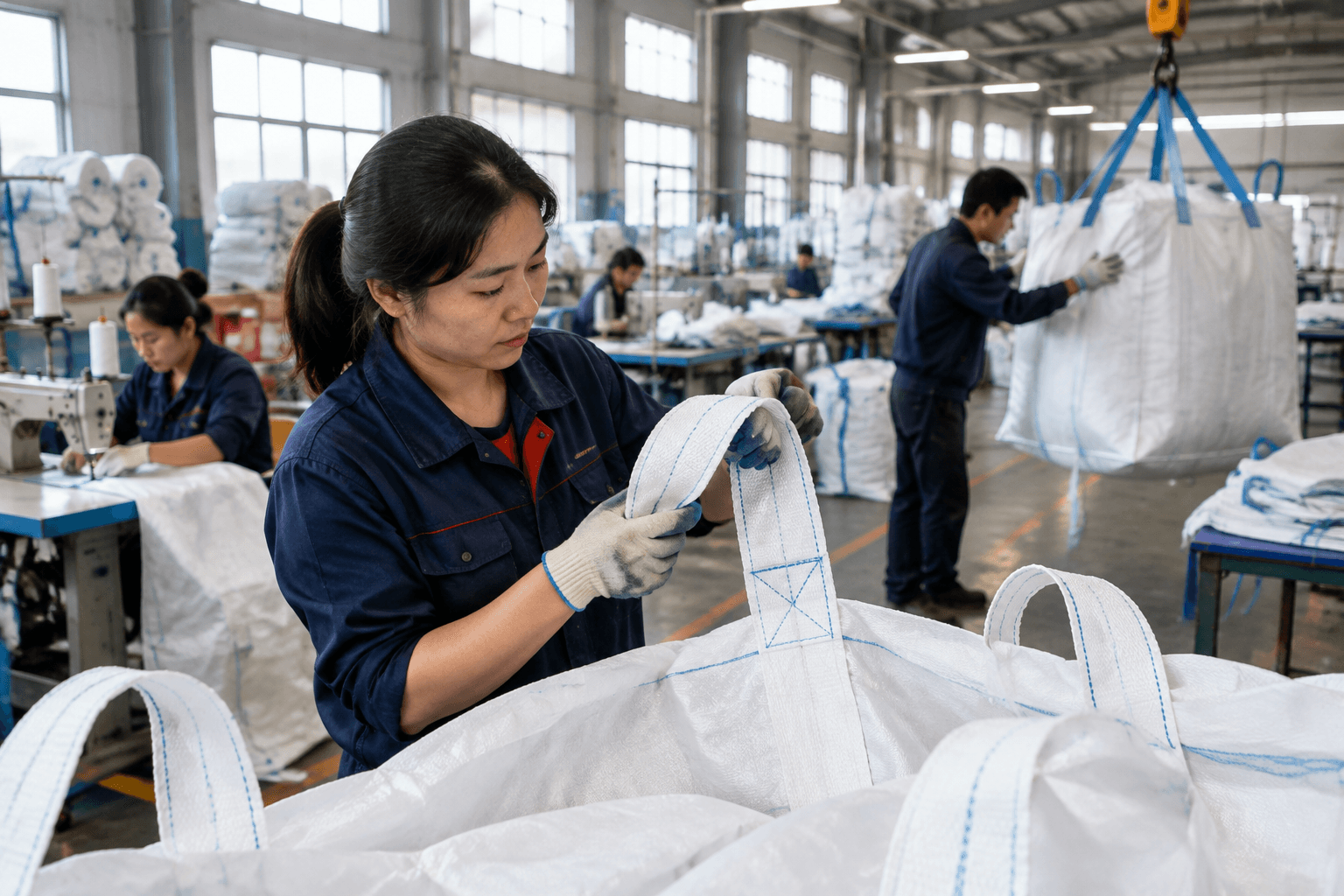
Choosing the Right Bulk Bag Manufacturer for Safer, More Efficient Operations
Learn how to specify bulk bags, evaluate manufacturers, and validate quality and supply reliability to reduce operational risk and support safer, more efficient handling.
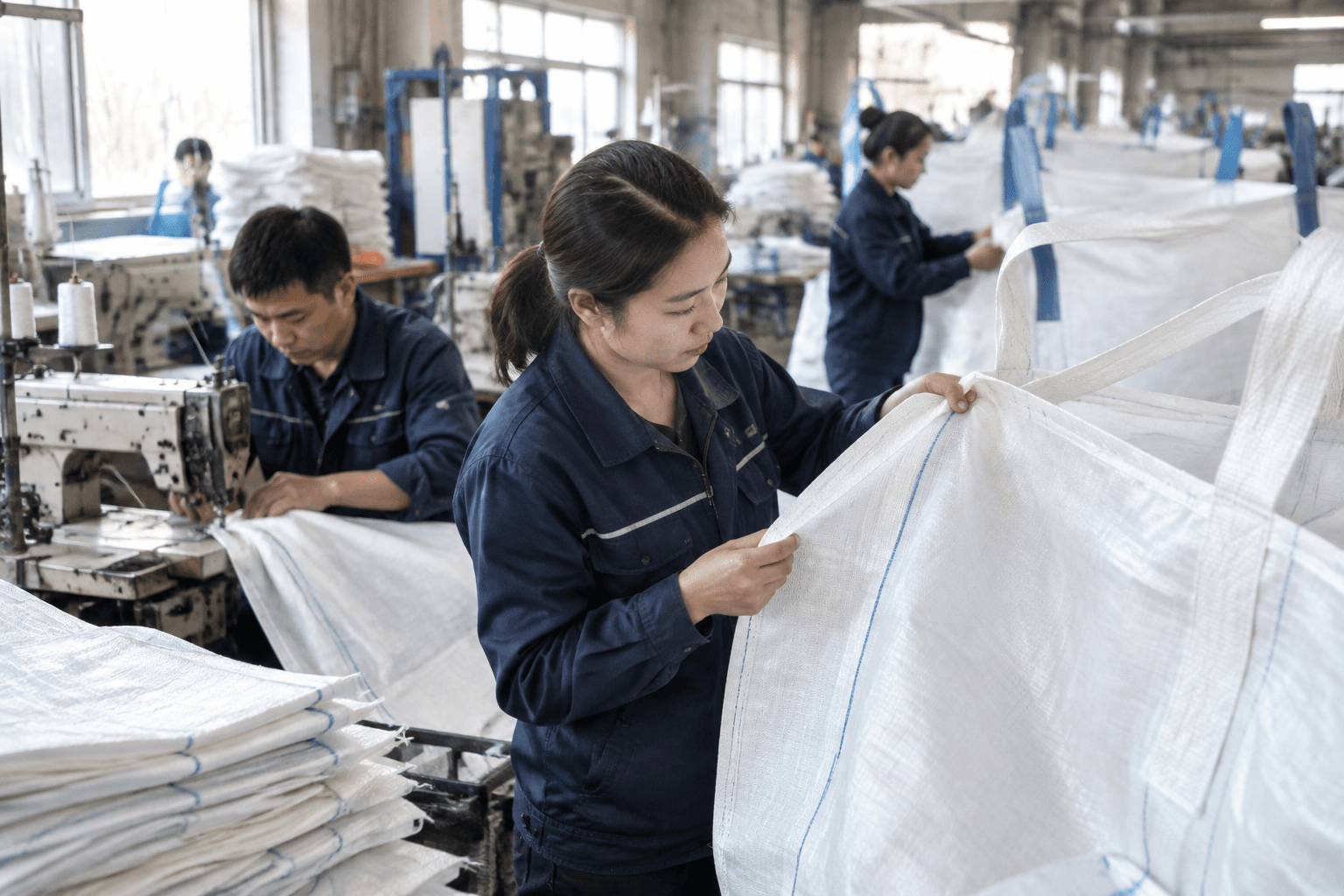
The 140th Canton Fair: New Trends in the Export Market for FIBC Bulk Bags, Jumbo Bags, and PP Woven Packaging
Explore how export buyers can evaluate FIBC bulk bags and PP woven packaging beyond unit price. Get practical guidance on specifications, supplier verification, sustainability requirements, and RFQs—and prepare your next sourcing conversation with COSEK.
Want to know more?
Get in touch with us for more information about our services and products.