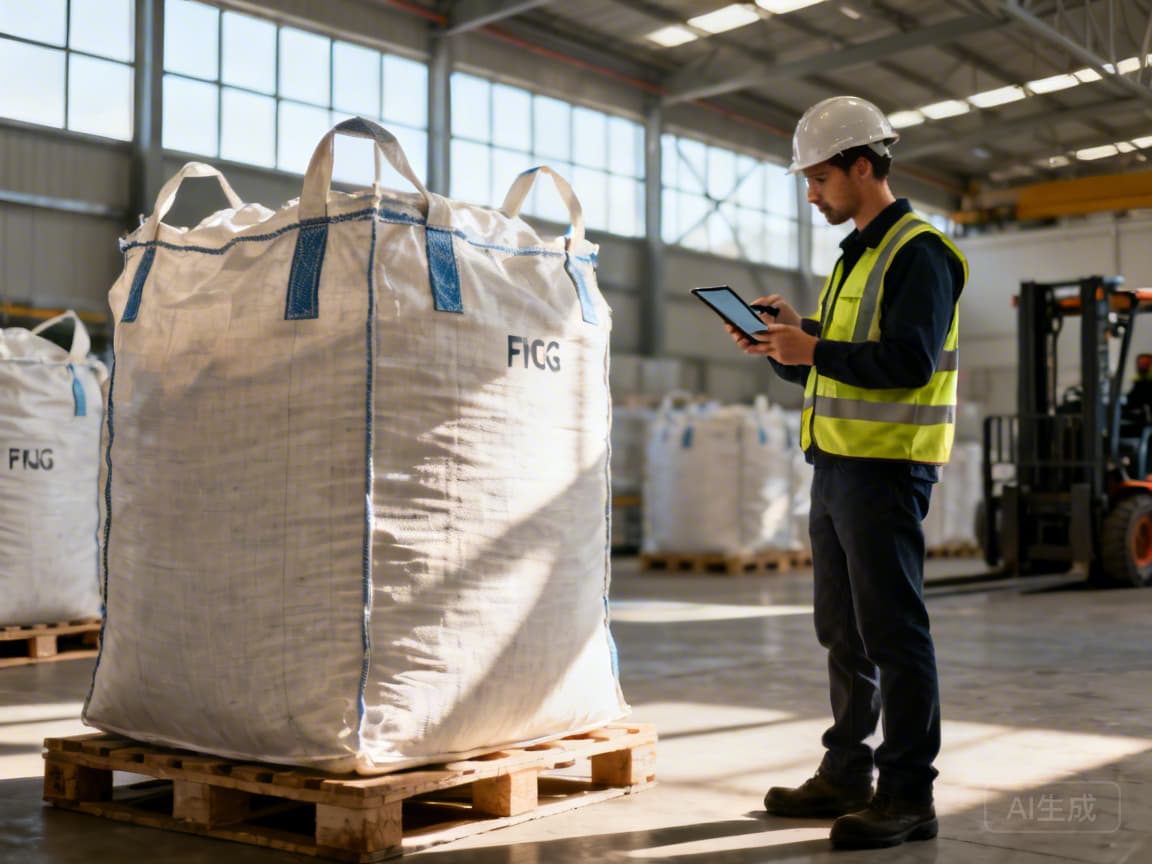
Transform Ton Bags into Data Assets: Boost Supply Chain ROI by 544%
RUNCHEN
AuthorWith more than 25 years of experience in FIBC bulk bag manufacturing and sales, RUNCHEN operates its own production facility with stable batch capacity. We specialize in FIBC bulk bags, jumbo bags, ton bags, and customized industrial packaging solutions.
Transform Ton Bags into Data Assets: Boost Supply Chain ROI by 544%
For decades, Flexible Intermediate Bulk Containers (FIBCs or ton bags) have been viewed as a cost center—a necessary expense for protection and transport. This perspective is a strategic blind spot. In today's data-driven, sustainability-focused supply chain, your packaging is not just a container; it's a critical node in your operational data flow and a tangible asset in your ESG portfolio. By reimagining the humble ton bag as a connected, intelligent unit, forward-thinking companies can unlock efficiencies and returns that rival high-tech investments, with documented ROI improvements exceeding 500%.
The Strategic Shift: From Cost to Connected Intelligence
The global push for supply chain digitization and circularity is undeniable. Markets are transforming towards high-end, diversified, and green circular development, with the sustainable packaging sector alone projected to be worth tens of billions annually. Meanwhile, leaders in other sectors are leveraging data for monumental gains. Consider the Fortune 500 tech company that used AI-powered predictive analytics to achieve a 42% reduction in customer acquisition cost and a 156% increase in conversion rates, realizing an average ROI of 544%. The principle is transferable: applying intelligent, data-centric strategies to physical assets drives disproportionate value.
For bulk packaging, this means a fundamental shift. The goal is no longer just to find the lowest-cost-per-use bag. The modern objective is to deploy a packaging system that enhances supply chain visibility, quantifies sustainability impact, and builds operational resilience. Your ton bags are the perfect vehicle for this transformation.
1. The Data-Driven FIBC: Your Silent Logistics Manager
Each bag's journey—from filling and shipping to storage, emptying, and return—generates a wealth of untapped data. By integrating simple, durable technologies like RFID tags or QR codes, a ton bag becomes a "smart asset." This enables:
- Real-Time Visibility: Track location and status across the supply chain, reducing loss and improving inventory accuracy.
- Predictive Analytics: Monitor usage cycles and wear patterns. By creating a "health profile" for each bag, you can schedule maintenance or retirement before failure, preventing costly production downtime or safety incidents—mirroring the predictive value seen in advanced manufacturing PLM solutions.
- Process Optimization: Data on dwell times and turnover rates pinpoints bottlenecks, enabling continuous improvement in warehouse and transport logistics.
Just as AI marketing platforms transformed demand generation by acquiring customers "at lower cost with higher quality," intelligent packaging transforms asset management by providing visibility at lower risk with higher efficiency.
2. Quantifying the Green Premium: From Expense to ESG Investment
Sustainability is a powerful market driver, with demand for green packaging significantly increasing globally. However, vague claims of "recyclability" are no longer sufficient. Strategic partners help clients build a verifiable, closed-loop system that directly impacts Scope 3 emissions reporting.
The investment in durable, recyclable FIBCs shifts from a premium cost to a strategic one with a clear ROI model. Consider this framework:
- Initial Investment: Higher-grade, certified reusable or recyclable FIBCs.
- Recurring Value Drivers: Extended lifespan, reduced failure rates, and lower per-trip cost.
- Strategic & Financial Returns: Measured reduction in virgin material use, carbon tax avoidance, brand value enhancement, and secure access to regulated markets like Europe, where circular economy regulations are stringent.
This creates a compelling financial narrative, moving beyond cost savings to value creation, much like the documented high-ROI projects in other industries.
3. Building Supply Chain Resilience with Agile Packaging
Recent disruptions have proven that flexibility is paramount. A strategic packaging partner provides more than bags; they provide risk mitigation. This involves:
- Modular Design: Offering a "platform" of standardized bags with configurable features allows for rapid adaptation to changing material or shipping requirements.
- Supplier Network Strategy: A robust supply partner should offer, or help you build, a diversified supplier network evaluated on criteria like geographic location, backup capacity, and innovation—not just unit price. This transparency and strategic guidance build critical trust.
Implementation: Your Roadmap to Transformation
The journey from passive packaging consumer to active asset manager requires a phased approach, informed by the implementation experiences of technology leaders where adoption strategy directly impacted ROI speed.
- Audit & Baseline: Analyze current total packaging costs, including hidden expenses from waste, downtime, and manual tracking.
- Pilot a Connected Loop: Start small. Implement a tracked, returnable FIBC program on a single product line or with one key facility to gather data and prove the concept.
- Integrate Systems: Work with a provider capable of ensuring packaging data feeds into your ERP or WMS, turning data into actionable insights.
- Scale and Report: Expand the program, and formally quantify the gains in efficiency, cost reduction, and carbon footprint for internal and ESG reporting.
The packaging industry is at an inflection point, driven by the convergent forces of digitization and sustainability. By treating your ton bags as strategic data assets and circular economy tools, you can transform a traditional cost center into a powerhouse for efficiency, resilience, and provable financial return. The question is no longer if you can afford to invest in smarter packaging, but if you can afford not to.
Related News
Other news you might be interested in
The 140th Canton Fair: New Trends in the Export Market for FIBC Bulk Bags, Jumbo Bags, and PP Woven Packaging
Explore how export buyers can evaluate FIBC bulk bags and PP woven packaging beyond unit price. Get practical guidance on specifications, supplier verification, sustainability requirements, and RFQs—and prepare your next sourcing conversation with COSEK.

How to Choose the Right FIBC Bulk Bag for Safer, More Efficient Industrial Packaging
Choose an FIBC bulk bag by matching its construction to your product, handling process, compliance needs, and destination. Use technical review, pilot testing, and total-cost analysis to reduce risk.
Want to know more?
Get in touch with us for more information about our services and products.