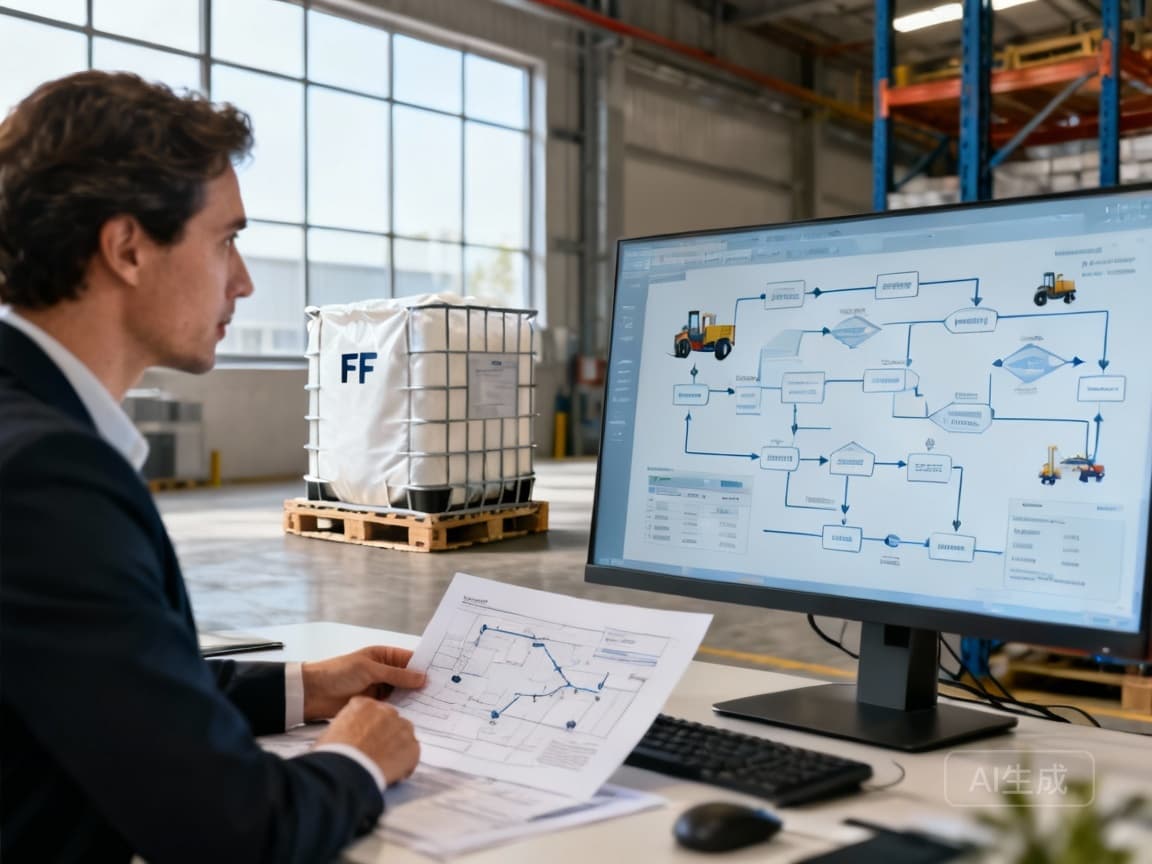
Transform Your FIBC Supply Chain into a 35% Growth Driver #10
RUNCHEN
AuthorWith more than 25 years of experience in FIBC bulk bag manufacturing and sales, RUNCHEN operates its own production facility with stable batch capacity. We specialize in FIBC bulk bags, jumbo bags, ton bags, and customized industrial packaging solutions.
From Cost Center to Growth Engine: Reframing Your FIBC Strategy
For procurement and operations managers, Flexible Intermediate Bulk Containers (FIBCs) have long been viewed through a singular lens: a necessary cost of doing business. The focus remains on specifications, pricing, and basic logistics. Yet, a deeper analysis of broader industrial trends reveals a critical disconnect. While businesses grapple with strategic imperatives like overseas expansion, supply chain resilience, and sustainable growth, their packaging strategy often remains tactical. This article argues for a fundamental shift. By repositioning your FIBC supply chain from a passive "cost center" to an active "strategic enabler," you can unlock new efficiencies, mitigate risks, and directly contribute to top-line growth. The opportunity lies not in the bag itself, but in the value chain it empowers.
The Strategic Imperative: Aligning FIBCs with Core Business Goals
Consider the challenges highlighted in recent market insights. The pharmaceutical manufacturing sector, for instance, faces revenue pressure yet is actively seeking to boost overseas market share through accelerated international product registration and certification. Simultaneously, leading energy groups are focusing on optimizing operations to improve output and expand service offerings, such as steam supply, while navigating new carbon markets. These are not procurement problems; they are strategic business objectives where packaging plays a pivotal, yet often overlooked, role.
The traditional search for "bulk bag suppliers" reflects a transactional mindset. The forward-thinking question is: "How can our FIBC partner help us enter new markets, ensure operational continuity, and meet sustainability mandates?" This requires moving beyond a buyer-vendor relationship to a collaborative partnership focused on Total Cost of Ownership (TCO) and shared value creation. The case for process optimization and innovation, as seen in other industrial contexts, applies directly here. A strategic FIBC partnership is a form of operational innovation.
Three Pillars for Transforming Your FIBC Supply Chain
Transforming this vision into reality rests on three interconnected pillars, each turning a common challenge into a competitive advantage.
1. Supply Chain Resilience as a Market Access Tool
Entering regulated markets like pharmaceuticals or high-value food ingredients requires more than just a quality product; it demands an impeccable supply chain. Your packaging is a critical component of your product's regulatory dossier. A FIBC that meets GMP standards, offers full material traceability, and is designed to prevent contamination isn't just a container—it's a compliance instrument.
By partnering with an FIBC manufacturer experienced with FDA or EDQM expectations, a chemical or API producer can significantly streamline client audits and accelerate partnership timelines, directly supporting growth in high-value overseas markets.
Actionable Step: Develop a supplier assessment checklist that goes beyond price and lead time. Include criteria like relevant industry-specific certifications, documented clean-in-place protocols, and material sourcing transparency.
2. From Transaction to Value-Creation Partnership
The most advanced companies view their key suppliers as extensions of their R&D and engineering teams. This is the essence of the "long-term strategic partner relationships" highlighted in market analyses. For FIBCs, this means co-developing solutions for specific challenges: creating anti-static, UV-resistant, or uniquely colored bags for new product lines; designing for circularity to address recycling challenges; or engineering bags that interface seamlessly with automated filling and discharging equipment to boost overall line efficiency.
Actionable Step: Evaluate your current FIBC relationship using a "Strategic Partnership Maturity Model." Are interactions purely transactional, or do they involve joint planning, shared data, and co-development of new solutions? Identify one operational bottleneck where collaborative design with your FIBC partner could yield measurable efficiency gains.
3. Data-Driven Operations and the Sustainability Loop
FIBCs are constant companions in your material flow, making them ideal vectors for data and sustainability initiatives. In sectors like waste-to-energy or biomass power generation—where optimizing fuel mix and inventory is crucial for stable steam output—smart FIBCs equipped with RFID or NFC tags can be transformative. These enable real-time tracking, automated weight logging, and precise blend control, feeding data directly into plant management systems.
This data integration allows for dynamic adjustment of feedstocks, leading to more consistent thermal output and reduced operational variance. The result is a direct contribution to the business goal of reliable, expanded steam supply. Furthermore, durable, reusable, or recyclable FIBC designs directly support corporate ESG commitments and can play a role in managing carbon asset portfolios.
Actionable Step: Create a simple ROI framework for FIBC digitization. Factor in not just tag costs, but the potential value from reduced material loss, lower safety stock requirements, decreased handling time, and improved production stability.
Conclusion: Building a Competitive Moat
The journey from viewing FIBCs as a commodity to leveraging them as a strategic asset requires a change in perspective at the leadership level. It involves asking your team—and your supplier—different questions. Stop focusing solely on "what does this bag cost?" and start investigating "what value can this bag help us create?"
The provided insights from adjacent industries clearly show the path forward: competitive advantage comes from optimizing the entire value chain, fostering deep supplier partnerships, and leveraging data for smarter operations. Your FIBC supply chain, often running quietly in the background, holds untapped potential to drive quality growth, enhance resilience, and build a formidable competitive moat. The first step is to reconceive its role from the ground up.
Related News
Other news you might be interested in
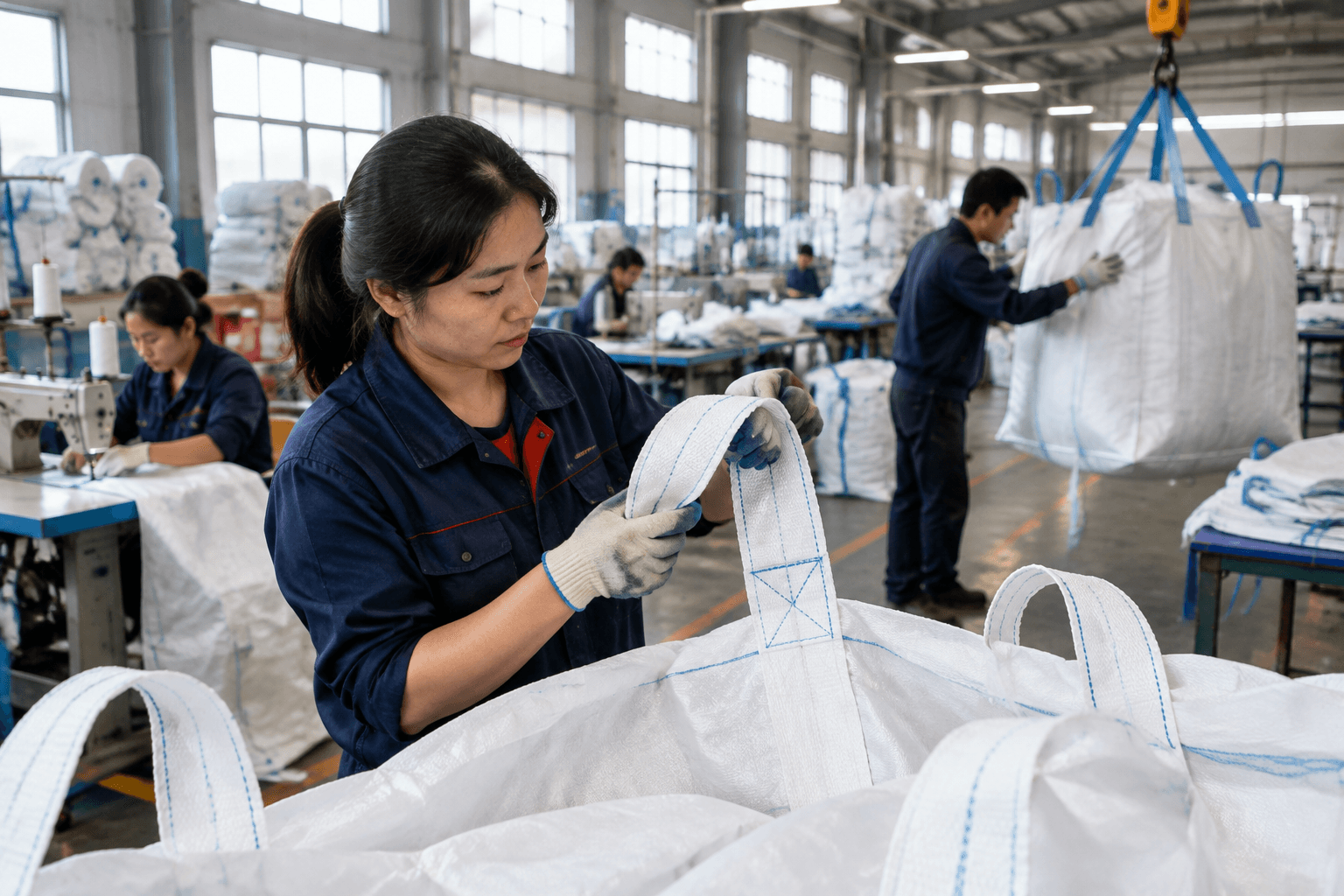
Choosing the Right Bulk Bag Manufacturer for Safer, More Efficient Operations
Learn how to specify bulk bags, evaluate manufacturers, and validate quality and supply reliability to reduce operational risk and support safer, more efficient handling.
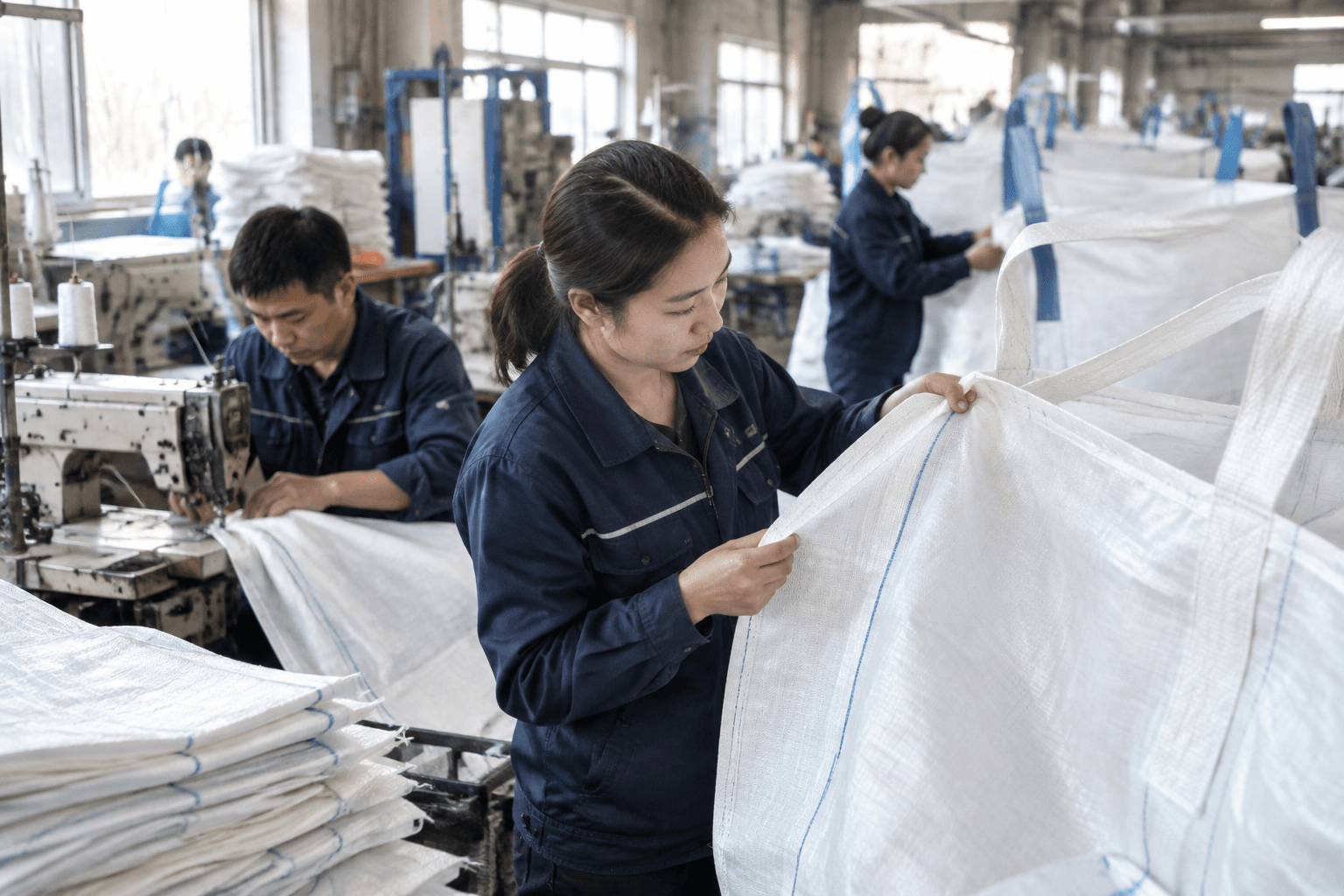
The 140th Canton Fair: New Trends in the Export Market for FIBC Bulk Bags, Jumbo Bags, and PP Woven Packaging
Explore how export buyers can evaluate FIBC bulk bags and PP woven packaging beyond unit price. Get practical guidance on specifications, supplier verification, sustainability requirements, and RFQs—and prepare your next sourcing conversation with COSEK.
Want to know more?
Get in touch with us for more information about our services and products.