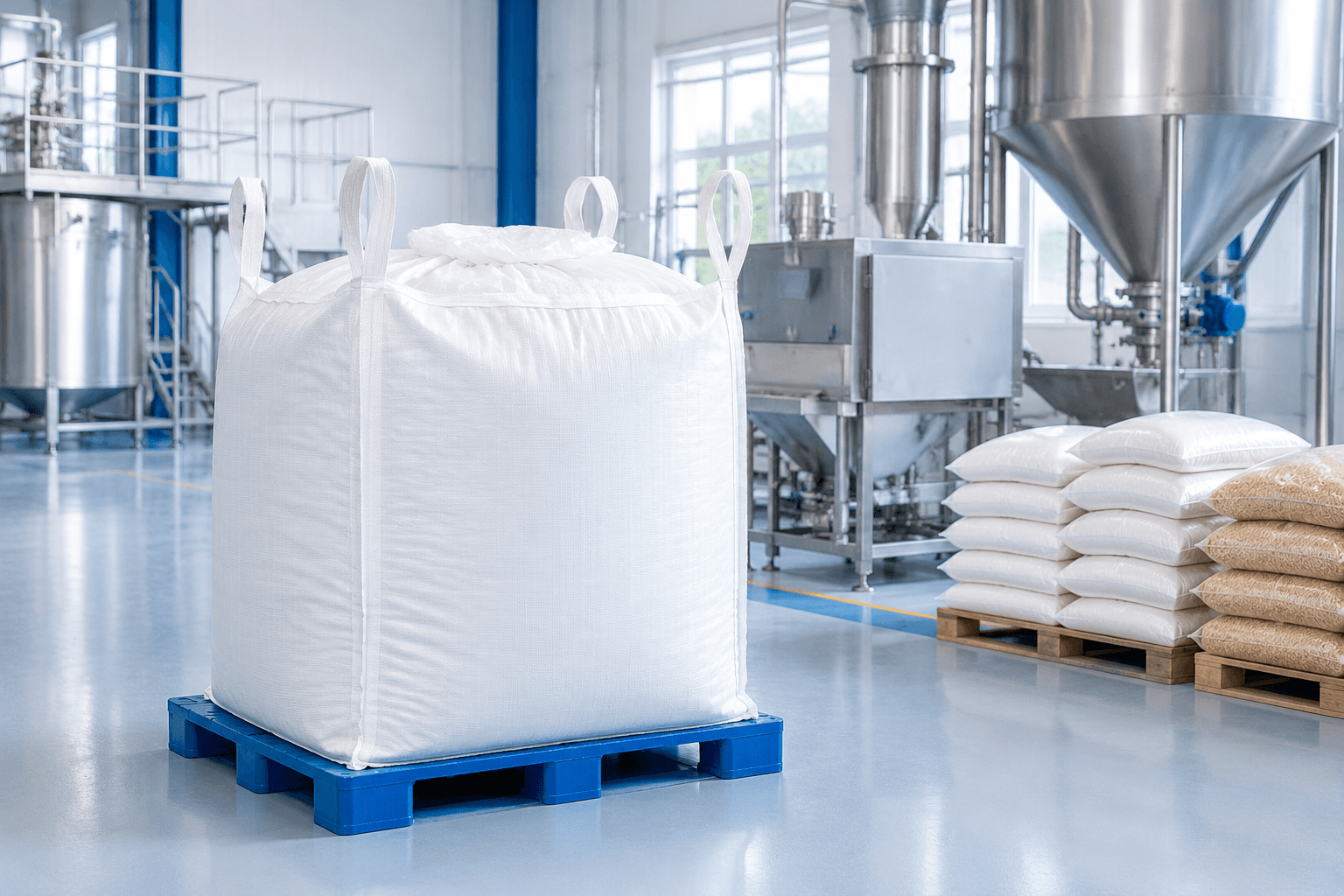
Understanding Food-Grade Bulk Bags: Safety Standards and Requirements
RUNCHEN
AuthorWith more than 25 years of experience in FIBC bulk bag manufacturing and sales, RUNCHEN operates its own production facility with stable batch capacity. We specialize in FIBC bulk bags, jumbo bags, ton bags, and customized industrial packaging solutions.
When you buy food in bulk, packaging is more than just a container; it affects the safety and quality of the food directly. In markets like the United States, where food safety regulations are strict, packaging plays an even more critical role. Grains, sugar, flour, and other food ingredients need to be kept safe from moisture, contamination, and exposure to the environment while they are being stored and moved.
Food-grade bulk bags, also called FIBC bags, come in handy here.
These bags are made for businesses where safety and cleanliness are very important. They help keep the product’s integrity while also making it easier to handle large amounts of it.
In this article, we’ll explain what food-grade bulk bags are, why safety standards are important, and how to pick the best one for your needs.
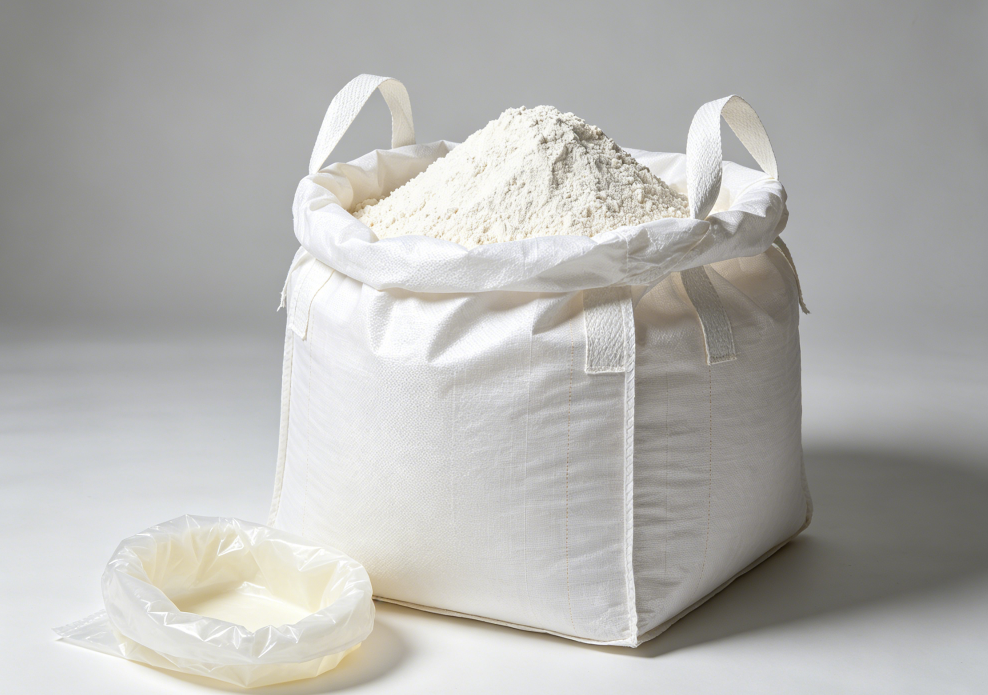
What Are Food-Grade Bulk Bags?
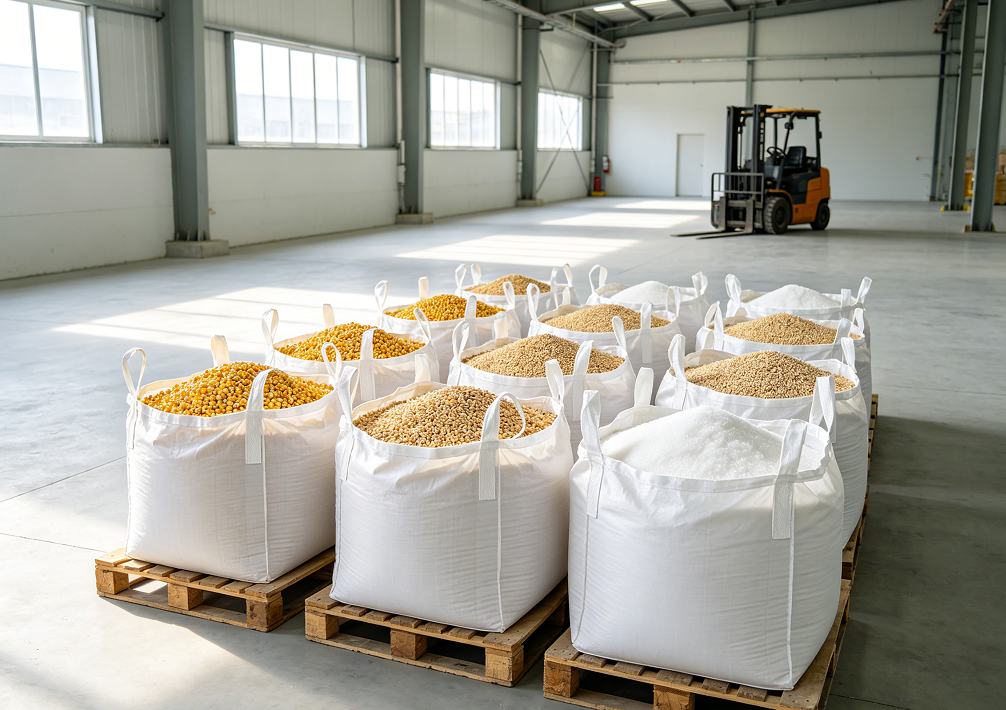
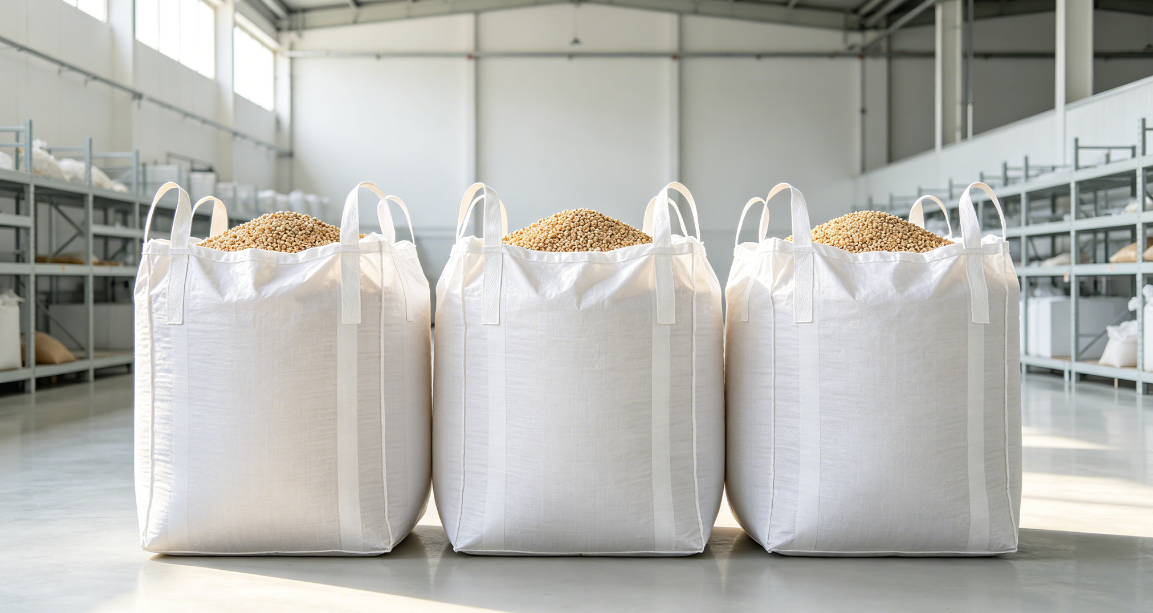
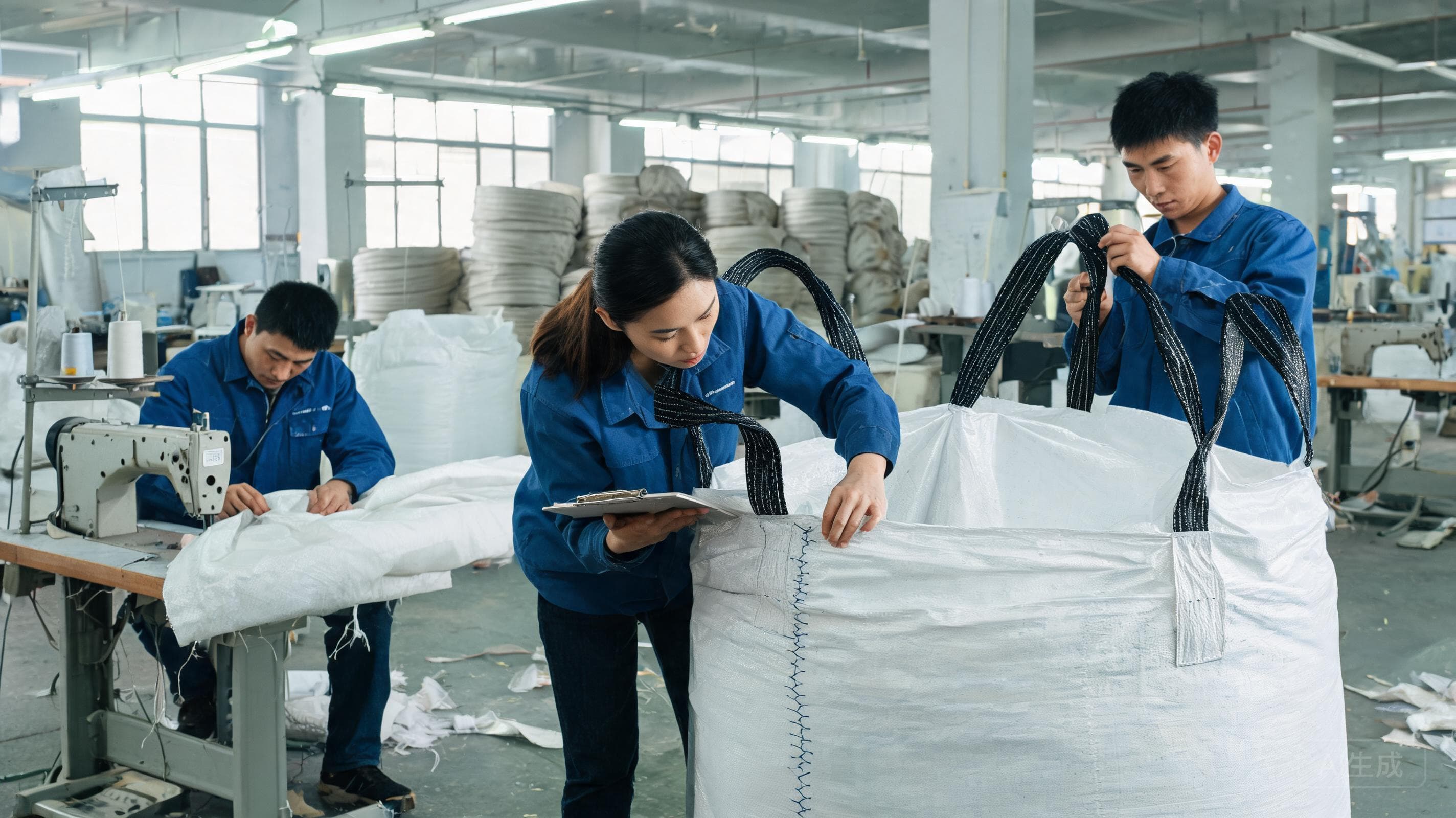
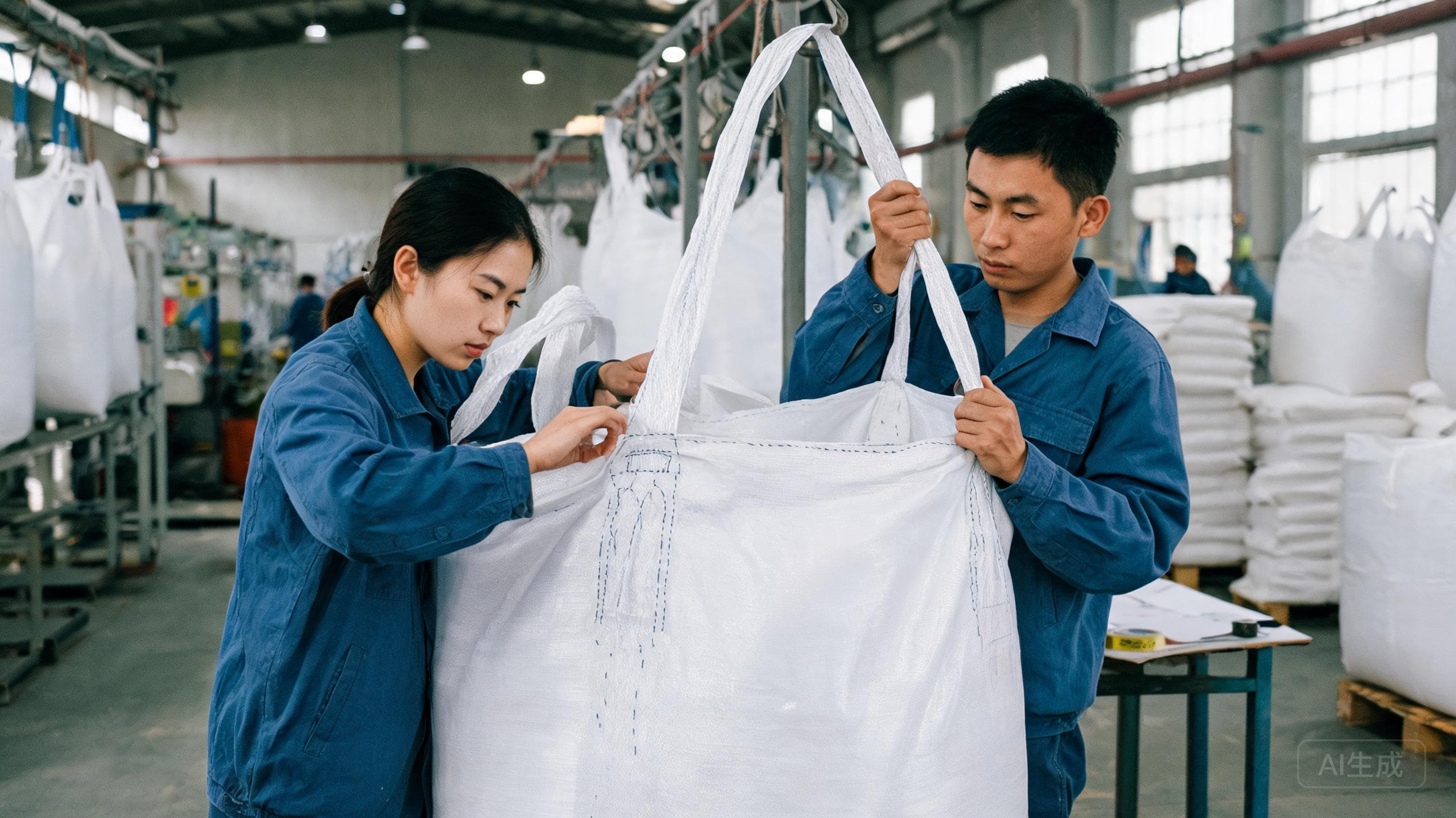
Food-grade bulk bags are big, flexible bags made of polypropylene that are used to safely move and store food.
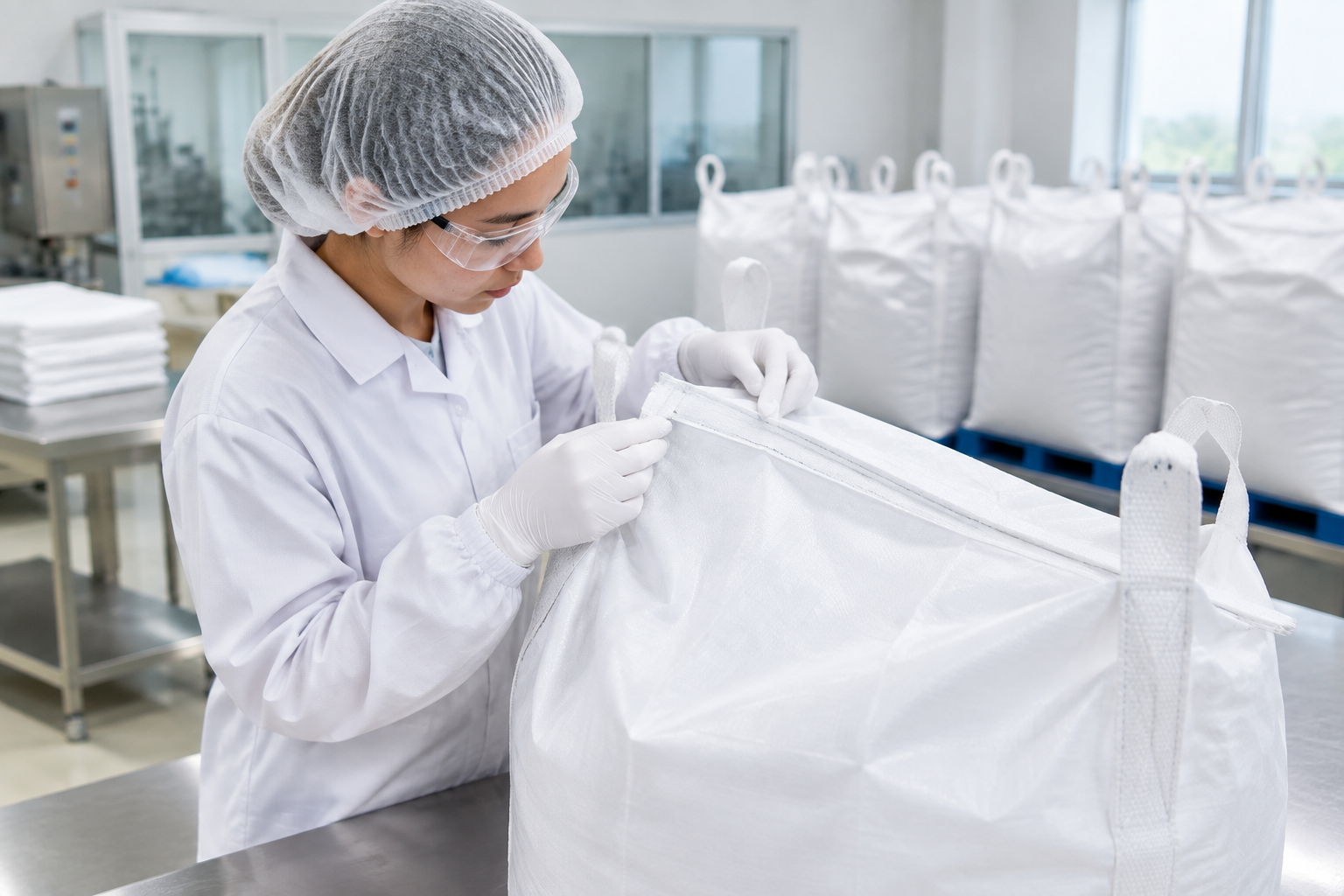
The way they are made is what makes them different from regular bulk bags. These bags are made in a controlled environment with materials that are safe for food contact. This lowers the chance of contamination.
People often use them for things like sugar, flour, starch, grains, and other bulk ingredients. Even though they are made of plastic, they are light, strong, and easy to use.
In simple terms, food-grade bulk bags are strong and clean, which makes them good for big food businesses.
Why Food Safety Is Critical in Bulk Packaging
Food products are naturally sensitive. Their quality can be affected by even small amounts of dust, moisture, or other things that get in from outside.
These risks go up when you deal with large amounts. A small problem with packaging can cause products to spoil, get lost, or even be unsafe.
For instance, powders can clump together when they come into contact with moisture. If the seal isn’t good, contaminants could get in. Over time, this can affect the quality and shelf life of the product.
In places like the United States, where food safety regulations are strictly enforced, packaging plays a critical role in maintaining compliance. It’s not just about convenience to use the right bulk bag; it’s also about keeping the product safe and meeting regulatory expectations from start to finish.
Key Safety Standards and Certifications for Food-Grade Bulk Bags
Food-grade bulk bags must meet certain hygiene and quality standards to be safe, especially when used in regulated markets like the United States. These standards help make sure that the packaging is suitable for food use.
Some of the most common certifications are:
- FDA compliance makes sure that the materials used are safe for food contact according to US regulations
- BRCGS certification, which is all about safe manufacturing and good hygiene
- ISO standards help keep processes and quality consistent
These certifications are more than just paperwork. They show that the bags are made in clean places, go through strict quality checks, and meet the expectations required in markets like the US.
Choosing certified packaging lowers risks and keeps the product safe while it travels.
Role of FIBC Liners in Protecting Food Products
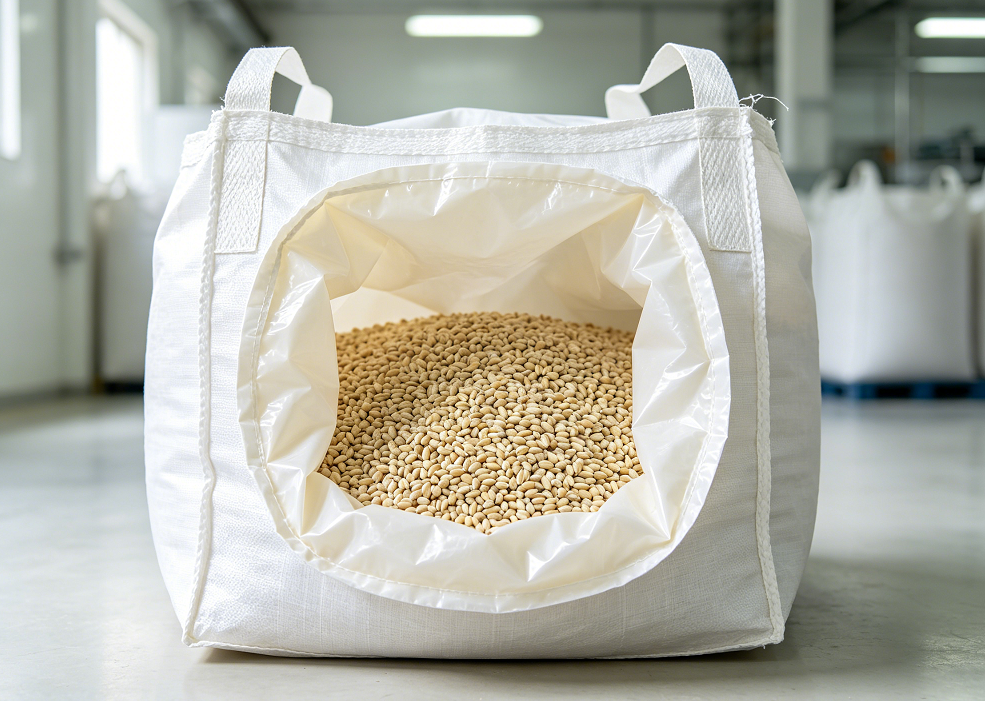
Most of the time, you need an extra layer of protection. This is where FIBC liners come in handy.
A liner goes inside the bulk bag and keeps the product from coming into contact with the outside world. It makes the area where the material is stored cleaner and more organized.
This extra layer is especially helpful for things that need to be stored for a long time or that don’t like moisture. Liners can also help keep things consistent by keeping the product safe from changes that happen outside of it while it is being shipped.
There are different kinds of liners that can be used depending on what you need. Some are made to fit the shape of the bag, while others offer better protection against air and moisture.
Key Features to Look for in Food-Grade Bulk Bags
Not all bulk bags can be used for food. Some features are necessary for safety and dependability.
Some important things to think about are:
- A manufacturing process that is clean and well-organized
- Using raw materials that are safe for food
- Sealing it properly to keep dust and dirt out
- Protection from moisture when needed
- Customization based on the needs of filling and discharging
These features may seem simple, but they are very important for keeping the quality of the product while it is being handled and stored.
Common Applications of Food-Grade Bulk Bags
Many businesses that work with a lot of food use food-grade bulk bags.
They are widely used in the United States for storing and transporting crops like corn, wheat, and soybeans. They help with large amounts of sugar, flour, and starch in food processing.
For food additives and nutraceuticals, where keeping the product pure is important, they are also used.
They are a good choice for modern supply chains because they can handle a lot of work safely and efficiently.
How to Choose the Right Food-Grade Bulk Bag
The type of product and how it will be handled will help you choose the right bulk bag.
Here are some important things to remember:
- The material’s shape, like whether it is powder, granules, or solid
- Being sensitive to moisture or dirt
- How long you store it, and the conditions in which you store it
- The need for liners or extra protection
Taking the time to think about these things can help ensure smooth operations and meet safety expectations in regulated markets like the United States.
Conclusion
Food-grade bulk bags play a vital role in maintaining the safety and quality of food products during bulk handling. They are designed to meet strict standards and provide reliable protection in different conditions.
With a clear understanding of safety standards and product requirements, it becomes much easier to select the right solution for your needs.
Related News
Other news you might be interested in
Choosing a FIBC Manufacturing Partner: Reduce Packaging Risk and Improve Supply Reliability
Learn how to specify FIBCs, assess manufacturer quality controls, and compare total costs. Use a practical RFQ checklist to reduce packaging risk and improve supply reliability.
How to Choose a FIBC Manufacturer That Protects Product Quality, Compliance, and Total Cost
Use an application-led checklist to assess FIBC design, compliance, quality controls, and total cost. Compare manufacturers on verified evidence before requesting a tailored quote.
Want to know more?
Get in touch with us for more information about our services and products.