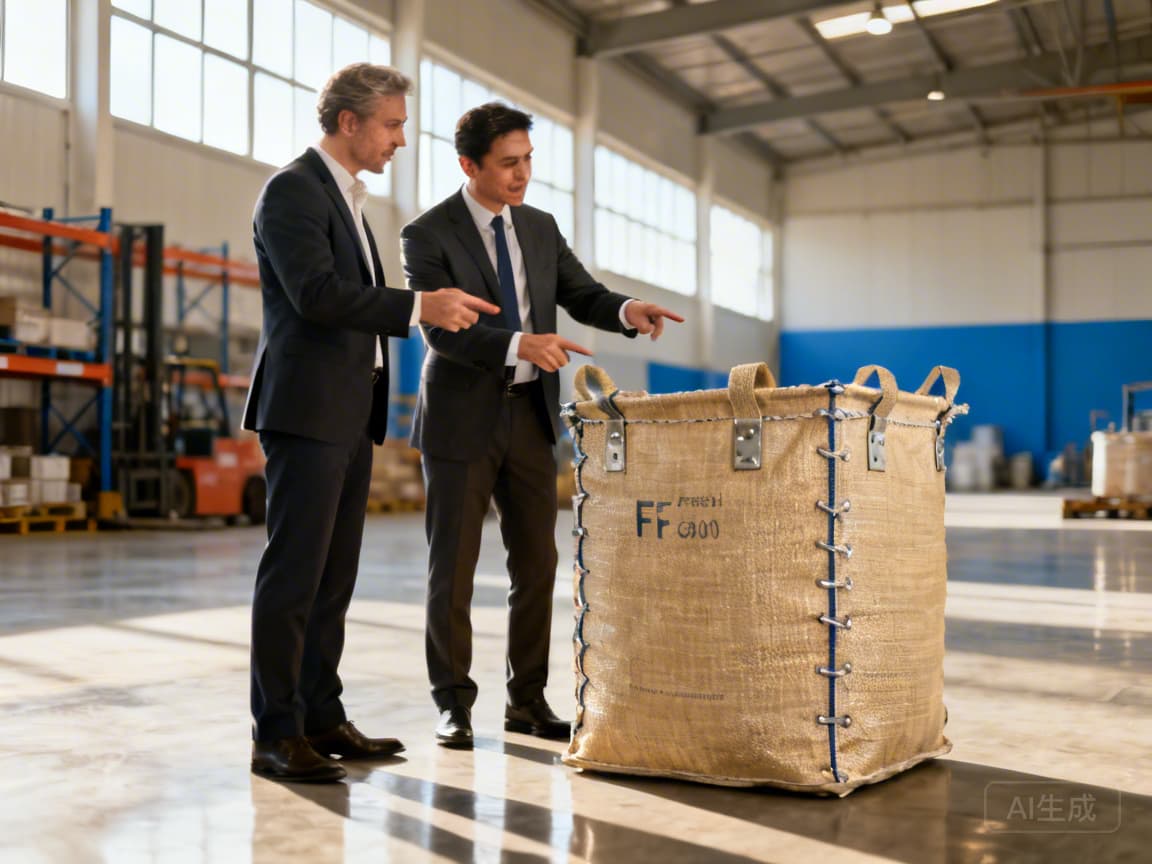
Unlock 5,724% ROI: Transform FIBCs from Cost to Strategic Supply Chain Assets
RUNCHEN
AuthorWith more than 25 years of experience in FIBC bulk bag manufacturing and sales, RUNCHEN operates its own production facility with stable batch capacity. We specialize in FIBC bulk bags, jumbo bags, ton bags, and customized industrial packaging solutions.
Unlock 5,724% ROI: Transform FIBCs from Cost to Strategic Supply Chain Assets
For decades, the Flexible Intermediate Bulk Container (FIBC) has been relegated to the status of a commodity—a simple logistics cost to be minimized. Procurement conversations focus on unit price, thickness, and basic safety. This cost-center mindset creates a significant blind spot, obscuring the massive strategic value embedded within these assets. Forward-thinking organizations are now shifting the paradigm, viewing FIBCs not as consumables but as critical levers for digital, financial, and operational transformation across the value chain.
The evidence for this shift is compelling. Consider the ROI Institute's work in quantifying project value, which demonstrated that a focused initiative could yield an astonishing ROI of 5,724%. This isn't about saving pennies on packaging; it's about unlocking exponential value. Similarly, the trillion-yuan Chinese packaging market, growing at 5-6% CAGR, is being reshaped by green mandates and a push for intelligent production, signaling a move away from simple transactions toward systemic solutions.
The Three-Pillar Framework for Strategic FIBC Value
To capture this latent value, companies must adopt a new framework that elevates the FIBC discussion from the warehouse to the boardroom. This involves three interconnected strategic pillars.
Pillar 1: Digital Twin & Cost Front-Loading
The first step is to stop designing bags and start engineering supply chain performance. Borrowing from the proven methodology of companies like aPriori, leaders are using digital twin technology to simulate FIBC behavior throughout its entire lifecycle—filling, transport, stacking, and unloading—before a single bag is produced.
In aPriori's case, applying digital manufacturing simulation slashed design iteration time from 40 hours to minutes and reduced overall product development time by 87%, leading to over $76 million in savings.
For FIBCs, this means front-loading cost analysis to identify how bag design influences downstream efficiency. A minor design tweak can dramatically reduce manual handling time, optimize container space, or prevent costly residue. By managing FIBCs as digital assets first, you transform them from a post-transaction cost into a pre-emptive profit lever, aligning perfectly with industry trends toward technology upgrades and intelligent production.
Pillar 2: Monetizing the Investment
To secure strategic investment, you must speak the language of finance. The core challenge, as highlighted by the ROI Institute, is the need to "quantify project ROI to secure ongoing investment." A strategic FIBC program must move beyond vague claims of "reducing waste" to a clear, monetized business case.
This requires building an ROI model that captures both direct and indirect value streams:
- Direct Savings: Reduced product loss, lower damage rates, decreased insurance premiums.
- Efficiency Gains: Faster loading/unloading cycles (leveraging automated systems from providers like Heng'er Electronics), reduced labor costs, optimized warehouse space.
- Strategic Value: Enhanced brand security through anti-counterfeit features, improved data traceability, and strengthened compliance.
By consolidating these factors into a single financial model, you reframe the procurement decision from an operational expense approval to a clear strategic investment with a quantifiable return, mirroring the 5,724% ROI mindset.
Pillar 3: Engineering the Circular System
Sustainability is no longer a marketing checkbox; it's a systemic engineering challenge and a value-creation opportunity. With green packaging's market share expanding to 80% in key regions, the goal shifts from merely using recyclable materials to ensuring FIBCs actively flow through a circular economy.
This is where technology enables true circularity. Embedding RFID or NFC "bag tags" transforms a simple container into a smart, trackable asset. This data闭环 (closed-loop) allows companies to:
- Monitor bag condition and location in real-time.
- Ensure proper collection and routing to certified recycling or refurbishment partners.
- Accurately report on Scope 3 emissions and circularity metrics for ESG reporting.
- Create new revenue streams from recycled material or from offering bag-as-a-service models.
This approach moves beyond linear consumption, turning FIBCs into tracked assets that generate value through multiple lifecycles.
Your Roadmap to Implementation
Transitioning to this strategic model requires a phased approach. Start with a pilot program focused on one high-value or high-pain product line. Follow these steps:
- Conduct a Value Stream Diagnostic: Map the current end-to-end journey of your FIBCs to identify specific cost leakages and inefficiencies.
- Develop a Pilot Business Case: Apply the ROI framework to your pilot, focusing on 2-3 key monetizable metrics (e.g., reducing handling time by X%, cutting loss by Y%).
- Partner for Technology & Design: Collaborate with suppliers who offer digital design services and smart tracking capabilities, not just bulk manufacturing.
- Measure, Report, and Scale: Use the pilot's data—the "simplified process and reliable data" the ROI Institute found critical—to build an irrefutable case for broader rollout.
The future of FIBCs is not on the pallet; it's in the cloud, on the balance sheet, and within the circular economy. By adopting this strategic framework, you stop buying bags and start investing in a more resilient, efficient, and profitable supply chain.
Related News
Other news you might be interested in
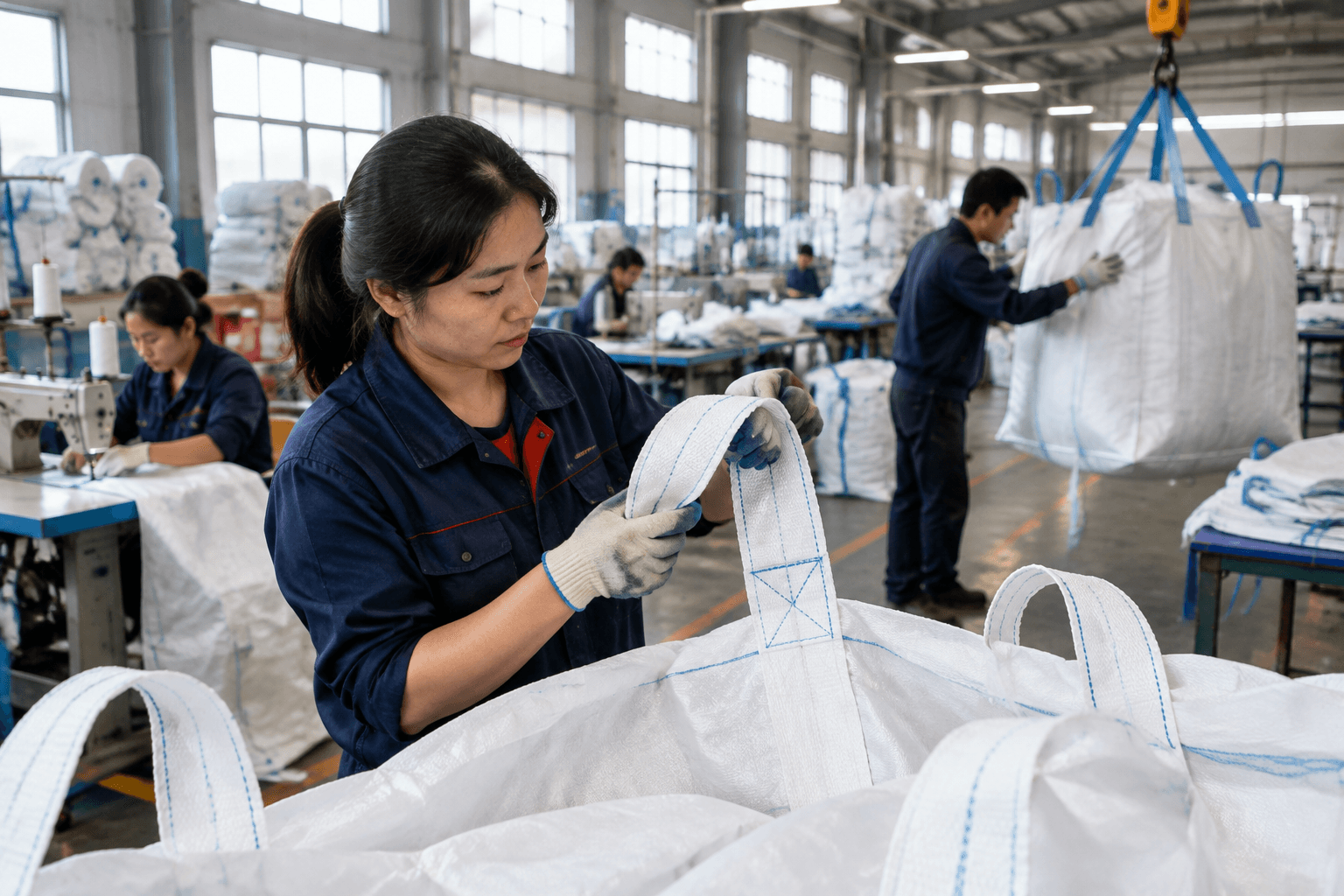
Choosing the Right Bulk Bag Manufacturer for Safer, More Efficient Operations
Learn how to specify bulk bags, evaluate manufacturers, and validate quality and supply reliability to reduce operational risk and support safer, more efficient handling.
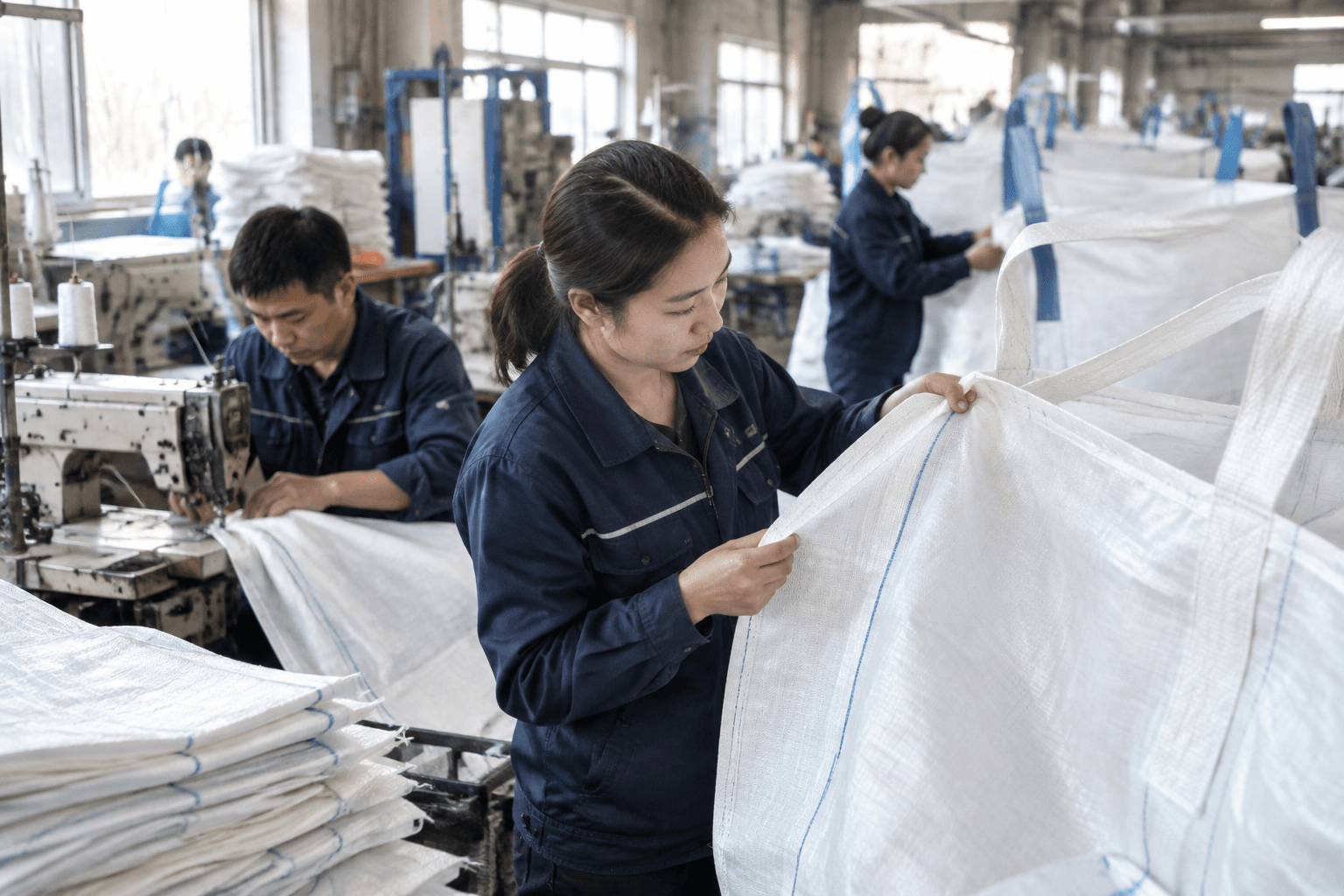
The 140th Canton Fair: New Trends in the Export Market for FIBC Bulk Bags, Jumbo Bags, and PP Woven Packaging
Explore how export buyers can evaluate FIBC bulk bags and PP woven packaging beyond unit price. Get practical guidance on specifications, supplier verification, sustainability requirements, and RFQs—and prepare your next sourcing conversation with COSEK.
Want to know more?
Get in touch with us for more information about our services and products.