Beyond Cost: How FIBCs Drive 30% Supply Chain Resilience & Fuel Overseas Growth #12
RUNCHEN
AuthorWith more than 25 years of experience in FIBC bulk bag manufacturing and sales, RUNCHEN operates its own production facility with stable batch capacity. We specialize in FIBC bulk bags, jumbo bags, ton bags, and customized industrial packaging solutions.
Beyond Cost: How FIBCs Drive 30% Supply Chain Resilience & Fuel Overseas Growth
In today's volatile market, a paradox defines success. While sectors like pharmaceuticals see overall revenue pressure—China's pharmaceutical manufacturing revenue dipped 0.9% in the first half of 2024—individual companies achieve breakout growth. The common thread? A strategic shift from mere cost-cutting to building foundational resilience. For manufacturing leaders, this resilience often hinges on an overlooked asset: the Flexible Intermediate Bulk Container (FIBC), or bulk bag. Moving beyond its role as a simple cost item, the modern FIBC is a strategic enabler, capable of hardening your supply chain against disruption and powering international expansion.
The Resilience Engine: Integrating FIBCs into Automated Flow
Internal efficiency is the first layer of defense against market volatility. As seen with industrial manufacturers, the path to simplifying operations and recovering market share lies in process optimization and automation. Here, FIBCs transition from passive containers to active components of your material handling system.
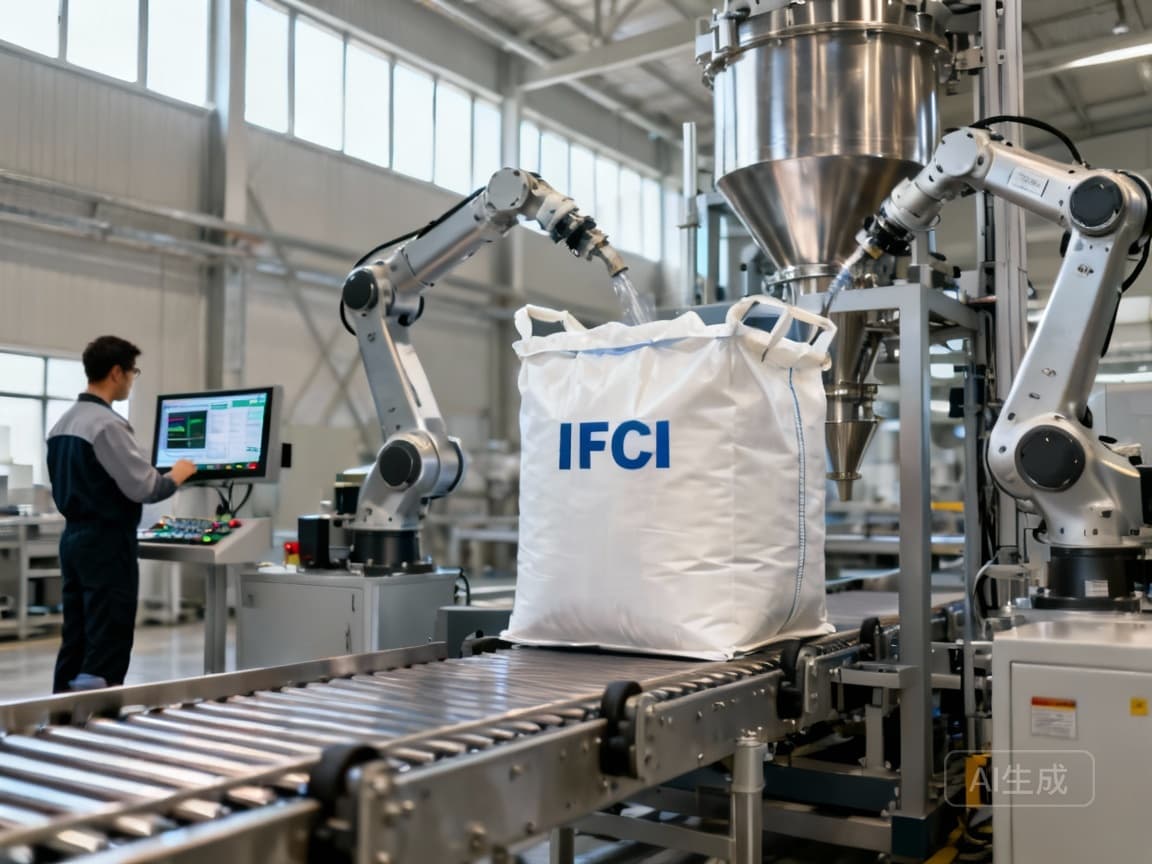
The true value emerges in seamless integration. Custom-designed FIBCs—with specific filling spouts, discharge features, and dimensional stability—interface directly with automated bulk bag unloaders and filling equipment. This integration eliminates manual handling bottlenecks, reduces spillage and waste, and ensures consistent batch-to-batch throughput. It turns the packaging process from a potential failure point into a pillar of predictable, efficient flow. The result is what leading operations teams seek: operational simplification and reduced production costs, creating immunity from internal inefficiencies.
Actionable Step: Conduct a Packaging-Process Audit
Map your current FIBC's journey from filling to emptying. Identify every manual touchpoint, transfer, or adjustment. Each is an opportunity for integration, error reduction, and automated throughput gain.
The Growth Accelerator: Securing Overseas Profit Margins
For companies pursuing growth, overseas markets are a primary target. The market insight is clear: firms like Zhejiang Dingli saw rapid profit improvement thanks to increased overseas business share and reduced shipping costs. However, these hard-won margins are fragile, vulnerable to a single point of failure: inadequate packaging.
Long-haul海运, multi-modal transfers, and variable climatic conditions pose extreme risks. A compromised FIBC leading to moisture ingress, contamination, or rupture doesn't just mean lost product. It can delay critical projects, damage client relationships, and tarnish a brand's reputation in a new market. Consider a simple risk model: a $50,000 shipment with a 5% loss due to packaging failure incurs a $2,500 direct cost. Investing in a superior, compliant FIBC solution that mitigates this risk may cost only a marginal amount more upfront but protects the entire order's value and the future revenue stream it represents.
“Choosing the right FIBC supplier is not a procurement decision; it's a risk management strategy for your global supply chain.”
Companies like Health元药业集团, which actively pursue international product certification and global client partnerships, understand this. Their packaging must assure product integrity from factory floor to end-user, making the FIBC a critical partner in market entry and expansion.
The Future-Proof Layer: Building Value Through Circularity
Resilience and growth must be sustainable. Beyond basic compliance, a forward-thinking FIBC strategy leverages the circular economy to create both environmental and business value. This involves shifting from single-use to multi-trip designs, selecting recyclable materials, and establishing take-back programs with your supplier.
This approach directly supports corporate ESG goals, which are increasingly a prerequisite for partnering with global strategic clients. It also optimizes the Total Cost of Ownership (TCO). A durable, reusable FIBC might have a higher initial cost but a significantly lower per-use and per-shipment cost over its lifecycle. Furthermore, as carbon markets evolve—evidenced by firms like Zhejiang Energy Jinjiang Environment trading carbon quotas—efficient, low-waste logistics operations contribute tangible asset value.
Actionable Step: Evaluate Your FIBC's Lifecycle
Engage with your manufacturer to understand the composition, recyclability, and potential for reuse of your FIBCs. Calculate not just the purchase price, but the total cost including disposal, waste, and potential brand value impact.
Conclusion: Your Strategic Action Framework
To harness the full strategic potential of FIBCs, manufacturing and supply chain leaders must reframe the conversation with their suppliers. Move from transactional pricing to solution-based partnership.
- Align Internally: Connect your packaging strategy to core business objectives: automation roadmaps, geographic expansion plans, and sustainability targets.
- Audit for Risk & Value: Scrutinize your current FIBCs for integration capability, international transit durability, and end-of-life value.
- Engage Your Supplier Strategically: Present them with challenges related to automation compatibility, specific overseas logistics routes, and circularity goals. Demand a collaborative, engineered solution.
In an era defined by uncertainty and opportunity, the humble bulk bag has evolved. It is no longer just a container, but a core component of a resilient, efficient, and globally competitive supply chain. The question is no longer what your FIBCs cost, but what strategic value they are built to deliver.
Related News
Other news you might be interested in
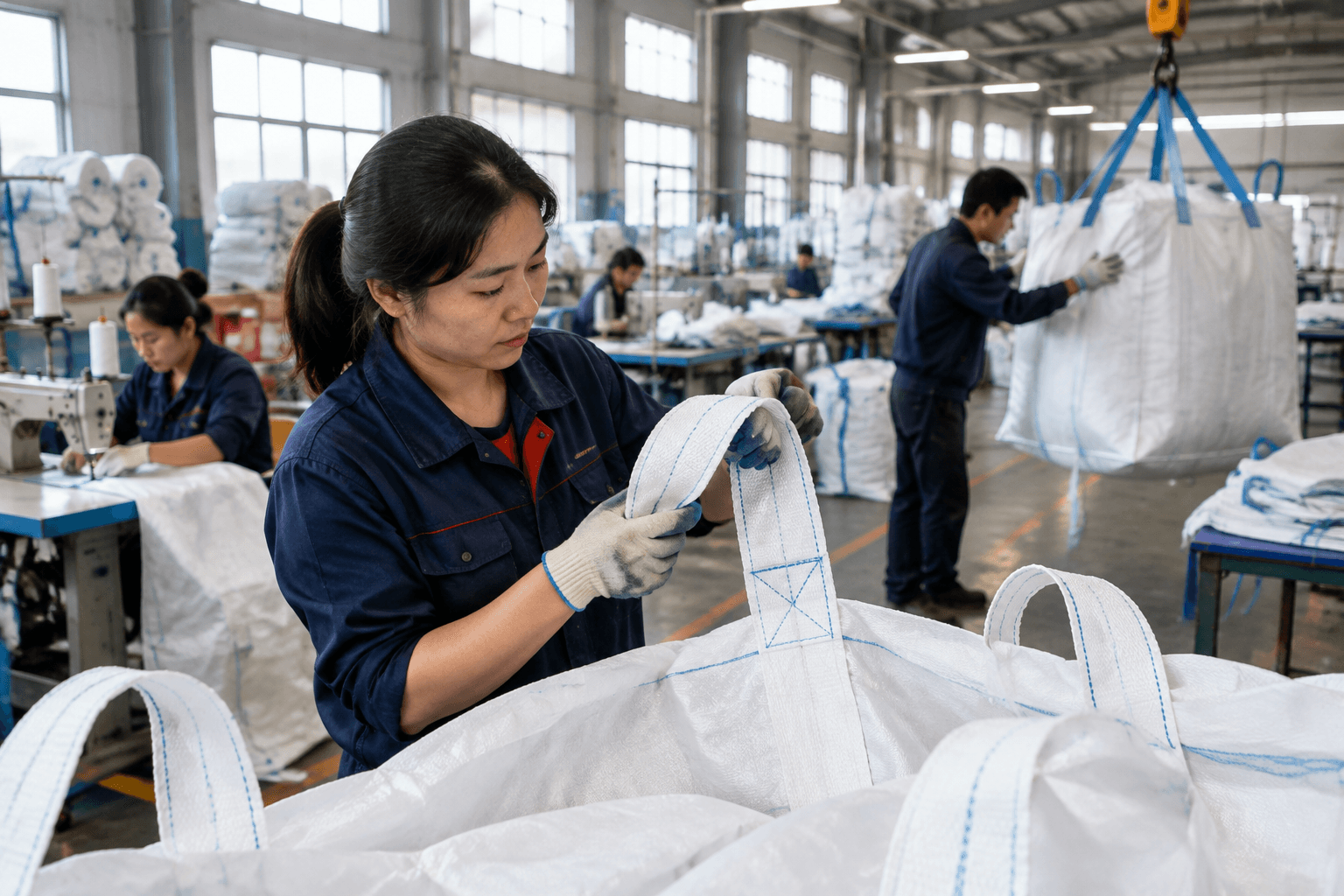
Choosing the Right Bulk Bag Manufacturer for Safer, More Efficient Operations
Learn how to specify bulk bags, evaluate manufacturers, and validate quality and supply reliability to reduce operational risk and support safer, more efficient handling.
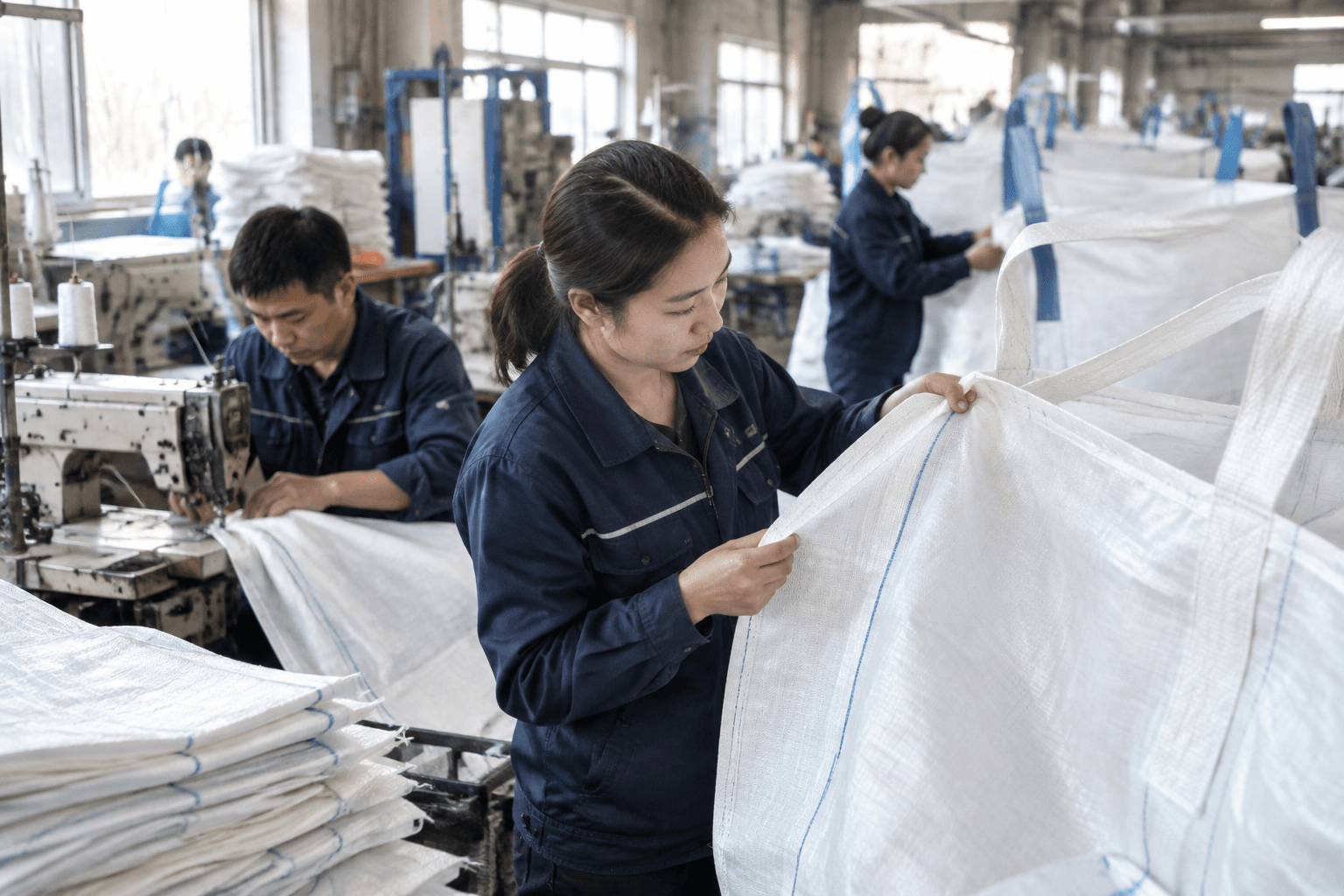
The 140th Canton Fair: New Trends in the Export Market for FIBC Bulk Bags, Jumbo Bags, and PP Woven Packaging
Explore how export buyers can evaluate FIBC bulk bags and PP woven packaging beyond unit price. Get practical guidance on specifications, supplier verification, sustainability requirements, and RFQs—and prepare your next sourcing conversation with COSEK.
Want to know more?
Get in touch with us for more information about our services and products.