
Bulk Bag Makers: Capture 50% of $5T Market by Replacing 27M Tons of Plastic #25 #25
RUNCHEN
AuthorWith more than 25 years of experience in FIBC bulk bag manufacturing and sales, RUNCHEN operates its own production facility with stable batch capacity. We specialize in FIBC bulk bags, jumbo bags, ton bags, and customized industrial packaging solutions.
The $270M Plastic Paradox: How Bulk Bag Manufacturers Can Capture 50% of the $5T Carry Bag Market Through Material Substitution
Data-Backed Strategies from Langfu's Container Liquid Bag Success to Dominate Niche Markets While Solving the 27M Ton Plastic Waste Crisis
While the world focuses on the $92.8B school bag market, the real $5T opportunity lies in replacing 27 million tons of single-use plastics—and bulk bag manufacturers hold the technical solution. With the global carry bag market projected to reach $750 billion by 2033 and sustainability regulations tightening, industrial packaging specialists are uniquely positioned to lead this transformation. This article provides a data-driven roadmap for leveraging existing expertise to capture significant market share while addressing one of the most pressing environmental challenges of our time.
The Scale of the Plastic Problem and Market Opportunity
The United States alone uses approximately 27 million tons of plastic bags annually, representing a massive environmental burden and regulatory target. Meanwhile, the global carry bag market stands at $500 billion in 2024, with projected growth to $750 billion by 2033 at a 5.5% CAGR. This creates a substantial substitution opportunity for bulk bag manufacturers who can adapt their technical capabilities to consumer-facing applications.
China's plastic packaging industry, with total revenues of approximately 430 billion yuan ($60 billion), demonstrates the scale of existing infrastructure. Soft plastic film packaging accounts for roughly 270 billion yuan ($38 billion), representing the most immediate substitution target for bulk bag manufacturers. With plastic packaging comprising 40% of the entire packaging industry and 30% of the plastics industry, the transition to sustainable alternatives represents both a regulatory necessity and commercial imperative.
"The convergence of regulatory pressure, consumer demand, and technical capability creates a perfect storm of opportunity for bulk bag manufacturers. Those who move first will capture disproportionate market share." - Industry Packaging Analyst
Lessons from Langfu's Niche Domination Strategy
Langfu's success in container liquid bags provides a blueprint for market specialization and technological leadership. By focusing exclusively on container liquid bags and container sea bags, the company achieved 6 billion liters of annual transport volume, becoming one of the world's leading manufacturers in this specialized segment.
Their implementation strategy involved three critical components:
- Technical specialization: Deep investment in material science and container-specific design
- Volume optimization: Scaling production to achieve cost advantages while maintaining quality
- Global standards compliance: Meeting international safety and transportation regulations
This approach demonstrates how niche specialization can lead to global leadership—a model that can be applied to the broader plastic substitution opportunity.
Four-Phase Implementation Framework for Market Capture
Phase 1: Material and Market Mapping
Identify specific plastic applications that align with your existing technical capabilities. The 270 billion yuan soft plastic film market in China represents the most immediate opportunity. Conduct a granular analysis of:
- Material compatibility with your current production processes
- Regulatory timelines in target markets (particularly plastic ban implementation schedules)
- Volume requirements and distribution channels for each application
Phase 2: Regulatory Alignment Strategy
With governments worldwide implementing plastic restrictions, early movers will capture advantage. Focus on:
- Tracking plastic ban implementation timelines across North American, European, and Asian markets
- Engaging with regulatory bodies to shape standards that favor durable, reusable alternatives
- Certifying products against emerging sustainability standards ahead of competitors
Phase 3: Production Line Adaptation
Most bulk bag manufacturers can adapt existing infrastructure with minimal investment. Key considerations include:
- Retooling extrusion and weaving equipment for consumer-grade materials
- Implementing quality control processes for higher aesthetic standards
- Developing scalable production models for high-volume, lower-margin consumer goods
Phase 4: Market Entry and Expansion
The transition from B2B industrial packaging to consumer markets requires strategic distribution partnerships:
- Leverage existing relationships with retailers and distributors
- Develop branded solutions for specific consumer segments (grocery, retail, e-commerce)
- Implement educational marketing highlighting durability and sustainability benefits
Financial Model and Investment Considerations
Based on current market data, capturing just 5% of the $500 billion carry bag market represents a $25 billion opportunity. The Chinese plastic packaging industry's scale—with 400 million tons of new capacity added in 2024 alone—demonstrates the production capacity available for conversion.
Investment should prioritize:
- Material development: Bio-based materials currently priced at approximately 25,000 yuan/ton require scale to achieve cost competitiveness
- Production flexibility: Equipment that can handle both industrial and consumer-grade materials
- Certification and compliance: Early investment in meeting global sustainability standards
Risk Mitigation and Implementation Timeline
Successful market capture requires addressing several key risks:
- Material cost volatility: Secure long-term supplier contracts and develop proprietary material blends
- Regulatory uncertainty: Engage with policy makers and industry associations to shape developing regulations
- Consumer adoption barriers: Implement educational campaigns and leverage sustainability messaging
- Production transition challenges: Phase implementation with pilot programs before full-scale conversion
The implementation timeline should align with regulatory phase-outs, typically occurring over 2-4 year periods in most markets. Starting with industrial applications that have shorter replacement cycles can provide revenue during the consumer market development phase.
Conclusion: Leading the Sustainable Packaging Transition
Bulk bag manufacturers possess the technical expertise, production capacity, and material science knowledge to lead the transition from single-use plastics to sustainable alternatives. The $5 trillion carry bag market represents not just a commercial opportunity, but a chance to address one of the most significant environmental challenges of our generation.
By following the framework outlined above—learning from Langfu's specialization model, implementing the four-phase strategy, and mitigating key risks—manufacturers can capture substantial market share while driving meaningful environmental progress. The time for action is now, as regulatory pressures mount and consumer preferences shift toward sustainable solutions.
Related News
Other news you might be interested in
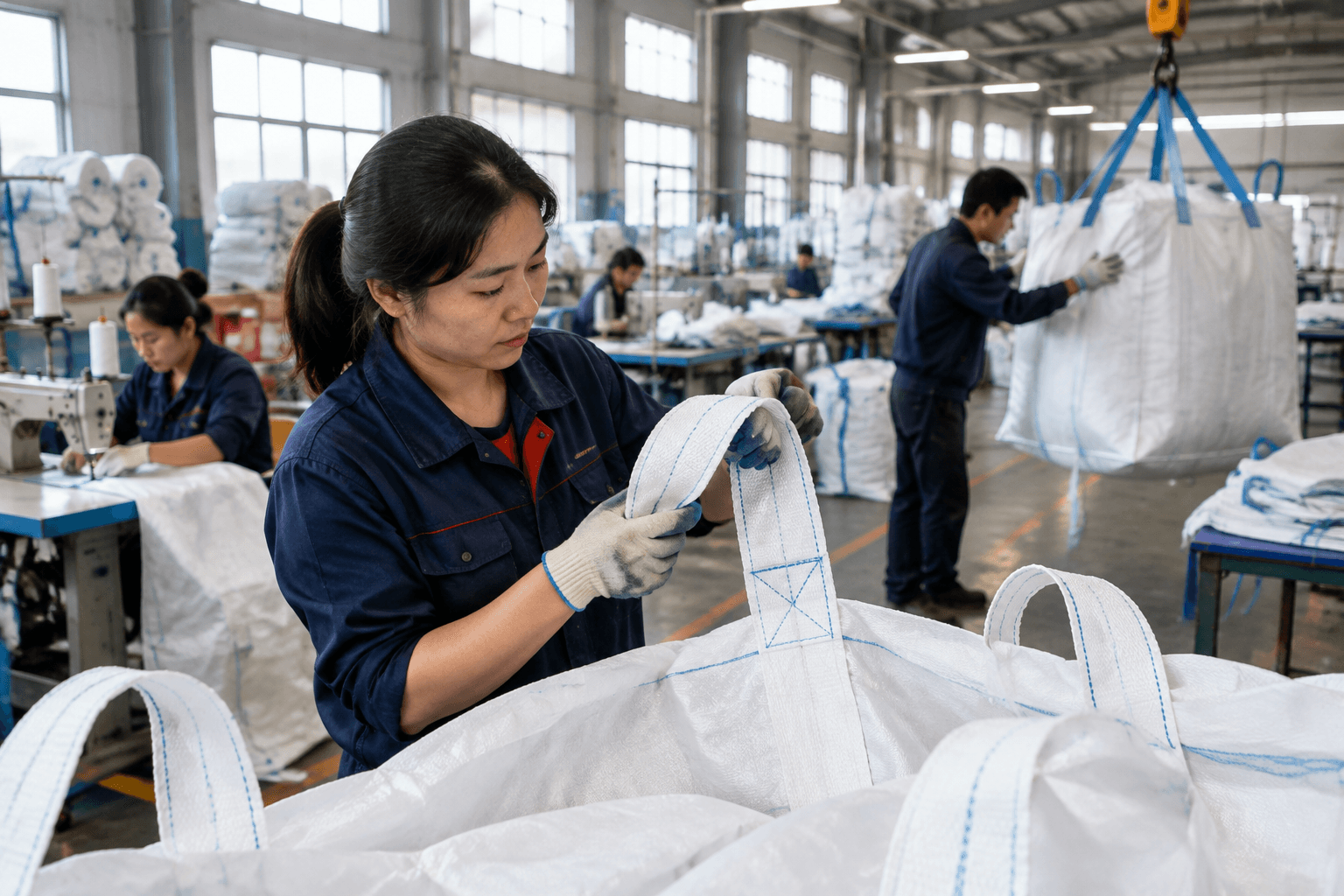
Choosing the Right Bulk Bag Manufacturer for Safer, More Efficient Operations
Learn how to specify bulk bags, evaluate manufacturers, and validate quality and supply reliability to reduce operational risk and support safer, more efficient handling.
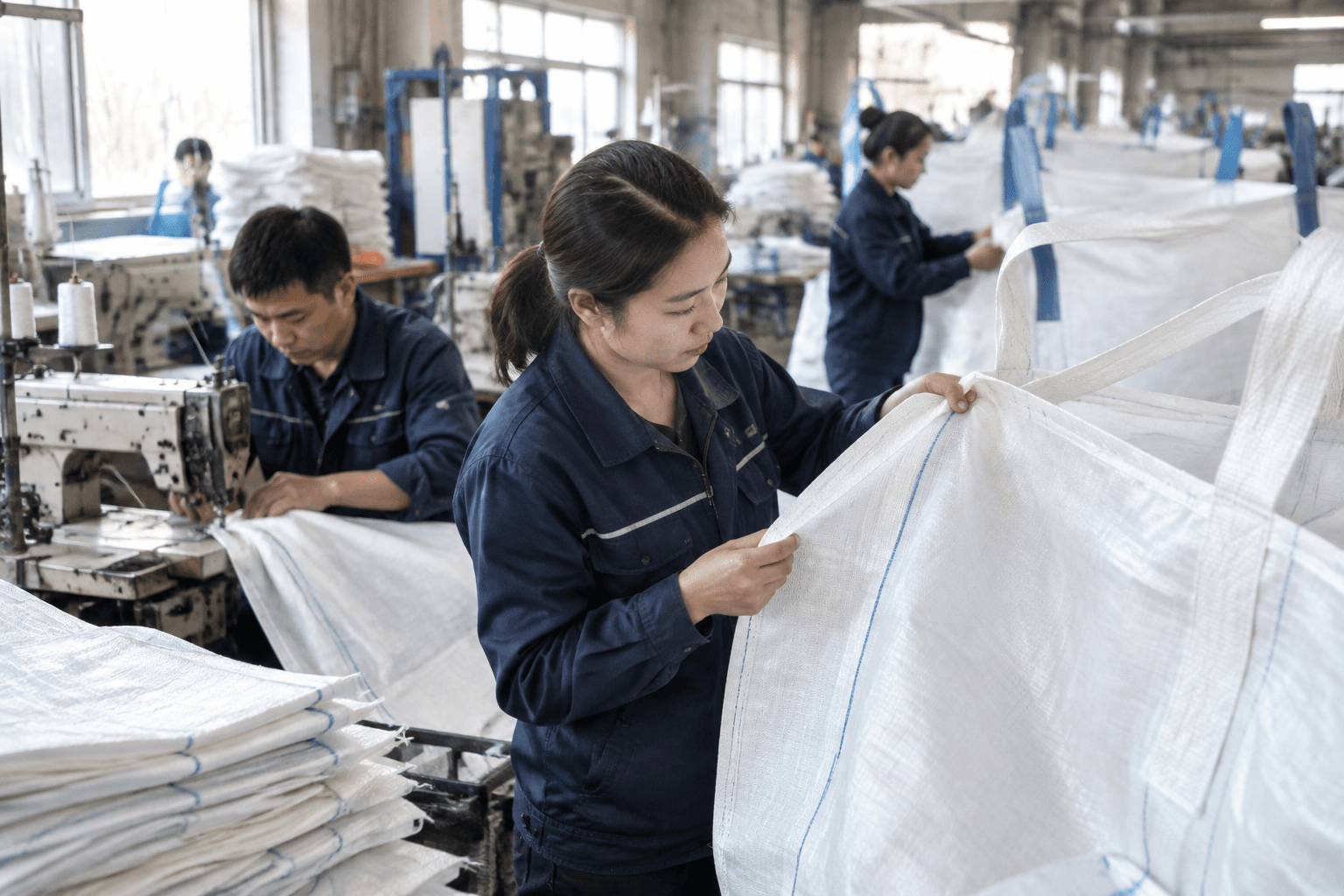
The 140th Canton Fair: New Trends in the Export Market for FIBC Bulk Bags, Jumbo Bags, and PP Woven Packaging
Explore how export buyers can evaluate FIBC bulk bags and PP woven packaging beyond unit price. Get practical guidance on specifications, supplier verification, sustainability requirements, and RFQs—and prepare your next sourcing conversation with COSEK.
Want to know more?
Get in touch with us for more information about our services and products.