Chemical Powder Transport Safety in 2026: Why Conductive FIBC Bulk Bags Are Becoming Essential for New Energy and Fine Chemical Materials
RUNCHEN
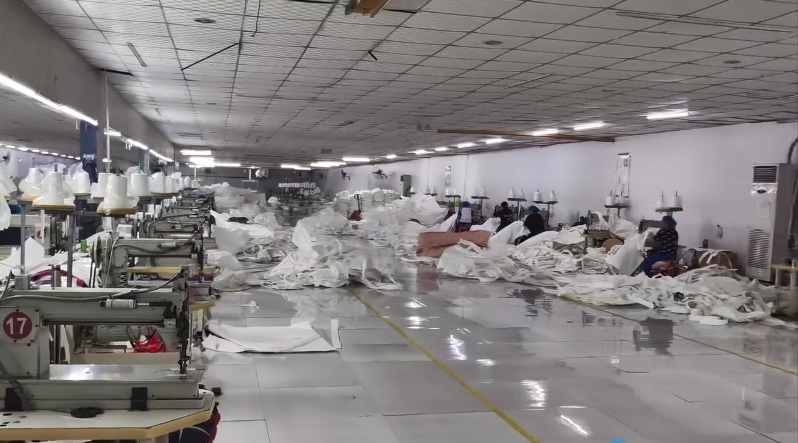
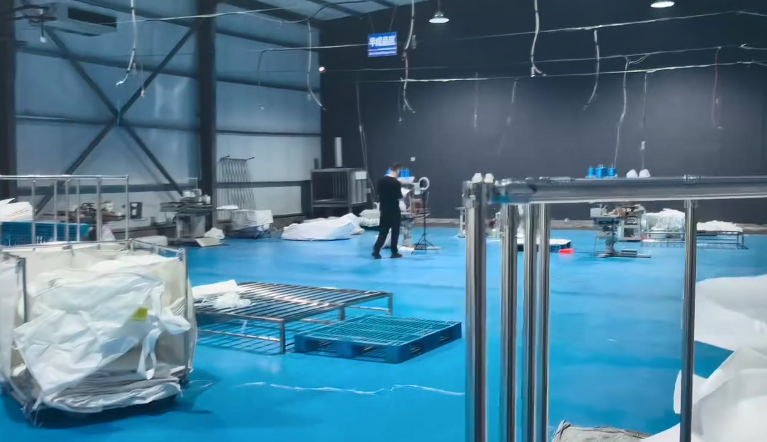
AuthorWith more than 25 years of experience in FIBC bulk bag manufacturing and sales, RUNCHEN operates its own production facility with stable batch capacity. We specialize in FIBC bulk bags, jumbo bags, ton bags, and customized industrial packaging solutions.
In 2026, demand continues to grow for cross-regional transport of new energy materials, fine chemicals, modified plastics, coating powders, rubber additives, mineral powders, and other industrial materials. Unlike ordinary granular products, many chemical powders can generate static electricity during filling, lifting, transportation, and discharge because of friction, flow, and impact.
When combustible dust, flammable vapor, or highly sensitive powders are present, static discharge can become a serious safety risk. As a result, chemical powder packaging is moving beyond basic loading and lifting capacity. Buyers are now paying more attention to static control, traceability, customization, and compatibility with automated filling and discharge systems.
Against this background, conductive FIBC bulk bags, also known as Type C conductive FIBC bags, are becoming an important packaging choice for new energy and fine chemical companies.
Why Chemical Powder Transport Requires Better Static Control
During pneumatic conveying, screw feeding, bulk bag filling, and discharge, powder particles frequently rub against each other and against packaging materials. Although ordinary PP woven bulk bags can meet general loading and handling needs, they do not provide a stable path for static electricity dissipation.
For materials such as resin powder, carbon black, coating powder, mineral powder, chemical additives, rubber additives, and certain new energy powder materials, the static control performance of the packaging container can directly affect workplace safety.
Industry guidance generally emphasizes that when combustible dust or flammable atmospheres are involved, companies should select the right type of FIBC based on material properties, site grounding conditions, and operating procedures. The key value of a Type C conductive bulk bag is that it uses conductive yarns, conductive tapes, or a conductive network structure to release static electricity through reliable grounding, helping reduce the risk of static accumulation.
New Energy and Fine Chemical Industries Are Driving Demand for Conductive Bulk Bags
In 2026, export demand for lithium battery materials, functional powders, engineering plastics, specialty chemicals, and high-value additives continues to expand. These products often have high batch value, strict cleanliness requirements, complex handling processes, and higher transport safety expectations.
Buyers are no longer focused only on the price of bulk bags. They are also asking whether the packaging can match real working conditions.
For example, some powder materials require inner liners for moisture resistance and leakage prevention. Some factories use automatic filling lines and need fixed bag dimensions, inlet structures, and discharge spouts. Some export customers also require batch identification, warning labels, and customized printing.
Conductive bulk bags offer a practical balance between load-bearing strength, static control, structural customization, and export packaging requirements.
Product Recommendation: Conductive Ton Bag
For chemical powders, new energy materials, and fine chemical raw materials, BulkBag B2B’s Conductive Ton Bag is an industrial packaging solution designed for static-control applications.
This product is made from 100% virgin PP material. Conductive yarns or conductive tapes can be integrated into the bag structure, and grounding tabs, grounding points, or grounding loops can be used together with the on-site grounding system.
The standard loading capacity of this conductive FIBC bulk bag can reach 1,000 kg, with a 5:1 safety factor. It can also be customized according to material density, target loading weight, bag size, filling spout, discharge spout, inner liner, moisture-proof layer, and printing requirements.
For chemical powders, resin granules, mineral powders, carbon black, coating powders, additives, and rubber auxiliaries, this conductive bulk bag provides practical packaging support during filling, storage, transportation, and discharge.
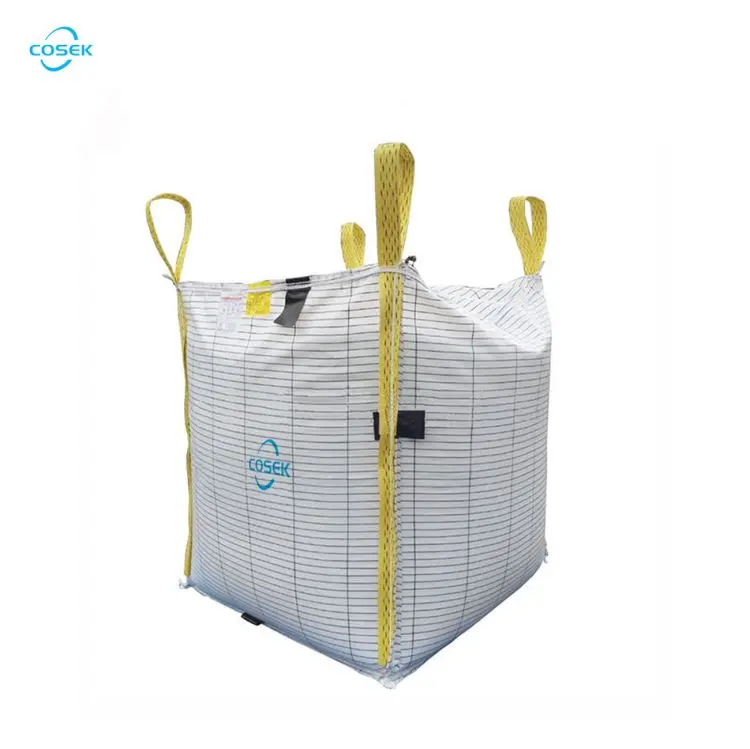
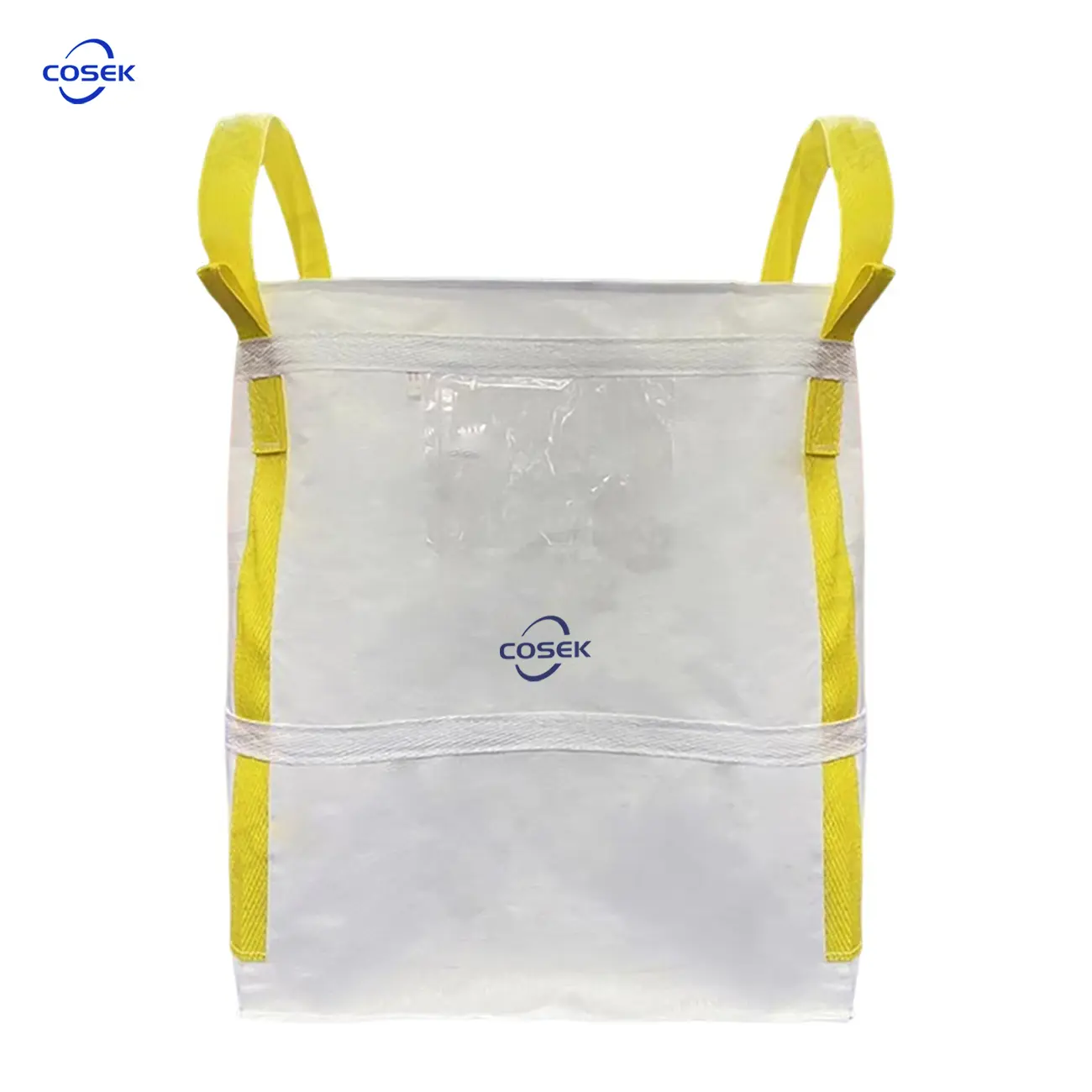
Conductive Ton Bag
Key Points to Confirm Before Purchasing Conductive Bulk Bags
When selecting conductive FIBC bulk bags, companies should confirm the material name, bulk density, target loading weight, dust characteristics, whether an inner liner is required, whether reliable grounding is available on site, and the filling and discharge methods.
If the product is used in flammable, explosive, or special-risk areas, buyers should further confirm applicable standards, testing requirements, labeling requirements, and operating procedures.
A conductive bulk bag is not simply a regular bulk bag made in black color or with a few conductive tapes added. The bag body, lifting loops, grounding points, inner liner, and on-site grounding system must work together to form a complete static dissipation path.
Only with correct selection and proper grounding can a Type C conductive FIBC fully perform its static-control function.
Conclusion
As chemical powder transportation moves toward higher safety, higher efficiency, and stronger customization, conductive FIBC bulk bags are shifting from a special packaging option to a standard purchasing item for many new energy and fine chemical companies.
Related News
Other news you might be interested in
The 140th Canton Fair: New Trends in the Export Market for FIBC Bulk Bags, Jumbo Bags, and PP Woven Packaging
Explore how export buyers can evaluate FIBC bulk bags and PP woven packaging beyond unit price. Get practical guidance on specifications, supplier verification, sustainability requirements, and RFQs—and prepare your next sourcing conversation with COSEK.
How to Choose the Right FIBC Bulk Bag for Safer, More Efficient Industrial Packaging
Choose an FIBC bulk bag by matching its construction to your product, handling process, compliance needs, and destination. Use technical review, pilot testing, and total-cost analysis to reduce risk.
Want to know more?
Get in touch with us for more information about our services and products.