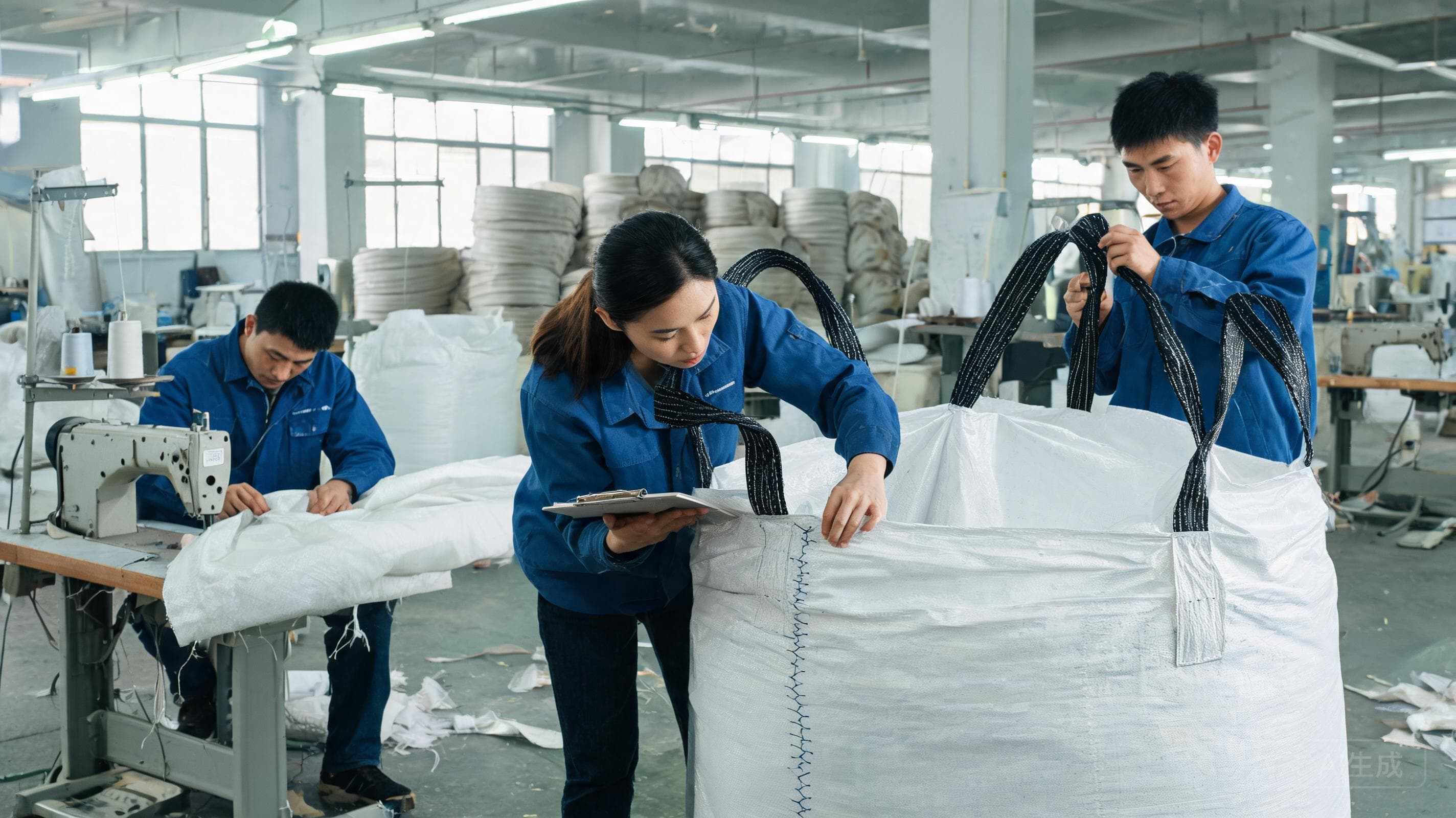
Choosing a FIBC Manufacturing Partner: Reduce Packaging Risk and Improve Supply Reliability
RUNCHEN
AuthorWith more than 25 years of experience in FIBC bulk bag manufacturing and sales, RUNCHEN operates its own production facility with stable batch capacity. We specialize in FIBC bulk bags, jumbo bags, ton bags, and customized industrial packaging solutions.
When Bulk Packaging Problems Become Supply-Chain Problems
Packaging failures can disrupt filling lines, delay production, damage goods, and trigger costly emergency sourcing. Unreliable delivery and bags that do not match the product or process can erode margins well beyond the purchase price. Comparing unit prices alone rarely captures the full cost of a bag that fails under load or a supplier unable to document production controls.
Procurement and operations teams need confidence in specifications, manufacturing controls, documentation, and responsiveness. The 2025 WEPACK materials reflect broad industry attention to packaging challenges: reliability is a strategic concern, not a back-office detail. A qualified FIBC manufacturing partner can help reduce avoidable risk and make packaging decisions easier to scale across sites and product lines.
Start with the Application, Not a Catalog
Begin bag selection with the material being handled, filling and discharge methods, storage conditions, transport route, and end-user requirements. A design that works for free-flowing granules may not suit irregular or interlocking materials. Top-loading and spout-filling can place different stresses on a bag, while outdoor storage may require UV stabilization and cleanroom use may require additional contamination controls.
Before requesting a quotation, define the target load, dimensions, lifting configuration, liner requirements, closure, printing, and handling environment. Aligning these details early can prevent mismatched designs, unnecessary customization, and late changes that delay delivery or increase costs. Share your product and process requirements with our team for an application-specific FIBC recommendation.
Match FIBC Design to Product and Operating Conditions
For routine bulk-material handling, the COSEK White General-Purpose FIBC Bulk Bag may serve as a starting point, subject to confirmation against your requirements. If a square-bottom format better suits your storage, filling, or handling process, consider the COSEK Brown Square Bottom FIBC Bulk Bag. Color and shape alone do not establish suitability: review construction, safe working load, safety factor, and operating conditions against your actual workflow.
Assess each proposed design against filling, lifting, stacking, and discharge requirements. Will the bag fill evenly? Do the lifting loops align with your equipment? Can it withstand stacking pressure in your warehouse? A bag that looks suitable on paper but fails in operation creates more risk than a higher-priced option that fits the process.
Address Sensitive and Regulated Applications with the Right Controls
For applications involving sensitive electronic components, evaluate the COSEK Black Anti-Static Bulk Bag for Cleanroom Electronic Components Packaging against your facility’s electrostatic-control and cleanroom requirements. Confirm relevant performance documentation, handling procedures, and compatibility with your technical specifications; a product name alone is not evidence of suitability.
For dangerous-goods applications, verify the certification scope, bag configuration, product classification, and current documentation for the intended shipment of the COSEK White UN Certified Dangerous Goods FIBC Bulk Bag. Certification applies to specific configurations and hazard classes, not every possible use. Arrange a technical review before production whenever compliance, product integrity, or facility safety is critical.
Evaluate the Manufacturer Behind the Bag
Assess production capability with specific questions: How are specifications reviewed? Which inspection points cover incoming materials and finished goods? How are deviations recorded and resolved? Request relevant quality documents, sample-approval processes, lead-time assumptions, and change-control procedures. A manufacturer should be able to explain how its controls support consistent production.
Clear communication and complete order records can support repeat purchasing across sites and product lines. Traceable decisions help you reproduce successful specifications without starting the process again. Supplier evaluation is a way to reduce operational risk, not simply negotiate a lower initial price. Identifying issues before shipment can spare your team the expense and disruption of resolving them after delivery.
Build a Business Case Beyond Unit Price
Compare total landed and operating costs, including freight, storage, filling efficiency, potential damage or rework, and the time required to manage supplier issues. A better-matched FIBC specification may support smoother handling and more predictable replenishment, but the benefits depend on the application and should be measured.
Track baseline and post-change indicators such as packaging-related incidents, order consistency, lead-time performance, and total cost per usable bag. A structured quotation comparison separates confirmed specifications from assumptions and helps stakeholders make informed purchasing decisions. With the full cost picture documented, the discussion can shift from price per bag to value per shipment.
Use Evidence Carefully When Assessing Supplier Value
The GOTS implementation handbook offers broader operational considerations, including technical and organizational measures, but it is not a FIBC performance standard. Austrian Business in China materials discuss topics such as employee retention, fair compensation, digitized HR processes, and compliance. These may inform supplier-governance questions, but they do not independently verify packaging quality.
Before using the Joincare Pharmaceutical Group Industry Co., Ltd. 2023 figure of 25.9846 million as social proof, confirm what it measures, its currency or unit, and whether it relates directly to the project or outcome in question. Unclear or unrelated figures do not demonstrate FIBC performance or customer ROI. Prioritize attributable customer evidence, defined measurement periods, and application-specific results. Request documentation you can verify rather than relying on anecdotes.
A Practical Checklist for a FIBC RFQ
Build your request for quotation around concrete requirements. Specify product type, bulk density, target load, bag dimensions, lifting arrangement, filling and discharge needs, and storage conditions. Identify any antistatic, cleanroom, dangerous-goods, documentation, or other application-specific requirements, and ask the supplier to provide relevant supporting evidence.
Request proposed construction details, a sample or drawing review, quality documentation, lead time, minimum-order assumptions, and quotation validity. Agree on approval steps, inspection expectations, packaging and shipping details, and how specification changes will be handled. A complete RFQ reduces back-and-forth and makes supplier responses easier to compare on an equivalent basis.
Turn the Specification Review into a Lower-Risk Purchase
Define the use case, confirm technical and compliance requirements, assess manufacturing controls, and compare total operating value. The COSEK Brown Square Bottom FIBC Bulk Bag, COSEK Black Anti-Static Bulk Bag for Cleanroom Electronic Components Packaging, COSEK White General-Purpose FIBC Bulk Bag, and COSEK White UN Certified Dangerous Goods FIBC Bulk Bag are starting points for discussion—not substitutes for application review.
Your specifications determine the right fit. Send us your current bag specification, application details, and target delivery schedule for a product-fit review and quotation. Our team can review documents and evaluate samples to help confirm the design before you commit to production.
Request a FIBC product-fit review and quotation: contact our team with your bag specification, application requirements, and delivery schedule.
Related News
Other news you might be interested in
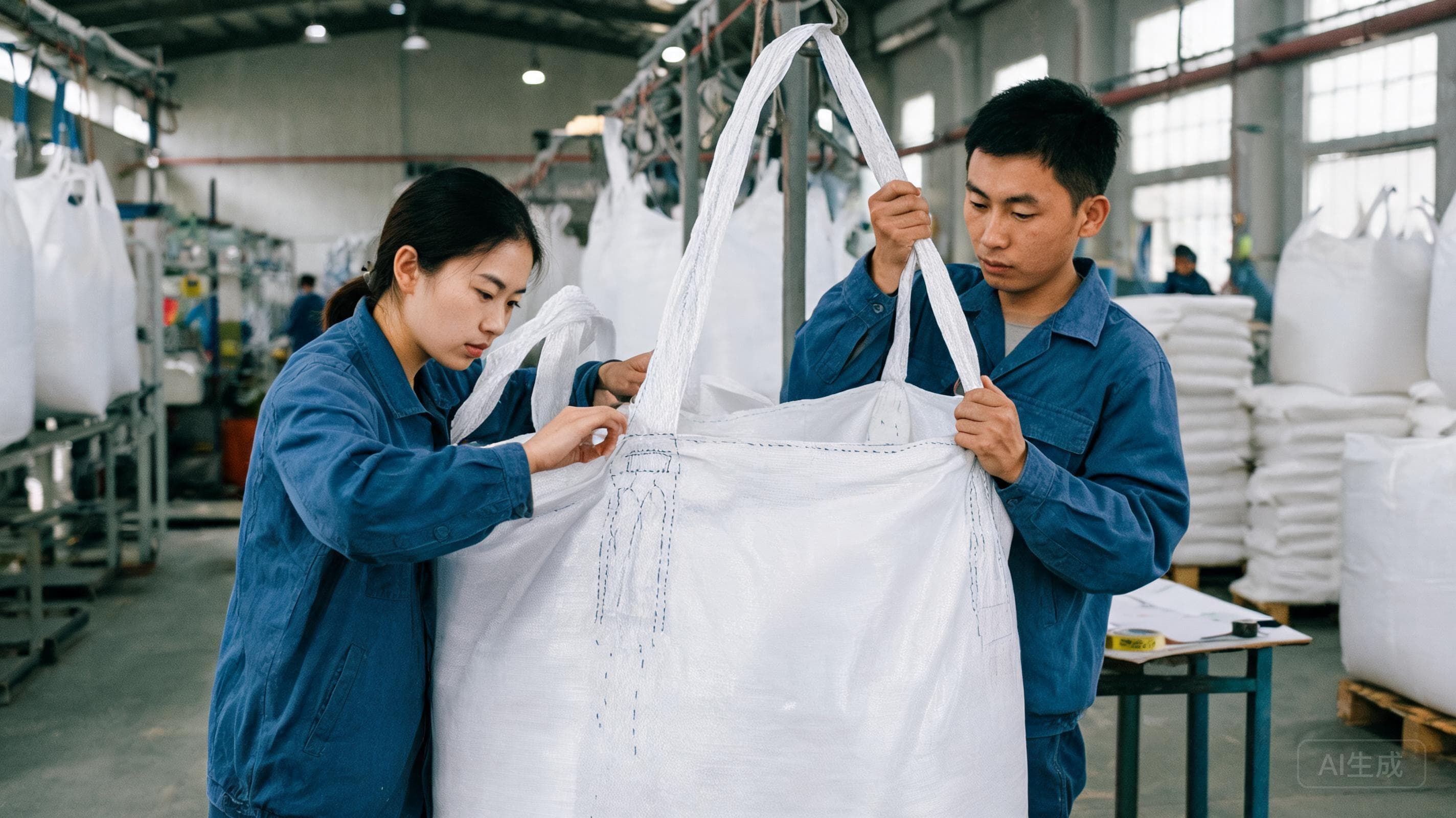
How to Choose a FIBC Manufacturer That Protects Product Quality, Compliance, and Total Cost
Use an application-led checklist to assess FIBC design, compliance, quality controls, and total cost. Compare manufacturers on verified evidence before requesting a tailored quote.
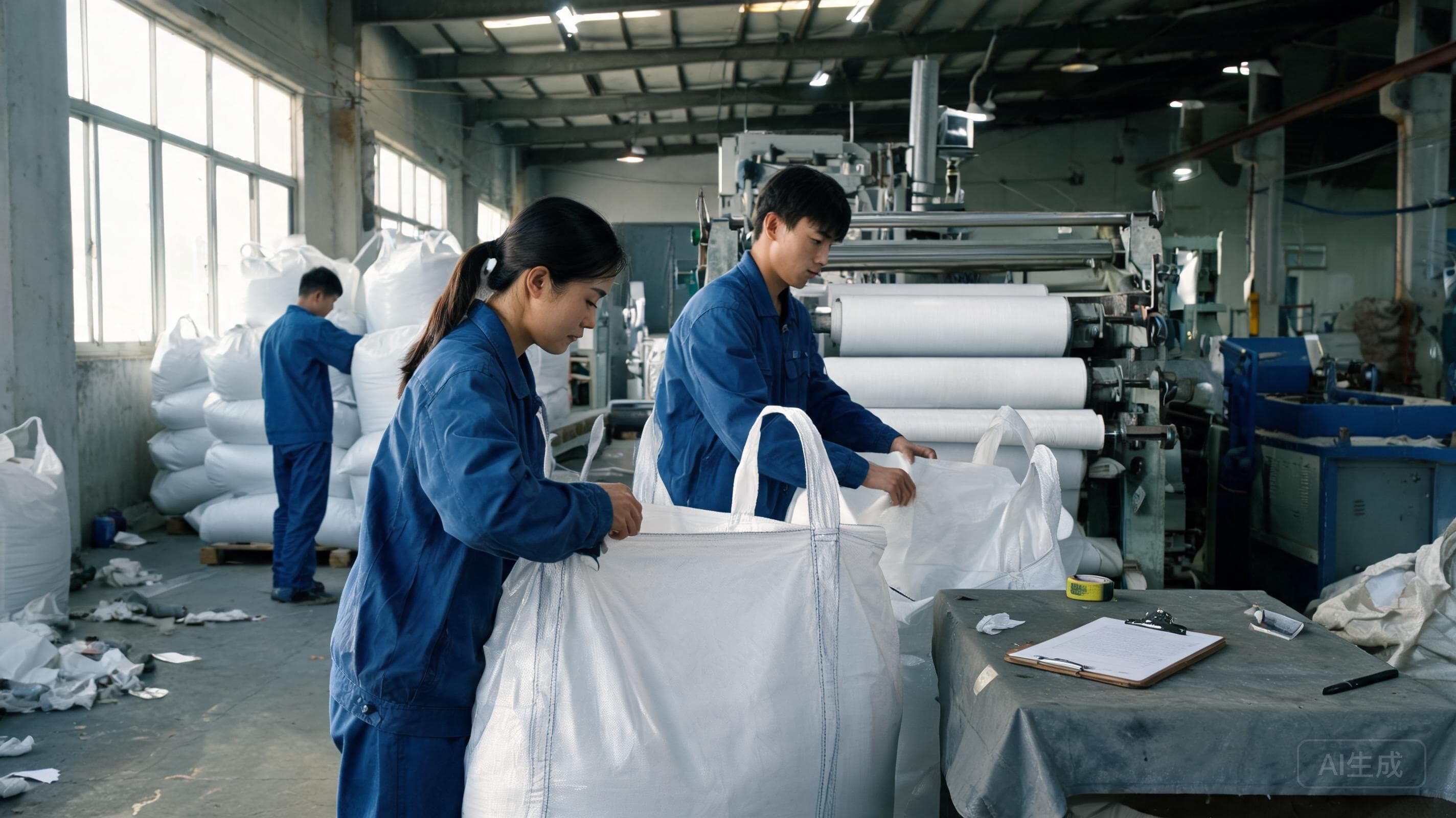
Choosing a Bulk Bag Manufacturer: Reduce Packaging Risk and Improve Supply Reliability
Use a practical supplier qualification framework to match FIBC specifications to your material, equipment, compliance needs, and delivery schedule—and reduce sourcing risk.
Want to know more?
Get in touch with us for more information about our services and products.