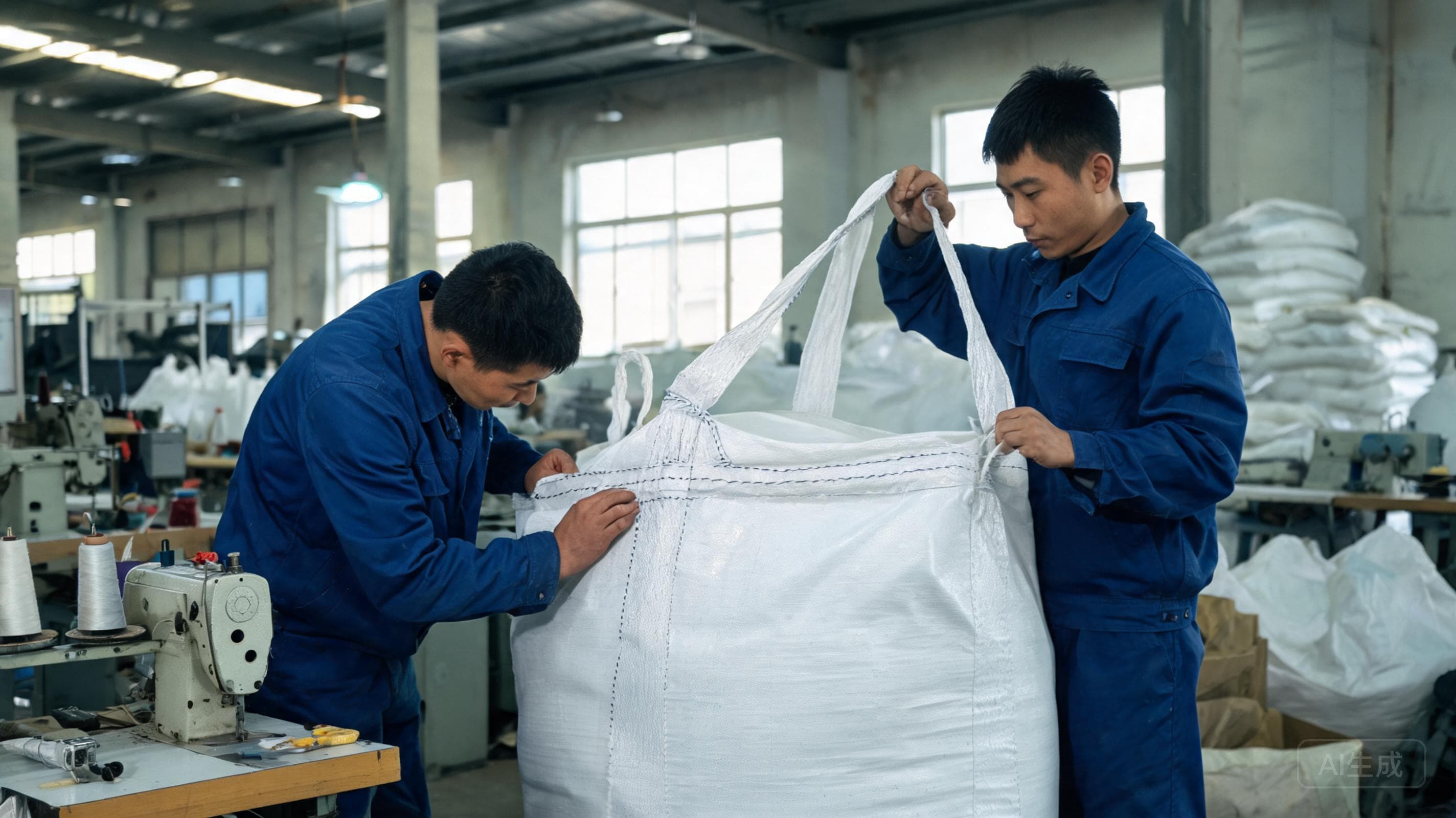
Choosing the Right FIBC Bulk Bag for Safer, More Predictable Operations
RUNCHEN
AuthorWith more than 25 years of experience in FIBC bulk bag manufacturing and sales, RUNCHEN operates its own production facility with stable batch capacity. We specialize in FIBC bulk bags, jumbo bags, ton bags, and customized industrial packaging solutions.
When demand shifts, packaging decisions affect margins
Uncertain market conditions, softer demand in some downstream sectors, and tighter margins leave buyers with less room to absorb packaging failures or unnecessary costs. Recent market commentary, for example, has described weaker import volumes and subdued trading in parts of the paper market after a strong 2023. This is one illustration of broader supply-chain uncertainty—not a direct measure of FIBC demand—but it shows how quickly purchasing conditions can change.
When a bulk bag is poorly matched to its application, the commercial impact can extend well beyond the bag’s purchase price. Product loss, damaged goods, handling delays, and rejected shipments can all erode already narrow margins. Choosing an FIBC is therefore an operational decision as well as a procurement one.
The right approach is to match bag construction to the material, handling process, operating environment, and buyer requirements. A clear specification makes it easier to compare suitable options and reduces the risk of choosing on unit price alone.
Start with the load and the conditions it will face
Begin by describing the product being packed. Weight and bulk density matter, as do flow characteristics, moisture sensitivity, and any static-control or contamination concerns. These details help determine which bag features and materials are appropriate.
Then map the bag’s complete journey: filling, lifting, storage, transport, discharge, and reuse, if applicable. A bag that works well at the filling station may still be a poor fit for a long transport route, a tight warehouse layout, or a particular discharge process.
Consider the operating environment, including outdoor exposure, temperature, abrasion, and warehouse conditions. Before comparing prices, share these requirements with the packaging supplier so quotations cover equivalent specifications—not different bags that happen to have similar capacities.
Match bag construction to the risk—not just the quoted price
Compare fabric strength, seam construction, lifting loops, and any coating or liner requirements against the actual load and handling plan. Design features should address the risks the bag will face in use, rather than adding specifications that do not serve the application.
For demanding handling, tear resistance may help reduce damage when the bag is correctly specified and used as intended. The COSEK Tear-Resistant FIBC Bulk Bag is one option to evaluate where abrasion or rough handling is a concern. Request technical details and, where appropriate, arrange a sample evaluation; a product name or headline price alone cannot establish suitability.
Address static control and sensitive-product requirements
Static-related packaging risks deserve careful review in facilities that handle sensitive electronic components or operate under specific static-control requirements. The appropriate packaging depends on the product, filling and discharge procedures, and conditions at the site.
Confirm electrostatic requirements and handling procedures with qualified technical personnel, and ensure the packaging choice aligns with facility safety protocols. The COSEK Black Anti-Static Bulk Bag for Cleanroom Electronic Components Packaging may be worth assessing for suitable cleanroom and electronics packaging applications. Anti-static packaging does not replace a site-level risk assessment or established handling procedures.
Select a shape and discharge design that supports efficient handling
Bag geometry can affect filling stability, storage footprint, and discharge efficiency. A square-bottom design may be worth evaluating where stacking, storage, or process requirements favor that shape, but the final choice should fit the equipment and load.
The COSEK Brown Square Bottom FIBC Bulk Bag is an option for buyers comparing bag geometry and handling requirements. Before ordering, check dimensions, compatibility with filling equipment, discharge configuration, and pallet or warehouse constraints. A shape that improves one part of the operation should not create a problem elsewhere in the workflow.
Inspect reinforcement and usability for demanding workflows
Review reinforcement, lifting-loop configuration, seams, and handling points against the planned lifting method. Assess these details as part of the complete handling system, including the equipment used and how operators will access and move the bag.
The Yellow Reinforced FIBC Bag is an option for buyers evaluating reinforced construction for a specific operation. Confirm the safe working load and request any applicable safety factor or test documentation directly from the manufacturer. Bag design contributes to lifting safety, but equipment condition, operator training, and safe work practices matter too.
Build factory safety into the packaging decision
Manufacturing environments can expose workers to hazards involving forklifts, machinery, pedestrian movement, missing PPE, falls, or unsafe access. FIBC handling should be covered by the site’s broader procedures for traffic separation, operator training, inspection, lifting, and storage.
Safety guidance commonly combines technical controls, organizational measures such as work scheduling, and individual protective measures. Review packaging workflows with your EHS and operations teams rather than treating bag selection as a procurement-only decision. The goal is to ensure the chosen design and handling process work together in the conditions where the bag will actually be used.
Verify quality, compliance, and documentation before purchase
Before placing an order, ask suppliers for the product specification, relevant test documentation, traceability information, and details about batch consistency. Clarify how the supplier communicates changes to materials or construction so repeat purchases do not introduce unapproved variations.
Ask which certifications or standards apply to the specific product and its intended use. Do not assume textile-related guidance or certifications, including GOTS materials, automatically apply to FIBC products; confirm relevance and scope with the supplier. For export or regulated applications, verify destination-market requirements and documentation with the appropriate compliance specialists.
Compare total operating cost, not unit price alone
A useful comparison includes more than the purchase price. Consider potential product loss, bag damage, handling time, storage efficiency, rejected loads, and replacement frequency. The lowest-priced option may not represent the best value if it does not reliably meet the application’s safety and performance requirements.
Where the decision is uncertain, run a controlled trial with defined acceptance criteria before committing to a larger order. Track the outcomes that matter to your operation, and do not assume savings or return on investment without customer-specific data. Sharing your operating conditions with a supplier can support a more grounded comparison.
Use a supplier evaluation process to reduce purchasing risk
Give suppliers a concise brief covering material properties, target load, dimensions, filling and discharge methods, storage conditions, and annual volume. Ask about customization options, lead times, minimum order quantities, sampling, quality checks, and support after delivery.
Compare responses for completeness and evidence of application understanding—not only price and delivery date. Once a bag is approved, document its specification so repeat orders remain consistent and purchasing teams can identify proposed changes before they affect operations.
Turn the specification into a clear next step
The four products in this article offer starting points for evaluation: the COSEK Tear-Resistant FIBC Bulk Bag, the COSEK Black Anti-Static Bulk Bag for Cleanroom Electronic Components Packaging, the COSEK Brown Square Bottom FIBC Bulk Bag, and the Yellow Reinforced FIBC Bag. Suitability depends on the specific material, load, equipment, environment, and handling process.
Send us your material details, target load, bag dimensions, filling and discharge method, and operating conditions. We’ll help you shortlist suitable FIBC options and provide relevant specifications, sample options, and a quotation for your requirements.
Related News
Other news you might be interested in
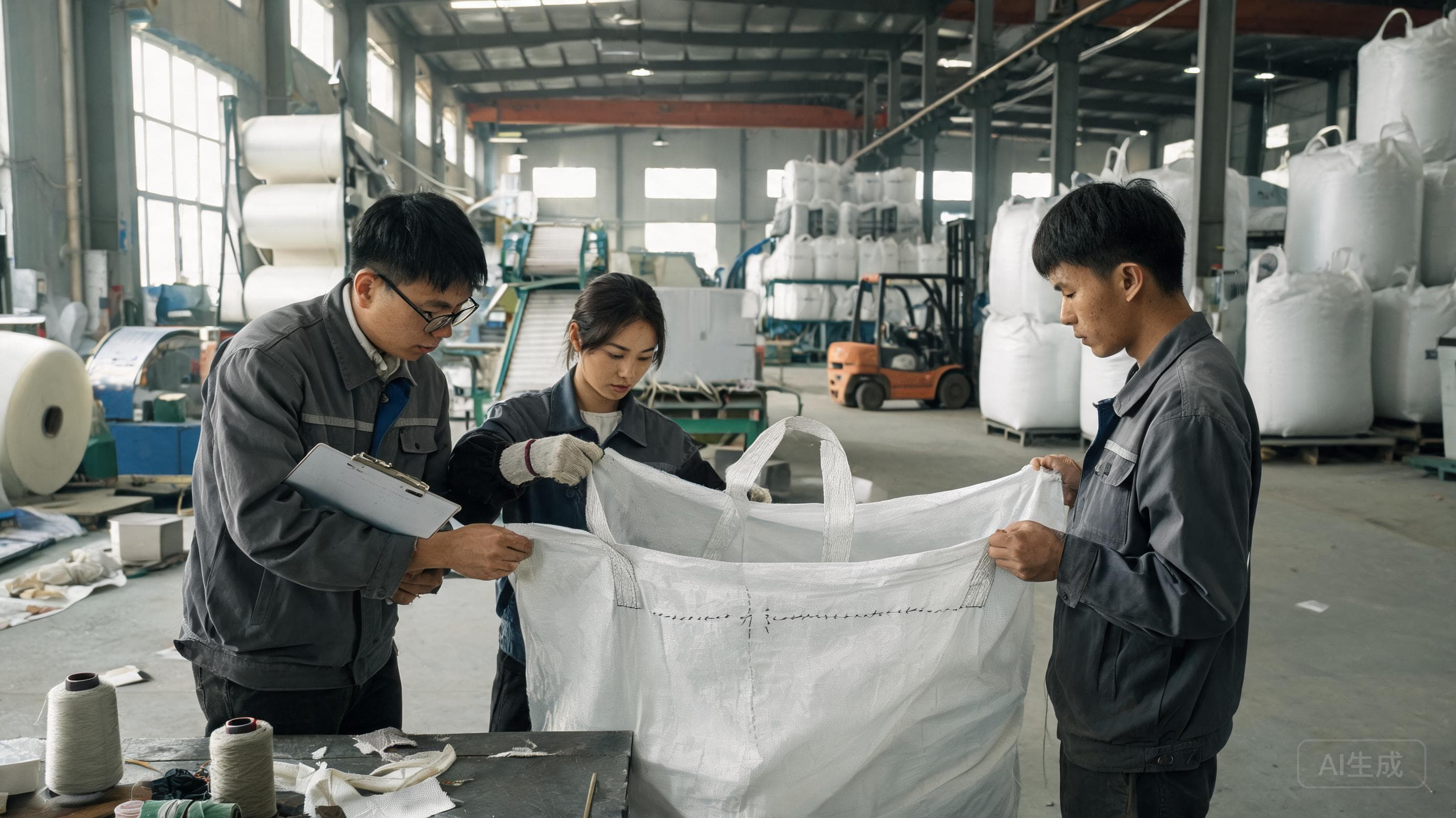
How to Choose a FIBC Supplier That Improves Packaging Performance and Production Efficiency
Learn how to match FIBC construction to your product, equipment, and handling needs, assess suppliers beyond unit price, and prepare a clear brief for a tailored quote.
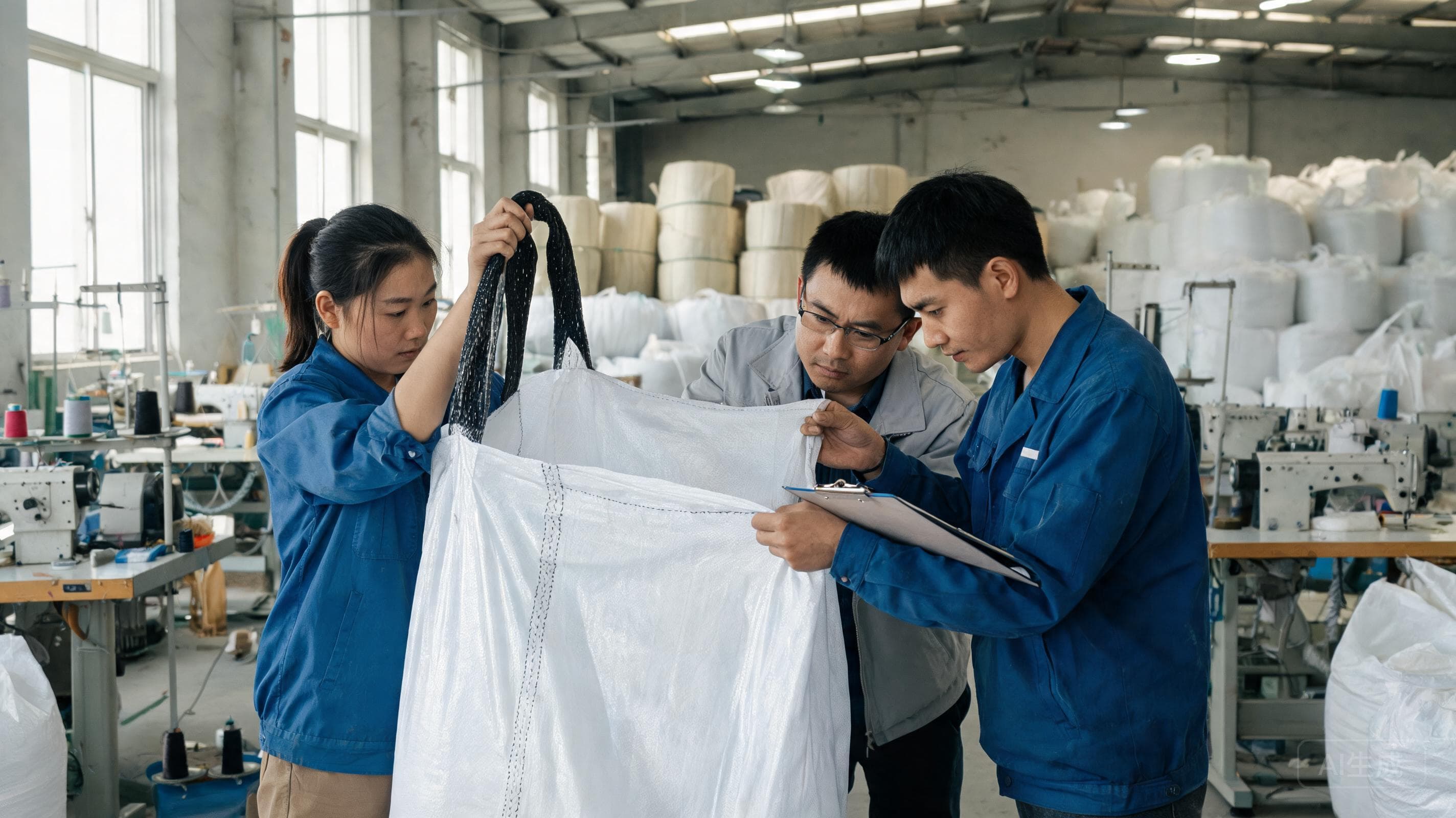
Choosing a FIBC Manufacturing Partner: A Practical Guide to Compliance, Quality, and Supply Reliability
Evaluate FIBC suppliers with a practical framework for application fit, documentation, quality controls, production capacity, and total cost. Prepare your requirements before requesting samples or a quote.
Want to know more?
Get in touch with us for more information about our services and products.