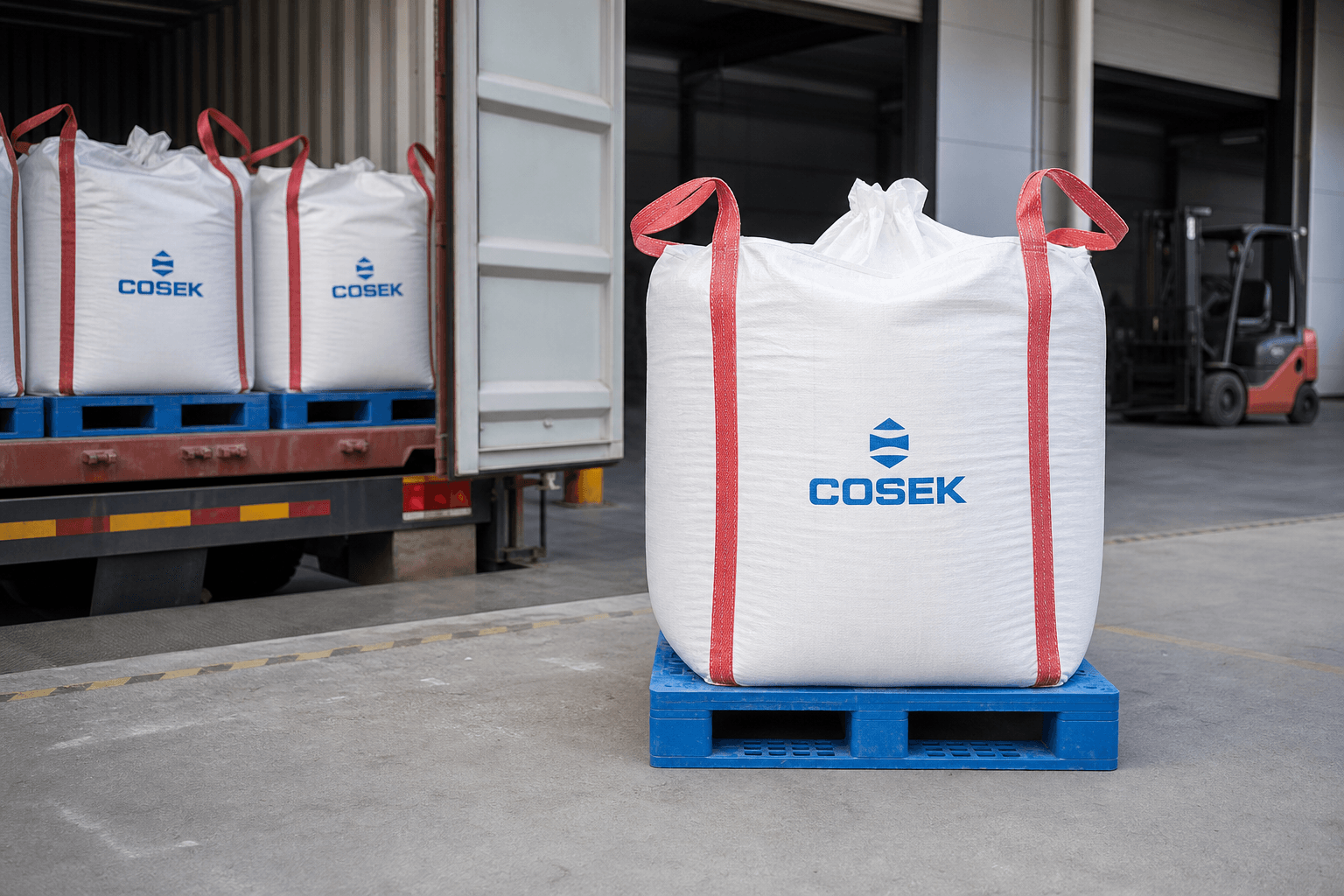
Demand for Food-Grade FIBC Bags Continues to Rise as Grain, Feed, and Starch Supply Chains Focus More on Cleanliness and Moisture Protection
RUNCHEN
AuthorWith more than 25 years of experience in FIBC bulk bag manufacturing and sales, RUNCHEN operates its own production facility with stable batch capacity. We specialize in FIBC bulk bags, jumbo bags, ton bags, and customized industrial packaging solutions.
Food Raw Material Packaging Is Moving from Basic Loading to Safer Protection
In recent years, the grain processing, animal feed, starch processing, and food ingredient export industries have continued to grow. As a result, the packaging requirements for bulk materials are also becoming more demanding. In the past, buyers mainly focused on load capacity, bag size, and purchase cost when choosing FIBC bags. Today, more companies are paying attention to cleanliness, moisture resistance, sealing performance, and warehouse management efficiency.
For products such as rice, flour, starch, sugar, animal feed ingredients, and food additives, packaging is no longer just a transportation tool. It is also an important factor that affects product quality. During long-distance transportation, port transfer, warehouse storage, and export shipping, humidity, dust, foreign matter, and packaging damage may all affect the final delivery quality.
This is why demand for food-grade FIBC bags continues to rise. Behind this trend is the growing need for safer, cleaner, and more professional packaging solutions in food raw material supply chains.
Cleanliness Has Become a Key Standard for Food-Grade FIBC Bags
Food raw materials are sensitive to packaging conditions. If the inside of the bag contains dust, loose threads, foreign matter, or contamination, it may affect downstream processing, warehouse inspection, and customer trust. Therefore, food-grade FIBC bags usually require stricter control in material selection, production environment, sewing process, liner configuration, and closure design.For materials such as flour, seasonings, food additives, and starch, companies often prefer FIBC bags with a clean appearance, stable structure, optional inner liner, and customized printing.
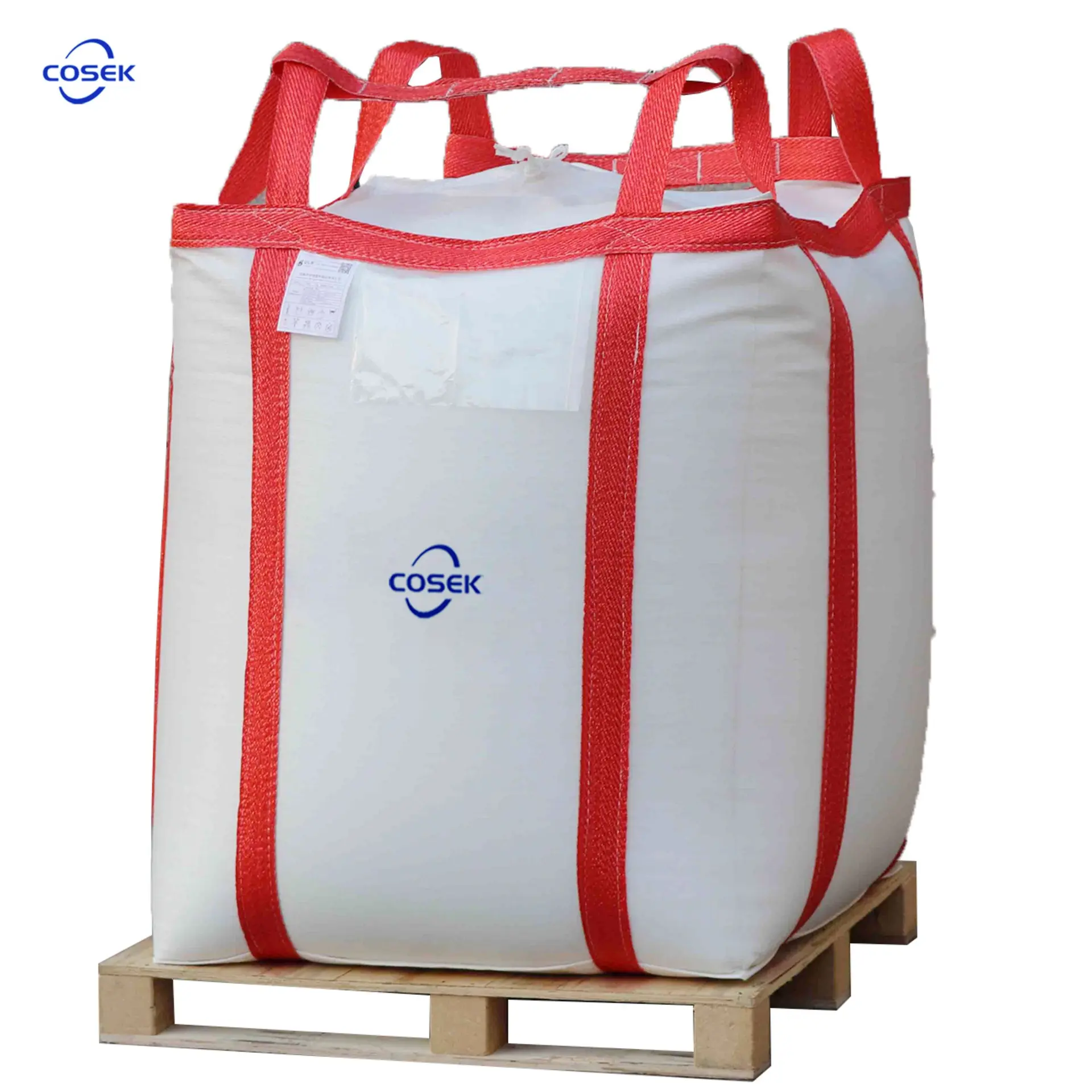
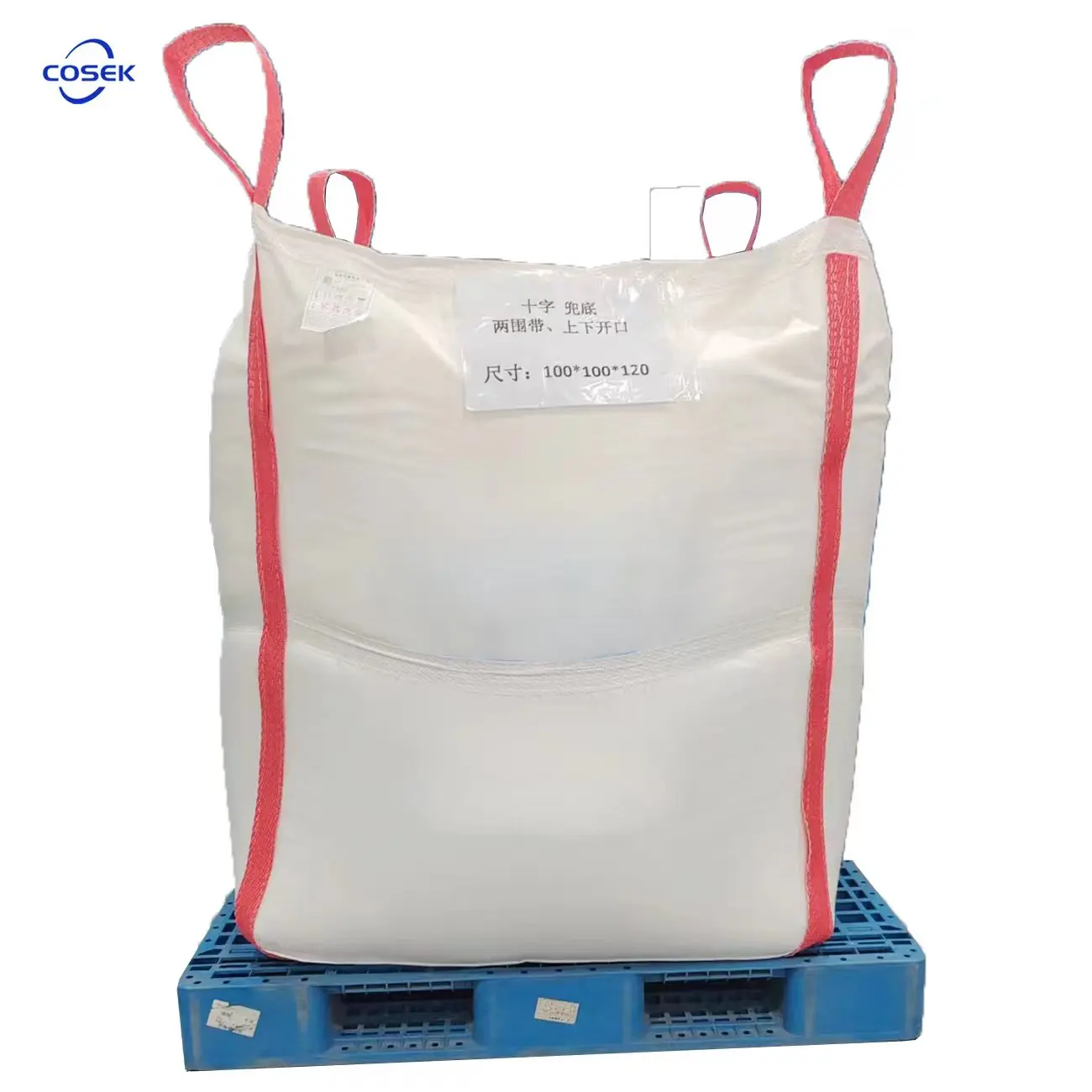
The COSEK White and Red Food-Grade Ton Bag is suitable for rice, flour, seasonings, additives, and other food raw materials. The white bag body presents a clean and professional appearance, while the red lifting loops and reinforcement belts make it easier for warehouses to identify batches and improve brand visibility. It is a practical choice for customers who value both food-grade packaging performance and product presentation.
Moisture Protection Directly Affects the Quality of Grain, Feed, and Starch
In addition to cleanliness, moisture resistance is another important factor for food-grade bulk bags. Grain, animal feed, and starch materials are generally sensitive to humidity. Once these materials absorb moisture during transportation or storage, they may become lumpy, moldy, odorous, or less free-flowing.
This risk is especially common during rainy-season transportation, temporary outdoor storage, port yard handling, container shipping, and long-term warehousing. In these conditions, ordinary woven bags may not provide enough protection. FIBC bags with moisture-proof structures, inner liners, or leak-resistant designs can help reduce the risk of moisture entering the bag and lower product loss.
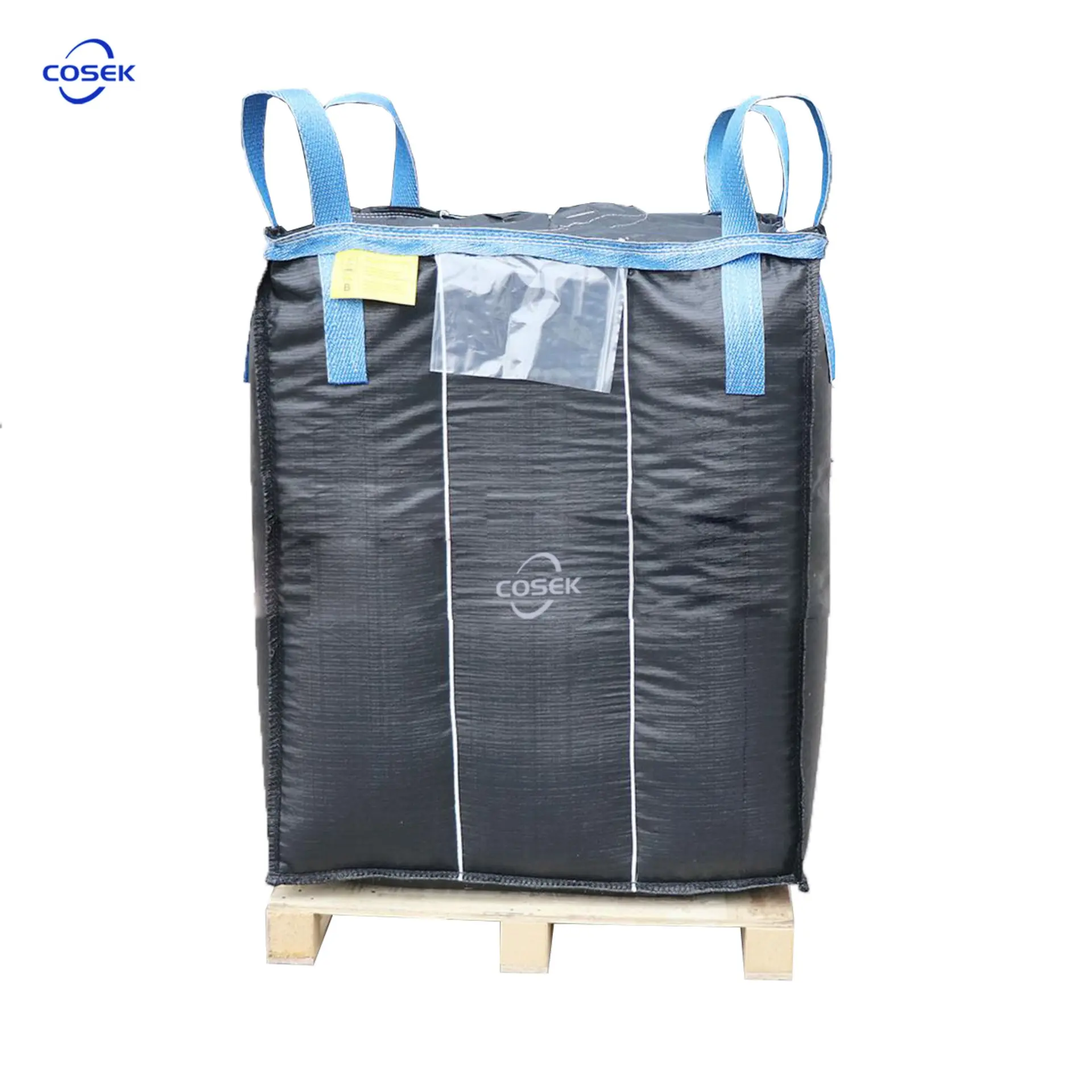
For grain, feed, and other moisture-sensitive bulk materials, the COSEK Black Moisture-Proof Ton Bag is a more protective option. It is suitable for applications that require better moisture resistance, water resistance, and durability, helping improve material stability during storage and transportation.
Customized FIBC Bag Design Improves Storage and Logistics Efficiency
The value of food-grade FIBC bags is not only reflected in the material itself, but also in whether the bag can match the customer’s actual application scenario. Different materials require different packaging structures.
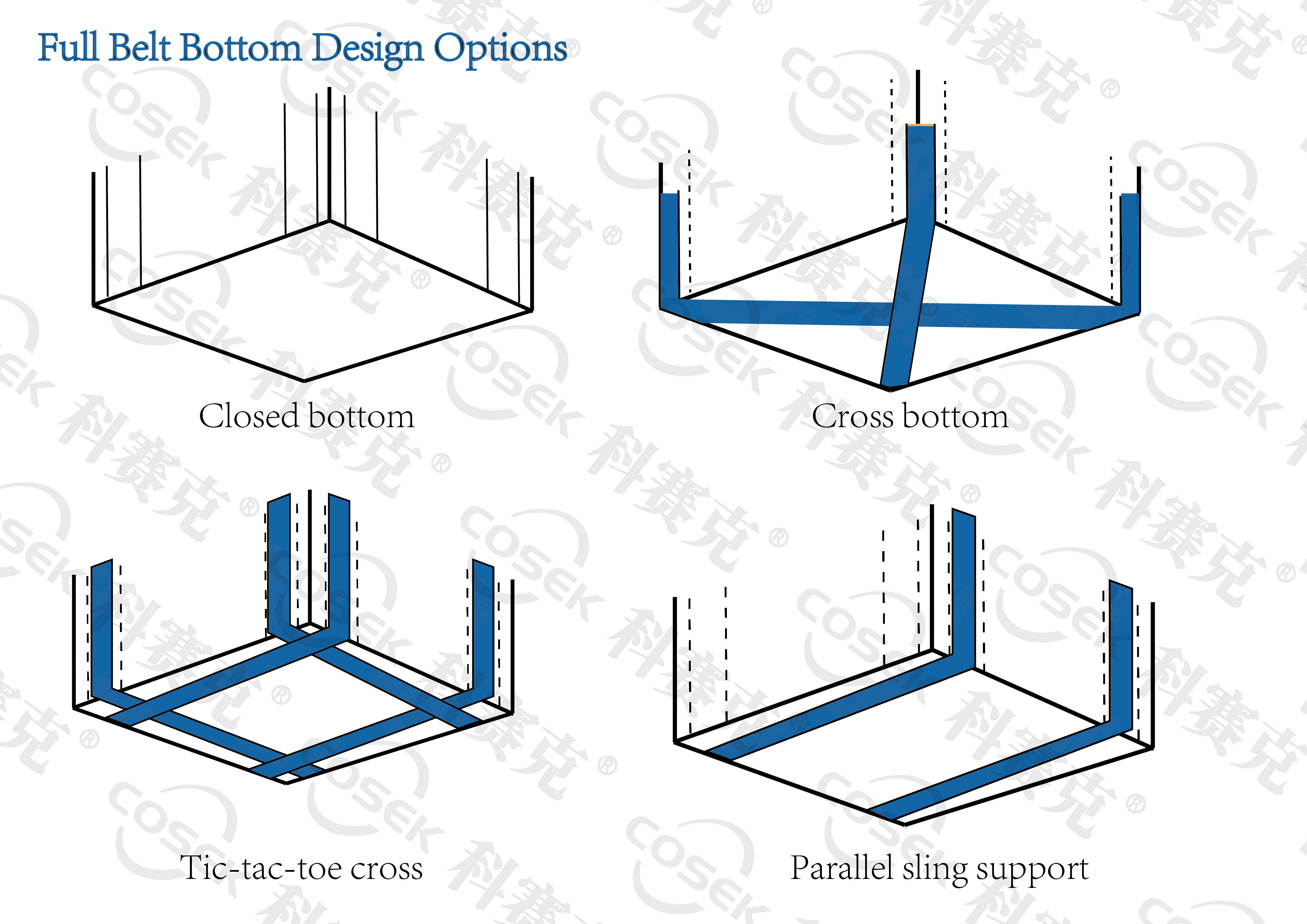
Powder materials usually require better sealing and leakage prevention. Granular materials require stronger load-bearing performance and better stacking stability. Moisture-sensitive materials often need inner liners, moisture-proof films, or tighter closure structures. At the same time, lifting loop design, filling spout, discharge spout, bag size, printing, and color identification can also affect loading efficiency and warehouse management.
For export-oriented companies, customized FIBC bags can also help create a more unified brand image. Clear printing, batch identification, and standardized packaging can reduce wrong shipments, material mixing, and warehouse identification costs.
Food-Grade FIBC Bags Still Have Strong Market Growth Potential
From an industry perspective, the growing demand for food-grade FIBC bags is not a short-term trend. It is the result of supply chain upgrades in the food raw material industry. As customers pay more attention to food safety, packaging standards, transportation efficiency, and loss control, low-cost ordinary packaging is gradually being replaced by cleaner, more stable, and more application-specific packaging solutions.
In the future, food-grade FIBC bags will continue to develop toward higher cleanliness, better moisture protection, greater customization, and improved traceability. For grain, feed, starch, and food additive companies, choosing the right bulk bag is not just about changing packaging materials. It is about improving the reliability of the entire logistics and storage process.
Related News
Other news you might be interested in
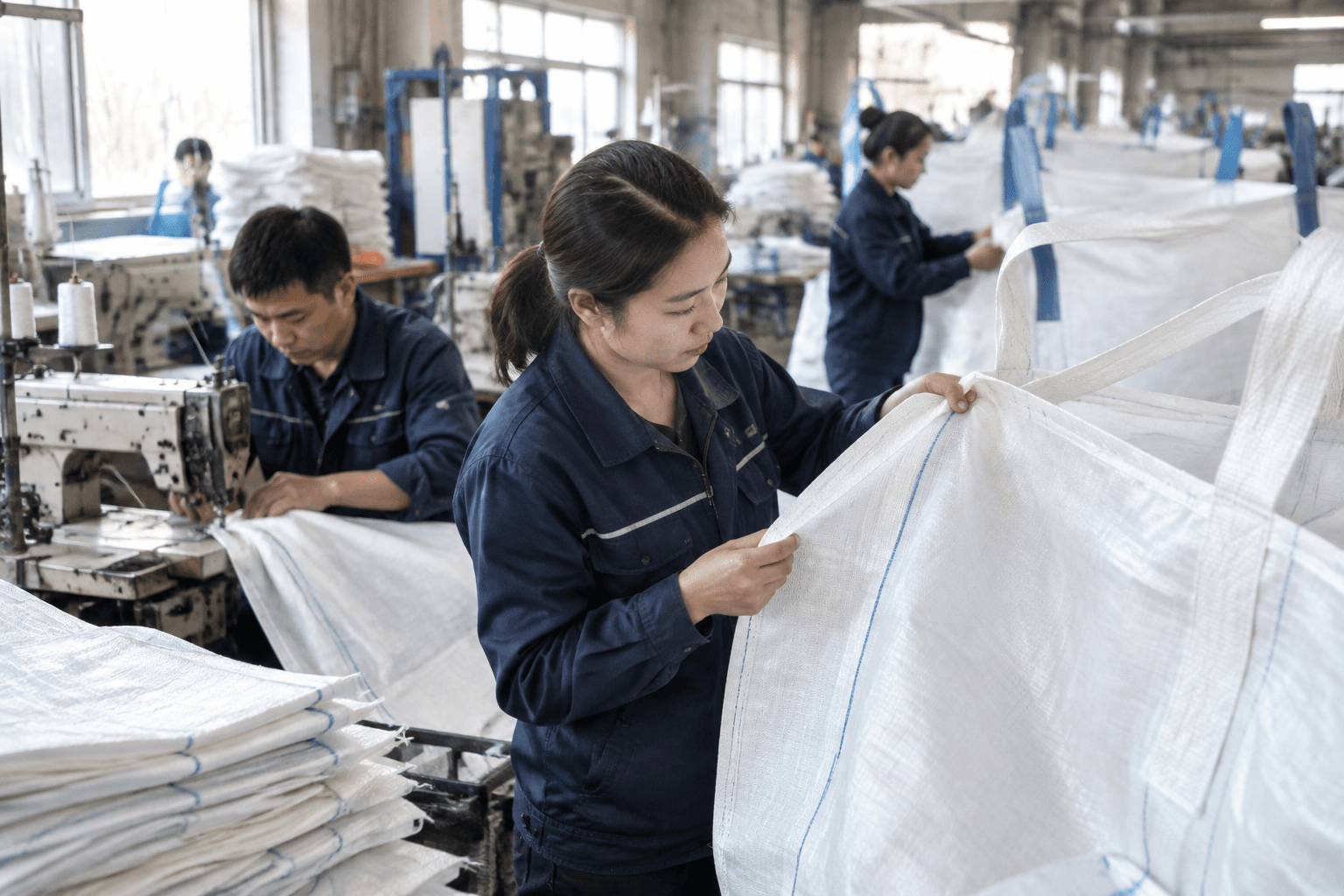
The 140th Canton Fair: New Trends in the Export Market for FIBC Bulk Bags, Jumbo Bags, and PP Woven Packaging
Explore how export buyers can evaluate FIBC bulk bags and PP woven packaging beyond unit price. Get practical guidance on specifications, supplier verification, sustainability requirements, and RFQs—and prepare your next sourcing conversation with COSEK.
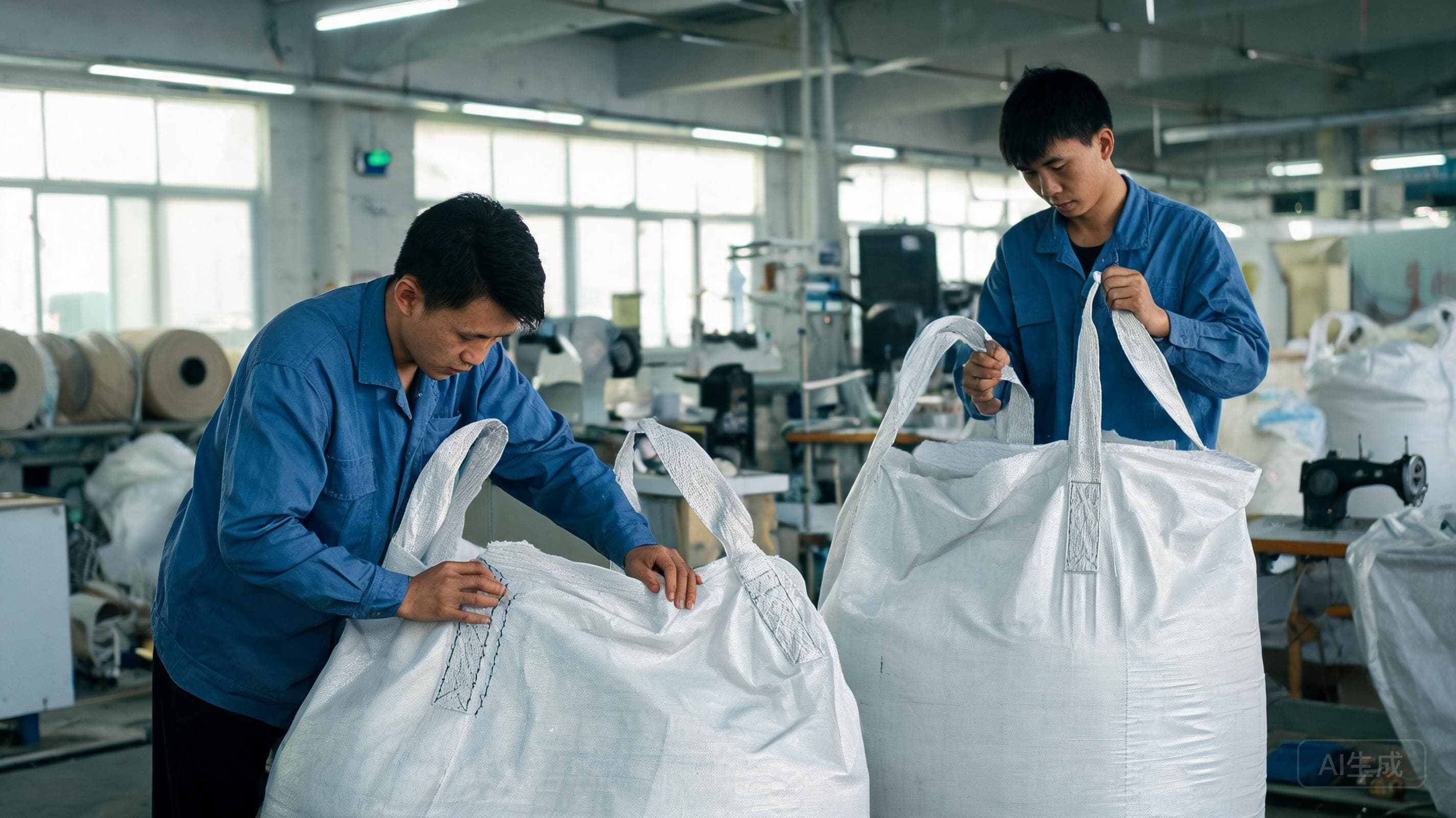
How to Choose the Right FIBC Bulk Bag for Safer, More Efficient Industrial Packaging
Choose an FIBC bulk bag by matching its construction to your product, handling process, compliance needs, and destination. Use technical review, pilot testing, and total-cost analysis to reduce risk.
Want to know more?
Get in touch with us for more information about our services and products.