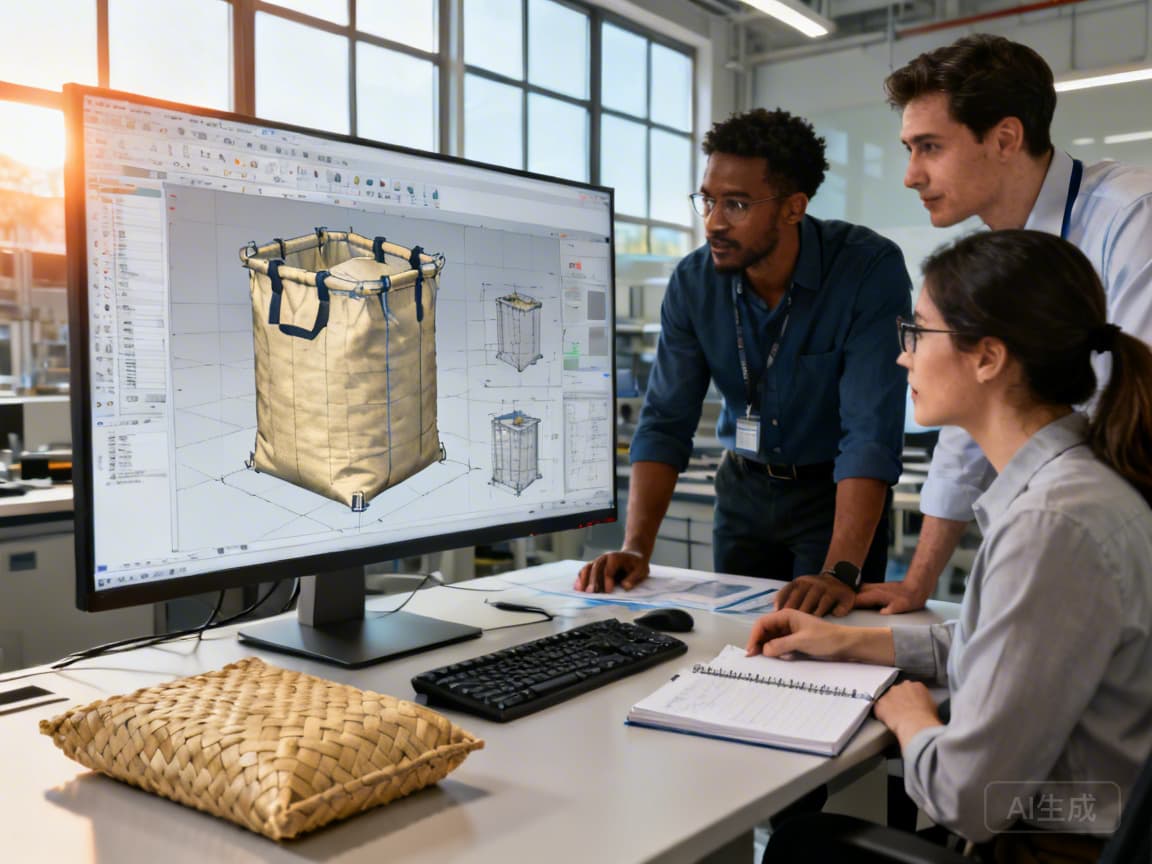
Design for FIBC: Cut Product Development Time by 50% with Early Integration
RUNCHEN
AuthorWith more than 25 years of experience in FIBC bulk bag manufacturing and sales, RUNCHEN operates its own production facility with stable batch capacity. We specialize in FIBC bulk bags, jumbo bags, ton bags, and customized industrial packaging solutions.
Design for FIBC: Cut Product Development Time by 50% with Early Integration
In product development, time is the ultimate currency. A landmark study by Forrester on digital manufacturing insights platform aPriori revealed a staggering outcome: companies achieved an 87% reduction in product development time and saved over $76 million in supplier negotiations. This wasn't just about cost-cutting; it was a fundamental rethinking of the design process. What if you could apply this same principle of early, data-driven integration to a component often considered last: your bulk packaging? This is the core promise of "Design for FIBC"—a strategic shift that transforms Flexible Intermediate Bulk Containers (FIBCs) from a logistical afterthought into a catalyst for innovation and resilience.
The High Cost of the "Packaging Last" Mindset
Traditionally, FIBCs are selected late in the product development cycle. Once a product's formulation, density, and flow characteristics are finalized, engineers and procurement scramble to find a bag that fits. This reactive approach creates a cascade of hidden costs and delays: inefficient filling lines, product residue due to poor discharge, suboptimal palletization, and in-transit damage. These are not mere packaging issues; they are direct hits to your operational efficiency, product yield, and bottom line. The subsequent adjustments—retooling lines, retesting logistics—consume precious time and capital, eroding your competitive edge before the product even hits the market.
From Container to Collaborative Component
"Design for FIBC" flips this script. It advocates for the integration of bulk bag specifications at the product design phase, treating the FIBC as a critical component of the total system. This collaborative process between your R&D team and a technical FIBC partner focuses on synergy:
- Material Compatibility: Designing liners and coatings based on the chemical composition, moisture sensitivity, and abrasiveness of your product.
- Flow Dynamics: Engineering discharge systems (spouts, baffles) that match your product's flow characteristics to ensure complete, clean emptying and reduce waste.
- Load & Logistics Optimization: Calculating dimensions and lift loops that maximize container and truck load utilization, directly translating to lower freight costs.
Just as aPriori’s platform uses digital twins to simulate manufacturing, a Design for FIBC approach uses prototyping and testing to simulate the product's entire journey—from filling to end-user—identifying and solving problems on the screen, not on the factory floor.
Quantifying the Value: Building the Business Case
The ROI of this proactive approach is multi-faceted. By aligning packaging with product design, companies can achieve measurable gains that extend far beyond the per-unit bag cost.
- Accelerated Time-to-Market: Eliminating late-stage packaging redesigns and production line adjustments can realistically cut associated development timelines by 50% or more. This gets revenue-generating products to market faster.
- Reduced Total Cost of Ownership: Minimized product loss, maximized shipping density, and fewer handling issues directly lower operational expenses. The methodology championed by the ROI Institute, which demonstrated a 5,724% ROI for a training program by focusing on comprehensive value capture, is instructive here. True FIBC ROI must account for these systemic savings.
- Enhanced Supply Chain Resilience: In a market facing "intensified raw material price fluctuations," as noted in China's packaging industry insights, a collaboratively designed, right-sized FIBC reduces material overuse and creates predictable demand, insulating your operations from volatility.
Implementing Design for FIBC: A Practical Roadmap
Transitioning to this model requires a structured, cross-functional effort. Here is a concise action plan to begin:
Step 1: Convene a Cross-Functional Team
Move the conversation beyond procurement. Initiate a kickoff involving R&D, process engineering, production, logistics, and safety. The goal is to share complete product and process parameters.
Step 2: Define Critical Parameters
Prepare data on your product's physical and chemical properties, filling rate, storage environment, transportation modes, and discharge requirements. This becomes the shared brief.
Step 3: Engage in Early-Stage Partner Dialogue
Present this brief to a technical FIBC manufacturer during the product design phase, not after. Explore concepts, request prototypes, and conduct fill tests. This collaborative loop is where innovation happens.
Step 4: Pilot, Measure, and Scale
Run a controlled pilot with the new collaboratively designed FIBC. Measure key metrics: filling time, product yield, damage rates, and logistics efficiency. Use this data, following aPriori's example of data-driven decision-making, to validate the ROI and refine the design before full-scale rollout.
Conclusion: The Strategic Imperative
The convergence of market trends—green mandates, cost pressure, and the drive for smart manufacturing—demands a new approach. The data is clear: treating packaging as a strategic, integrated system component delivers outsized returns. By adopting a Design for FIBC philosophy, you stop buying a mere container and start investing in a lever for product integrity, supply chain efficiency, and sustainable growth. The question is no longer if you can afford to integrate packaging early, but if you can afford not to.
Related News
Other news you might be interested in
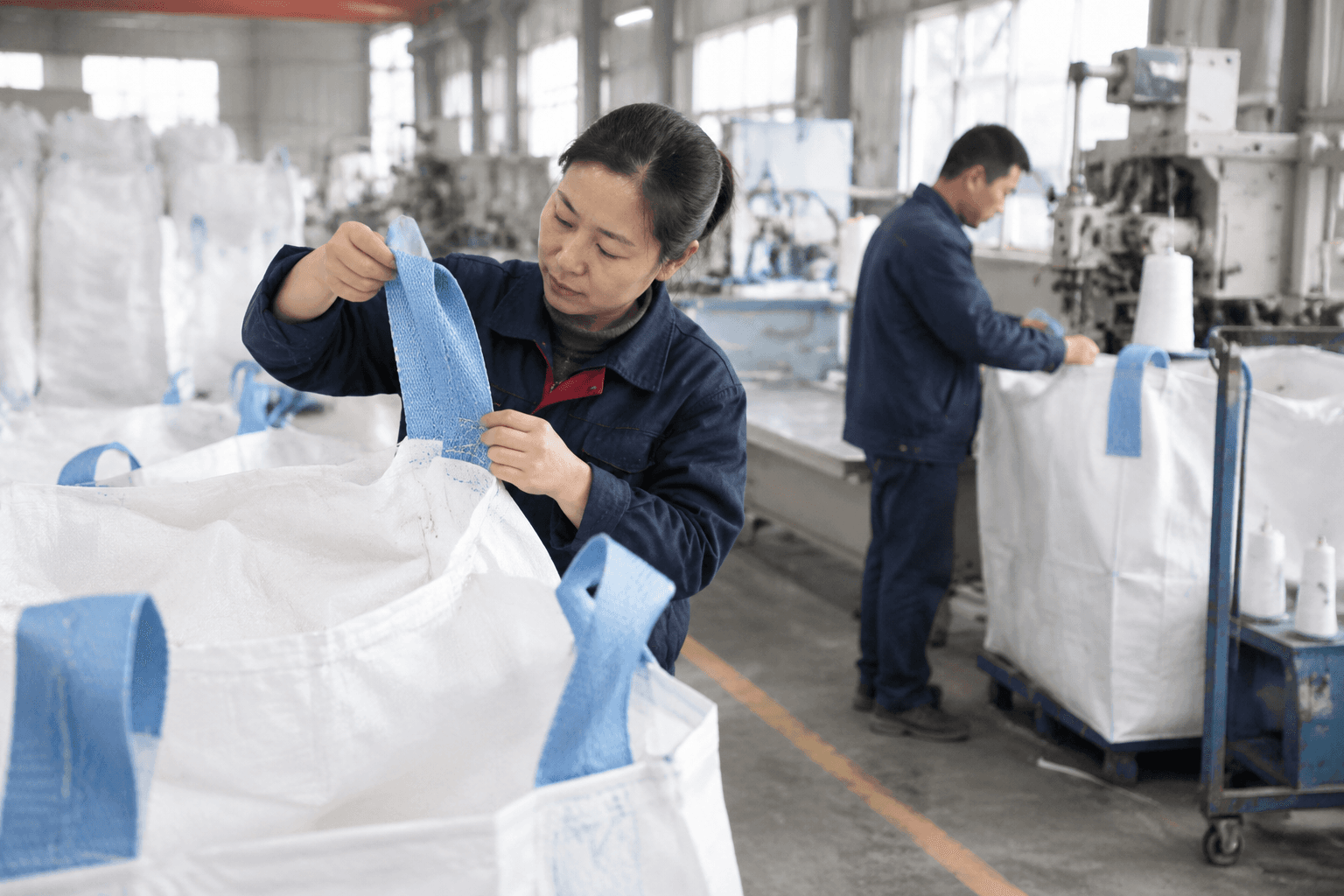
Choosing the Right FIBC Bulk Bag: A Procurement Guide for Safer, More Reliable Packaging
Use this practical FIBC procurement guide to define your application, compare specifications and suppliers, verify compliance, and request a bag configuration that fits your operation.
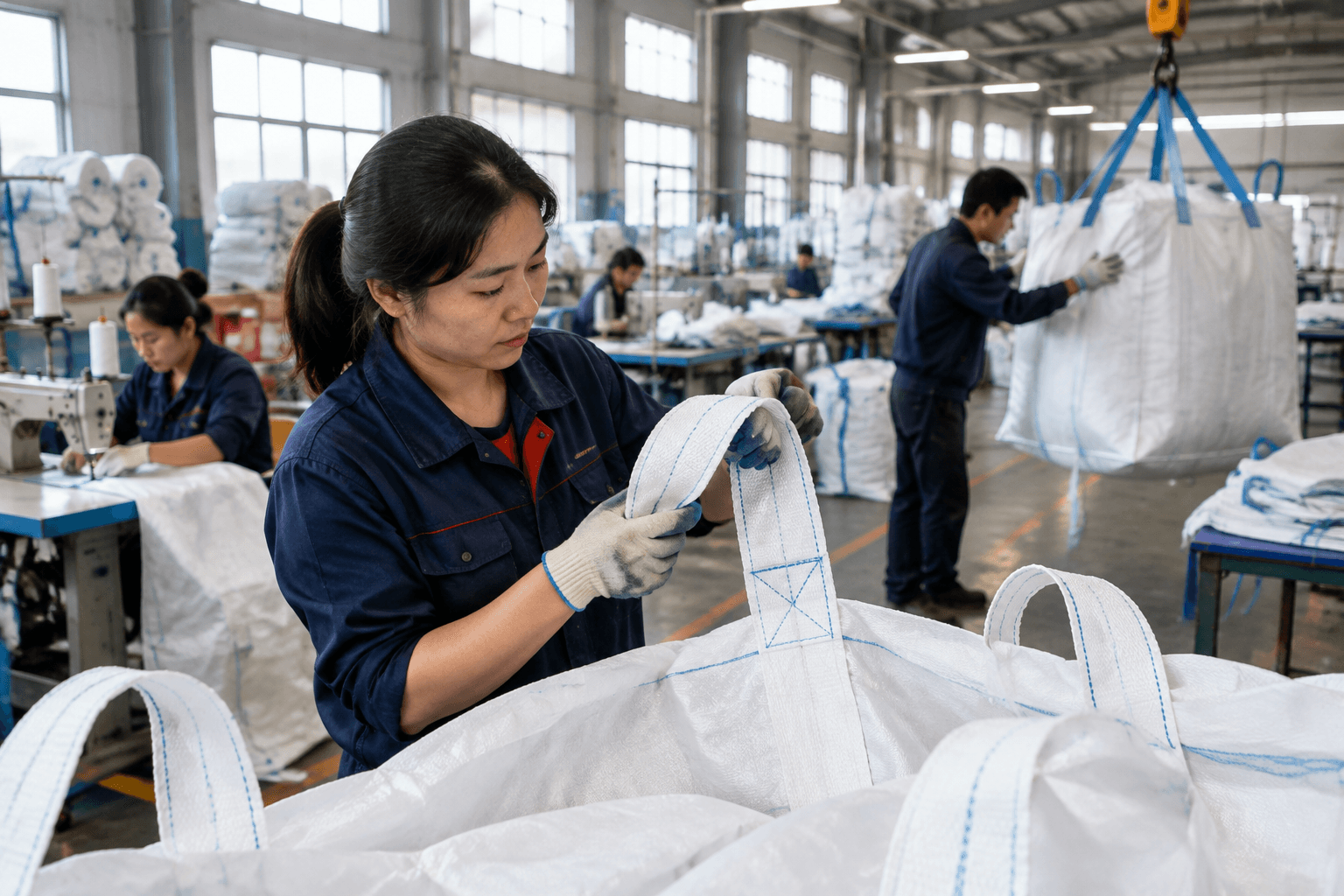
Choosing the Right Bulk Bag Manufacturer for Safer, More Efficient Operations
Learn how to specify bulk bags, evaluate manufacturers, and validate quality and supply reliability to reduce operational risk and support safer, more efficient handling.
Want to know more?
Get in touch with us for more information about our services and products.