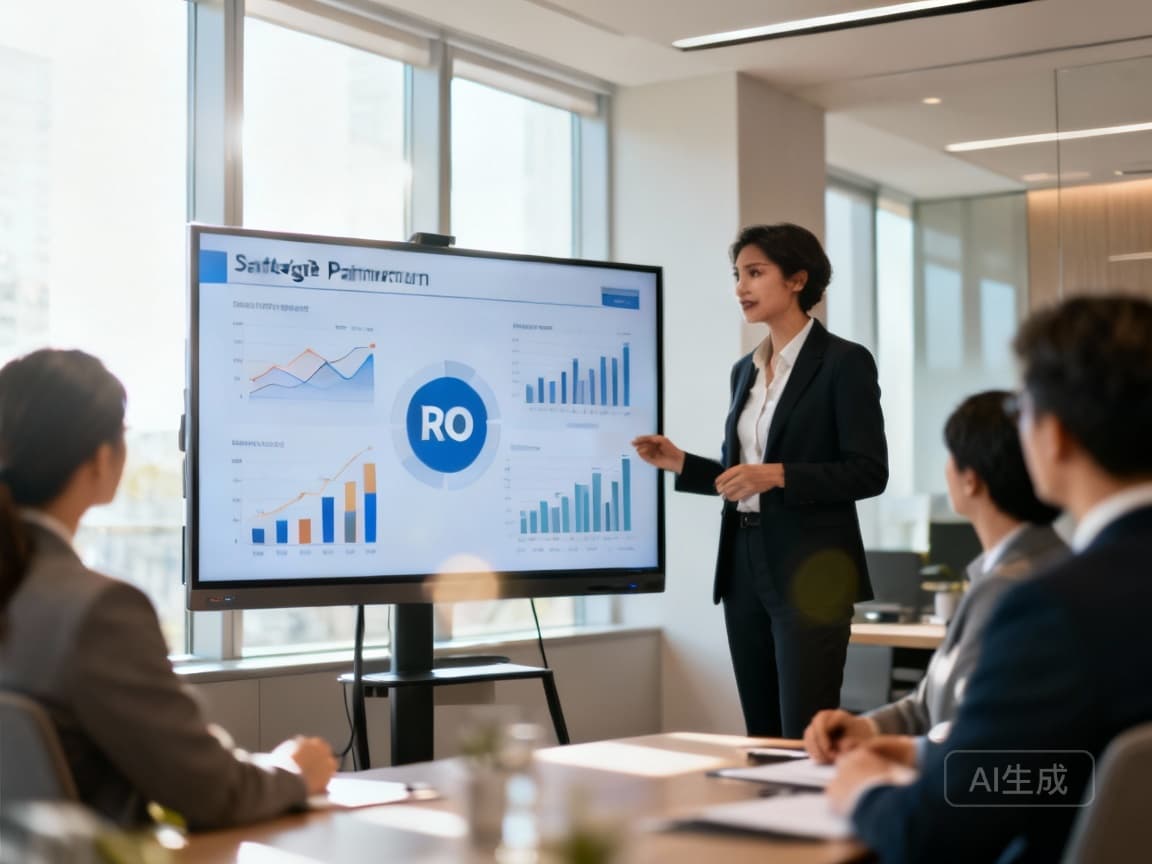
Empower Your Clients: A Ton Bag ROI Framework to Shorten Value Realization by 35%
RUNCHEN
AuthorWith more than 25 years of experience in FIBC bulk bag manufacturing and sales, RUNCHEN operates its own production facility with stable batch capacity. We specialize in FIBC bulk bags, jumbo bags, ton bags, and customized industrial packaging solutions.
Empower Your Clients: A Ton Bag ROI Framework to Shorten Value Realization by 35%
The bulk bag market is at an inflection point. Traditional sales conversations, centered on cost-per-unit and basic compliance, are becoming commoditized. To differentiate, leading manufacturers must evolve from being product suppliers to becoming value realization partners. This shift requires a new playbook—one that empowers your clients (the end-users) to achieve their strategic business goals faster, thereby cementing your own strategic indispensability. Drawing on proven frameworks from enterprise software and technology, we present a data-backed approach to shorten your clients' time-to-value by 35% or more.
The Strategic Pivot: From Product Features to Client Business Outcomes
Current market dialogue focuses on cost savings and loss prevention. Our strategy executes a fundamental turn: positioning the bulk bag as a strategic asset that drives client growth and operational transformation. The core insight, validated by successful B2B models, is to accelerate the realization of quantifiable Return on Investment (ROI).
Consider the case of Shyft, which shortened its customers' time to positive ROI by 35% through comprehensive implementation and change management. Similarly, a Fortune 500 tech company achieved an average ROI of 544% with a phased deployment framework.
This demonstrates a universal principle: value must be proven, accelerated, and measurable. Your unique proposition shifts from "our bags save you money" to "we help your clients accelerate their capacity expansion, ensure new project success, and optimize their supply chain."
Pillar 1: The Verifiable ROI Framework for Your Clients
Move beyond vague promises. Equip your sales team with a concrete, client-centric ROI framework. This involves providing tools that help your manufacturing clients calculate the total value for their downstream customers (e.g., chemical plants, building material distributors).
Develop a "Bulk Bag ROI Calculator" template that quantifies gains across the client's operations:
- Efficiency Gains: Reduced loading/unloading time at ports or plants.
- Loss Prevention: Decreased product loss from tearing or contamination.
- Operational Cost Savings: Lower insurance premiums, optimized warehouse space, reduced waste disposal fees.
- Transportation Optimization: Higher load factors and fewer trips due to durable, stackable designs.
By enabling your client to present a compelling, data-driven business case to their procurement team, you transition the conversation from price to total cost of ownership and value creation.
Pillar 2: The Invisible Guardian of Capacity Expansion
Market insights reveal clear industry trends, such as capacity expansion projects like Wenzhou Shangde Packaging's plan for a new 5,000-ton annual production line. The launch of a new facility or production line is a high-stakes, vulnerable period where packaging failures can cause catastrophic downtime.
Position your bulk bags as the "first line of insurance" for successful ramp-up. Create content and solutions around this critical milestone:
- Customized Designs: Tailored sizes, reinforced stress points, and special liners to ensure seamless flow within new logistics systems.
- Operational Integrity: Bags engineered to withstand the specific handling processes of the new facility, preventing bottlenecks.
This pillar directly ties your product to the client's core growth objectives, elevating your strategic relevance far beyond a consumable item.
Pillar 3: Transforming ESG Compliance into a Competitive Edge
With environmental regulations, particularly on VOCs, driving technological upgrades, the opportunity extends beyond mere compliance. Your bulk bag can become a visible token of a green supply chain, helping your clients meet their own ESG mandates.
Frame your solution in terms of reducing your client's Scope 3 emissions—a key metric for their downstream brand customers. Provide verifiable analysis on how your offerings contribute:
- Material Innovation: Using high-percentage recycled content or bio-based materials.
- Design for Longevity: Creating reusable, multi-trip bag designs that minimize waste.
- Logistical Efficiency: Optimizing cube utilization to reduce transportation frequency and associated carbon footprint.
This transforms a regulatory pressure into a marketing and business development tool for your client, creating a powerful shared-value narrative.
Your Implementation Roadmap: A Phased Approach to Success
Adopting this model requires a structured rollout, mirroring the successful "assess, pilot, expand" framework used by leading technology firms.
Phase 1: Assess & Equip. Identify 2-3 strategic clients facing clear growth or sustainability challenges. Arm your team with the ROI calculator and case study narratives based on the three pillars.
Phase 2: Pilot a Value Proposal. Co-develop a tailored proposal with one client, focusing on solving a specific business problem (e.g., securing their new plant launch). Define clear success metrics upfront.
Phase 3: Scale & Institutionalize. Document the quantifiable results from the pilot. Integrate these value-based tools and narratives into your standard sales process and marketing collateral.
By providing a tangible framework for value realization, you build deeper trust and shift the relationship from transactional to strategic partnership. The goal is not just to sell a bag, but to become an indispensable catalyst for your client's success—proving that in today's market, the most durable thing you manufacture is trust itself.
Related News
Other news you might be interested in
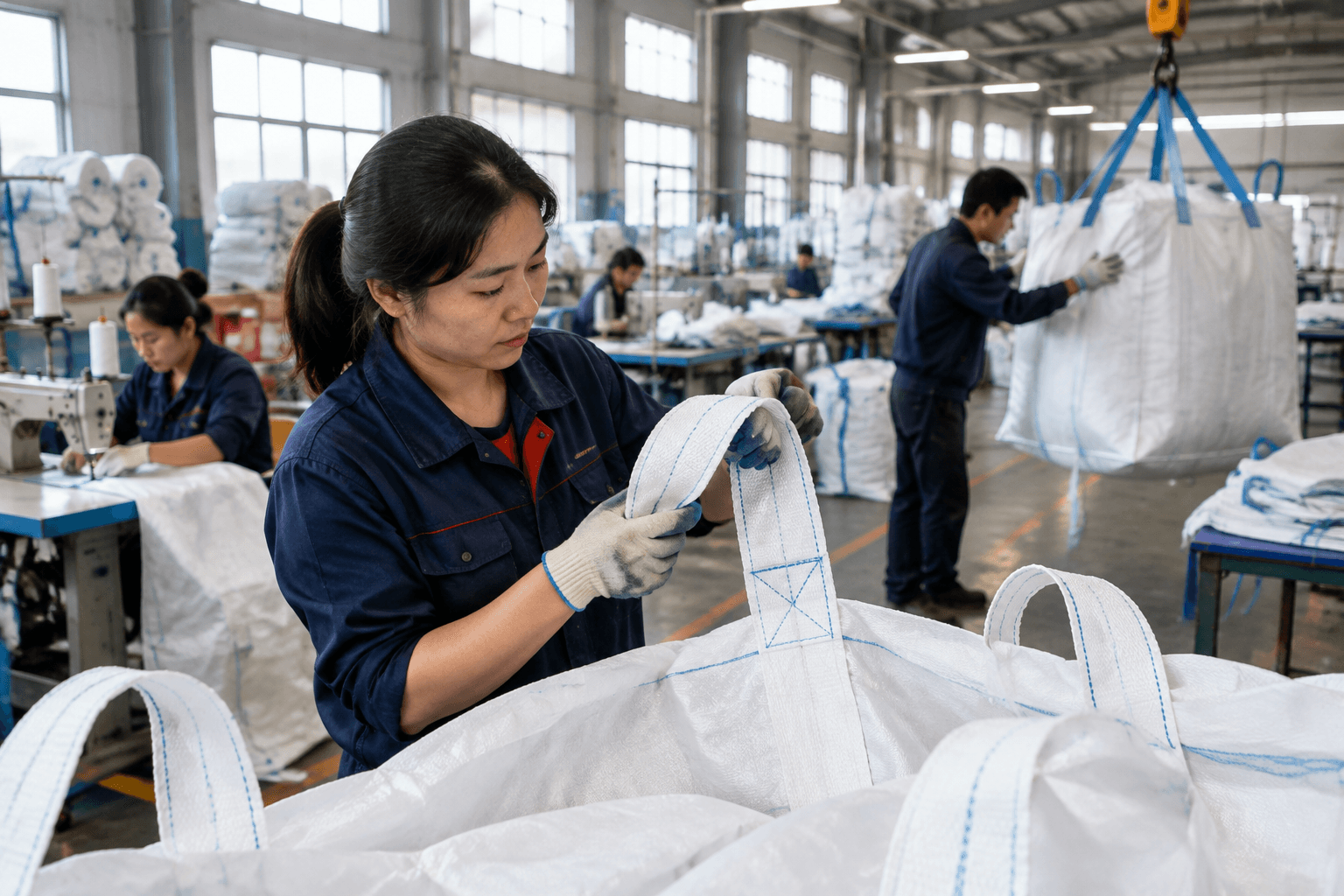
Choosing the Right Bulk Bag Manufacturer for Safer, More Efficient Operations
Learn how to specify bulk bags, evaluate manufacturers, and validate quality and supply reliability to reduce operational risk and support safer, more efficient handling.
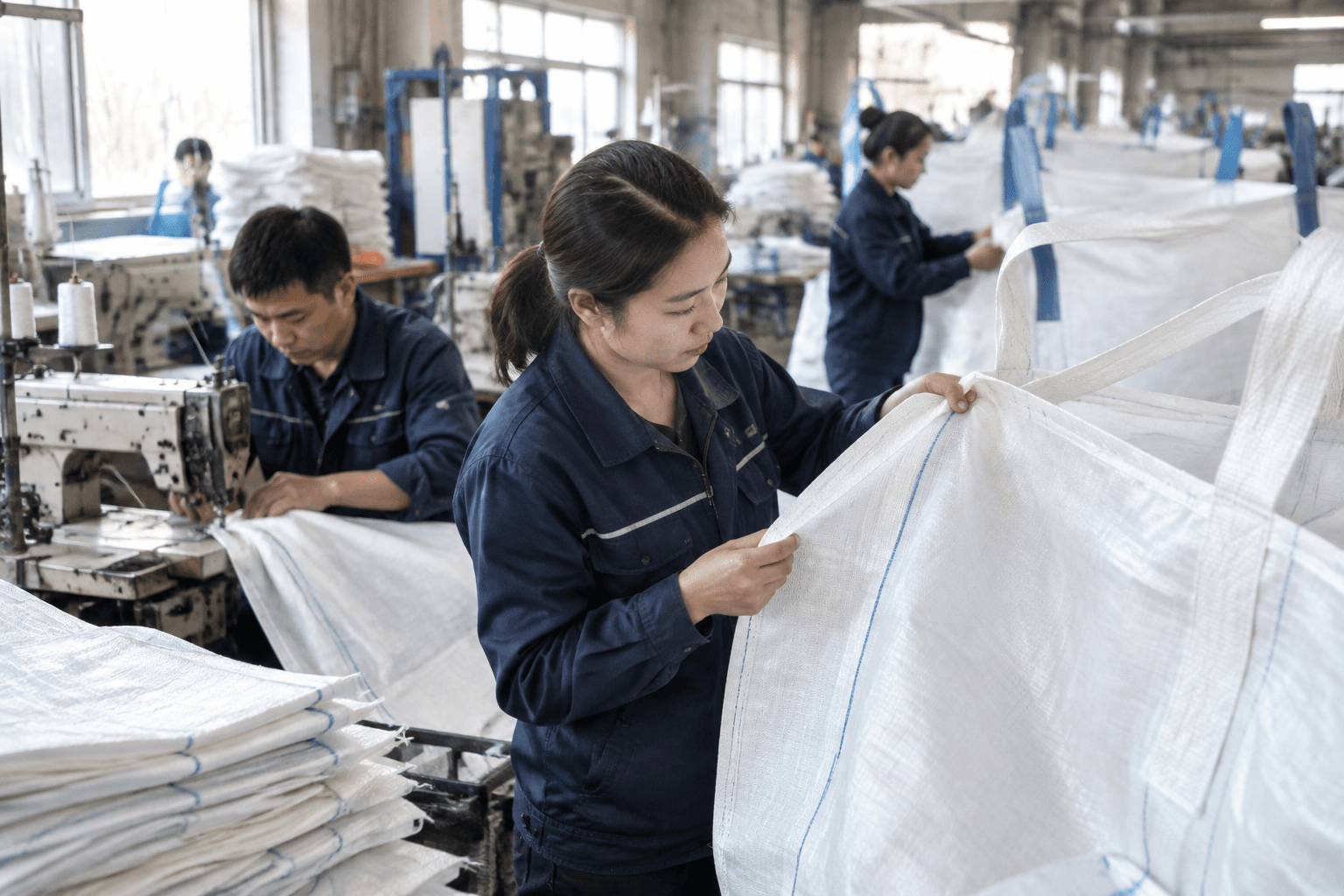
The 140th Canton Fair: New Trends in the Export Market for FIBC Bulk Bags, Jumbo Bags, and PP Woven Packaging
Explore how export buyers can evaluate FIBC bulk bags and PP woven packaging beyond unit price. Get practical guidance on specifications, supplier verification, sustainability requirements, and RFQs—and prepare your next sourcing conversation with COSEK.
Want to know more?
Get in touch with us for more information about our services and products.