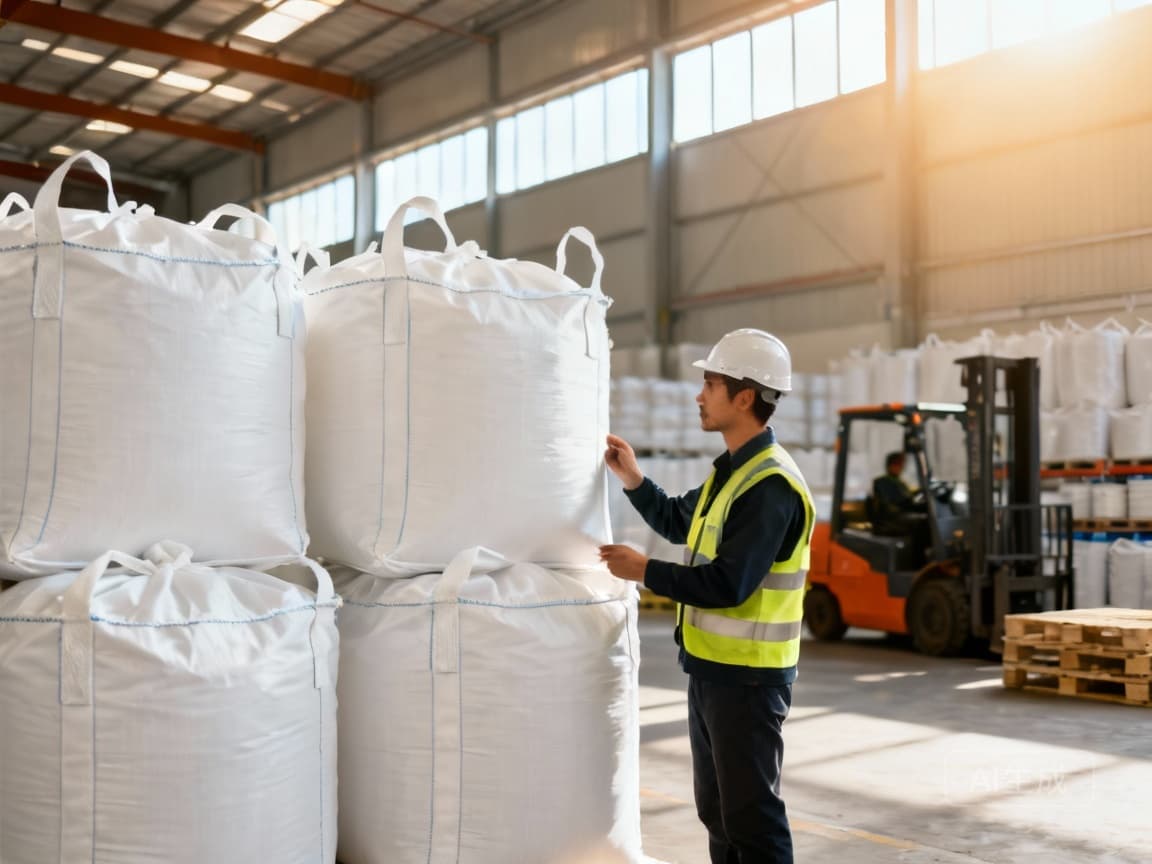
FIBCs: Drive 7.7% Market Growth & Transform Your Supply Chain Value
RUNCHEN
AuthorWith more than 25 years of experience in FIBC bulk bag manufacturing and sales, RUNCHEN operates its own production facility with stable batch capacity. We specialize in FIBC bulk bags, jumbo bags, ton bags, and customized industrial packaging solutions.
From Cost Center to Growth Engine: How FIBCs Are Powering the Sustainable Supply Chain
The global packaging landscape is undergoing a fundamental transformation. Driven by consumer demand, stringent regulations like Extended Producer Responsibility (EPR), and the relentless growth of e-commerce, the shift toward sustainable solutions is no longer a niche trend but a core business imperative. For industries relying on Flexible Intermediate Bulk Containers (FIBCs), this presents a monumental opportunity to redefine value. The data is clear: the global mono-material packaging market is projected to grow from $3.94 billion in 2024 to $5.63 billion by 2029, at a robust CAGR of 7.3%. This isn't just a market shift; it's a mandate to evolve. Forward-thinking FIBC manufacturers must pivot from selling mere "logistical containers" to becoming strategic partners who enable sustainable supply chains and circular economies.
Decoding the Strategic Shift: Three Pillars for Value Creation
To capitalize on this growth, manufacturers must lead with a narrative that resonates with executives focused on supply chain strategy, ESG compliance, and brand value. This requires moving beyond traditional cost-saving and asset protection messaging. Here’s a strategic framework, grounded in real market data and cross-industry best practices, to guide this transformation.
Pillar 1: Data-Driven Sustainability as a Business Strategy
Sustainability must be quantified to be valued. The 7.3% CAGR for mono-material packaging is a direct signal of market demand. Your role is to help clients translate their FIBC use into tangible ESG metrics. This mirrors the approach of firms like the ROI Institute, which employs hybrid data analysis methods to evaluate complex global projects. For FIBCs, this means developing frameworks to help clients measure the impact of switching to recyclable designs—calculating reductions in carbon footprint, improvements in end-of-life recovery rates, and compliance with regional EPR schemes. As seen in the success of companies like momo (富邦媒), which integrated ESG into its core "Sustainable Living Blueprint," aligning packaging with corporate sustainability goals can be a powerful driver for growth and supplier engagement.
The projected growth to a $5.63 billion market by 2029 is driven by EPR, e-commerce, and advanced recycling investments. This makes sustainable packaging a clear commercial growth lane, not just an environmental one.
Pillar 2: Future-Proofing Through Material & Design Innovation
The market insights highlight key growth vectors: high-barrier mono-material films and expanded use of recyclable flexible packaging. The challenge—and opportunity—lies in solving the traditional performance-sustainability trade-off. Innovation must focus on creating FIBCs that offer the necessary strength and barrier properties while remaining truly recyclable in practice. This demands a commitment to R&D and a long-term vision. Consider the philosophy of 康师傅控股有限公司, which emphasizes long-termism and proactive investment in core areas like quality and safety. Similarly, investing in advanced material science for FIBCs is not an expense but an investment in a competitive moat, ensuring your products meet the evolving technical and regulatory demands of the next decade.
Pillar 3: Engineering Value in a Closed-Loop System
True value is created when the FIBC is viewed as part of an integrated system, from filling and discharging to collection and recycling. The future outlook emphasizes increased investment in advanced recycling technologies and waste collection programs. Manufacturers can lead by designing FIBCs for this circularity—ensuring they are compatible with existing recycling streams and working with partners to close the loop. This systems-thinking approach elevates the conversation from unit price to total lifecycle value, optimizing the entire workflow for efficiency and recovery. It involves consulting on equipment compatibility (like bulk bag fillers and unloaders) and establishing take-back programs, thereby locking in long-term customer partnerships and securing a consistent stream of recyclable materials.
A Practical Roadmap for FIBC Manufacturers
Transitioning to this value-centric model requires a structured approach. Here is a concise action plan based on the principles demonstrated in the provided success cases:
- Assess & Benchmark: Conduct a lifecycle analysis of your current product portfolio. How do your FIBCs perform against emerging EPR and recyclability standards in your key markets? Use data to establish a baseline, much like the analytical rigor applied by the ROI Institute.
- Innovate with Purpose: Prioritize R&D projects that target mono-material, high-performance solutions. Pilot new designs with strategic clients who are under pressure to meet sustainability targets. Champion this innovation internally as a critical growth pillar, fostering a culture of quality and long-term thinking as seen at 康师傅.
- Optimize the Ecosystem: Develop comprehensive solution guides that address not just the bag, but its integration into filling, handling, and recycling systems. Forge partnerships with recycling facilities. Empower your sales team to consult on total cost of ownership and system-wide ESG impact, transforming them from order-takers to strategic advisors.
Leadership is crucial, as demonstrated by HALEON's Taiwan team during its period of transformation. Clear strategic communication, deep team engagement, and a commitment to inclusive, value-driven culture were key to navigating change and achieving growth.
The sustained growth of the mono-material packaging market is a powerful indicator. For the FIBC industry, the path forward is to embrace the role of a strategic enabler. By leveraging data-driven insights, committing to material innovation, and designing for circular systems, manufacturers can transform their value proposition. The goal is no longer just to protect a product in transit, but to protect and enhance a client’s brand value, operational resilience, and license to operate in an increasingly sustainability-focused world. The companies that make this shift will not just participate in the 7.7% market growth—they will help drive it.
Related News
Other news you might be interested in
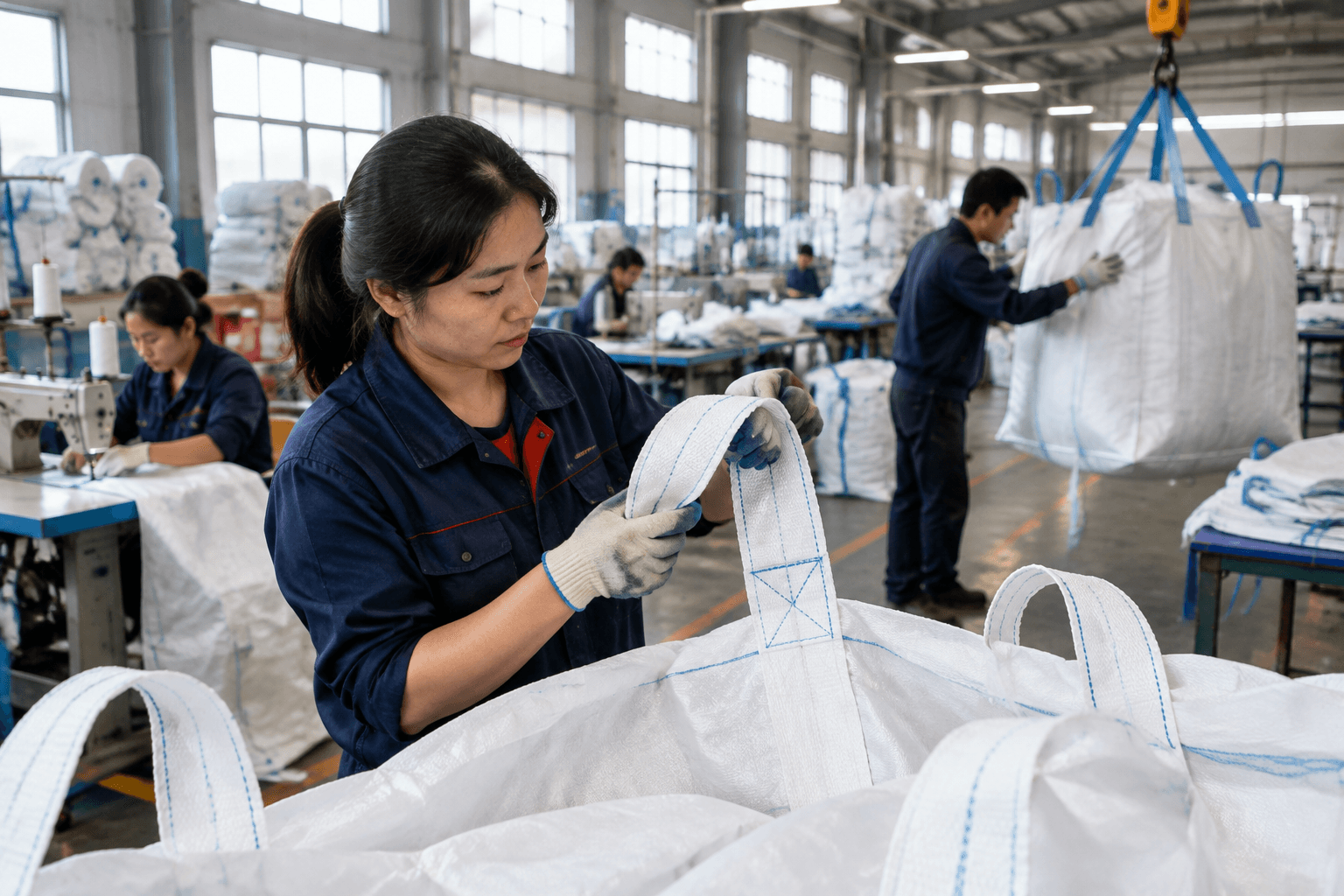
Choosing the Right Bulk Bag Manufacturer for Safer, More Efficient Operations
Learn how to specify bulk bags, evaluate manufacturers, and validate quality and supply reliability to reduce operational risk and support safer, more efficient handling.
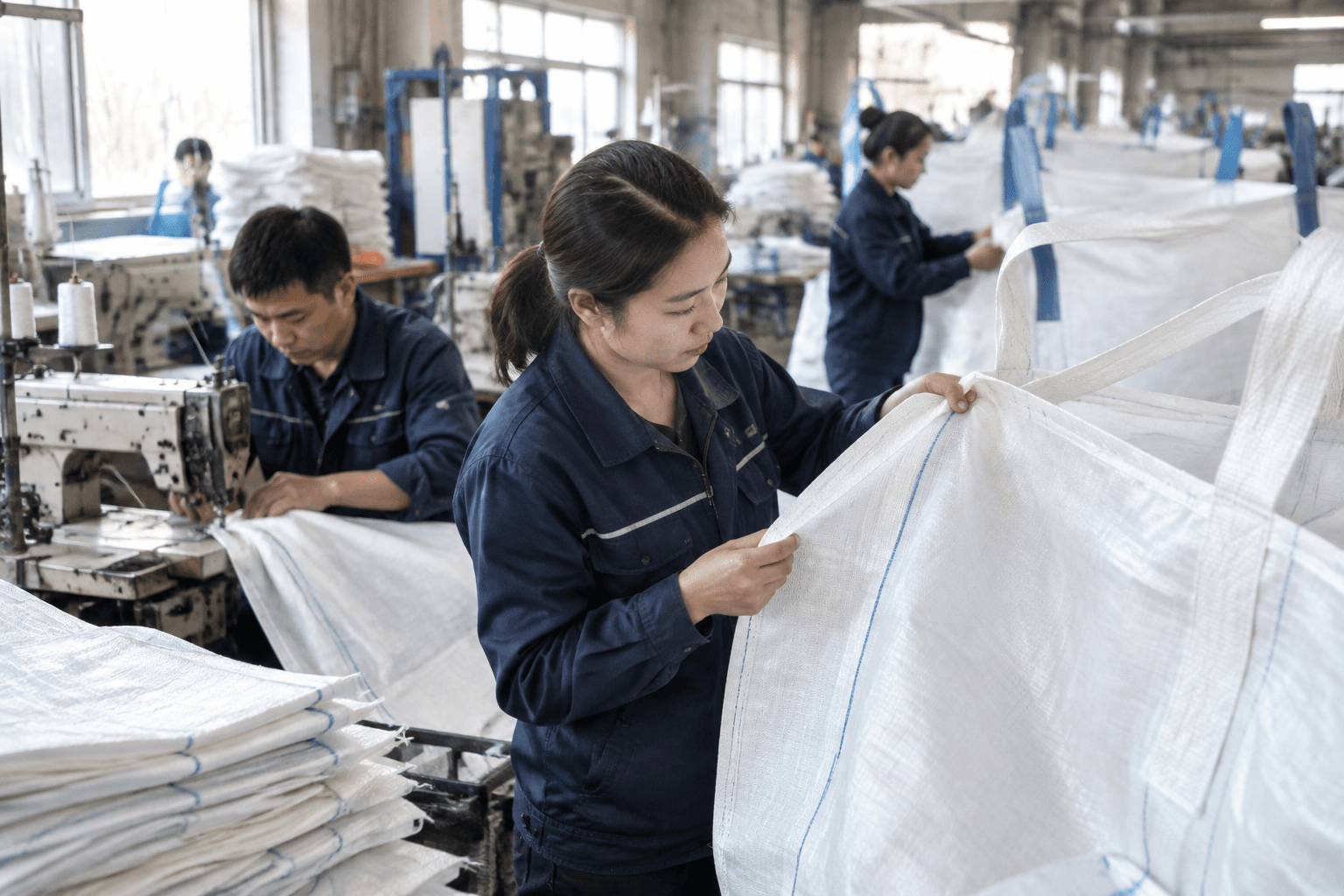
The 140th Canton Fair: New Trends in the Export Market for FIBC Bulk Bags, Jumbo Bags, and PP Woven Packaging
Explore how export buyers can evaluate FIBC bulk bags and PP woven packaging beyond unit price. Get practical guidance on specifications, supplier verification, sustainability requirements, and RFQs—and prepare your next sourcing conversation with COSEK.
Want to know more?
Get in touch with us for more information about our services and products.