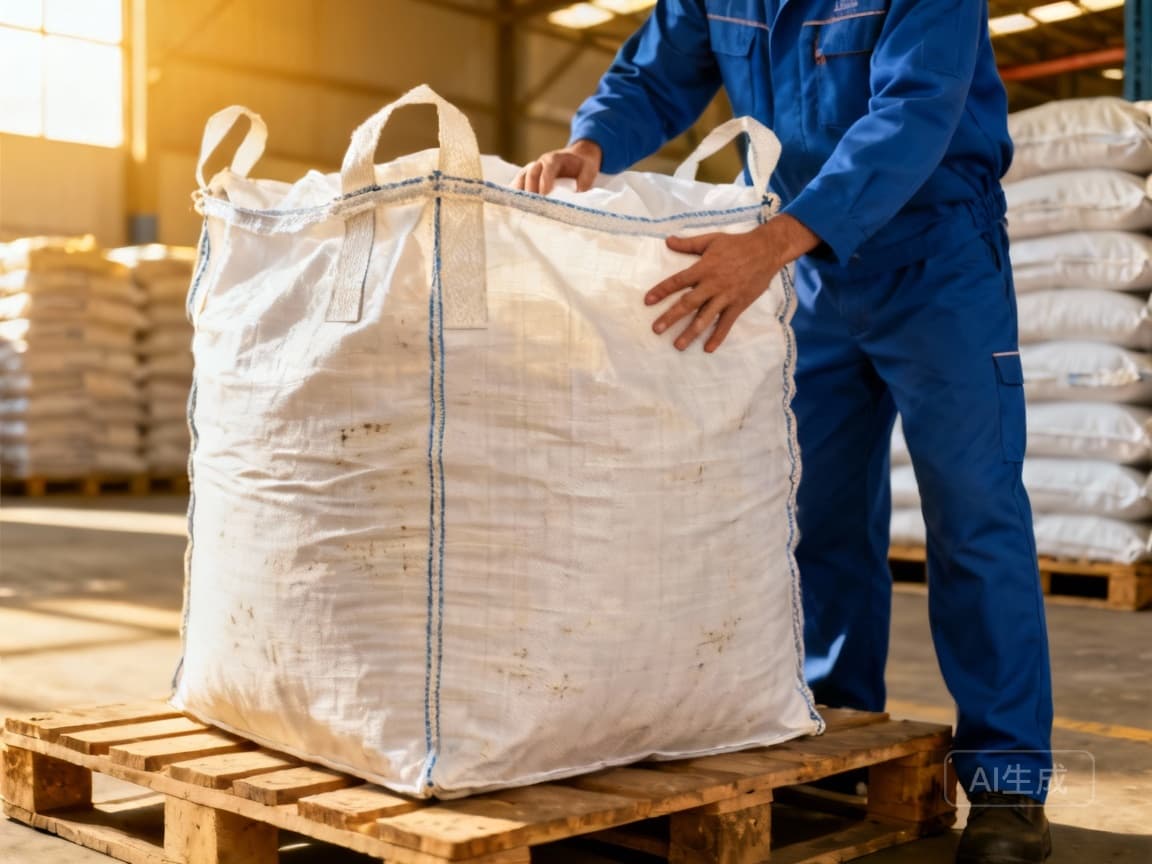
FIBCs: Transform Packaging into a Circular Value Chain & Cut Waste 30%
RUNCHEN
AuthorWith more than 25 years of experience in FIBC bulk bag manufacturing and sales, RUNCHEN operates its own production facility with stable batch capacity. We specialize in FIBC bulk bags, jumbo bags, ton bags, and customized industrial packaging solutions.
From Linear Liability to Circular Asset: The Strategic Evolution of FIBCs
For decades, the Flexible Intermediate Bulk Container (FIBC or bulk bag) has been valued for its utility and cost-efficiency in moving tonnes of material. The conversation has centered on price-per-unit, strength, and basic compliance. Yet, a paradigm shift is underway. Driven by stringent ESG goals, supply chain resilience demands, and the circular economy imperative, leading businesses are no longer asking "how much does the bag cost?" but "what value does the bag create?" Forward-thinking FIBC providers are uniquely positioned to answer this by transforming packaging from a linear supply chain cost into the core of a circular value chain, demonstrably cutting waste by 30% or more.
This evolution is supported by clear market signals. The global flexible packaging format, which includes FIBCs, holds a 54.32% market share and is growing at a 4.28% CAGR, largely due to its material efficiency and lower logistics costs. Furthermore, with food applications commanding the largest segment (28.54%), the demand for safe, traceable, and sustainable bulk handling solutions has never been higher. The future belongs not to the cheapest container, but to the most strategic enabler of circularity.
Redefining Value: Three Models for Circular FIBC Systems
Moving beyond one-way trips to landfill requires systemic thinking. By redesigning the product, its business model, and its supporting ecosystem, FIBCs can unlock three powerful value-creation models.
Model 1: The Closed-Loop Recovery System
Ideal for industries like chemicals, minerals, and food ingredients, this model turns used FIBCs into feedstock for new ones. The strategy hinges on designing bags for recyclability—using pure, single-material polypropylene (PP) construction and minimizing contaminants like complex printing inks. Partnering with dedicated recycling specialists ensures used bags are collected, granulated, and reprocessed into high-quality recycled content for new FIBC production.
This creates a verifiable "closed-loop" for ESG reporting, directly addressing Scope 3 emissions and supply chain audits. The high purity required for food-grade FIBCs, which dominate the market, makes this high-value recycling not just possible, but commercially viable.
Model 2: The Servitization & Pooling System
Inspired by innovators like momo, which introduced reusable packaging for e-commerce, this model applies a "Packaging-as-a-Service" logic to industrial bulk. Here, the FIBC provider owns and manages a pooled asset of intelligent bags, often equipped with RFID or QR bag tags. Customers lease the bags for a fee, using them for regional distribution or in-plant loops. The provider handles tracking, retrieval, cleaning, and maintenance.
This transforms customer CAPEX into OPEX, improves asset utilization, and eliminates waste from damaged or discarded bags. As seen in momo's case, where bags were reused up to 25 times, the waste reduction and ROI are substantial. For providers, it creates a recurring revenue stream and deep, strategic client partnerships.
Model 3: The Value Chain Decarbonization System
This model empowers brands to build a coherent sustainability story. Following the principle demonstrated by Nissin Foods—which changed production methods to cut VOC emissions by hundreds of tonnes—it focuses on upstream carbon reduction. Providers offer FIBCs made from bio-based plastics (e.g., from sugarcane) or post-consumer recycled (PCR) content.
The key is quantifying the impact. By calculating and certifying the reduced carbon footprint compared to a virgin bag, you provide your client—a food or premium manufacturer—with hard data to reduce their Scope 3 emissions. This tangible proof supports their brand's green narrative and compliance goals, making your FIBC a direct contributor to their market competitiveness.
Building Your Circular Solution: A Four-Step Action Plan
Transitioning from supplier to circular solutions partner requires intentional steps. Here is a practical guide for FIBC manufacturers.
- Redesign for Circularity: Engineer bags for durability and end-of-life. Prioritize single-material design, easy-to-clean surfaces, and detachable components. Durability is the first step to reusability and recyclability.
- Integrate with Handling Technology: Collaborate with manufacturers of bulk bag unloaders and bulk bag filling equipment. Ensure your circular-designed bags are fully compatible with automated systems to prevent damage and encourage adoption.
- Forge Ecosystem Partnerships: You cannot close the loop alone. Proactively build networks with logistics firms, recycling specialists, and even digital tracing providers to create a credible, efficient circular ecosystem for your assets.
- Communicate New Value: Retrain your commercial teams. Shift the sales conversation from price-per-bag to Total Cost of Ownership (TCO), waste reduction metrics, carbon savings, and risk mitigation. Become a consultant on circular strategy.
The Future: FIBCs as Intelligent Data Nodes
The journey continues. The next frontier integrates IoT sensors into FIBCs to monitor location, temperature, humidity, and shock in real-time. This transforms the bag from a passive container into an intelligent logistics node, feeding data into a supply chain digital twin. This intelligence further optimizes circular flows, predicts maintenance for reusable assets, and provides unparalleled supply chain visibility.
The data is clear, the models are proven, and the market is demanding. By embracing the role of a circular value chain architect, the FIBC industry can move beyond the commodity trap. The goal is no longer just to sell a bag, but to weave a more efficient, resilient, and sustainable future for global logistics—one bulk bag at a time.
Related News
Other news you might be interested in
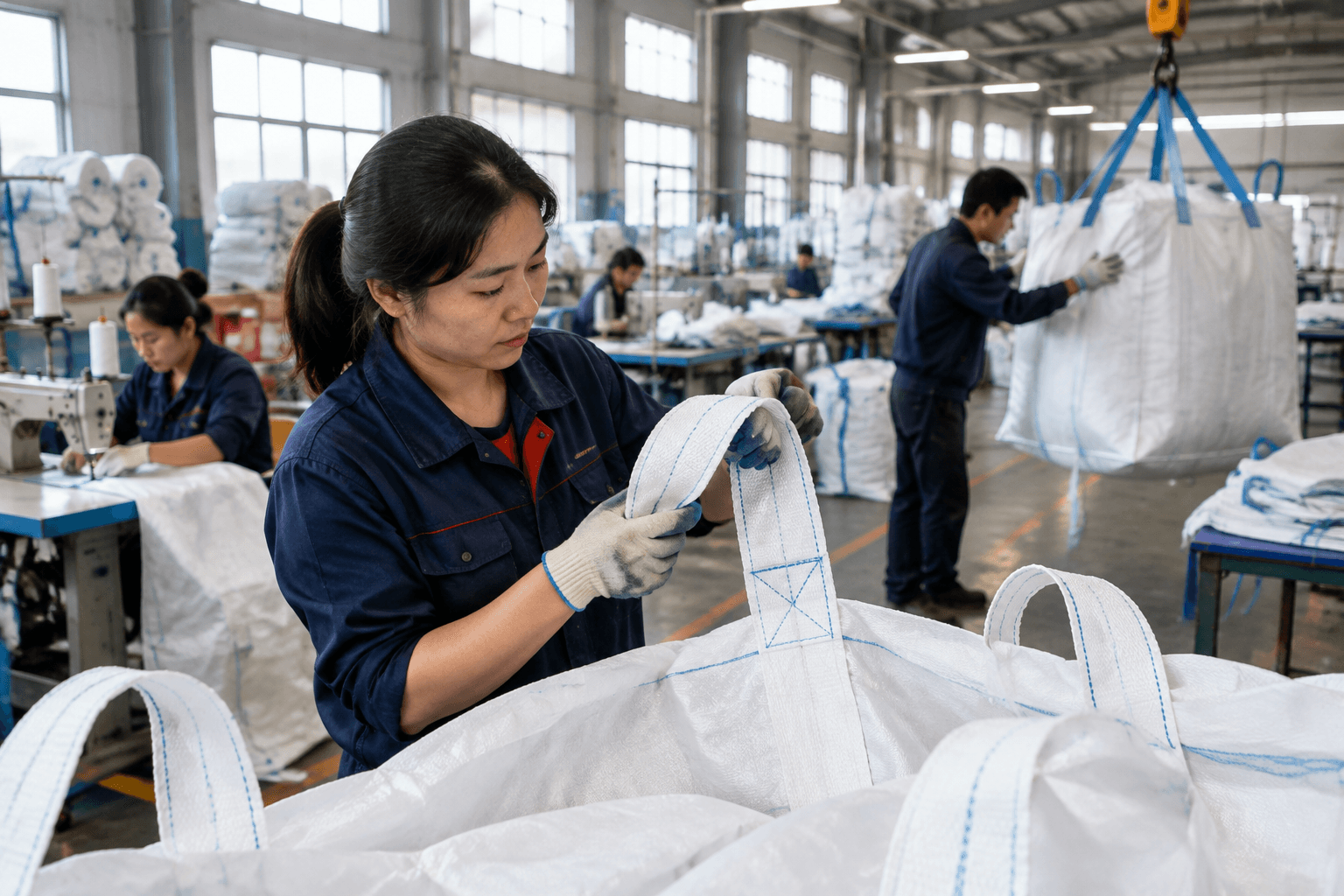
Choosing the Right Bulk Bag Manufacturer for Safer, More Efficient Operations
Learn how to specify bulk bags, evaluate manufacturers, and validate quality and supply reliability to reduce operational risk and support safer, more efficient handling.
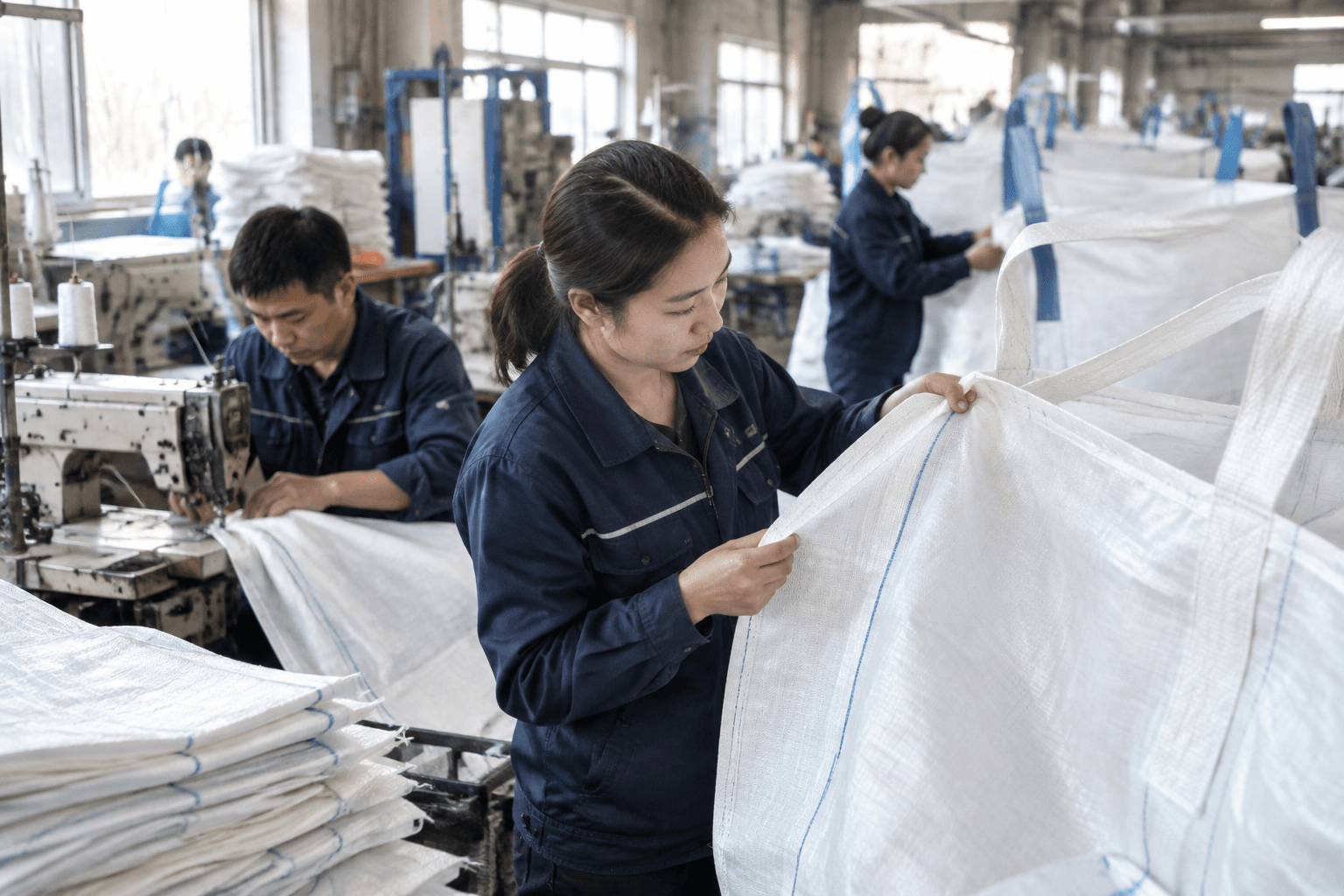
The 140th Canton Fair: New Trends in the Export Market for FIBC Bulk Bags, Jumbo Bags, and PP Woven Packaging
Explore how export buyers can evaluate FIBC bulk bags and PP woven packaging beyond unit price. Get practical guidance on specifications, supplier verification, sustainability requirements, and RFQs—and prepare your next sourcing conversation with COSEK.
Want to know more?
Get in touch with us for more information about our services and products.