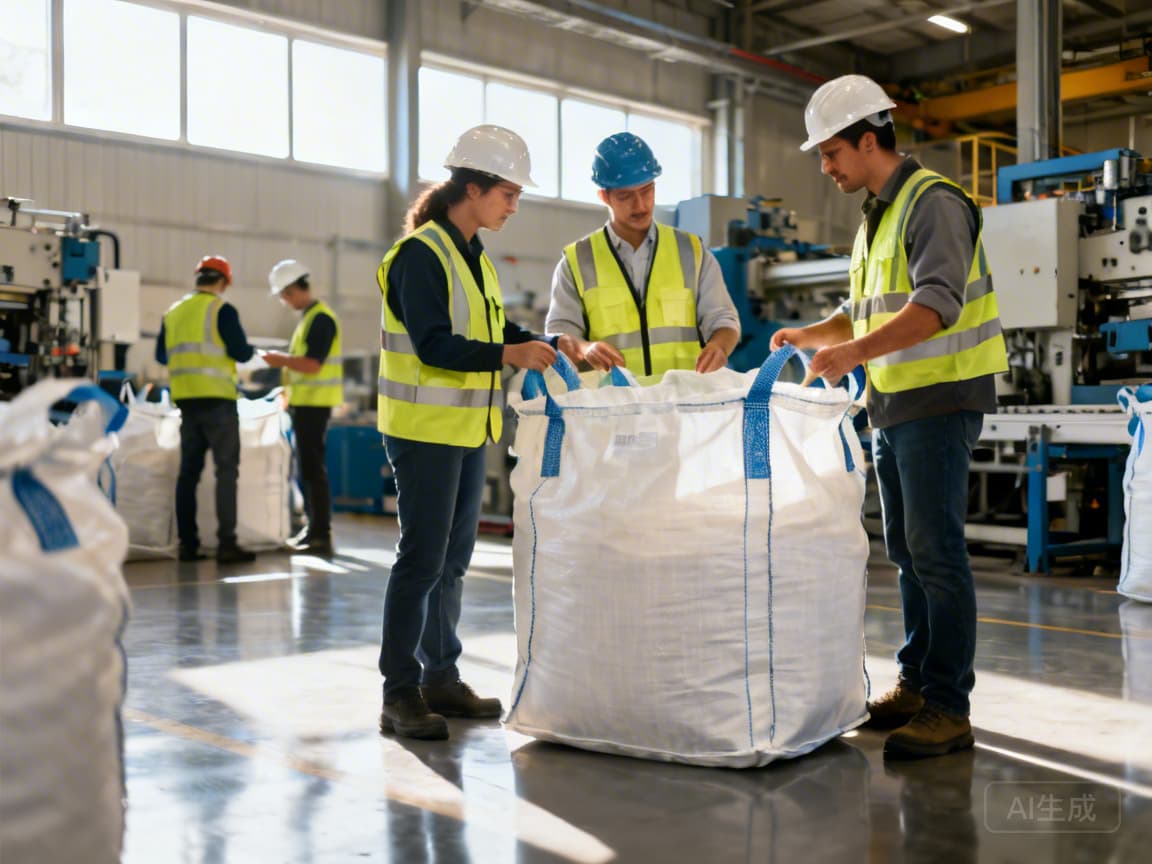
From Cost Center to Growth Engine: How FIBCs Drive 5%+ Market Expansion
RUNCHEN
AuthorWith more than 25 years of experience in FIBC bulk bag manufacturing and sales, RUNCHEN operates its own production facility with stable batch capacity. We specialize in FIBC bulk bags, jumbo bags, ton bags, and customized industrial packaging solutions.
From Cost Center to Growth Engine: How FIBCs Drive 5%+ Market Expansion
For decades, the Flexible Intermediate Bulk Container (FIBC or bulk bag) has been viewed through a narrow lens: a necessary cost of doing business. Procurement teams negotiate price-per-unit, operations managers track damage rates, and compliance officers check safety certifications. This transactional view relegates the humble ton bag to the status of a cost center—a line item to be minimized. Yet, in an era defined by market volatility, sustainability mandates, and the relentless pursuit of efficiency, this perspective is not just limiting; it's a strategic blind spot. Forward-thinking manufacturers are now leveraging FIBCs as a powerful engine for market expansion, supply chain resilience, and sustainable growth. The shift mirrors a broader packaging trend, where the market is moving decisively toward high-end, diversified, and green solutions.
Reframing the FIBC: From Commodity to Strategic Enabler
The journey begins with a fundamental mindset shift. Instead of asking "how can we save on each bag?", strategic leaders ask, "how can this packaging solution unlock new revenue, mitigate risk, or enhance our brand?" This is not theoretical. Consider the parallel from the packaging machinery sector: the success of companies like Tech-Long, which expanded beyond its core beverage market to capture growth in new industrial segments. Their experience proves that proactive strategic adjustment and operational innovation are key to unlocking new value streams. For FIBC users, the opportunity is similar. The very keywords searched by industry professionals—bulk bag unloader, bulk bag filling equipment, bulk bag recycling—reveal a demand not for isolated products, but for integrated solutions that solve broader business challenges.
“The packaging market's future lies in high-end, diversified, and green, sustainable cycles. Success belongs to those who adapt their strategy accordingly.” – Analysis of 2025 Packaging Market Trends.
Three Pillars of Strategic FIBC Deployment
Transforming your FIBC program from a cost center into a growth engine rests on three interconnected strategic pillars.
Pillar 1: Unlocking New Markets & Applications
FIBCs are the silent enabler of scaling innovative products. The niche query for "dippin dots bulk bag" is a perfect microcosm. It represents a high-value, temperature-sensitive product whose national distribution relies on specialized, hygienic bulk packaging. This logic scales to high-growth sectors like renewable energy and electric vehicle battery production. Storing and transporting volatile or sensitive materials like lithium battery precursors requires FIBCs with specific static-control or moisture-barrier properties. By partnering with a manufacturer that understands these technical nuances, companies can safely and efficiently scale production, directly enabling market capture. The FIBC becomes a critical component of the go-to-market strategy, not just a shipping container.
Pillar 2: Building Supply Chain Resilience
In a climate of "overcapacity and fluctuating raw material costs," as noted in market insights, the lowest purchase price is often a mirage. A strategic view treats FIBCs as reusable logistics assets. Calculating the Total Cost of Ownership (TCO) reveals the true economics: high-quality, reusable FIBCs, managed through a tracked lifecycle, often prove far more economical than cheap, single-use alternatives when you factor in reduced product loss, minimized line downtime, and lower waste disposal fees. This approach transforms procurement from a tactical cost-cutting exercise into a strategic risk management function, insulating your operations from material price volatility and supply disruptions.
Pillar 3: Operationalizing Sustainability
With green packaging demand soaring, sustainability is a compliance requirement and a potent brand advantage. The strategic move is to evolve from simply using recyclable materials to designing a closed-loop FIBC ecosystem. Inspired by the "localized operation" model seen in international success stories, leading companies are implementing take-back programs where used FIBCs are collected, inspected, cleaned, and re-issued. Technologies like RFID or QR code bag tags enable precise tracking of each asset's lifecycle, facilitating this circular model. This turns a sustainability promise into a tangible, operational process that reduces waste, cuts long-term material costs, and provides compelling data for ESG reporting.
The Path to Implementation: Your Strategic Action Plan
Shifting perspective is the first step; operationalizing it is the next. Begin with an internal audit of your current FIBC use:
- Conduct a TCO Analysis: Move beyond unit price. Model costs across damage, disposal, handling, and downtime for your current solution versus a high-quality, reusable asset program.
- Map Your FIBC Flow: Document the entire journey of your bags from receipt to disposal. Identify bottlenecks, loss points, and opportunities for consolidation or recovery.
- Engage a Solutions Partner: Seek a FIBC manufacturer that acts as a consultant, not just a vendor. They should offer insights into new material technologies, automation compatibility (like integration with filling and unloading equipment), and circular economy models.
- Pilot a Closed-Loop Program: Start with a single facility or product line. Implement tracked, reusable FIBCs with a defined take-back process. Measure the impact on cost, waste, and operational efficiency.
The data is clear: markets rewarding innovation, resilience, and sustainability are growing. By reimagining your FIBCs as a strategic growth engine, you align your operations with these powerful trends, turning a traditional cost center into a demonstrable source of competitive advantage and market expansion.
Related News
Other news you might be interested in
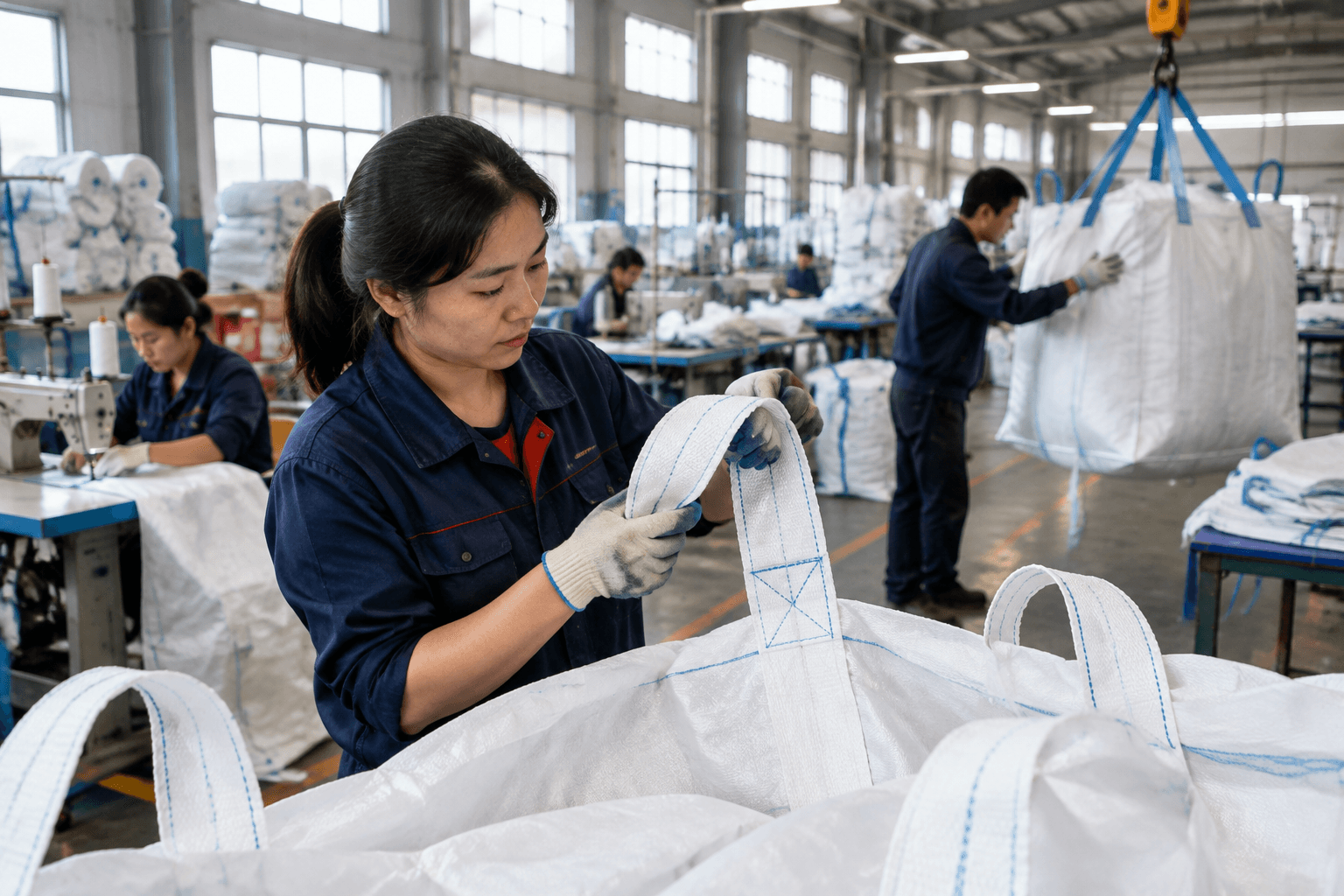
Choosing the Right Bulk Bag Manufacturer for Safer, More Efficient Operations
Learn how to specify bulk bags, evaluate manufacturers, and validate quality and supply reliability to reduce operational risk and support safer, more efficient handling.
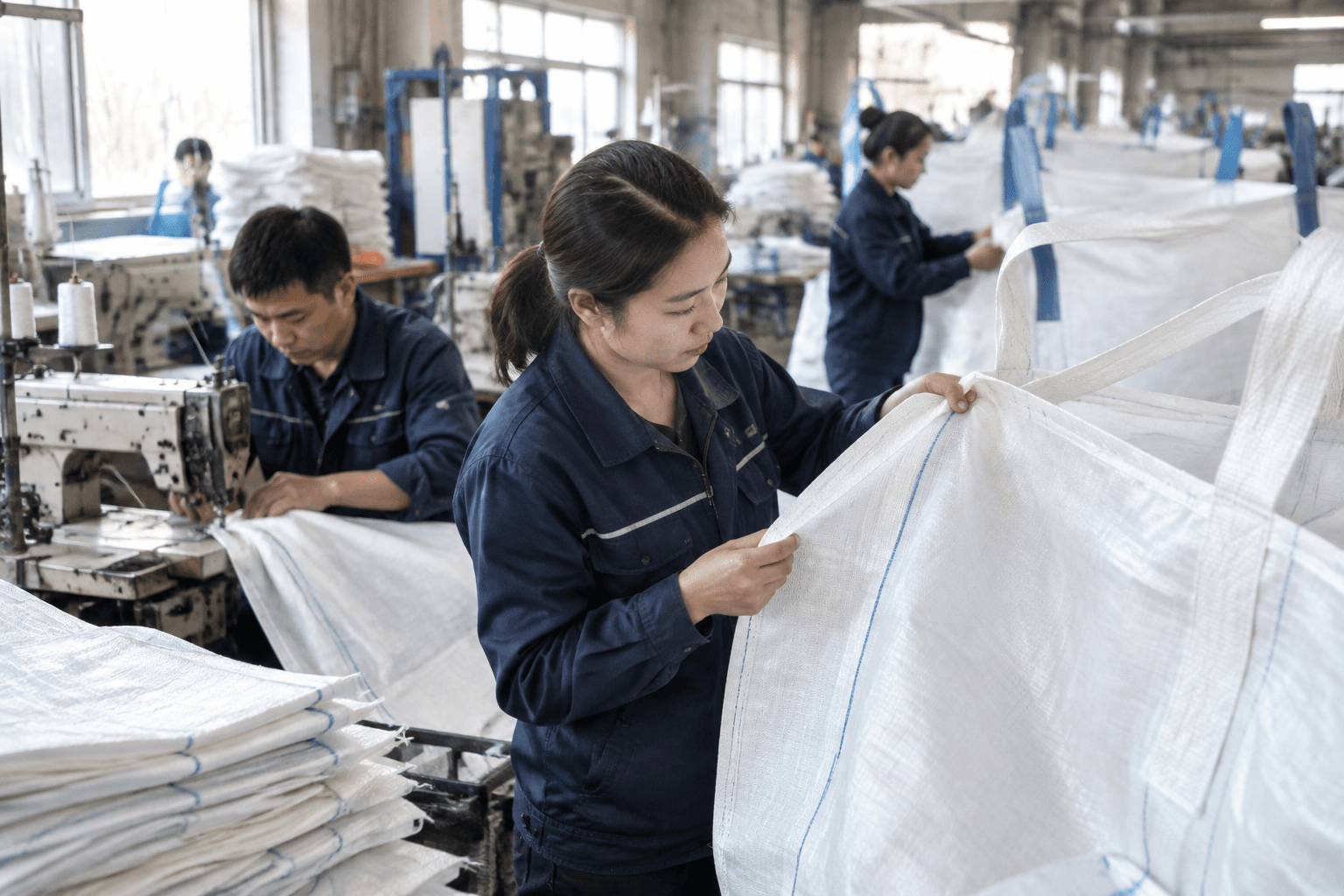
The 140th Canton Fair: New Trends in the Export Market for FIBC Bulk Bags, Jumbo Bags, and PP Woven Packaging
Explore how export buyers can evaluate FIBC bulk bags and PP woven packaging beyond unit price. Get practical guidance on specifications, supplier verification, sustainability requirements, and RFQs—and prepare your next sourcing conversation with COSEK.
Want to know more?
Get in touch with us for more information about our services and products.