
From Cost to Growth: How FIBC Innovation Drives 7.7% CAGR & ESG Value
RUNCHEN
AuthorWith more than 25 years of experience in FIBC bulk bag manufacturing and sales, RUNCHEN operates its own production facility with stable batch capacity. We specialize in FIBC bulk bags, jumbo bags, ton bags, and customized industrial packaging solutions.
From Cost Center to Strategic Enabler: Reframing FIBC for the ESG Era
For decades, the bulk bag (FIBC) has been viewed through a narrow, transactional lens: a durable container for moving dry flowable goods. Procurement conversations focus almost exclusively on unit cost, fill rates, and logistical efficiency. However, a profound shift is underway. Driven by stringent regulatory pressures and evolving consumer demand, the FIBC is transitioning from a passive logistics asset to an active strategic interface for sustainable supply chain transformation. This evolution presents a critical opportunity for FIBC users and manufacturers to create new value, moving beyond cost savings to drive growth.
The data underscores this shift. The global market for single-material packaging—a key enabler of circularity—is projected to grow from $39.4 billion in 2024 to $42.4 billion in 2025, a CAGR of 7.7%. This demand is not emerging in a vacuum. It is propelled by corporate ESG commitments from global brands and legislation like the EU's Green Deal. For businesses in chemicals, minerals, food ingredients, and pharmaceuticals, the packaging that carries their products is no longer just a container; it is a component of their own environmental footprint and a factor in their customers' purchasing decisions.
The Strategic Pivot: Two Models for FIBC Leadership
Leading organizations are already demonstrating how to capitalize on this trend by integrating FIBC innovation into their core strategy. Analysis of real-world cases reveals two powerful, complementary approaches.
1. Technology-Driven Localization & Responsiveness
This model focuses on deep technical expertise and agile market response. A prime example is Tech-Long, a packaging machinery leader. To address specific regional market needs and align with national development policies, Tech-Long made innovation a strategic priority, investing 3-5% of annual revenue into R&D and establishing a national-level research center. Their development of lightweight, integrated machinery and the strategic formation of a local subsidiary in Xinjiang allowed them to fill a regional industry gap and successfully serve major clients like Coca-Cola.
Key Insight: This case illustrates that FIBC innovation isn't solely about the bag itself. It encompasses the entire filling, handling, and recovery ecosystem. By investing in R&D and localizing solutions, companies can respond to specific regulatory and logistical challenges, turning regional constraints into market opportunities.
2. Full Value Chain Integration & Co-Innovation
This model moves beyond a supplier relationship to become a value-chain partner. Trust Group's success as a "hidden champion" for fast-moving consumer goods (FMCG) brands like C'estbon, Eastroc, and Haitian Soy Sauce exemplifies this. Their philosophy of "healthy packaging, delighting the world" and focus on full-industry-chain innovation demonstrates a critical shift. Their growth is tied to helping their clients—the brand owners—succeed in the market by meeting higher standards for quality, safety, and increasingly, sustainability.
Key Insight: The most successful FIBC providers are those that align their innovation roadmap with their clients' brand and sustainability narratives. They understand that their packaging becomes part of their client's product story, enabling the end brand to fulfill its public commitments to sustainable packaging and responsible sourcing.
An Actionable Framework: Turning Insight into Strategy
For FIBC users, the imperative is to evolve the conversation from procurement to strategy. Here is a concise, three-step framework to begin this transition.
- Conduct a Strategic Packaging Audit: Move beyond cost-per-unit. Evaluate your current FIBCs against emerging ESG criteria. What is the material composition? Is it designed for easy recycling or reuse? How does it align with your largest customers' published sustainability goals? This audit creates a baseline for strategic dialogue.
- Engage Suppliers as Innovation Partners: Shift the conversation with your FIBC manufacturer. Present the audit findings and discuss collaborative development. Inquire about their R&D focus on mono-material designs, recycled content, or take-back programs. As Tech-Long's case shows, the right partner invests in the R&D necessary to solve tomorrow's challenges today.
- Quantify and Communicate the Total Value: Develop a new value proposition. Calculate and articulate the total value of advanced FIBCs, factoring in not just shipping and loss prevention, but also risk mitigation (ESG compliance), potential for green premiums, and enhanced brand equity with your downstream customers. Frame the FIBC as a tool that helps your sales team secure business with sustainability-conscious brands.
The single-material packaging market's 7.7% CAGR is a clear signal: sustainability is not a niche preference but a mainstream market demand reshaping supply chains.
Conclusion: The Second Mission of the FIBC
The trajectory is clear. The future belongs to FIBCs that are engineered not just for strength and efficiency, but for circularity and strategic alignment. By learning from the models of technology-led responsiveness and value-chain integration, forward-thinking companies can transform their bulk packaging from a line-item cost into a demonstrable source of competitive advantage. The goal is no longer just to ship a product safely, but to ensure that the very package it arrives in tells a compelling story of innovation, responsibility, and shared value—a story worthy of inclusion in your customers' ESG reports.
Related News
Other news you might be interested in
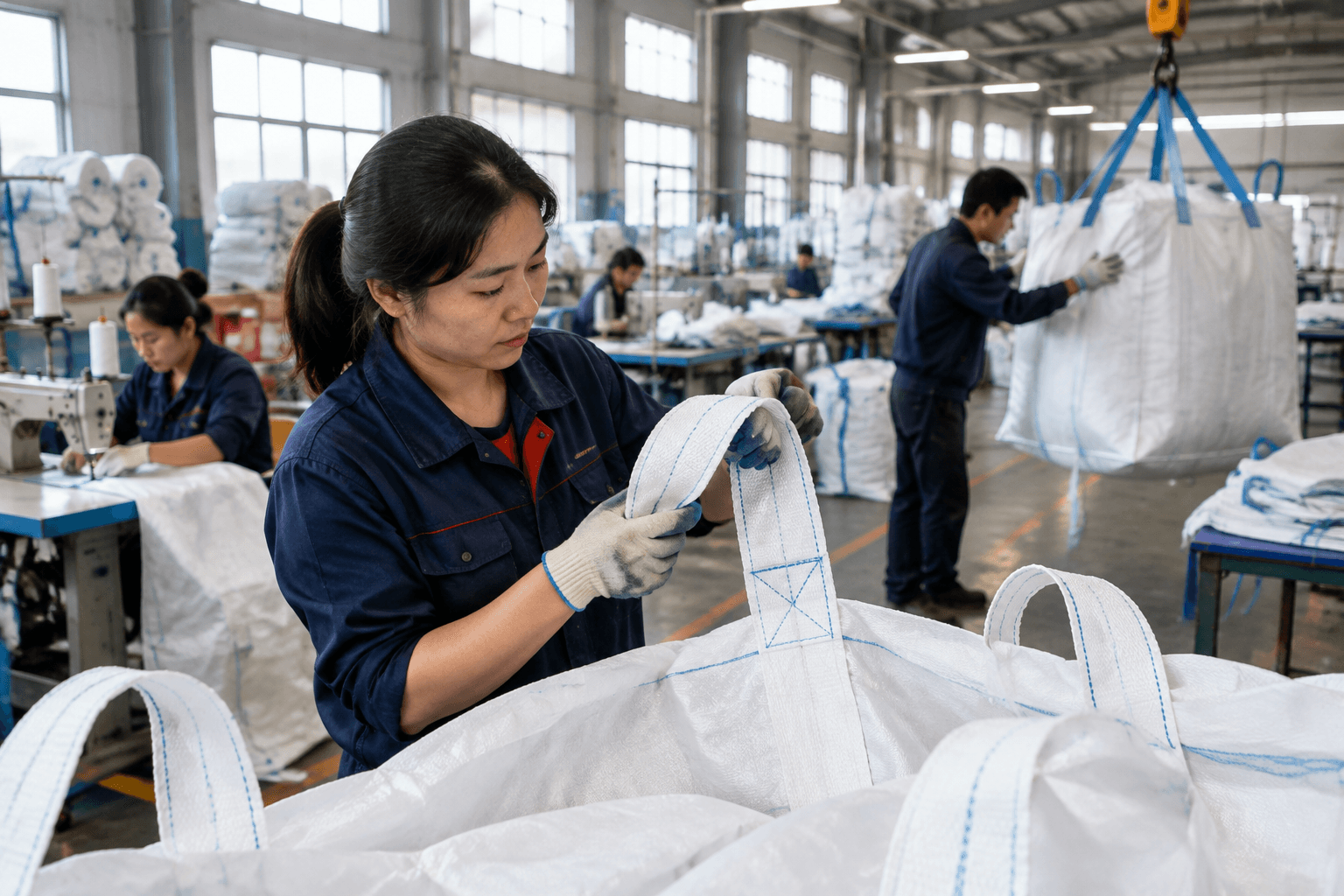
Choosing the Right Bulk Bag Manufacturer for Safer, More Efficient Operations
Learn how to specify bulk bags, evaluate manufacturers, and validate quality and supply reliability to reduce operational risk and support safer, more efficient handling.
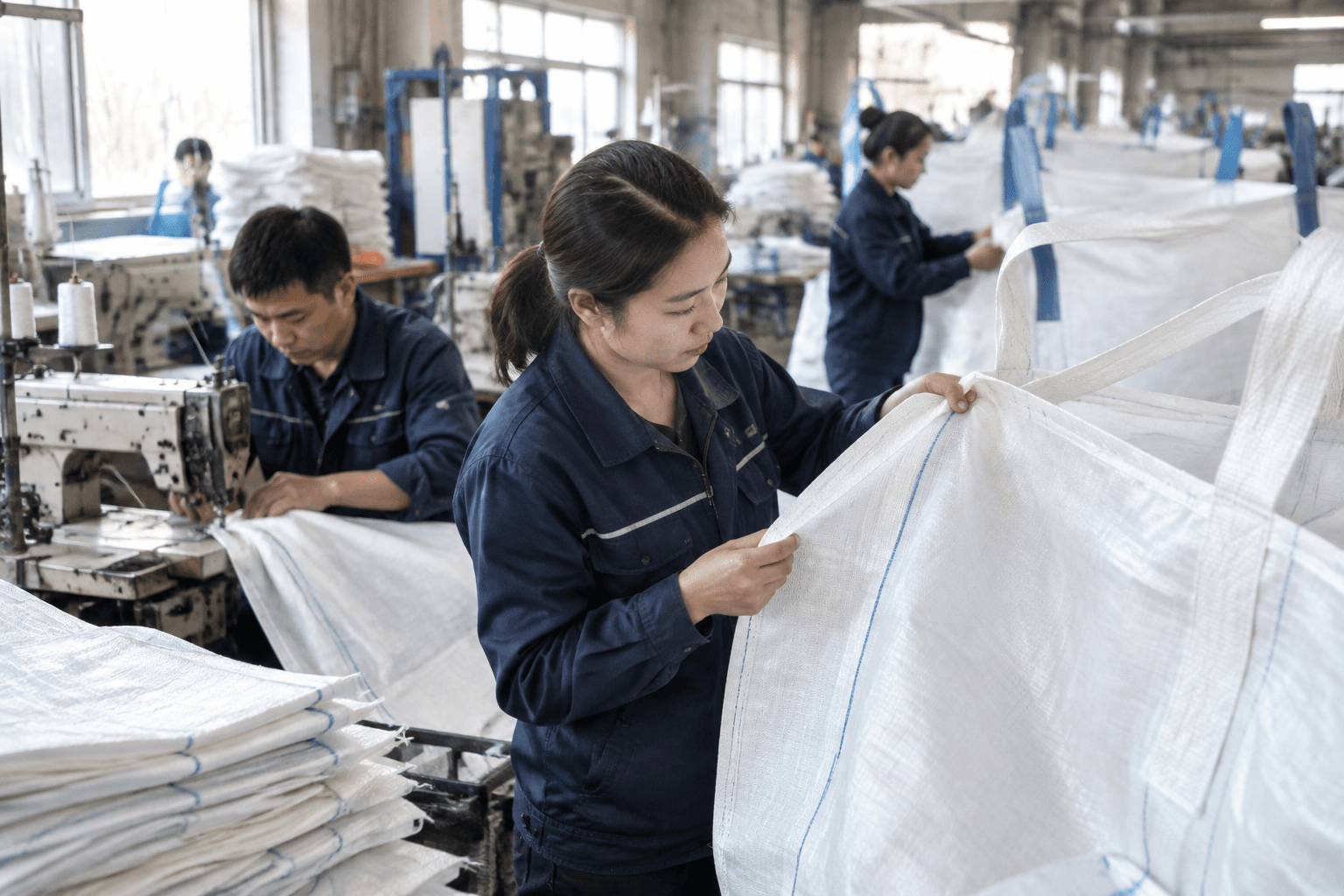
The 140th Canton Fair: New Trends in the Export Market for FIBC Bulk Bags, Jumbo Bags, and PP Woven Packaging
Explore how export buyers can evaluate FIBC bulk bags and PP woven packaging beyond unit price. Get practical guidance on specifications, supplier verification, sustainability requirements, and RFQs—and prepare your next sourcing conversation with COSEK.
Want to know more?
Get in touch with us for more information about our services and products.