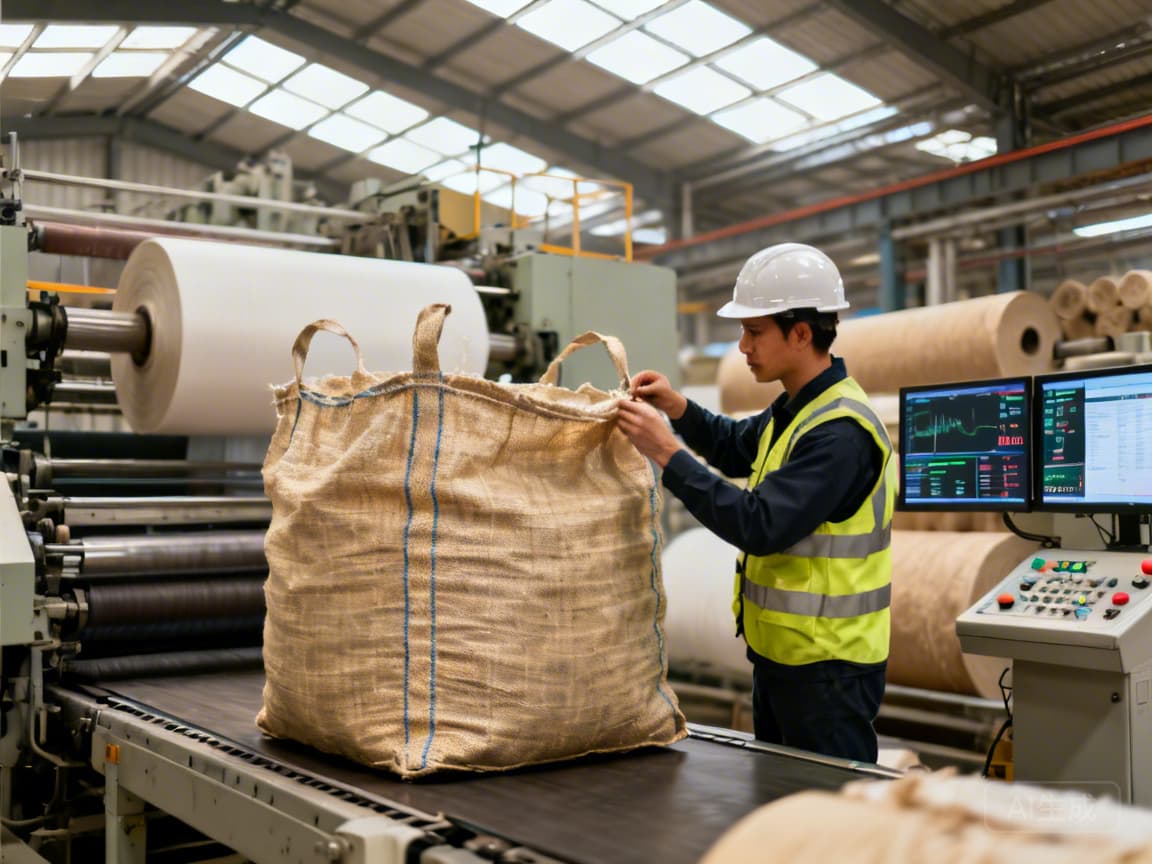
From production capacity competition to profit engine: data-driven increase in gross profit margin of ton bag manufacturing by 15%

RUNCHEN
AuthorWith more than 25 years of experience in FIBC bulk bag manufacturing and sales, RUNCHEN operates its own production facility with stable batch capacity. We specialize in FIBC bulk bags, jumbo bags, ton bags, and customized industrial packaging solutions.
From Capacity Race to Profit Engine: A Data-Driven Blueprint for FIBC Manufacturers
The bulk bag (FIBC) manufacturing landscape is at a crossroads. While the broader packaging market grows, with China's sector alone projected to surpass a trillion yuan, manufacturers face a brutal squeeze: rampant capacity expansion, volatile raw material costs, and intense price competition. The traditional strategy of competing on volume and cost is a race to the bottom. The path to sustainable growth lies not in selling more bags, but in making your operation smarter. Forward-thinking manufacturers are leveraging data to transform from participants in a capacity race to architects of a profit engine, with documented potential to boost gross margins by 15% or more.
Diagnosing the Profit Leak: Where Your Margin Erodes
To fix a problem, you must first measure it. For many FIBC plants, profit silently drains from three primary sources: underutilized capacity due to inefficient production scheduling, uncontrolled raw material costs that fluctuate wildly, and commoditized competition that forces pricing down. The market insight that "production capacity expansion and insufficient demand lead to intensified raw material price volatility" is not just a trend—it's a direct hit to your bottom line. The first step is to move from intuition to insight by tracking key operational metrics like Overall Equipment Effectiveness (OEE), capacity utilization, and raw material yield variance. Without this data, you are managing in the dark.
The Internal Engine: Data-Driven Operational Excellence
The solution mirrors strategies proven in global manufacturing. The success of a Global Manufacturing Leader in using technology to master complex processes and attribution provides a clear model. For FIBC makers, this translates to deploying integrated systems like Manufacturing Execution Systems (MES) and Advanced Planning & Scheduling (APS) software.
These are not mere IT projects; they are profit-generation tools. An APS can optimize production sequences to minimize changeover times and energy consumption, directly addressing cost pressures. An MES provides real-time visibility into machine performance and material usage. The result is a direct lift in operational efficiency.
Consider this: a 15% improvement in OEE through optimized scheduling doesn't just produce more—it significantly lowers the fixed cost per unit, creating a powerful lever to hedge against raw material price swings and protect your margin.
This approach transforms "technology upgrade" from a vague capital expense into a calculable ROI driver, centralizing control and turning factory floor data into actionable profit intelligence.
The External Engine: From Product Sales to Circular Solutions
With internal operations streamlined, the next frontier is business model innovation. Regulatory and brand pressures are making sustainable packaging a baseline requirement; the European cosmetics packaging market, for instance, is being reshaped by regulations like PPWR driving demand for circular solutions. Simply offering a "green" bag is no longer a differentiator. The winning strategy is to build a verifiable circular economy model that creates new revenue streams.
Imagine shifting from selling a bag to leasing a packaging service. For clients in chemicals, food, or pharmaceuticals, you provide FIBCs embedded with RFID tags, coupled with a take-back and refurbishment program. This "Product-as-a-Service" model delivers multiple wins:
- Client Lock-in: Long-term service contracts provide predictable, recurring revenue.
- Data Goldmine: Tracking each bag's lifecycle (trips, location, condition) informs predictive maintenance, R&D for more durable designs, and optimal logistics.
- Verified Sustainability: You guarantee material recovery, meeting stringent ESG goals and compliance needs, as seen in the booming PLA bioplastics market driven by environmental regulations.
This moves your value proposition from a transactional cost to a strategic partnership, building resilience and premium pricing power.
Predicting Demand: Proactively Targeting Profitable Niches
Escaping commoditization also requires looking outward with sharper focus. Instead of reacting to generic RFPs, use data to identify and define high-margin niche markets. The proven success of a Fortune 500 Technology Company in using AI-powered predictive analytics to reduce customer acquisition cost by 42% while increasing conversion offers a powerful parallel.
For manufacturers, the search data itself is a strategic asset. Analyzing specific, high-intent queries—like "dippin dots bulk bag," "bulk bag fertilizer," or "bulk makeup bag"—reveals underserved segments in snacks, agriculture, and cosmetics. These niches often demand specialized features: UV protection, specific liners, or unique discharge designs.
By developing targeted content and product guides for these segments, you attract higher-value business. This is predictive marketing for manufacturing: using data to anticipate demand for customized, high-value products before your competitors do, thereby increasing average order value and customer loyalty.
Your Roadmap to Transformation
The journey from a traditional manufacturer to a data-driven profit engine is sequential and strategic.
- Audit & Instrument: Begin by auditing your current profit drivers and leaks. Implement basic data collection on machine runtime, material usage, and order profitability.
- Optimize the Core: Invest in an APS or MES to tackle low-hanging fruit in production efficiency and scheduling, securing quick-wins to fund further innovation.
- Pilot a New Model: Select a key, forward-thinking client to co-develop a pilot for a bag leasing or closed-loop service, starting with a single product line.
- Scale & Refine: Use insights from the pilot to refine your service model and marketing, then target specific niches identified through your demand analysis.
The integration of Operational Technology (OT) and Information Technology (IT) is no longer optional for the modern FIBC business. By harnessing data to optimize internal operations and reinvent external value propositions, manufacturers can build a defensible, profitable, and sustainable future—turning market pressures into a powerful competitive advantage.
Related News
Other news you might be interested in
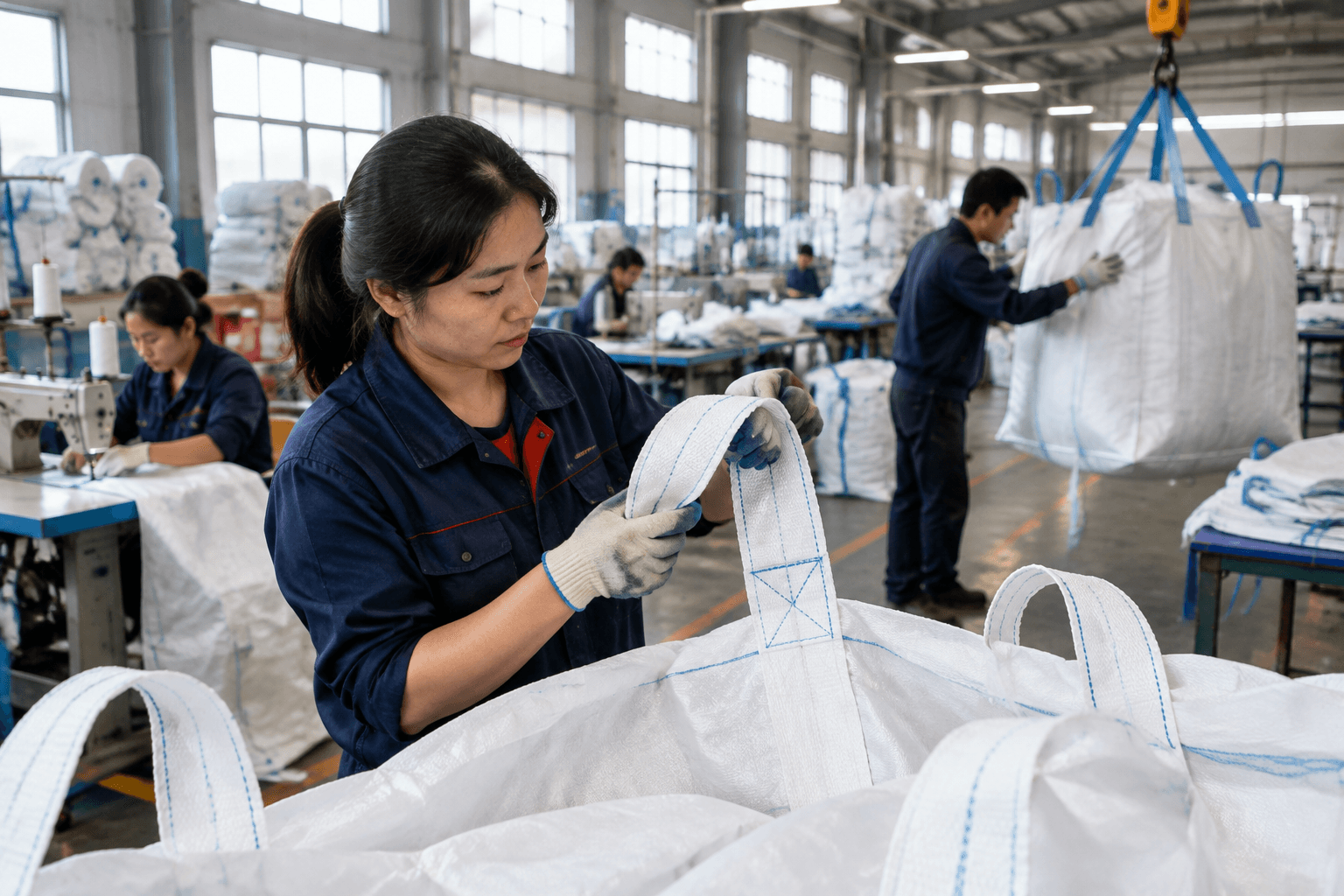
Choosing the Right Bulk Bag Manufacturer for Safer, More Efficient Operations
Learn how to specify bulk bags, evaluate manufacturers, and validate quality and supply reliability to reduce operational risk and support safer, more efficient handling.
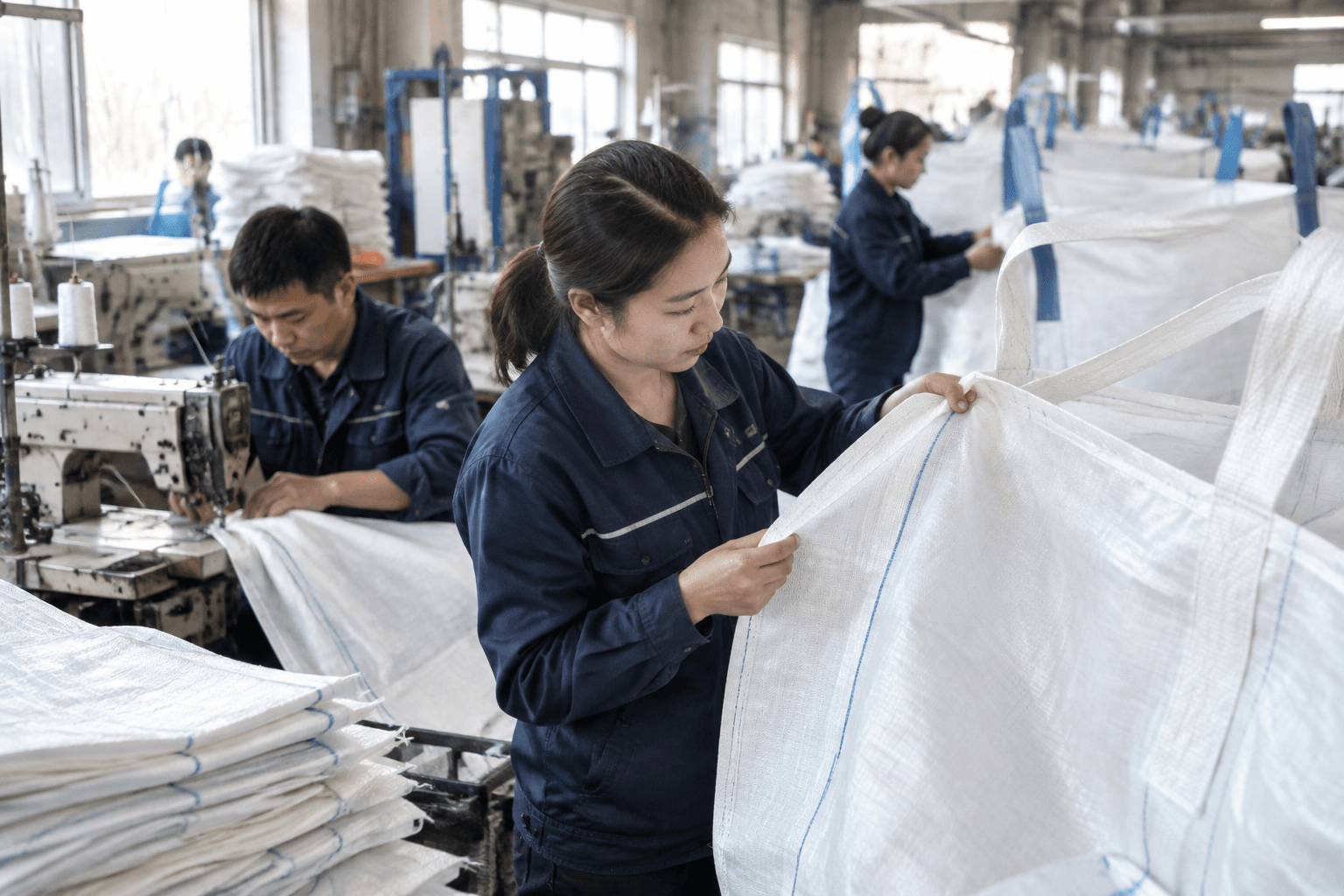
The 140th Canton Fair: New Trends in the Export Market for FIBC Bulk Bags, Jumbo Bags, and PP Woven Packaging
Explore how export buyers can evaluate FIBC bulk bags and PP woven packaging beyond unit price. Get practical guidance on specifications, supplier verification, sustainability requirements, and RFQs—and prepare your next sourcing conversation with COSEK.
Want to know more?
Get in touch with us for more information about our services and products.