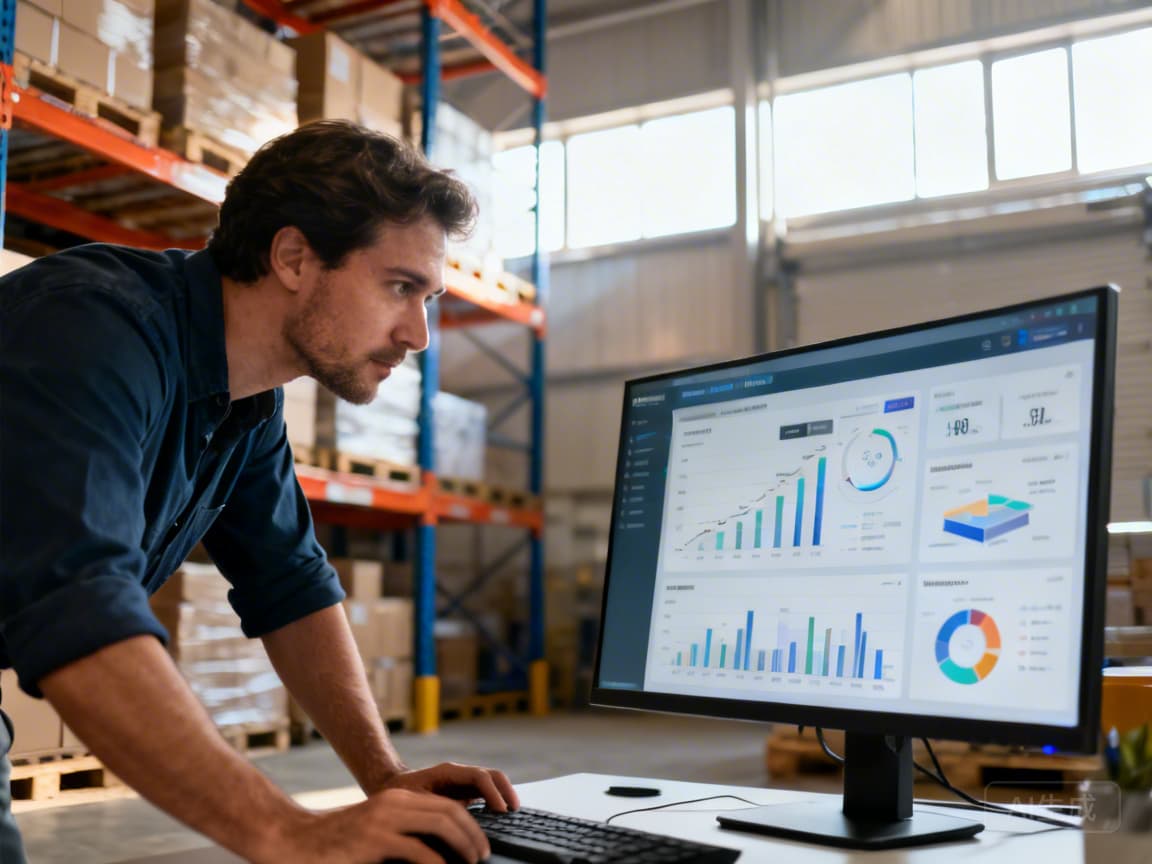
From the unit price of ton bags to the total cost of the supply chain: using digital tools to reduce logistics expenses by 20%

RUNCHEN
AuthorWith more than 25 years of experience in FIBC bulk bag manufacturing and sales, RUNCHEN operates its own production facility with stable batch capacity. We specialize in FIBC bulk bags, jumbo bags, ton bags, and customized industrial packaging solutions.
From Unit Price to Total Cost: How Digital Tools Can Cut 20% from Your Logistics Spend
For procurement and logistics managers, the cost of bulk bags (FIBCs) is often reduced to a simple line item: the unit price. This narrow focus, however, creates a significant strategic blind spot. Industry leaders are shifting their perspective from purchasing a commodity to investing in a total system cost solution. By leveraging digital tools and a holistic cost analysis, companies can unlock savings of 20% or more in their overall logistics expenditure. This isn't about finding a cheaper bag; it's about engineering a more efficient, resilient, and sustainable supply chain.
The Hidden Cost Trap: Why Unit Price is a Misleading Metric
Focusing solely on the per-bag price ignores the substantial hidden costs that impact your total cost of ownership (TCO). A cheaper bag that fails prematurely can trigger a cascade of expenses:
- Product Loss & Contamination: A single failure can mean thousands in lost material, cleanup, and production downtime.
- Inefficient Handling: Poorly designed lifting loops or unstable stacking features increase manual handling time and safety risks.
- Wasted Space: Non-optimized dimensions lead to inefficient container and warehouse utilization, increasing transport and storage costs.
- Compliance & Disposal Fees: Bags that don't meet evolving sustainability regulations can incur taxes, like the EU's plastic levy, and higher waste processing fees.
The methodology championed by organizations like the ROI Institute is directly applicable here. They demonstrate that quantifying the full return on investment is critical for securing buy-in. For bulk bags, this means building a financial model that moves beyond invoice price to calculate "cost-per-successful-delivery."
The Digital Blueprint: Simulating Performance Before Production
How can you mitigate these risks before the first bag is ever sewn? The answer lies in digital design and simulation, a practice proven in adjacent manufacturing sectors. Consider the case of aPriori, a digital manufacturing simulation platform. By enabling early-stage design analysis, aPriori helped clients reduce new design iteration time from 40 hours to minutes and cut product development time by 87%.
This same principle is revolutionizing bulk bag specification. Advanced suppliers now use tools like:
- Computer-Aided Design (CAD) & Finite Element Analysis (FEA): To simulate stress points during lifting, dynamic forces during transport, and stacking loads in storage—virtually eliminating field failures.
- Load & Space Optimization Software: To design bag dimensions that maximize container and pallet fill rates, directly reducing shipping costs.
Early digital assessment is not just about product integrity; it's a powerful negotiation tool. As seen in the aPriori case, such insights empowered clients to achieve over $76 million in supplier negotiation savings.
Building Your Cost-Optimization Action Plan
Transitioning to a TCO model requires a structured approach. Here is a practical, three-step action plan:
Step 1: Conduct a Total Cost Audit
Map the complete journey of your bulk bags. Collect data on:
- Direct Costs: Purchase price, freight-in.
- Handling & Logistics Costs: Loading/unloading time, space utilization per shipment, damage rates.
- Risk & Compliance Costs: Historical loss from failures, waste disposal fees, potential regulatory penalties.
Step 2: Partner for Digital Prototyping
Engage suppliers who offer digital design services. For your next custom bag requirement, request:
- A CAD model and FEA report for key stress scenarios.
- A space optimization analysis for your primary shipping mode.
- Material options analyzed for lifecycle impact (carbon footprint, recyclability).
Step 3: Quantify and Present the ROI
Use the collected data to build a compelling business case. Frame the investment in higher-specification, digitally validated bags not as an expense, but as a logistics efficiency project. Project savings from:
- Reduced product loss (e.g., targeting a 50% reduction in failures).
- Improved shipping density (e.g., 10% more units per container).
- Lower handling time (e.g., 15% faster loading).
Green Compliance as a Competitive Advantage
This data-driven approach aligns perfectly with macro trends. The packaging market is decisively shifting toward sustainability, with green packaging demand driving 80% market share growth. Digital tools can simulate the use of recycled content and assess end-of-life scenarios, helping you meet stringent regulations like the EU Green Deal. A sustainable bag designed for efficiency reduces both environmental impact and long-term compliance risk, turning ESG from a cost center into a value driver.
The future of bulk bag procurement is analytical and strategic. By adopting digital tools to visualize performance and calculating true total cost, you transform packaging from a passive commodity into an active lever for supply chain resilience, sustainability, and significant bottom-line savings. The 20% reduction in logistics spend is not an aspirational figure; it's the measurable outcome of a smarter, more informed approach.
Related News
Other news you might be interested in
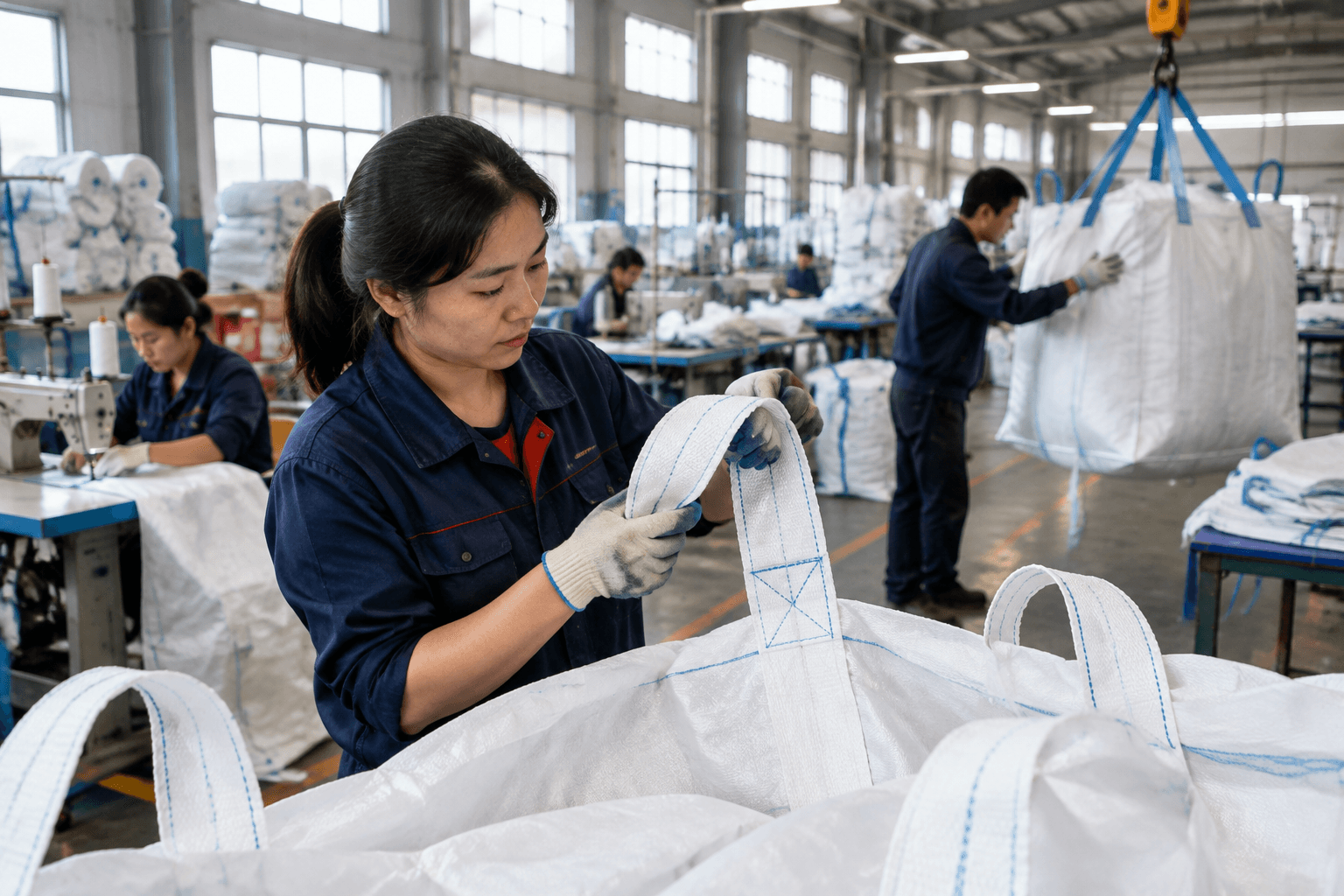
Choosing the Right Bulk Bag Manufacturer for Safer, More Efficient Operations
Learn how to specify bulk bags, evaluate manufacturers, and validate quality and supply reliability to reduce operational risk and support safer, more efficient handling.
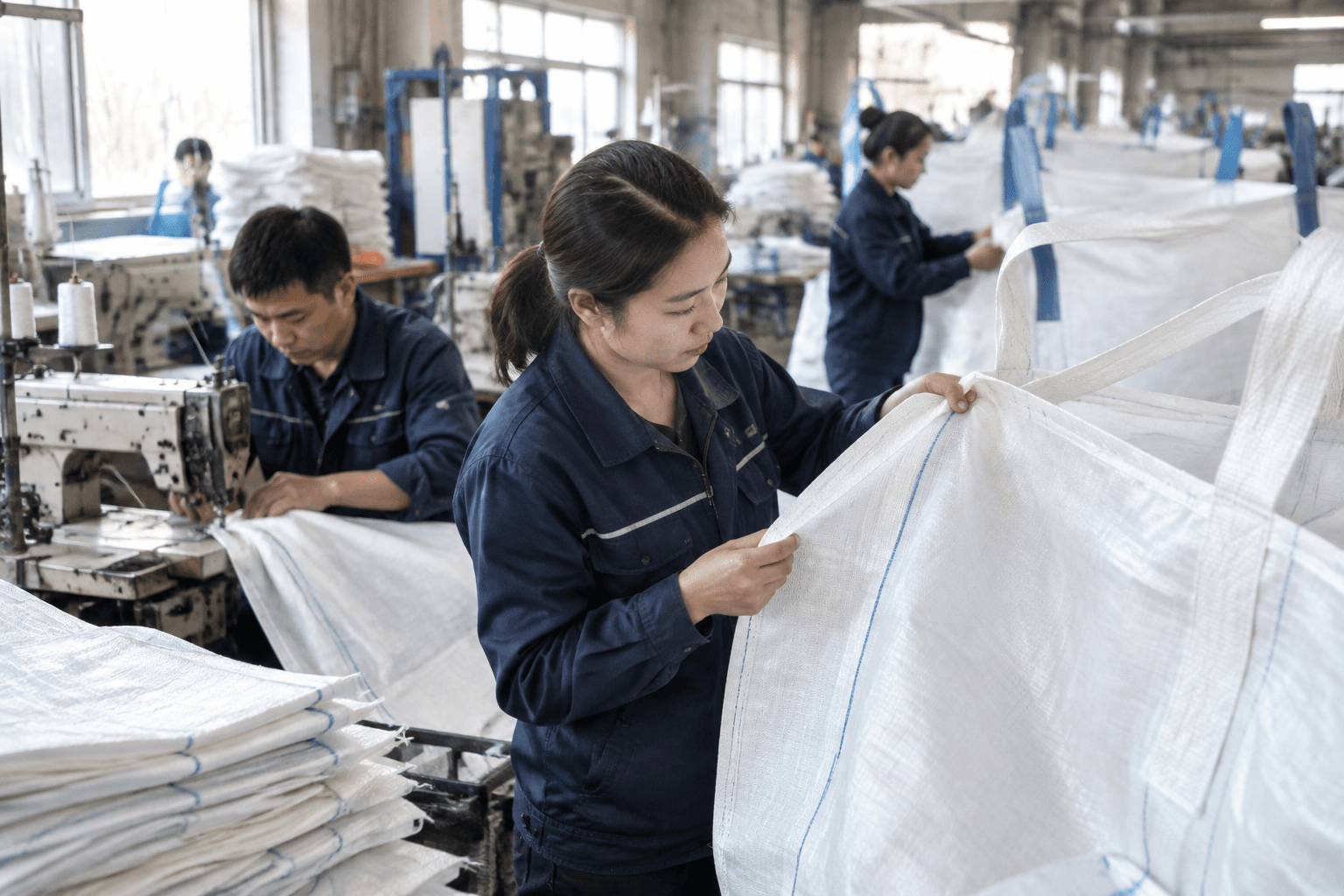
The 140th Canton Fair: New Trends in the Export Market for FIBC Bulk Bags, Jumbo Bags, and PP Woven Packaging
Explore how export buyers can evaluate FIBC bulk bags and PP woven packaging beyond unit price. Get practical guidance on specifications, supplier verification, sustainability requirements, and RFQs—and prepare your next sourcing conversation with COSEK.
Want to know more?
Get in touch with us for more information about our services and products.