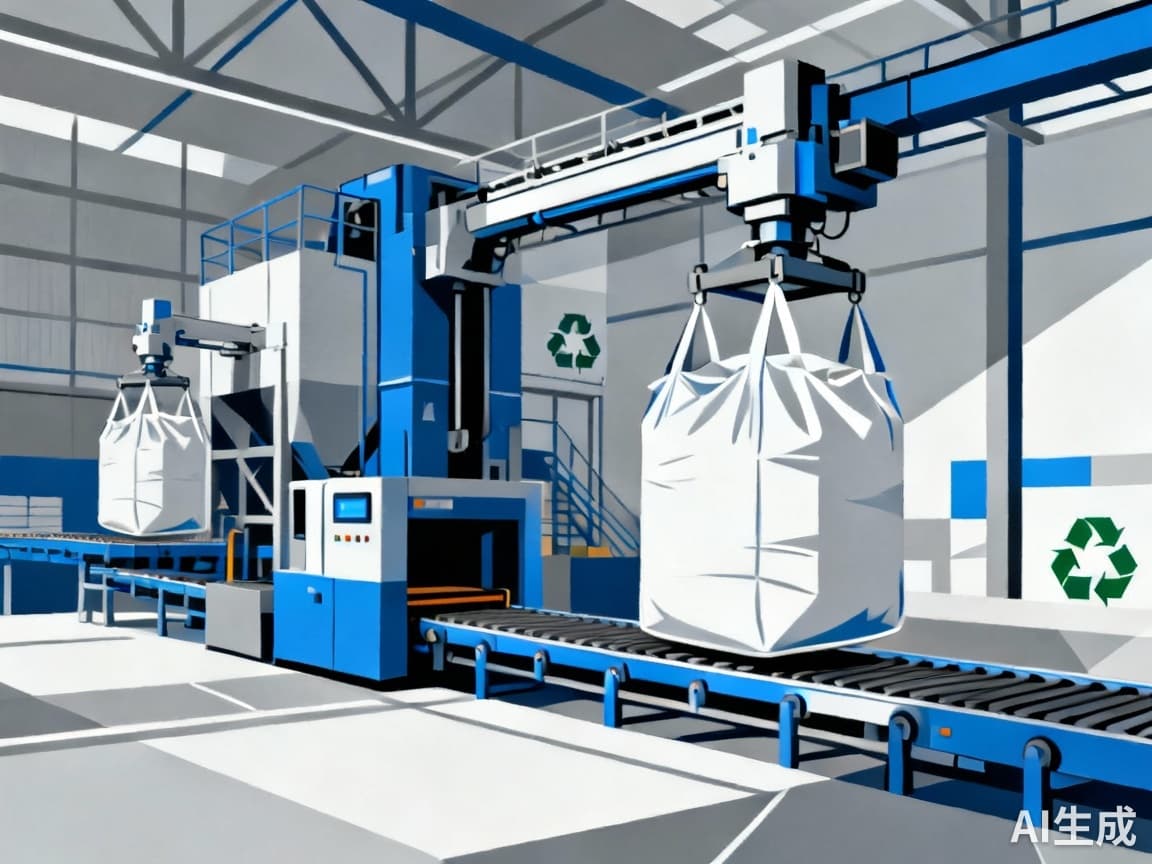
How $2.3M Packaging Failure Redefined Bulk Bag Selection & Cut Costs 35% #54

RUNCHEN
AuthorWith more than 25 years of experience in FIBC bulk bag manufacturing and sales, RUNCHEN operates its own production facility with stable batch capacity. We specialize in FIBC bulk bags, jumbo bags, ton bags, and customized industrial packaging solutions.
The Hidden Math: How One Food Producer's $2.3M Packaging Failure Redefined Bulk Bag Selection
Most bulk bag selection processes focus on upfront costs and basic durability metrics, but this approach misses the true financial impact of packaging decisions. When a major food producer experienced a $2.3 million packaging failure due to improper bulk bag selection, it revealed critical flaws in traditional cost-calculation methodologies. This incident, combined with evolving market conditions and regulatory pressures, has fundamentally changed how leading companies approach FIBC specification.
The conventional approach to bulk bag selection typically considers only 20-30% of the actual total cost of ownership. Hidden expenses including waste disposal, space utilization inefficiencies, rework costs, and production downtime often exceed the initial purchase price by 300-400%. This case study demonstrates how a total-cost approach to packaging selection can deliver 35% cost reductions while improving sustainability and operational efficiency.
Redefining Packaging Cost Calculations
The $2.3 million failure occurred when a food producer selected bulk bags based primarily on purchase price, without considering material compatibility, environmental factors, and handling requirements. The result was massive product loss, production shutdowns, and extensive cleanup costs. This incident highlighted three critical cost components that traditional calculations miss:
Waste Disposal and Environmental Costs
With global plastic production reaching 460 million tons in 2019 and approximately 350 million tons of plastic waste generated annually, disposal costs have skyrocketed. Companies facing packaging failures often incur disposal costs 5-7 times higher than the initial packaging investment.
Space Utilization and Storage Economics
Inefficient bulk bag designs can increase storage requirements by 40-60%, creating hidden facility costs that rarely appear in packaging budgets. Properly specified FIBCs optimized for stacking and storage can reduce warehouse space requirements by up to 35%.
Production Downtime and Rework Expenses
The highest costs often come from production interruptions. One chemical manufacturer reported $180,000 in downtime costs from bulk bags that failed to unload properly, causing 36 hours of production delays.
Five Unexpected Cost Centers Driving Modern FIBC Selection
Based on failure cost analysis across multiple industries, five non-traditional dimensions now dictate optimal bulk bag specification:
1. Unloading Efficiency and Flow Dynamics
Search volume for "bulk bag unloader" has increased by 217% in two years, reflecting growing recognition of unloading efficiency as a critical cost factor. Properly designed FIBCs with optimized discharge characteristics can reduce unloading time by 50-70% and eliminate product residue that typically costs companies 2-5% of total material value.
2. Dynamic Space Cost Calculations
With warehouse costs increasing 8.4% annually in major markets, space efficiency has become a primary consideration. Advanced bulk bag designs that maintain stability at higher stack heights can reduce storage footprint by 25-40%, translating to six-figure annual savings for medium to large operations.
3. Compliance and Regulatory Future-Proofing
With EPR (Extended Producer Responsibility) regulations expanding globally, companies must consider the full lifecycle cost of packaging materials. Forward-thinking organizations are selecting FIBCs with end-of-life recovery in mind, avoiding future compliance costs that can add 15-30% to packaging expenses.
4. Material Compatibility and Risk Mitigation
Static electricity, moisture sensitivity, and chemical compatibility issues cause approximately 68% of bulk bag failures. The food producer's $2.3 million loss resulted from inadequate material compatibility testing. Comprehensive compatibility assessment now precedes any bulk bag selection process in mature organizations.
5. Environmental Adaptation and Performance Consistency
Temperature and humidity variations during transportation and storage can degrade packaging performance by 40-60%. Companies moving products through diverse climate zones must select FIBCs engineered to maintain integrity across environmental conditions.
Implementation Framework: Four-Phase Total Cost Optimization
Transforming your bulk bag selection process requires a structured approach focused on total cost rather than purchase price:
Phase 1: Comprehensive Packaging Audit
Establish baseline measurements of all packaging-related costs, including:
- Direct purchase costs
- Storage and handling expenses
- Disposal and environmental costs
- Production impact metrics
- Compliance and regulatory expenses
Phase 2: Risk Mapping and Vulnerability Assessment
Evaluate your specific operations against the five cost dimensions:
- Conduct material compatibility testing
- Analyze storage and handling workflows
- Assess regulatory exposure
- Map environmental conditions throughout your supply chain
- Evaluate unloading and discharge requirements
Phase 3: Specification Redefinition
Develop new FIBC specifications based on total cost optimization rather than purchase price:
"Companies that shift from price-based to performance-based specification typically achieve 25-35% total cost reduction while improving reliability and sustainability." - Packaging Economics Institute
Phase 4: Pilot Implementation and Validation
Implement new bulk bag specifications in controlled pilot programs with detailed cost tracking:
- Measure actual performance against baseline metrics
- Validate total cost savings
- Refine specifications based on operational feedback
- Develop scaling plan for full implementation
Market Context: Why Now Is the Critical Time for FIBC Optimization
The 2024 packaging paper market volatility, with prices fluctuating dramatically and over 4 million tons of new capacity coming online, has created unprecedented opportunity for bulk bag adoption. Fourth-quarter export order surges in South China and East China have further strained traditional packaging supply chains, making FIBCs increasingly attractive alternatives.
Companies like Tingyi (Master Kong) Holdings have demonstrated the strategic value of systematic packaging optimization. By transitioning from traditional packaging to吨袋 (ton bags) and tanker transportation, they achieved significant packaging material reduction and transportation efficiency improvements. While their specific ROI wasn't quantified, industry analysis suggests similar transitions typically deliver 30-40% total cost reduction.
The convergence of regulatory pressure, market volatility, and advanced FIBC technologies has created a unique window for packaging transformation. Companies that embrace total-cost-based selection now will gain competitive advantages while those stuck in purchase-price thinking will face increasing cost pressures and operational risks.
Moving Forward: Next Steps for Packaging Optimization
Begin your packaging transformation with these immediate actions:
- Conduct a preliminary packaging cost audit to identify hidden expenses
- Engage with FIBC providers who offer total-cost analysis rather than just product specifications
- Initiate compatibility testing with your key materials
- Develop pilot program parameters for testing optimized bulk bags
- Assign cross-functional responsibility for packaging optimization
The $2.3 million packaging failure that redefined industry standards serves as a powerful reminder: true cost savings come from comprehensive analysis and strategic specification, not purchase price negotiation. Companies that learn this lesson before experiencing their own multimillion-dollar failure will position themselves for sustained competitive advantage in increasingly challenging markets.
Related News
Other news you might be interested in
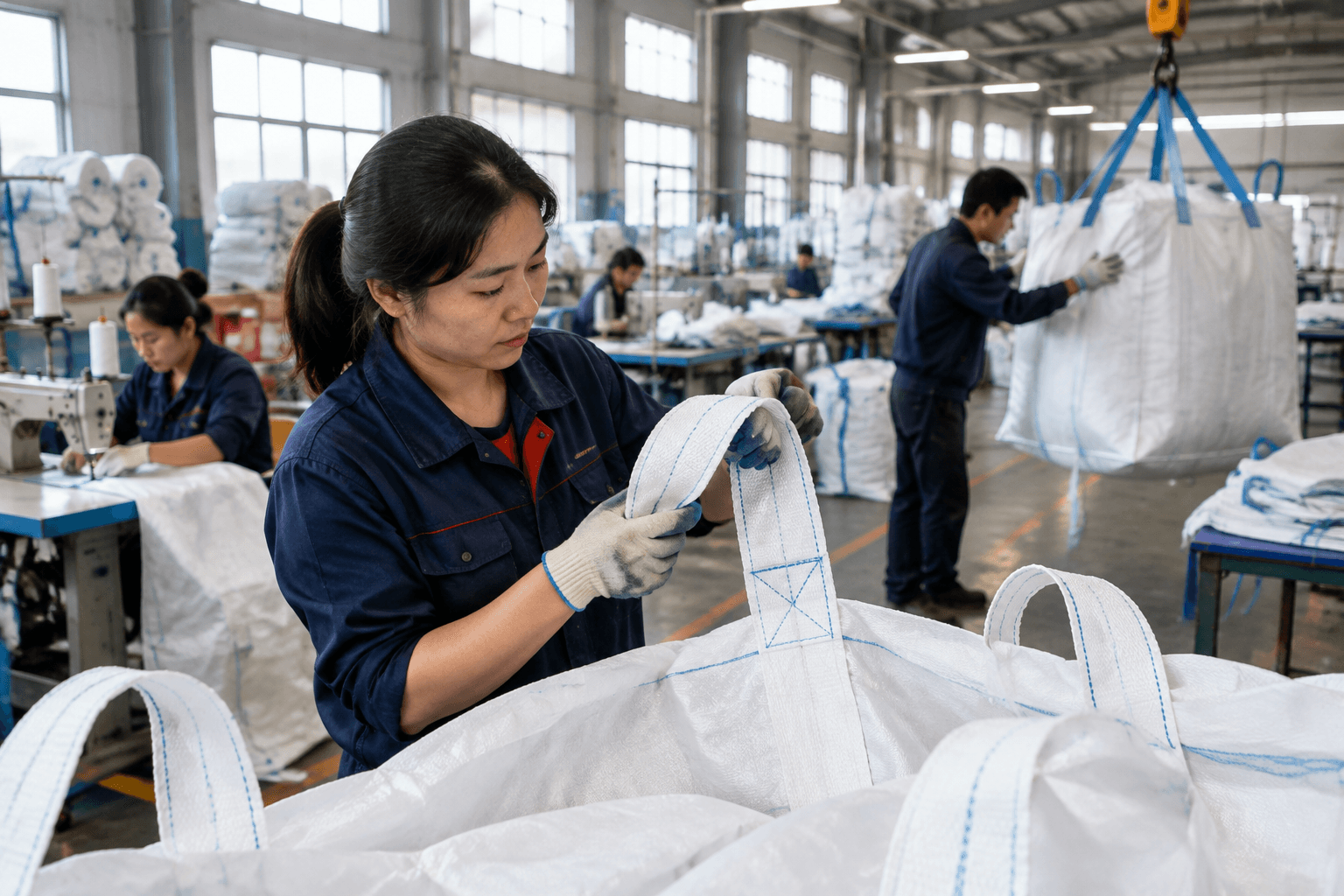
Choosing the Right Bulk Bag Manufacturer for Safer, More Efficient Operations
Learn how to specify bulk bags, evaluate manufacturers, and validate quality and supply reliability to reduce operational risk and support safer, more efficient handling.
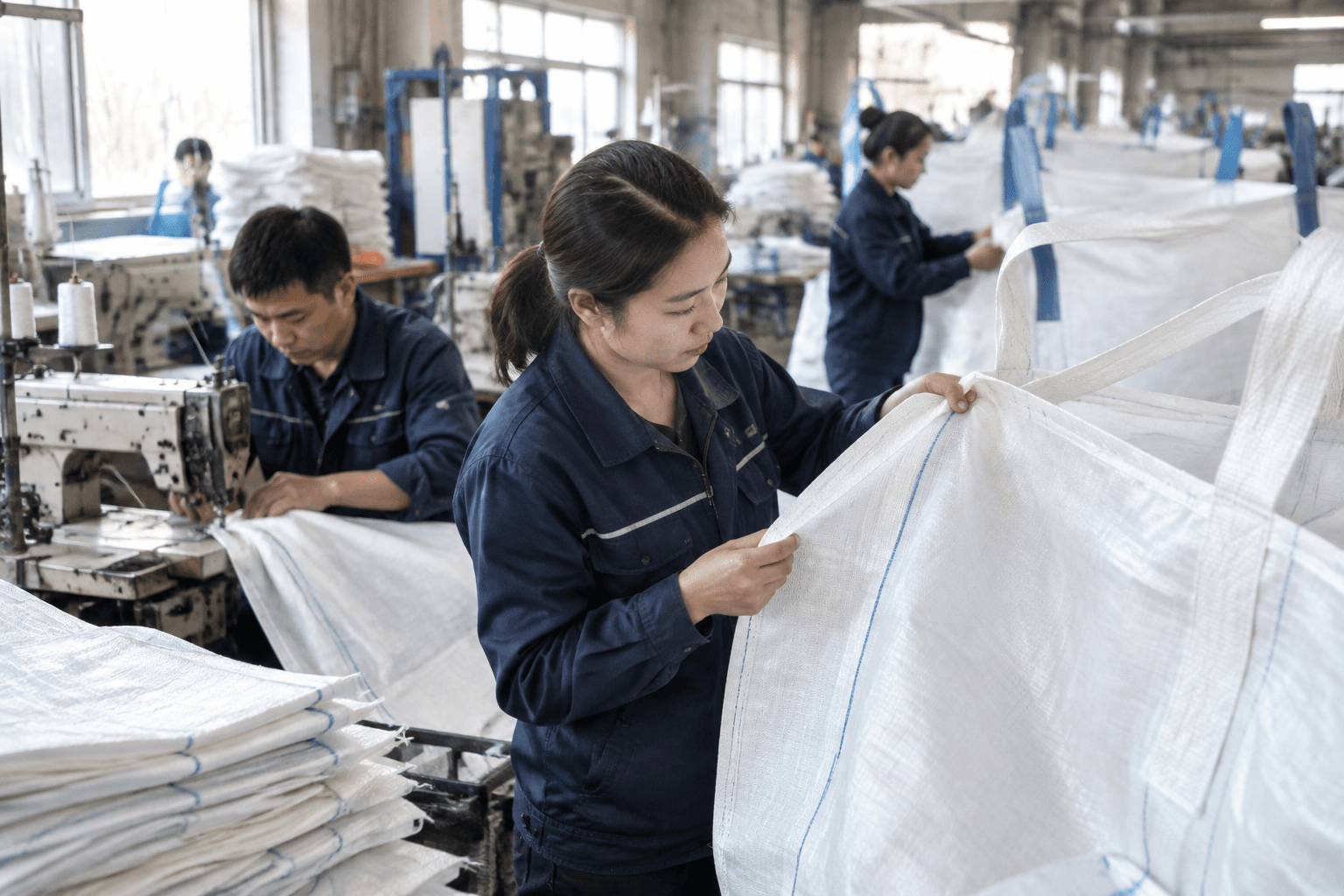
The 140th Canton Fair: New Trends in the Export Market for FIBC Bulk Bags, Jumbo Bags, and PP Woven Packaging
Explore how export buyers can evaluate FIBC bulk bags and PP woven packaging beyond unit price. Get practical guidance on specifications, supplier verification, sustainability requirements, and RFQs—and prepare your next sourcing conversation with COSEK.
Want to know more?
Get in touch with us for more information about our services and products.