
How FIBC Systems Cut Plastic Waste 3.5B Tons & Reshape Supply Chain Economics #61
RUNCHEN
AuthorWith more than 25 years of experience in FIBC bulk bag manufacturing and sales, RUNCHEN operates its own production facility with stable batch capacity. We specialize in FIBC bulk bags, jumbo bags, ton bags, and customized industrial packaging solutions.
The Plastic Waste Crisis: A Supply Chain Opportunity
Global supply chains face an unprecedented environmental challenge: 3.5 billion tons of plastic waste generated annually, with approximately 0.5% entering our oceans. This staggering figure represents not just an environmental crisis but a massive economic inefficiency within bulk material transportation systems. Traditional packaging methods contribute significantly to this waste stream while driving up operational costs through single-use designs and limited recyclability.
The emergence of Extended Producer Responsibility (EPR) initiatives worldwide is transforming packaging from a cost center to a strategic sustainability asset. Forward-thinking companies are discovering that innovative packaging solutions can simultaneously address environmental concerns while improving bottom-line performance. Flexible Intermediate Bulk Container (FIBC) systems represent one of the most effective solutions for bulk material handlers seeking to reduce their plastic footprint.
Case Study: Tingyi (康师傅) Holding Corp.'s Packaging Transformation
Tingyi's comprehensive packaging overhaul demonstrates the tangible benefits of FIBC adoption. The food and beverage giant implemented a multi-faceted approach:
- Replaced conventional raw material packaging with tanker transportation systems
- Implemented comprehensive paper carton recycling programs
- Transitioned from disposable packaging to reusable FIBC systems
- Established vinegar barrel recovery and reuse processes
While specific ROI figures remain proprietary, the company achieved significant plastic packaging reduction and dramatically improved packaging material recovery rates. Their experience confirms that packaging material substitution and recovery represent effective plastic reduction measures, with FIBC systems playing a crucial role in reducing single-use packaging waste.
Packaging material replacement and recycling proved to be effective plastic reduction measures, with ton bag packaging significantly reducing single-use packaging waste - Tingyi Implementation Experience
FIBC Selection Framework: Matching Container to Application
Food Grade Applications
For food manufacturers, select FDA-compliant FIBCs with polyethylene liners and USDA-approved fabrics. Consider anti-static properties for flour, sugar, and other powdered ingredients. Implementation tip: Establish cleaning protocols that maintain food safety standards while maximizing container reuse cycles.
Chemical and Pharmaceutical Applications
Choose UN-certified FIBCs with appropriate chemical resistance ratings. For hazardous materials, specify conductive or static-shielded designs. Critical consideration: Verify compatibility between your material and the FIBC's liner material through accelerated aging tests.
Construction and Bulk Materials
Opt for high-weight-capacity FIBCs (up to 2,000 kg) with UV protection for outdoor storage. For abrasive materials like sand or gravel, select abrasion-resistant fabrics with reinforced lifting loops.
Economic Analysis: Total Cost of Ownership Model
Traditional packaging cost analysis focuses exclusively on purchase price, creating a distorted view of FIBC economics. A comprehensive TCO model should include:
- Acquisition Costs: Initial container purchase price
- Transportation Economics: Reduced shipping costs through higher payload efficiency
- Handling Efficiency: Labor savings from faster loading/unloading cycles
- Waste Disposal Costs: Elimination of single-use packaging disposal fees
- Reuse Potential: Number of trips per FIBC (typically 5-10 cycles)
- Recycling Value: Residual value of polypropylene fabric after useful life
Most companies achieve 30-50% cost reduction compared to single-use alternatives when accounting for all variables. The growing $5.63 billion FIBC market, expanding at 7.3% CAGR through 2029, reflects this economic reality.
Integration Framework: Implementing FIBC Systems
Storage Infrastructure Modifications
Assess racking systems for FIBC compatibility. Most standard pallet racking accommodates FIBCs, but consider dedicated storage frames for high-volume applications. Implement first-in-first-out inventory management to maximize reuse cycles.
Material Handling Equipment Adaptation
Modify forklift attachments for optimal FIBC handling. Fork positioners and sideshifters improve handling efficiency. For automated facilities, integrate FIBC-specific grippers into robotic systems.
Tracking and Management Systems
Implement barcode or RFID tracking to monitor FIBC lifecycle. Cloud-based management platforms can track container location, usage history, and maintenance requirements across multiple facilities.
Performance Metrics: Measuring Environmental Impact
Establish key performance indicators to quantify your FIBC program's success:
- Plastic Waste Reduction: Kilograms of single-use packaging eliminated monthly
- Reuse Rate: Average number of trips per FIBC before retirement
- Recycling Efficiency: Percentage of retired FIBCs properly recycled
- Carbon Footprint Reduction: Transportation emissions reduced through payload optimization
- Cost Avoidance: Disposal costs and new packaging purchases avoided
Regulatory Compliance and Future-Proofing
With EPR initiatives expanding globally, proactive FIBC adoption positions companies favorably for regulatory changes. Document your packaging reduction achievements through:
- Lifecycle assessment reports verifying reduced environmental impact
- Waste audit documentation demonstrating plastic reduction
- Supplier sustainability certifications for FIBC providers
- Carbon accounting records showing transportation efficiency gains
Innovation Horizon: Next-Generation FIBC Technology
The FIBC market is evolving beyond basic containment solutions. Emerging innovations include:
- Smart FIBCs with integrated IoT sensors for condition monitoring
- Advanced Barrier Materials providing extended protection for sensitive materials
- Blockchain Tracking for complete supply chain transparency
- Biodegradable Options for applications where recycling isn't feasible
Strategic Implementation Roadmap
For companies considering FIBC adoption, this phased approach ensures successful implementation:
- Pilot Program: Test FIBCs with one material stream, measuring performance against existing packaging
- Supplier Qualification Vet FIBC providers for quality, sustainability credentials, and technical support capabilities
- Cross-Functional Training: Educate procurement, operations, and sustainability teams on FIBC best practices
- Full-Scale Deployment: Roll out FIBC systems across applicable material categories
- Continuous Improvement: Regularly review performance metrics and identify optimization opportunities
FIBC systems represent more than packaging—they embody a fundamental shift toward circular economy principles in bulk material handling. By embracing reusable container systems, companies can simultaneously address environmental imperatives while achieving significant economic benefits. The transformation begins with recognizing that every ton of plastic waste eliminated represents not just environmental stewardship, but improved operational efficiency and competitive advantage.
Related News
Other news you might be interested in
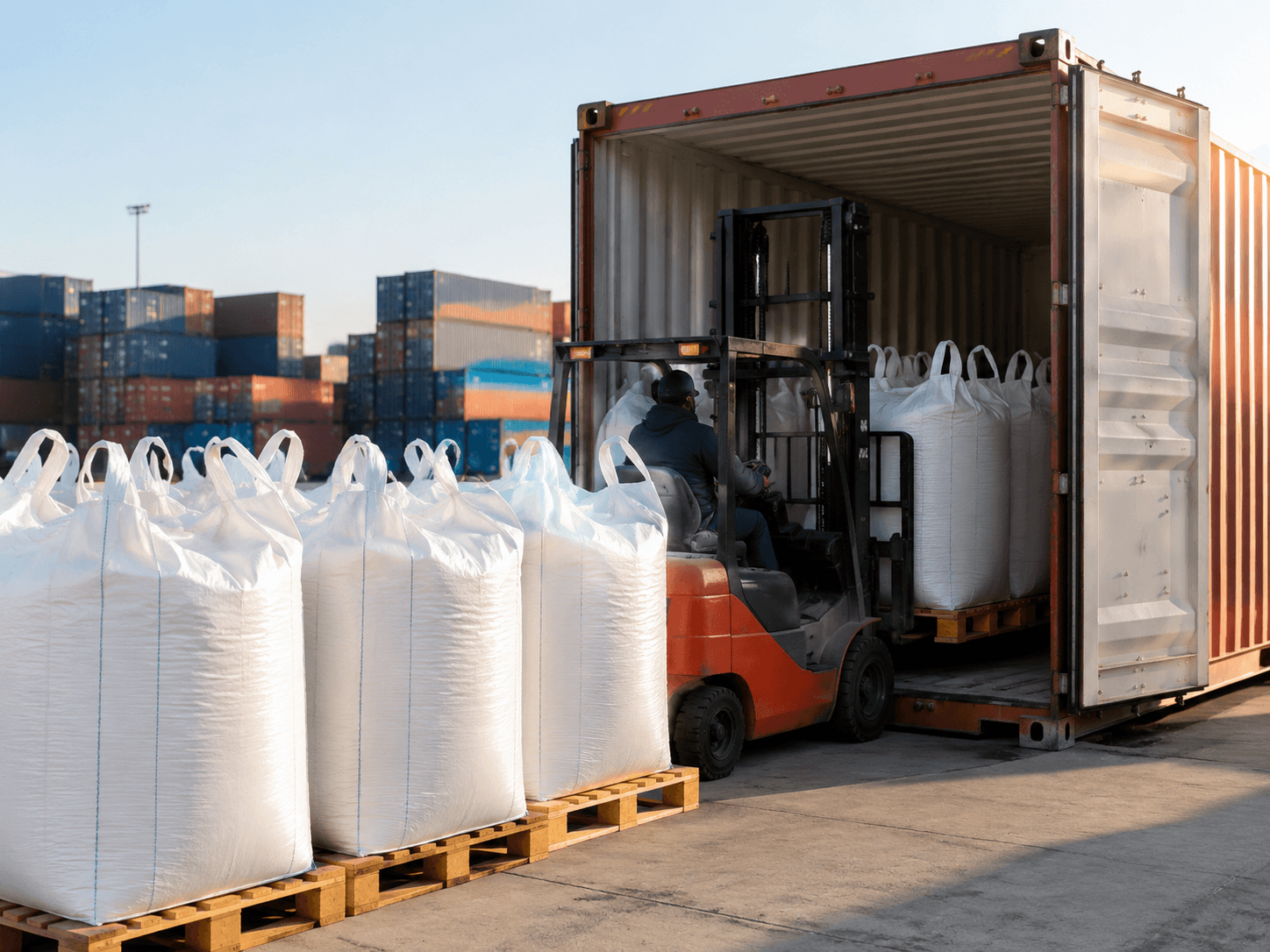
FIBC Bulk Bag Buying Guide: How to Choose the Right FIBC Bulk Bag for Your Material
Choosing the right FIBC bulk bags is not simply a matter of size and price. The bag must match your material properties, filling and discharge equipment, storage conditions, handling method, and transport-compliance requirements. A poor selection can lead to leakage, moisture damage, dust emissions, unstable stacking, inefficient handling, electrostatic hazards, or non-compliance in hazardous-material transport.
Reducing Packaging Waste and Costs with the Right FIBC Size
The challenges of packaging waste management have grown increasingly complex for industries relying on bulk material transport. Selecting the correct Flexible Intermediate Bulk Container (FIBC) size represents one of the most impactful yet often overlooked opportunities for waste reduction and cost savings across your supply chain. With growing environmental pressures and tightening operational budgets, optimizing FIBC sizing delivers both ecological and financial benefits that progressive companies cannot afford to ignore.
Want to know more?
Get in touch with us for more information about our services and products.