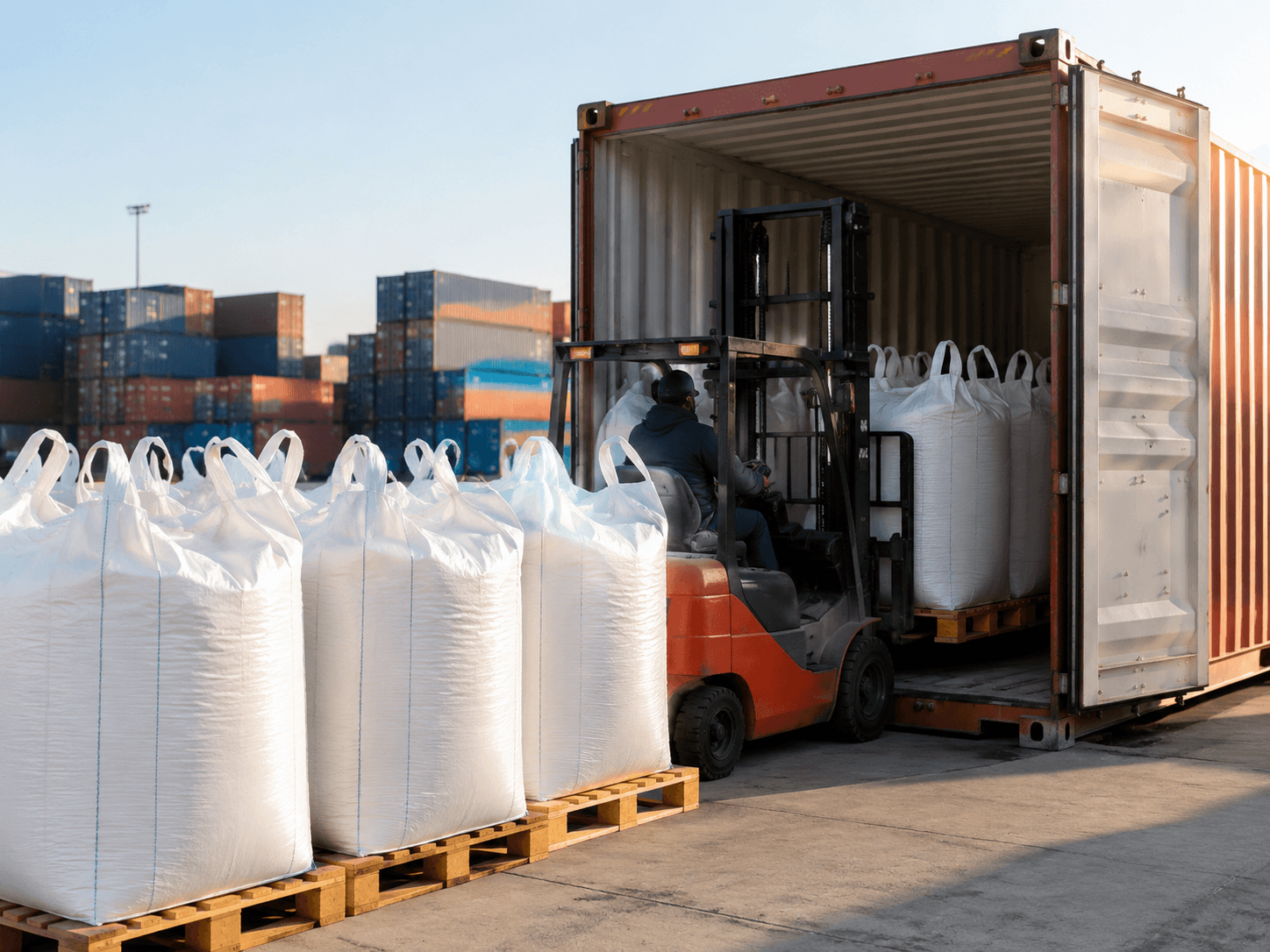
FIBC Bulk Bag Buying Guide: How to Choose the Right FIBC Bulk Bag for Your Material
RUNCHEN
AuthorWith more than 25 years of experience in FIBC bulk bag manufacturing and sales, RUNCHEN operates its own production facility with stable batch capacity. We specialize in FIBC bulk bags, jumbo bags, ton bags, and customized industrial packaging solutions.
Choosing the right FIBC bulk bags is not simply a matter of size and price. The bag must match your material properties, filling and discharge equipment, storage conditions, handling method, and transport-compliance requirements.
A poor selection can lead to leakage, moisture damage, dust emissions, unstable stacking, inefficient handling, electrostatic hazards, or non-compliance in hazardous-material transport.
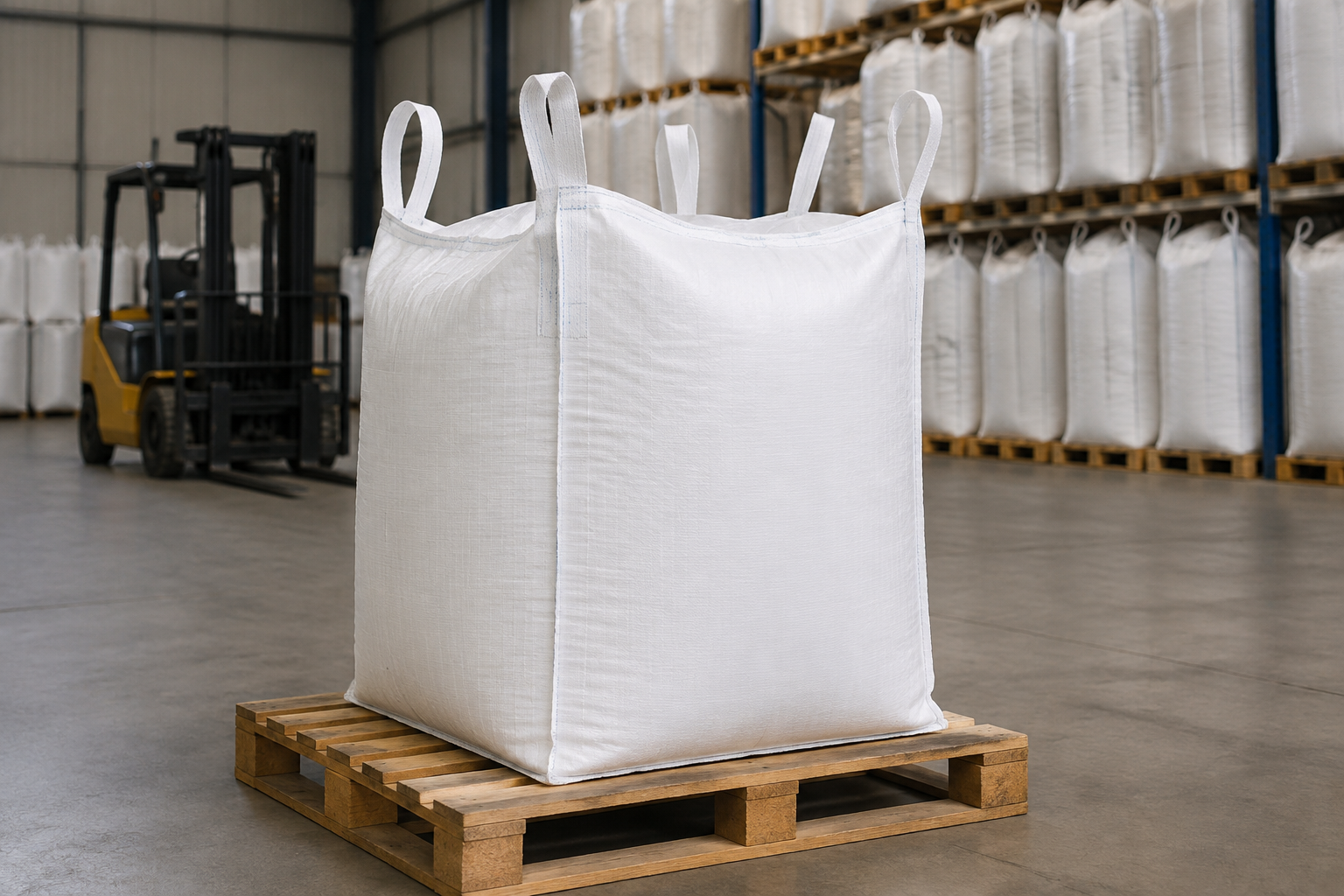
Start With Your Material, Not the Bag Style
Before requesting a quotation, provide the supplier with the material's particle size, bulk density, flowability, moisture content, temperature, corrosiveness, dust concentration, and any explosion-risk information.
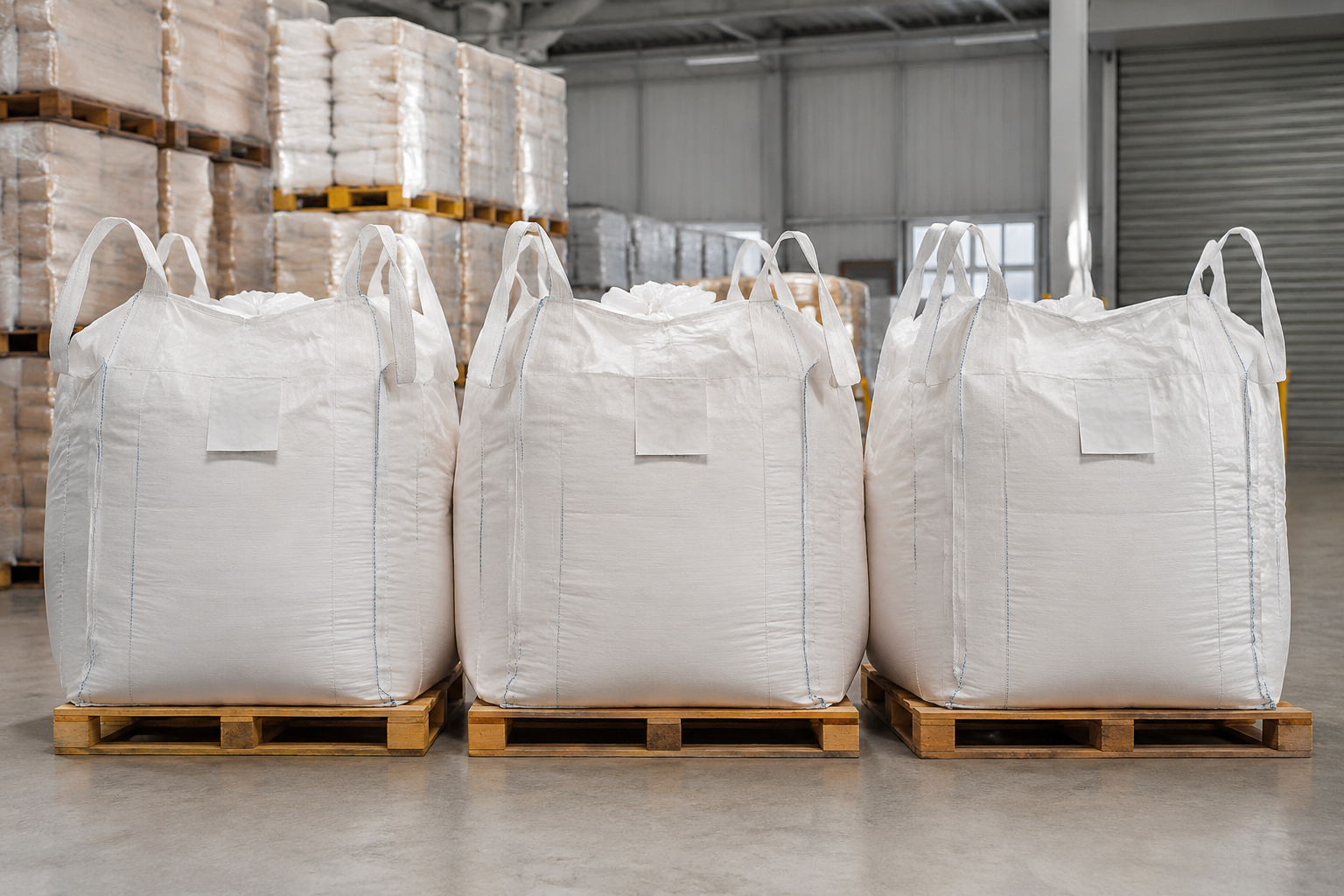
For dry, non-hazardous bulk materials such as sand, minerals, fertilizers, plastic pellets, and construction materials, a standard FIBC bulk bag is usually appropriate.
If your operation relies on forklifts or cranes, choose durable PP woven bulk bags and confirm the lifting method, equipment capacity, and working space. For materials that tend to bulge after filling, baffled FIBC bags can help maintain a square shape, improve stacking stability, and maximize container space.
For food ingredients, pharmaceutical raw materials, or hygiene-sensitive powders, use food-grade FIBC bags. Review cleanroom requirements, traceability, foreign-material control, and liner specifications. Moisture-sensitive or oxidation-sensitive products may also require PE liners, aluminum-foil liners, or other barrier solutions.
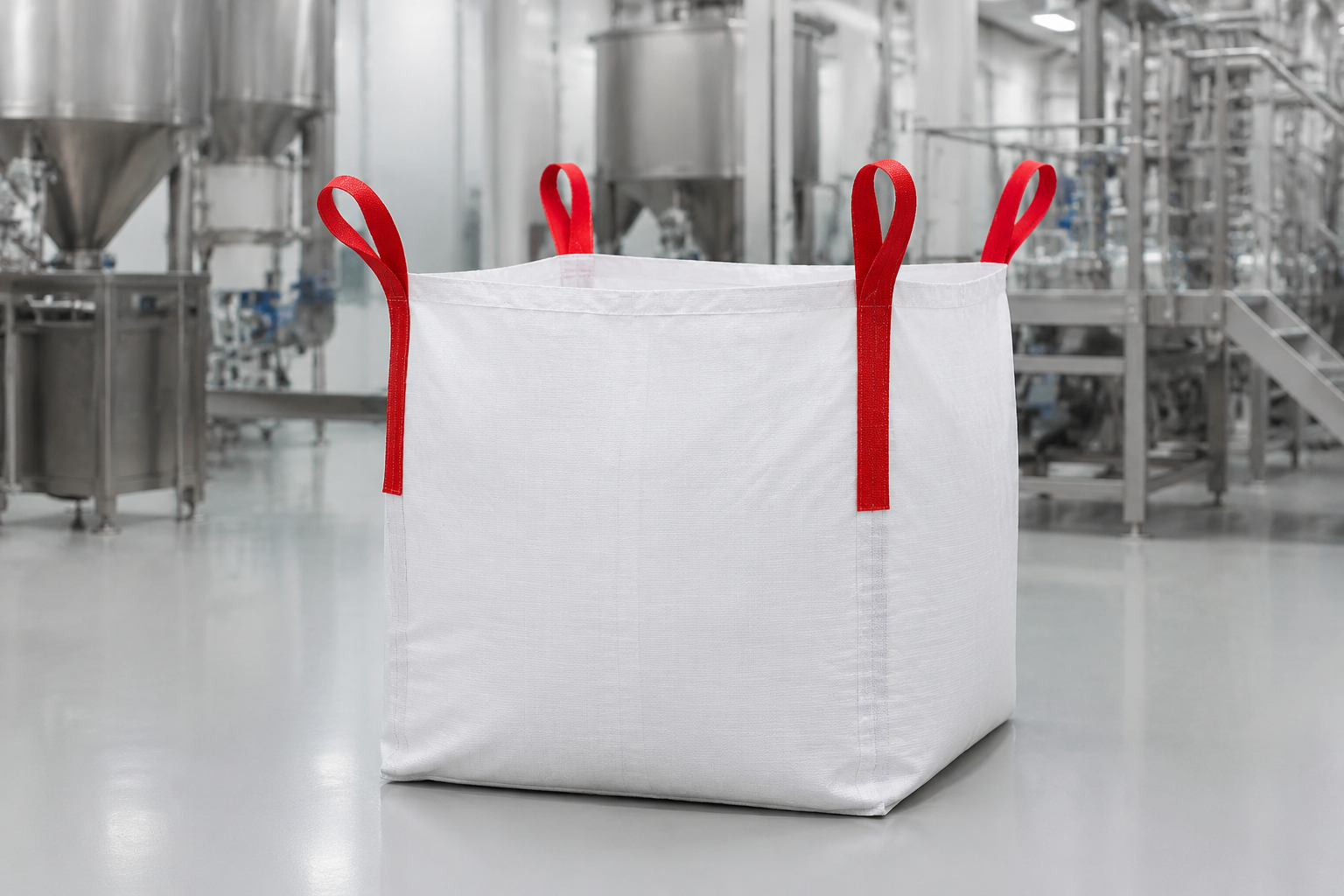
Select the Correct Static-Control Type
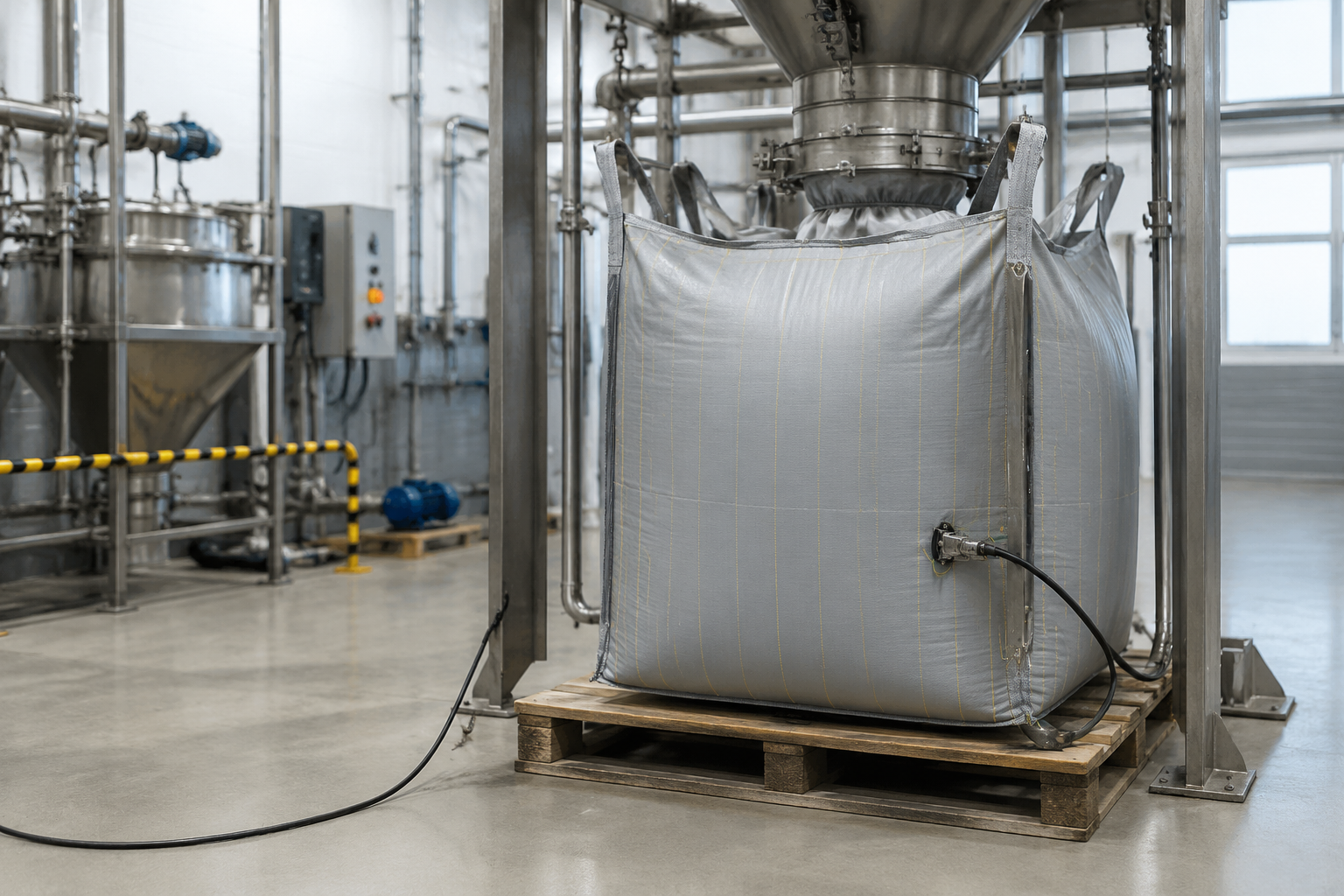
Static electricity is one of the most important issues in a bulk bag selection guide. Friction between the bag and material during filling or discharge can generate static charges. In an environment containing flammable dust, vapor, or gas, selecting the wrong bag type can create a serious safety risk.
| Operating environment | Recommended type | Key consideration |
|---|---|---|
| No flammable gas, vapor, or dust present | Type A FIBC bags | No electrostatic protection; suitable for ordinary non-hazardous materials. |
| Lower breakdown-voltage material required | Type B FIBC bags | Helps reduce certain high-energy discharges, but does not replace a full explosion-control solution. |
| Flammable atmosphere with reliable grounding available | Type C conductive FIBC bags | Must be properly grounded during every filling and discharge operation. |
| Static-risk environment where grounding is unsuitable | Type D anti-static FIBC bags | Uses static-dissipative fabric and requires site-specific risk assessment. |
For electrostatic applications, selection should follow applicable standards such as IEC 61340-4-4. Never choose a bag based only on a “static-safe” marketing claim. Material behavior, area classification, grounding conditions, and operating procedures must all be evaluated.
Confirm Load Capacity, Dimensions, and Safety Factor
Do not evaluate a bag only by asking, “How many tons can it hold?” Confirm the Safe Working Load (SWL), lifting method, safety factor, and intended number of uses.
The required capacity should account for material weight, filling height, lifting-loop angle, forklift or crane operation, stacking height, and vibration during transport.
Common requirements include:
- 5:1 safety factor: commonly used for single-trip applications.
- 6:1 safety factor: suitable for reusable or higher-safety applications.
- Single-trip bulk bags: appropriate for normal export and one-way transport.
- Multi-trip bulk bags: require inspection, cleaning, maintenance, and retirement procedures.
The supplier should also receive complete FIBC bag specifications, including dimensions, volume, fabric weight, bag construction, target load, and acceptable tolerances.
For dense and heavy materials shipped in smaller lots, consider compact heavy-duty bulk bags.
Match Filling, Discharge, Lifting, and Liner Design
A well-designed bulk bag must work with your filling line, discharge station, warehouse, and handling equipment.
Confirm the size and construction of the filling spout, including its diameter, length, closure method, and dust-control requirement. For discharge, decide whether you need a discharge spout, flat bottom, star closure, or a single-use cut-open design.
You should also specify the lifting-loop structure, loop length, lifting equipment, and working clearance. Four-loop bags, side-seam loops, and cross-corner loops are selected according to the handling method and bag design.
For agricultural products, firewood, and materials needing air circulation, use ventilated bulk bags. These bags can use breathable strips, mesh, or partial ventilation panels to reduce moisture accumulation during storage and transport.
Material-Specific Buying Priorities
Chemical bulk bags should be evaluated for static risk, sealing performance, chemical compatibility, and regulatory compliance.
For hazardous chemicals, hazardous waste, or controlled solid materials, select UN-certified FIBC bags and verify the testing documents, UN marking, permitted use, and transport requirements.
Mineral bulk bags require strong lifting loops, abrasion resistance, stable load distribution, and efficient handling. Fertilizer bags typically require moisture protection and anti-caking performance. Plastic-pellet bags should be designed around filling speed, flow characteristics, and discharge requirements.
In flammable-dust environments, standard bags must not be used as a low-cost substitute for appropriate static-control packaging.
Information to Provide When Requesting a Quote
To receive an effective custom FIBC bag solution, provide:
- Material name, particle size, bulk density, moisture content, and hazard information.
- Target weight per bag, annual purchase volume, and shipping method.
- Filling, discharge, forklift, and crane operating conditions.
- Requirements for anti-static protection, food-grade construction, liners, or hazardous-goods compliance.
- Destination market and required certifications.
- Printing, labeling, traceability, pallet, and outer-packaging requirements.
The best FIBC bulk bags are not necessarily those with the highest specifications. They are the bags that balance safety, compliance, handling efficiency, and total cost for your specific material and operating conditions.
Related News
Other news you might be interested in
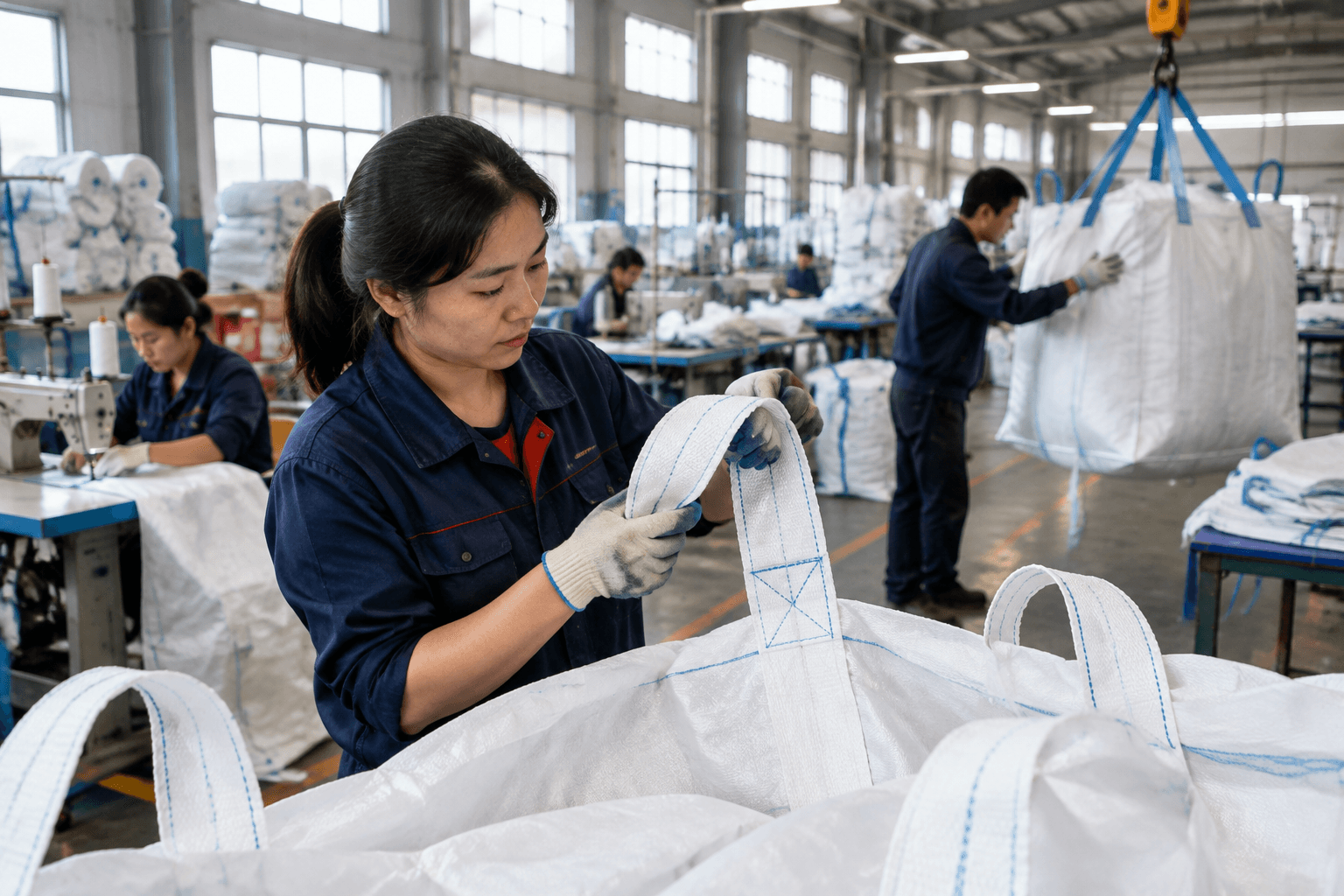
Choosing the Right Bulk Bag Manufacturer for Safer, More Efficient Operations
Learn how to specify bulk bags, evaluate manufacturers, and validate quality and supply reliability to reduce operational risk and support safer, more efficient handling.
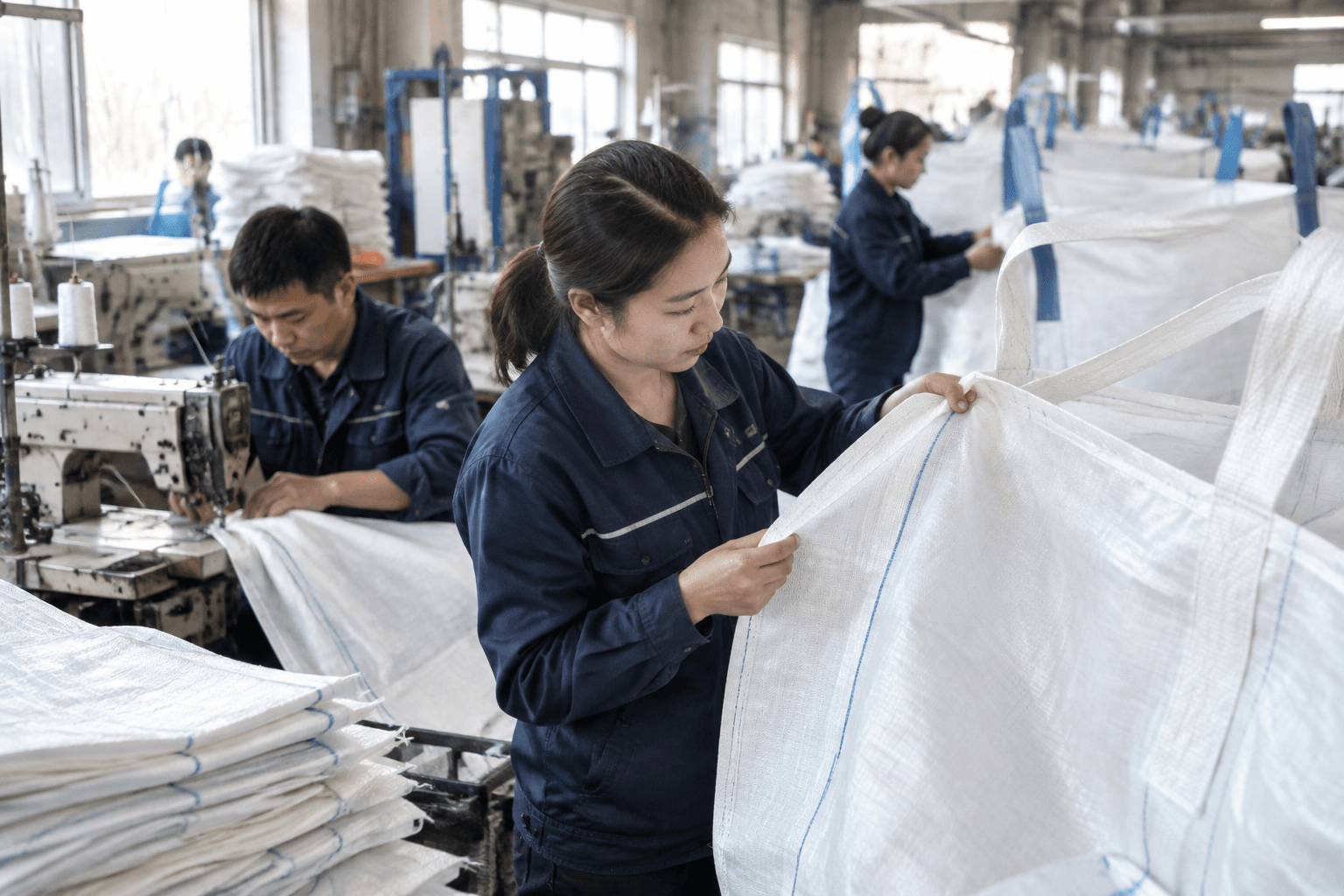
The 140th Canton Fair: New Trends in the Export Market for FIBC Bulk Bags, Jumbo Bags, and PP Woven Packaging
Explore how export buyers can evaluate FIBC bulk bags and PP woven packaging beyond unit price. Get practical guidance on specifications, supplier verification, sustainability requirements, and RFQs—and prepare your next sourcing conversation with COSEK.
Want to know more?
Get in touch with us for more information about our services and products.