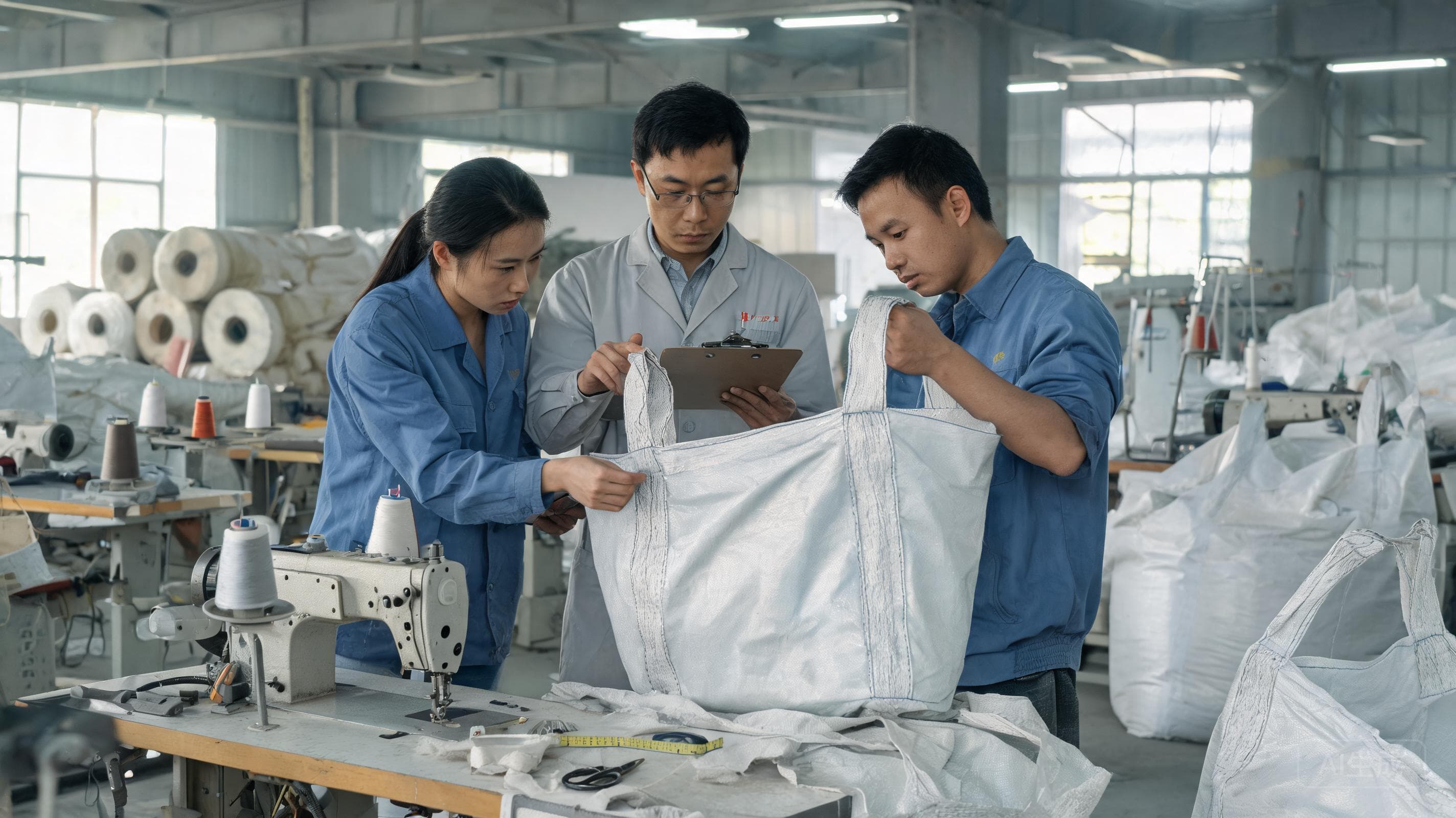
How to Choose a FIBC Bulk Bag Manufacturer That Reduces Risk and Supports Reliable Supply
RUNCHEN
AuthorWith more than 25 years of experience in FIBC bulk bag manufacturing and sales, RUNCHEN operates its own production facility with stable batch capacity. We specialize in FIBC bulk bags, jumbo bags, ton bags, and customized industrial packaging solutions.
When a Bulk Bag Decision Becomes a Business Risk
Procurement and operations teams face real consequences when sourcing FIBC bulk bags. Inconsistencies in fabric, loop placement, or coating can lead to product damage, rejected loads, and production interruptions. The cost extends beyond the bag itself: failures can create handling expenses, customer complaints, and lost confidence in supply consistency.
Buyers need dependable performance across batches, documentation that supports audits, competitive pricing, and a supplier able to respond when demand changes. This article offers a practical framework for evaluating FIBC manufacturers and matching bag design to your application.
Start with your material, handling process, and supply requirements. When you’re ready, request a COSEK specification review or quote and share the details needed for a focused assessment.
Start with the Load, the Process, and the Risk
Before comparing prices or product brochures, define the material you’ll be packing. Consider its weight, density, particle size, flow characteristics, and sensitivity to moisture or contamination. A free-flowing granular product presents different challenges from a fine, hygroscopic powder. Bag construction should reflect these properties to support safe handling and product integrity.
Map the full handling cycle. How will the bag be filled? Will it be stored indoors or outdoors? What lifting equipment will be used? How will it travel—by truck, rail, or ocean freight? What discharge method is required? Will the bag be reused or used for a single trip? Each stage can affect design choices, including fabric, liner, dimensions, and discharge features.
Consider the operating environment, too. Outdoor storage may call for UV-stabilized fabric. Cleanroom use requires defined contamination controls. Static-sensitive applications may require specific electrostatic properties. Identify the consequences of failure before comparing prices: a low unit cost may not offset product loss, downtime, or a compliance issue. When discussing options with a manufacturer, provide your product specification, process description, and expected annual volume.
Match FIBC Construction to the Application
Evaluate fabric type, coating or liner requirements, lifting-loop configuration, filling and discharge features, dimensions, and safe working load. These details determine whether a bag is suitable for your actual operating conditions.
For routine bulk-material handling that does not require specialized static control or dangerous-goods certification, the COSEK White General-Purpose FIBC Bulk Bag is an option to assess for standard industrial applications.
For dangerous-goods shipments, the COSEK White UN Certified Dangerous Goods FIBC Bulk Bag may be suitable when its certification matches the intended packaging configuration and shipment requirements. Confirm the substance, transport mode, and applicable certification details with the supplier. A general product description alone is not enough.
For applications involving electrostatic risk or contamination controls, assess the COSEK Black Anti-Static Bulk Bag for Cleanroom Electronic Components Packaging against your site’s ESD and cleanroom protocols before ordering.
If a square-bottom format suits your filling, storage, or presentation needs, consider the COSEK Brown Square Bottom FIBC Bulk Bag. Product names are a starting point, not a substitute for confirming dimensions, performance requirements, testing, and intended use with the manufacturer.
Verify Safety, Compliance, and Documentation Before Ordering
Request current technical data sheets, engineering drawings, test records, material specifications, and any certificates relevant to your application. For dangerous goods, verify that the UN certification covers the exact bag configuration and shipment requirements. Confirm the details rather than relying on a general product description.
For static-sensitive applications, clarify the required electrostatic protection category with the supplier and your safety team. Confirm that the bag specification aligns with your facility’s grounding procedures and ESD protocols.
Review traceability, batch identification, change control, and nonconformance procedures. A robust quality process documents material or production changes that could affect performance. Ask for evidence supporting any material, process, or sustainability claims that matter to your requirements.
Assess Manufacturing Quality and Supply Reliability
Ask how the manufacturer controls incoming materials, fabric production, sewing, inspection, and final packing. Find out how specifications become production instructions, how revisions are approved, and how changes are communicated. Clear change control helps prevent unauthorized modifications that could affect performance.
Agree on sampling procedures, pre-production approval, inspection plans, and acceptance criteria before placing a large order. Review production capacity, lead times, contingency planning, and the supplier’s ability to maintain consistency across repeat orders. Supply resilience matters alongside unit cost: quality variation can disrupt filling and shipping operations.
Evaluate Supplier Governance and Communication
Reliable manufacturing depends on capable people, clear processes, and sound governance as well as equipment and materials. Ask how the supplier trains workers, maintains production standards, and manages operational information shared during sourcing.
Where relevant, review business continuity plans, communication ownership, escalation routes, and controls for confidential drawings or specifications. A supplier with clear responsibilities and consistent communication is better positioned to support a long-term working relationship.
Use Continuous Improvement to Reduce Total Cost
Compare total cost of ownership, not just bag price. Consider filling speed, storage efficiency, handling labor, damage rates, and disposal or reuse requirements. A bag that improves filling or stacking efficiency may deliver savings that outweigh a higher unit price.
Run a controlled trial with your actual material and process before scaling a new specification. Track bag failures, loading time, rejected shipments, product loss, and delivery performance. Use the results to refine dimensions, construction, or handling features with the manufacturer.
Evaluate Supplier Claims and Case Evidence Carefully
Request references or case examples that resemble your material, industry, transport conditions, and order scale. Ask what each reported improvement measured, what the baseline was, and whether results were independently verified. Treat claims without clear metrics as a reason to ask further questions.
Prioritize evidence tied directly to the proposed bag specification, such as documented trial results, defect trends, or measured handling improvements. Relevant, verifiable data supports better procurement decisions.
A Practical FIBC Supplier Qualification Checklist
Use this checklist to structure your supplier evaluation:
- Application fit: Has the supplier confirmed the material, load, filling method, discharge method, and operating environment?
- Specification clarity: Are dimensions, fabric details, safe working load, safety factor, and required features documented?
- Compliance: Are applicable certificates and test records current and relevant to the exact configuration?
- Quality assurance: Are inspection criteria, traceability, and change-control processes defined?
- Supply performance: Can the manufacturer support your required volume, delivery schedule, and repeat-order consistency?
- Commercial terms: Are pricing, sampling or tooling costs, payment terms, packaging, freight, and quote validity clear?
- Communication: Is there a named contact and an agreed process for technical questions, approvals, and issue resolution?
Working through these points before ordering helps reduce surprises and clarify expectations on both sides.
How COSEK Can Support Your FIBC Evaluation
COSEK supports buyers evaluating bulk packaging against material-handling, compliance, and supply requirements. The product range includes the COSEK White General-Purpose FIBC Bulk Bag, COSEK White UN Certified Dangerous Goods FIBC Bulk Bag, COSEK Black Anti-Static Bulk Bag for Cleanroom Electronic Components Packaging, and COSEK Brown Square Bottom FIBC Bulk Bag. Each option addresses different application needs. Confirm the right configuration against your requirements and supporting documentation.
For a useful technical and commercial assessment, provide your current bag specification, application details, target quantity, and delivery requirements. Product selection and any certification or performance claims should be confirmed for your specific use case.
Request a Specification Review or Quote
To begin, send COSEK your product type, bag dimensions, required load capacity, filling and discharge configuration, transport or regulatory requirements, annual volume, and destination. You can request a quote, sample, or specification review whether you’re comparing options or qualifying an alternative supplier.
Contact COSEK today to submit your FIBC requirements and request a specification review or quote.
Related News
Other news you might be interested in
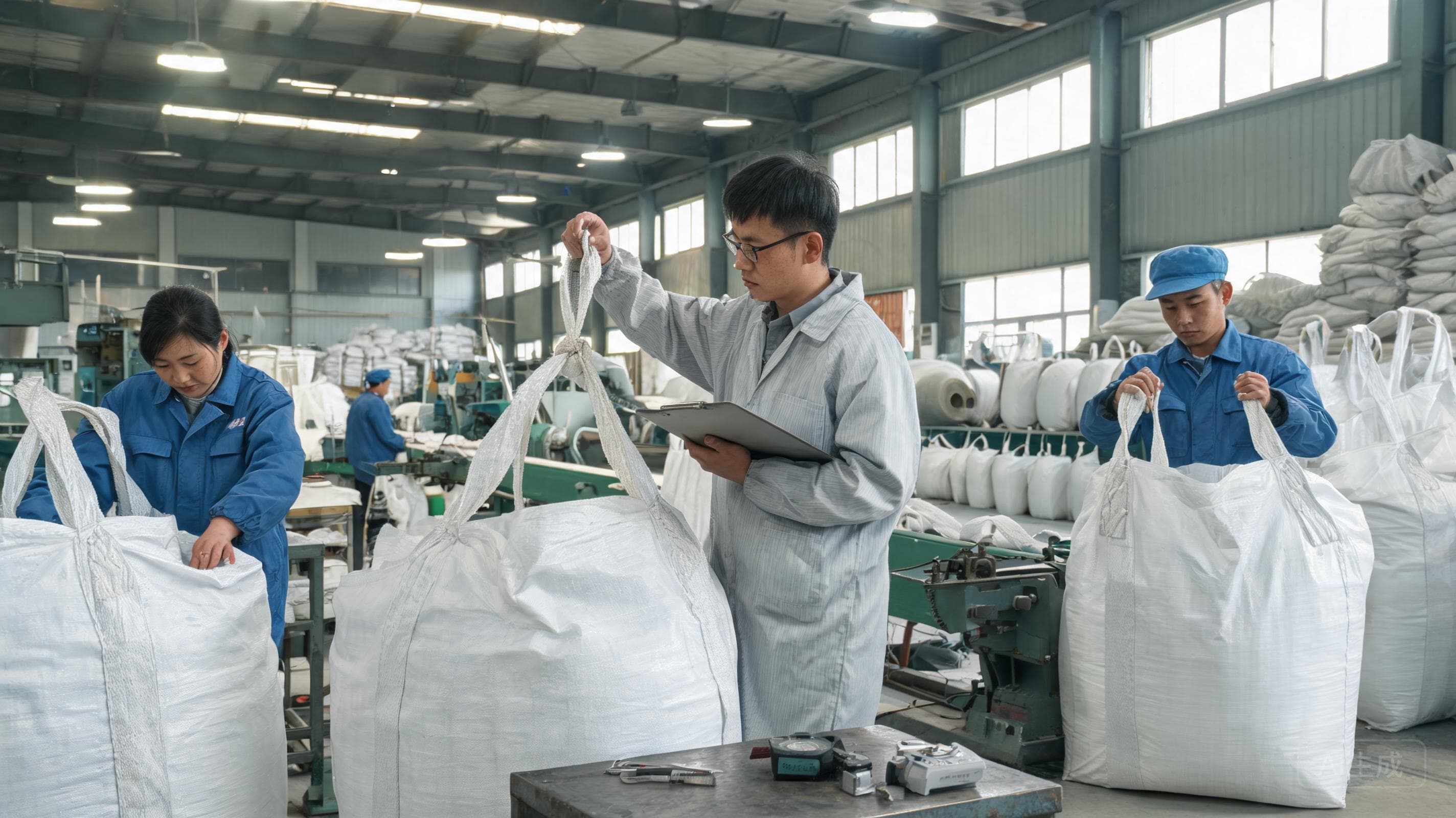
Choosing the Right FIBC Manufacturer: A Procurement Guide to Safer, More Reliable Bulk Packaging
Use this practical framework to define FIBC requirements, assess manufacturers, verify compliance, and run a controlled trial before committing to repeat orders.
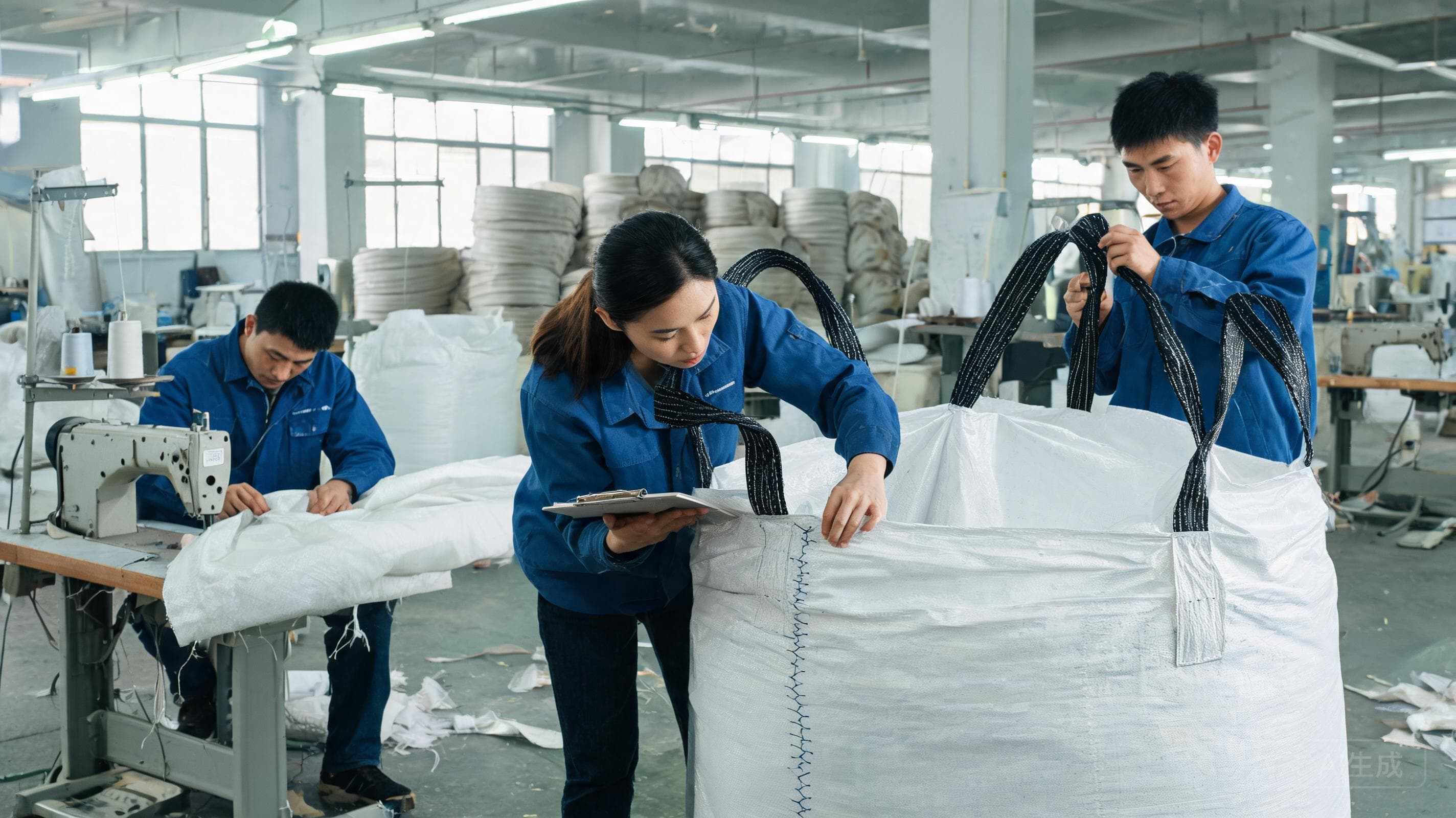
Choosing a FIBC Manufacturing Partner: Reduce Packaging Risk and Improve Supply Reliability
Learn how to specify FIBCs, assess manufacturer quality controls, and compare total costs. Use a practical RFQ checklist to reduce packaging risk and improve supply reliability.
Want to know more?
Get in touch with us for more information about our services and products.