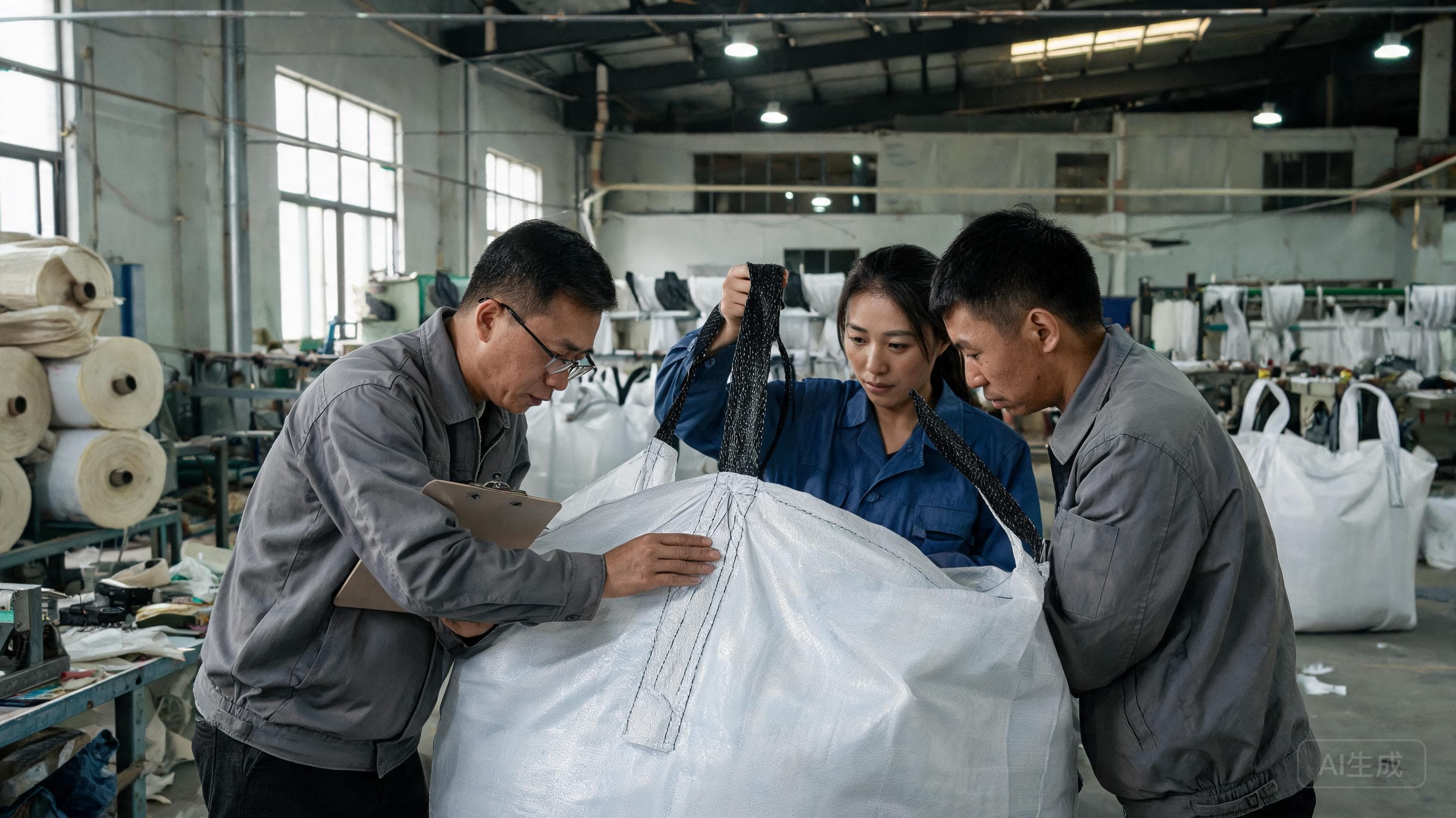
How to Choose a FIBC Manufacturer That Reduces Packaging Risk and Supports Growth
RUNCHEN
AuthorWith more than 25 years of experience in FIBC bulk bag manufacturing and sales, RUNCHEN operates its own production facility with stable batch capacity. We specialize in FIBC bulk bags, jumbo bags, ton bags, and customized industrial packaging solutions.
Packaging decisions affect safety, product integrity, and delivery
For bulk-material buyers, packaging problems rarely stay confined to the bag. A failure during lifting can put workers at risk; moisture or contamination can compromise product; changing compliance requirements can delay shipments; and late deliveries can interrupt production. Choosing a supplier that can meet product specifications and delivery commitments is a commercial priority.
The breadth of issues discussed across the packaging sector reflects a complex, evolving landscape. The 2025 WEPACK World Packaging Industry Expo was expected to bring together more than 100 packaging experts to address over 300 packaging challenges. This signals the range of topics facing the industry, not an endorsement of any specific supplier or product.
Choosing a flexible intermediate bulk container (FIBC) manufacturer is therefore about more than comparing unit prices. Bag design, material selection, quality controls, and traceability can all affect worker safety, product integrity, and the total cost of filling, storing, and delivering goods.
Use this guide to evaluate manufacturers and identify a suitable bag configuration before requesting a quote.
Start with the load, filling process, and handling conditions
Begin supplier discussions with your application, not a product name. Document the bag’s contents, target filling weight, and the material’s bulk density and flow characteristics. Note any sensitivity to moisture, contamination, or static electricity, along with other conditions that may affect safe filling, storage, or discharge.
Map the bag’s entire operating journey: filling, lifting, transport, storage, and discharge. Include the equipment used at each stage, whether bags will be stacked or moved by forklift, and whether reuse is expected. These details can affect dimensions, lifting-loop configuration, liner or coating requirements, and discharge design.
Specify the safe working load (SWL) and safety factor required for the intended use. Rather than selecting a generic catalog bag based on dimensions alone, ask the manufacturer to assess the design against your material, equipment, handling practices, and operating environment. Document foreseeable hazards and applicable standards so design assumptions can be reviewed early.
Match bag construction to the application and risk profile
Different applications call for different FIBC configurations. Consider these COSEK product options against your requirements:
- COSEK White UN Certified Dangerous Goods FIBC Bulk Bag: A potential option for regulated hazardous-material transport. Verify the bag’s current certification, permitted use, and compatibility with the specific material and transport requirements. A product name alone does not establish suitability for a particular shipment.
- COSEK Brown Square Bottom FIBC Bulk Bag: A square-bottom format to assess where a stable shape may suit your filling, storage, or handling setup. Confirm dimensions and construction against your equipment and warehouse requirements.
- COSEK White General-Purpose FIBC Bulk Bag: A potential fit for routine bulk-material packaging when the application does not require specialized hazardous-goods or electrostatic protection.
- COSEK Black Anti-Static Bulk Bag for Cleanroom Electronic Components Packaging: An option to evaluate for sensitive electronic components and other applications where static control matters. Confirm the required electrostatic protection class, product compatibility, and handling procedures with the supplier.
These product names indicate potential application categories; they do not replace technical review. Base the final selection on verified specifications and a clear understanding of operating conditions.
Assess supplier quality, safety, and production controls
Ask the manufacturer to explain its controls throughout production, including incoming materials, fabric weaving, cutting, sewing, printing, inspection, and finished-goods release. Understand how the supplier prevents defects, detects them, and manages products that do not meet requirements.
Request evidence relevant to your application, such as inspection plans, traceability practices, batch documentation, test methods, and procedures for handling nonconforming products. Confirm what documentation will accompany your order and whether test reports apply to the specific bag construction and intended use.
Factory safety is another part of supplier due diligence. Ask how the manufacturer identifies and manages production-floor hazards and maintains safety responsibilities across its operations.
Where responsible sourcing is part of your procurement standards, ask how the supplier addresses worker welfare and heat-related risks. GOTS implementation material, for example, refers to monitoring conditions and preparing first-aid facilities for heat-related emergencies. Use this as a prompt for responsible-sourcing questions, not as evidence that an FIBC facility is GOTS-certified.
Request current certificates and test reports that apply to your specific configuration and use case. Broad or outdated claims are not a substitute for documentation you can verify.
Compare total cost of ownership, not just purchase price
Compare more than the quoted bag price. Account for minimum order quantities, tooling or customization costs, freight, inspection, storage, and the potential cost of damaged product or rejected loads. A lower unit price may not represent better value if the design does not suit your equipment or the supplier cannot meet your delivery schedule.
Fit-for-purpose design and consistent production can help reduce avoidable handling problems, product loss, and supply interruptions. Ask how proposed configurations may affect filling speed, warehouse or pallet utilization, discharge performance, and integration with existing equipment.
Avoid relying on generic return-on-investment promises. Instead, ask suppliers to estimate potential savings using your order volumes, failure rates, labor costs, and logistics data. This gives your team a more relevant basis for comparing options.
Use market signals to inform supplier conversations
Packaging events such as the 2025 WEPACK World Packaging Industry Expo reflect ongoing attention to challenges and innovation across sectors. Ask suppliers how they keep up with changes in materials, equipment compatibility, and customer requirements; an event is not proof that a particular solution will improve performance.
An Advantage Austria business overview provides context on Austria–China commercial activity. Buyers assessing international sourcing relationships can use that background to frame questions about cross-border communication, documentation, and business continuity. It is not direct evidence of FIBC market performance.
A market forecast for bulk bag discharge equipment cites a projected growth rate of 3.20% through 2032. This is an adjacent-market indicator, not a forecast of FIBC demand. Before using it in an investment decision, verify the report’s scope, geography, and methodology.
Use these signals to shape practical questions: Will the bag work with current or planned discharge equipment? How will technical requirements be confirmed across borders? What production capacity and lead-time visibility can the manufacturer provide? How will supply continuity be managed if volumes change?
Build an RFQ that produces useful answers
A detailed request for quotation (RFQ) makes supplier proposals easier to compare. Include:
- Material characteristics, target filling weight, and required bag dimensions
- Safe working load and safety factor
- Construction preferences, liner or coating requirements, and printing details
- Filling method, lifting method, transport, storage, and discharge requirements
- Delivery destination, forecast volumes, and expected ordering frequency
- Intended use and any regulatory, hazardous-goods, or electrostatic requirements
Ask each manufacturer to identify assumptions and exclusions, available test documentation, sampling options, production lead time, and proposed quality acceptance criteria. This can reveal design constraints before they affect production or delivery.
Request comparable quotations for configurations relevant to your operation. Ask the supplier to assess the COSEK White UN Certified Dangerous Goods FIBC Bulk Bag, COSEK Brown Square Bottom FIBC Bulk Bag, COSEK White General-Purpose FIBC Bulk Bag, or COSEK Black Anti-Static Bulk Bag for Cleanroom Electronic Components Packaging only when the application supports that option. A single undifferentiated price is unlikely to answer the technical and commercial questions that matter.
Validate the supplier before making a buying decision
Use a staged evaluation instead of relying on a quotation alone. Begin with a technical review, then assess a sample or pilot order if appropriate. Verify the production order against approved specifications and review performance after delivery using documented results.
Define acceptance criteria before placing the order. These may cover dimensions, visual quality, required documentation, packaging, and application-specific tests. Agree how results will be assessed and what happens if a shipment does not meet the criteria.
Where available, review references or documented case material. Responsible-sourcing material such as GOTS implementation guidance and business context such as the Advantage Austria overview can inform questions about practices and international commercial relationships. Neither is proof of customer return on investment or certification of a particular FIBC supplier.
COSEK can review your application details, discuss technical requirements, and recommend a product option for quotation. Confirm any recommendation against your specifications and operating conditions.
Request a FIBC recommendation for your operation
The right FIBC decision brings together application fit, verified compliance, manufacturing controls, delivery capability, and total cost of ownership. Share your material, load, handling, and delivery requirements to identify a suitable configuration and receive a relevant quotation.
Whether you are evaluating the COSEK White UN Certified Dangerous Goods FIBC Bulk Bag, COSEK Brown Square Bottom FIBC Bulk Bag, COSEK White General-Purpose FIBC Bulk Bag, or COSEK Black Anti-Static Bulk Bag for Cleanroom Electronic Components Packaging, start with the use case and confirm specifications before finalizing the design.
Related News
Other news you might be interested in
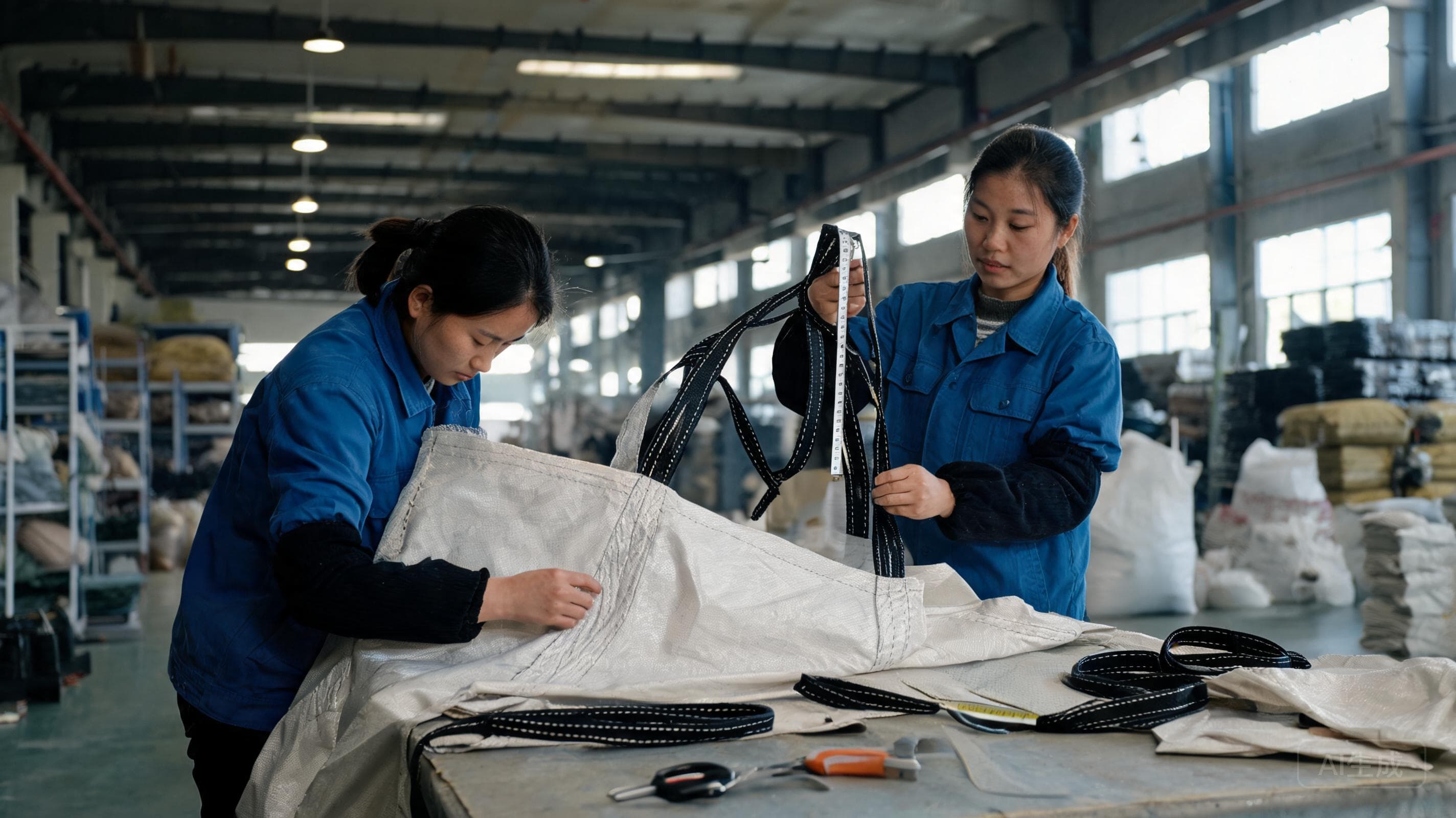
Choose the Right FIBC Bulk Bag Supplier for Safer, More Reliable Packaging
Compare FIBC designs, supplier capabilities, safety requirements, and total costs. Use a practical checklist to validate samples and request a quote tailored to your operation.
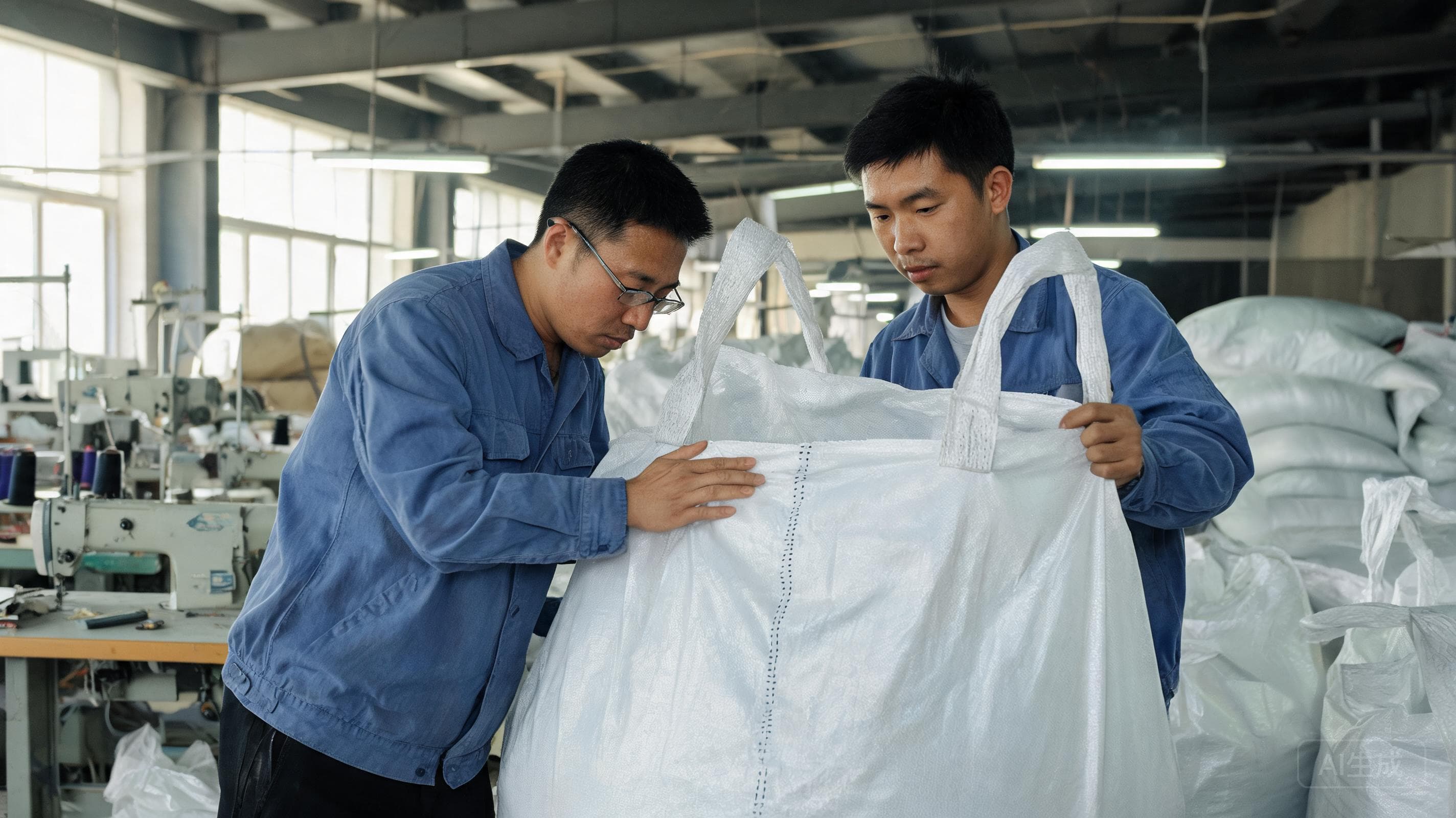
Choosing the Right FIBC Supplier: A Practical Guide to Safer, More Reliable Bulk Packaging
Compare FIBC options, supplier capability, documentation, and application fit. Use this practical checklist to prepare a clear brief and validate your choice before scaling an order.
Want to know more?
Get in touch with us for more information about our services and products.