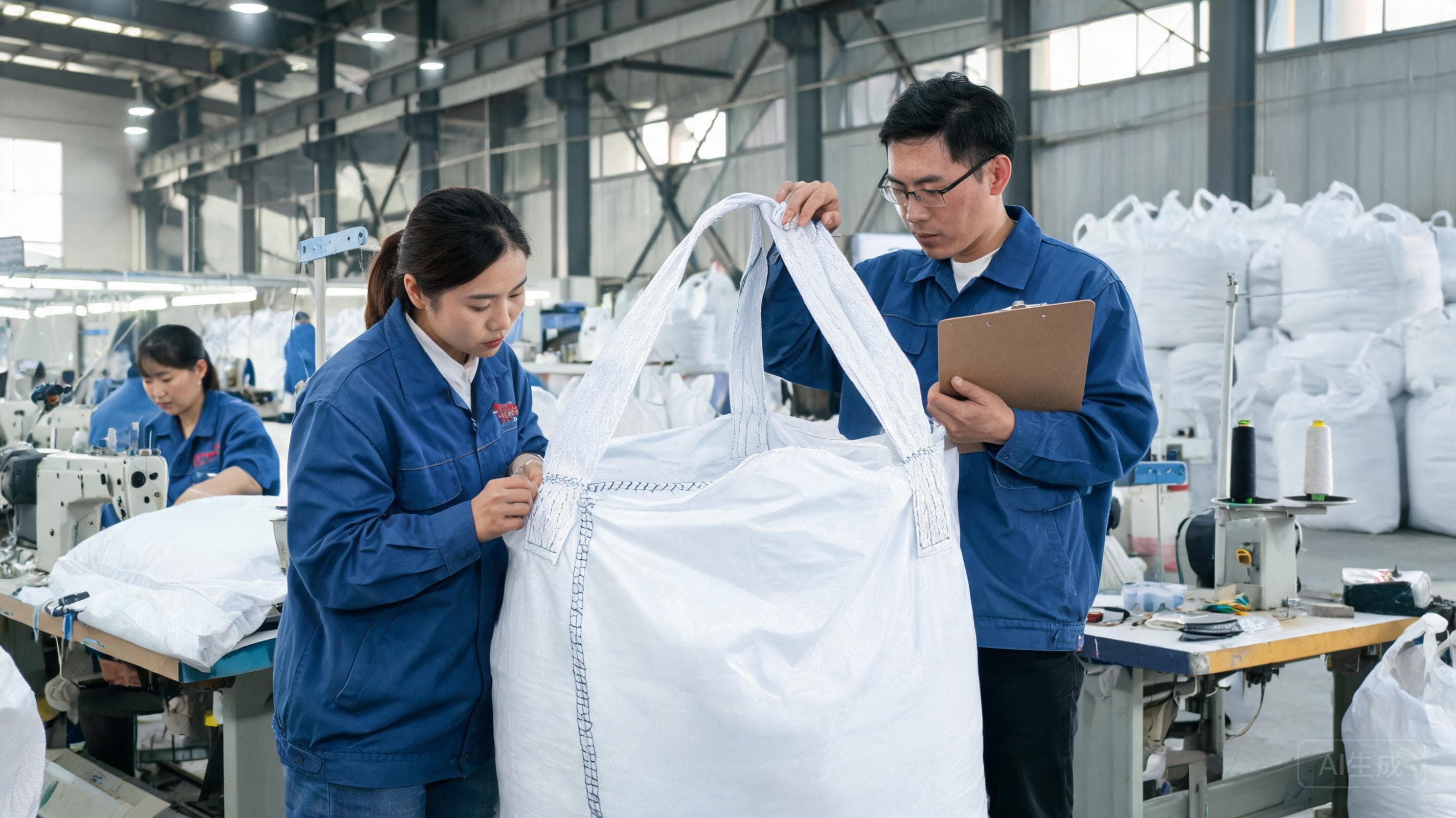
How to Choose a FIBC Manufacturing Partner That Reduces Risk and Improves Supply Reliability
RUNCHEN
AuthorWith more than 25 years of experience in FIBC bulk bag manufacturing and sales, RUNCHEN operates its own production facility with stable batch capacity. We specialize in FIBC bulk bags, jumbo bags, ton bags, and customized industrial packaging solutions.
Why FIBC sourcing decisions require careful evaluation
Choosing a flexible intermediate bulk container (FIBC) supplier involves more than finding the lowest price per bag. Inconsistent quality, contamination concerns, production delays, workplace safety risks, and unverified supplier claims can disrupt operations and affect customers.
Packaging decisions for bulk shipments involve many variables. Industry event materials have cited more than 100 packaging experts addressing over 300 packaging issues—a reminder of how many factors buyers may need to consider. When a bag does not fit the product or process, the consequences can include lost product, delayed shipments, customer complaints, and additional inspection or rework costs.
A dependable manufacturing partner helps you assess these risks before they reach the production line. Use this guide to evaluate technical fit, quality controls, and supply reliability—not just the quoted unit price.
Start with the application, product, and handling requirements
Before comparing bag designs, define what the FIBC needs to do. Share information about the material being packed, including its density, flow characteristics, moisture sensitivity, and any food-contact or contamination-control requirements. Clarify whether dust, leakage, or product exposure during filling and discharge presents a particular risk.
Map the full handling route: filling, lifting, storage, transport, discharge, and reuse, if applicable. Note operating conditions such as temperature, humidity, and outdoor exposure, along with the equipment used at each stage. These details help a manufacturer assess the bag’s construction, fabric, liner, closures, and lifting features against actual use—not assumptions based on nominal capacity.
A qualified manufacturer should review these requirements with you and identify questions or risks before recommending a specification.
Match bag design to operational risk
Bag dimensions, safe working load, safety factor, fabric selection, lifting loops, and filling and discharge features all affect performance. A mismatch can create problems with filling equipment, material flow, lifting, or storage. Ask the manufacturer to explain how the proposed design addresses your load and handling conditions, and request application-specific samples where appropriate.
A COSEK Small Bulk Bag may be worth evaluating for lower-volume materials or handling environments with space or equipment constraints. For applications where cylindrical form and leakage control are priorities, discuss the COSEK White Cylindrical Leak-Proof Bulk Bag. Suitability for either product depends on the material, load, operating conditions, and required specifications.
Do not select a bag by appearance or stated capacity alone. Request a technical review and agree on how samples will be evaluated in your process.
Build food-contact and contamination controls into the specification
When food-contact packaging is required, confirm the scope of the supplier’s claims. Review documentation for the specific product and manufacturing process, and ask about material traceability, production hygiene, storage practices, and controls against cross-contamination.
A food-grade claim should be supported by relevant documentation; it is not a blanket guarantee for every product or application. Your review may include specifications, declarations, relevant test reports, and procedures for managing changes to materials or manufacturing processes.
The COSEK White and Red Food-Grade Bulk Bag can be assessed when food-grade packaging is needed. Before ordering, confirm that its documented suitability aligns with your product, handling conditions, and compliance requirements.
Evaluate safety, quality, and manufacturing discipline
Ask how the manufacturer controls incoming materials, fabric and stitching quality, bag dimensions, lifting components, inspections, and finished-goods release. Look for clear acceptance criteria and a defined process for handling nonconforming products.
Factory safety is also an important part of supplier evaluation. Ask how the manufacturer identifies hazards, safeguards equipment, trains workers, and prepares for emergencies. Standards and responsible working conditions matter, but evidence must be relevant: certification material that does not apply to FIBC production does not prove that a particular bag meets your requirements.
Where possible, request audit evidence and examples of corrective actions. A supplier’s response to defects can show how effectively it identifies root causes and prevents repeat issues.
Confirm the supply model can support continuity and growth
Product quality is only one part of supply reliability. Review production capacity, lead times, order flexibility, raw-material sourcing, inventory options, and contingency planning. Discuss how forecasts, agreed specifications, and regular communication can help reduce urgent orders and prevent stockouts.
The COSEK Light Blue Integrated FIBC can be a starting point for a conversation about integrated design requirements, customization, and consistency across repeat orders. Ask potential suppliers how they manage specification changes, seasonal demand peaks, and quality controls as order volumes grow.
Compare total cost of ownership—not only price per bag
A lower purchase price may not result in a lower overall cost. Consider filling speed, handling efficiency, storage utilization, product loss, damage rates, disposal or reuse requirements, and the administrative time spent resolving quality or delivery issues.
Leakage, downtime, rework, rejected shipments, or inconsistent dimensions can quickly outweigh a small difference in unit price. A pilot order helps test assumptions before a larger commitment. Agree on evaluation criteria in advance, such as fit with existing equipment, handling performance, defect rate, and delivery reliability.
Ask for customer references or application examples comparable in material, operating conditions, and scale. Context matters: results from a different product or process may not predict performance in yours.
Use evidence carefully when assessing supplier credibility
Distinguish independently verifiable performance data from broad claims, promotional materials, and case studies without context. Available research references include Austrian Business in China materials and a 2023 Joincare Pharmaceutical Group reference, but they provide no specific FIBC performance or return-on-investment figures to substantiate supplier claims.
Before relying on claimed savings, request permissioned case studies that identify the application, baseline, measurement period, and outcomes. Treat certifications, test results, and customer references as useful evidence only after confirming their scope, validity, and relevance to the proposed bag.
Prepare a shortlist with a practical evaluation checklist
A clear specification pack makes supplier responses easier to compare. Include product requirements, handling conditions, compliance needs, expected order volumes, delivery expectations, and required documentation.
Score potential partners on technical fit, quality systems, traceability, responsiveness, capacity, delivery performance, and total-cost potential. Ask about sample availability, testing support, customization, minimum order quantities, and escalation procedures for quality or supply issues.
Before requesting a final quotation, invite shortlisted manufacturers to review the application and flag design or process risks. Their questions—and how clearly they explain their recommendations—can help you assess the quality of the working relationship.
Move from evaluation to a lower-risk sourcing decision
A disciplined FIBC sourcing process follows a clear path: define the application, validate technical and compliance requirements, review manufacturing controls, run a pilot, and confirm supply terms. This approach helps protect product integrity, support production continuity, and make packaging costs more predictable.
Prepare your material, load, handling, and compliance requirements, then contact COSEK to request a product review and quotation. Ask about sample availability and whether the COSEK Light Blue Integrated FIBC, COSEK Small Bulk Bag, COSEK White and Red Food-Grade Bulk Bag, or COSEK White Cylindrical Leak-Proof Bulk Bag may fit your application.
Related News
Other news you might be interested in
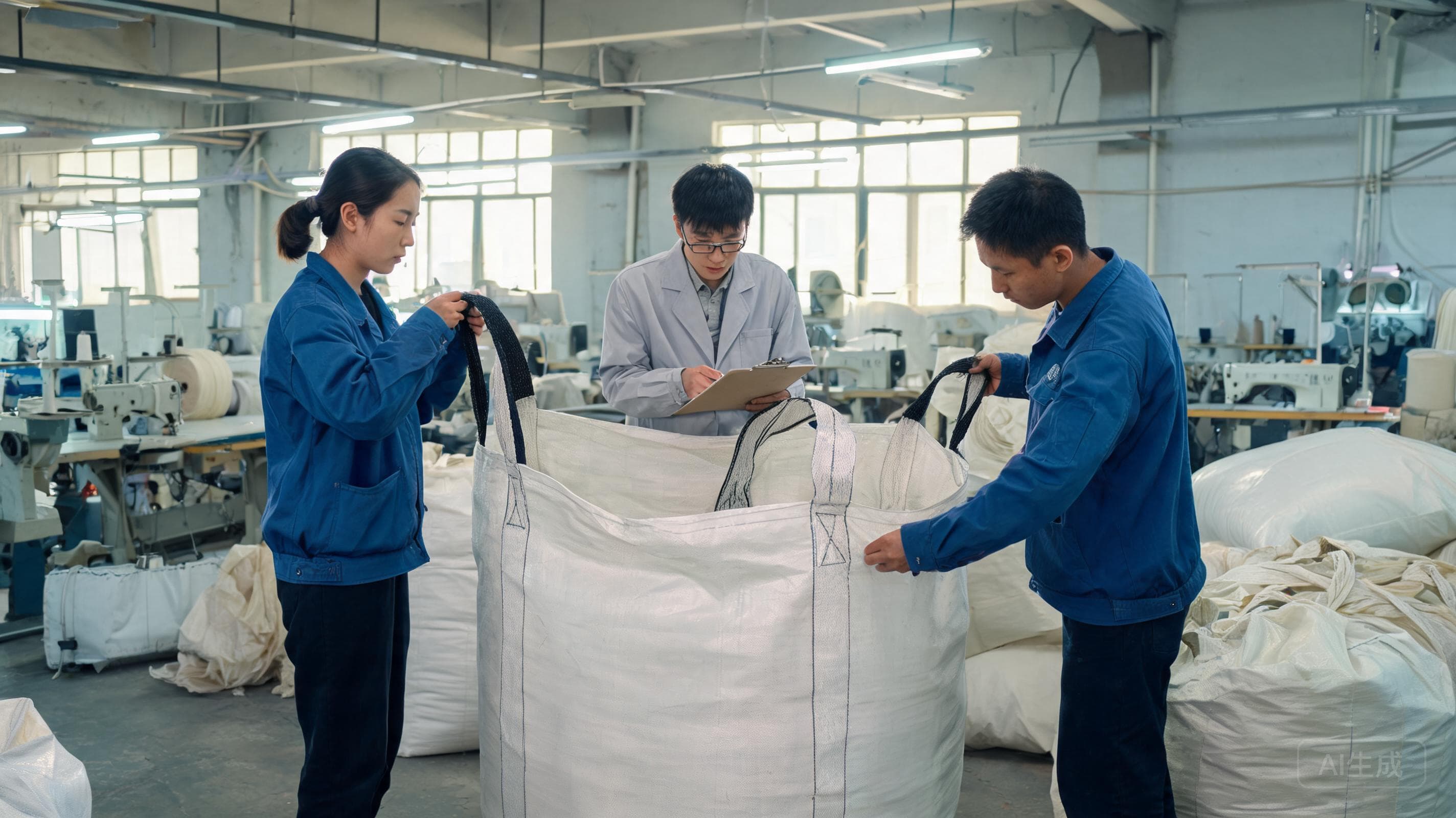
How to Choose a FIBC Manufacturer for Safer, More Reliable Bulk Packaging
Evaluate FIBC manufacturers by application fit, safety evidence, quality controls, delivery reliability, and total operating value. Use a clear brief to request a comparable quote.
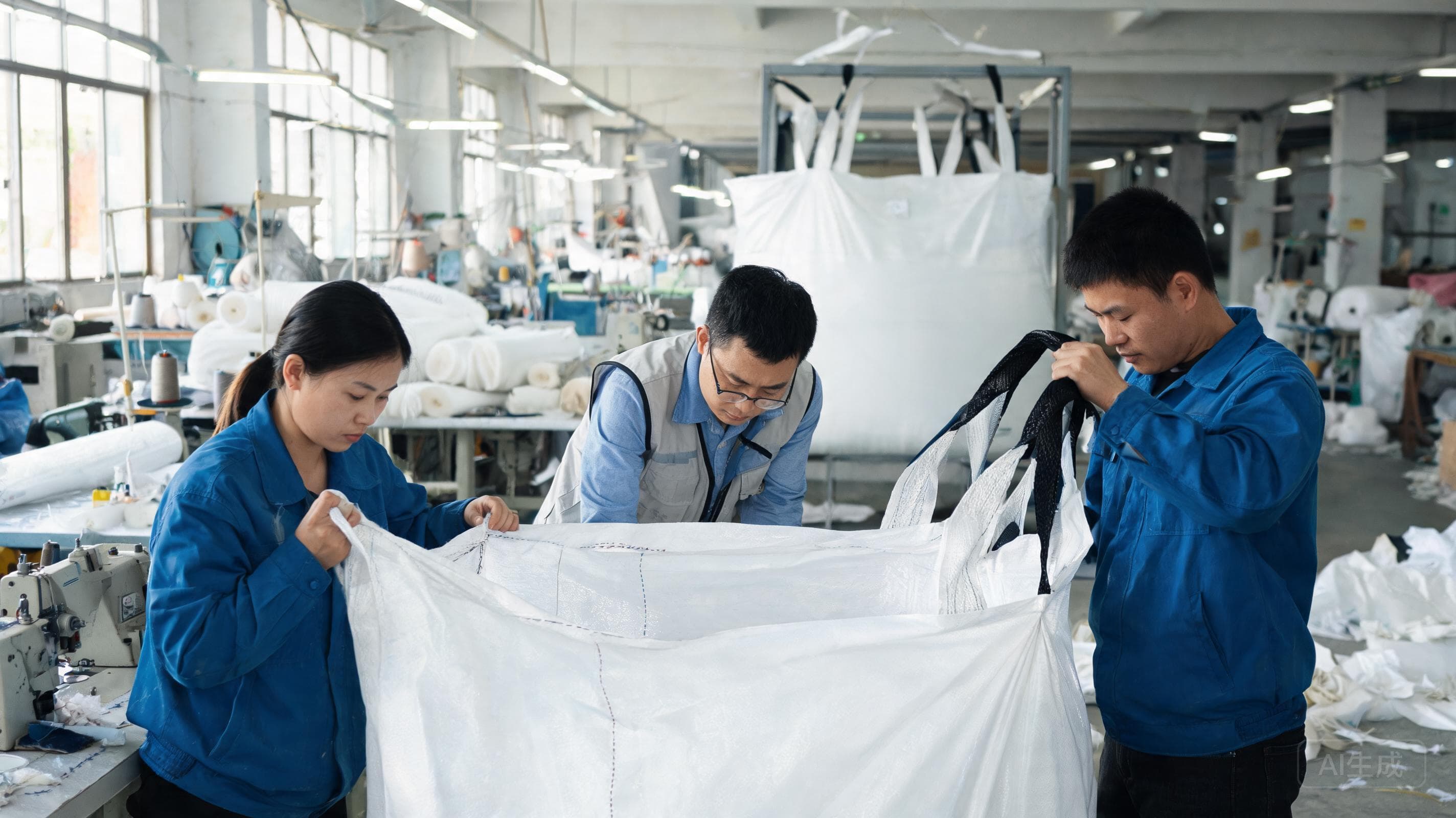
How to Choose the Right FIBC Bulk Bag for Safer, More Reliable Packaging Operations
Use this practical guide to match FIBC construction, handling, safety, and documentation requirements to your product and process—and prepare for a focused supplier quote.
Want to know more?
Get in touch with us for more information about our services and products.