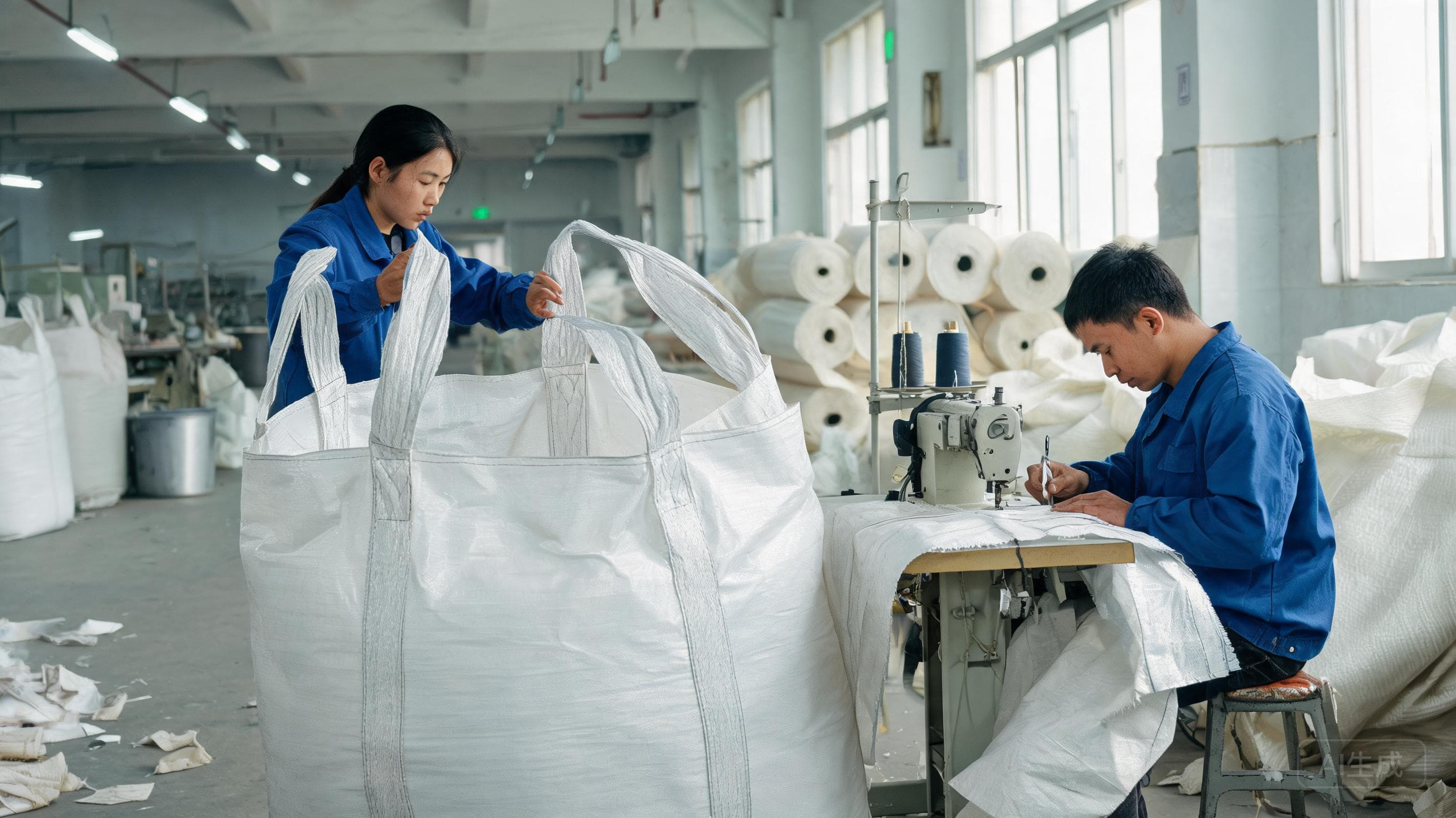
How to Choose a Reliable FIBC Manufacturer for Safer, More Efficient Bulk Packaging
RUNCHEN
AuthorWith more than 25 years of experience in FIBC bulk bag manufacturing and sales, RUNCHEN operates its own production facility with stable batch capacity. We specialize in FIBC bulk bags, jumbo bags, ton bags, and customized industrial packaging solutions.
The cost of getting bulk packaging wrong
Procurement and operations teams must protect product quality, prevent handling incidents, meet delivery schedules, and control total packaging costs. When a bulk bag does not fit the process, the effects can extend beyond the packaging budget: filling may slow, storage may become less efficient, product may be damaged or lost, and workers may face avoidable risks.
These concerns span the packaging sector. The 2025 WEPACK World Packaging Industry Expo brought together more than 100 packaging experts to address over 300 packaging issues, reflecting demand for practical solutions.
Choosing a flexible intermediate bulk container (FIBC) manufacturer is a business decision, not just a bag-specification exercise. Bag design affects filling, lifting, transport, storage, discharge, worker safety, and product integrity. Use this guide to assess suppliers and match an FIBC to your operation. You can also request a specification review or quote based on your requirements.
Start with the load, product, and handling process
Before comparing manufacturers or product names, define what the bag must contain and how it will be used. Share the material, bulk density, flow characteristics, moisture sensitivity, and any contamination or electrostatic risks. These details can affect fabric selection, liners, openings, and discharge design.
Map the bag’s full journey: how it will be filled, which equipment will lift it, how it will be transported, whether it will be stacked, how it will be discharged, and how the end user will handle it. A bag that performs well at the filling station may not be suitable for the rest of the process.
Confirm the required safe working load (SWL), safety factor, dimensions, lifting-loop configuration, filling and discharge options, and liner requirements. If a requirement is unknown, flag it for discussion rather than guessing. A manufacturer that reviews the application before finalizing a design can help identify gaps early. Incomplete specifications can lead to poor fit, operating delays, or unnecessary costs.
Match bag construction to the application
Evaluate fabric weight, seams, coating, reinforcement, bag shape, and opening or discharge features against the load and working conditions. Consider how the bag will be filled and stacked, which surfaces it may encounter, and whether it needs additional protection during transport.
A COSEK Brown Square Bottom FIBC Bulk Bag may be worth discussing when a stable square-bottom format suits the filling, storage, or palletizing workflow. A Yellow Reinforced FIBC Bag may suit applications where reinforced construction and a distinctive color support handling or identification. For demanding handling conditions, discuss whether the COSEK Tear-Resistant FIBC Bulk Bag is appropriate for the material, load, and transport environment.
These product names are starting points for a specification discussion, not substitutes for one. Confirm dimensions, load rating, construction, and handling requirements with the supplier before selecting a design.
Address static, cleanliness, and product-protection requirements
If your operation handles combustible dust or sensitive electronic components, assess electrostatic hazards before selecting an FIBC. Determine whether the application requires a particular bag type and a defined grounding procedure. An anti-static bag does not replace a documented risk assessment, safe handling practices, or appropriate grounding and testing.
The COSEK Black Anti-Static Bulk Bag for Cleanroom Electronic Components Packaging is an option to discuss for electronic-component packaging. Its suitability depends on application-specific static-control and cleanliness requirements, so confirm these with the manufacturer and your internal safety and quality teams.
For food, pharmaceutical, or other sensitive products, verify cleanliness controls, liner requirements, traceability, and applicable customer or regulatory requirements before ordering. Confirm that the supplier’s proposed controls apply to the product and facility involved, rather than relying on a general product-category claim.
Evaluate supplier quality, safety, and production controls
Ask how the supplier controls and documents incoming materials, fabric production, sewing, inspection, and finished-bag release. Discuss traceability, defect management, sample approval, and corrective action when a specification is not met. You need to know not only what the approved design is, but also how the manufacturer keeps production aligned with it.
Include factory safety in your supplier review. Manufacturing risks can include hazards around equipment such as robotic arms and the need for safe operating procedures. In hot working conditions, ask how worker well-being is monitored and how first-aid facilities are prepared to respond to heat-related emergencies. Relevant GOTS implementation guidance also highlights these measures.
Request evidence appropriate to your application, such as test reports, inspection records, process documentation, or certifications. Verify the scope, product, and facility covered by each document. A certificate or report is useful only when it is relevant to the FIBC and manufacturing operation being assessed.
Look beyond unit price to total cost and operational impact
A low unit price does not necessarily mean a low-cost packaging solution. Compare landed cost alongside expected bag performance, filling and discharge efficiency, storage utilization, handling labor, and the potential consequences of product loss or downtime.
Request a transparent quotation that identifies the specification, printing, liners, testing, packaging, shipping terms, and any tooling or minimum-order requirements. Comparing suppliers on the same basis makes it easier to identify costs that might otherwise emerge later.
When the volume or risk justifies validation, run a controlled trial against your current bag. Track relevant measures such as damage rates, handling time, filling performance, and customer feedback. Establish baseline metrics and agree in advance how return on investment will be evaluated. Measure performance under your operating conditions before a full rollout.
Use market signals to plan sourcing and capacity
Packaging events such as WEPACK can help buyers identify emerging requirements and learn about supplier capabilities. Treat them as useful context; base supplier selection on verified product and factory evidence.
Advantage Austria’s business coverage of China can provide context on cross-border trade and supplier relationships. Independently assess the logistics, communication, and commercial terms relevant to your sourcing route.
A market forecast for bulk bag discharge equipment reports projected growth of 3.20% through 2032. Treat this as a directional signal of interest in bulk-handling solutions, not a guarantee of demand for any individual buyer or FIBC product. For your supply plan, discuss forecast lead times, production capacity, material availability, and contingency options with shortlisted manufacturers before committing.
Build a supplier scorecard before requesting proposals
A supplier scorecard turns broad expectations into a consistent comparison. Assess candidates on application understanding, engineering support, quality controls, relevant product experience, communication, lead time, and total cost. Weight each criterion according to your operation’s risks and priorities.
Give every manufacturer the same specification so proposals can be compared on equivalent dimensions, SWL, fabric, construction, testing, and delivery terms. Request samples or a production trial when the potential risk, volume, or performance requirements justify additional validation.
Agree on how changes will be approved. Changes to materials, construction, dimensions, or production location should follow a clear review and approval process.
What credible proof of performance looks like
Ask for application-relevant case studies that explain the original challenge, bag specification, implementation, and measured outcome. Useful indicators might include changes in damage frequency, handling time, product loss, or packaging-related downtime.
If customer details cannot be shared, request anonymized evidence or a reference involving a similar material and handling process. Published industry materials, including GOTS implementation guidance and Advantage Austria business coverage, can provide context; they do not prove the performance of a particular manufacturer.
Promotional claims and event materials are not enough on their own. Confirm that performance evidence relates to the proposed design and operating environment, and ask how results were measured.
Questions to ask an FIBC manufacturer before placing an order
- What information do you need to recommend a bag design for our product and handling process?
- How do you verify SWL, construction, dimensions, and consistency between approved samples and production orders?
- What testing, inspection records, or certificates can you provide for this application?
- How do you manage sample approval, specification changes, production updates, and nonconforming product?
- What are the realistic production and shipping lead times, minimum order quantities, and options for repeat orders?
- Based on our requirements, which option would you recommend: the COSEK Brown Square Bottom FIBC Bulk Bag, Yellow Reinforced FIBC Bag, COSEK Tear-Resistant FIBC Bulk Bag, or COSEK Black Anti-Static Bulk Bag for Cleanroom Electronic Components Packaging?
Turn packaging requirements into a qualified supply plan
A sound sourcing decision starts with a clear application, confirmed safety and compliance needs, validated construction, assessed factory controls, and a total-cost comparison—not just a unit-price comparison. With these elements defined, your team can compare proposals confidently and reduce the risk of choosing a bag that does not work in practice.
Before contacting a manufacturer, prepare your material description, target load, bag dimensions, filling and discharge method, and destination. Request recommendations against those operating requirements, then decide whether a sample, technical consultation, or production trial is needed before ordering.
Related News
Other news you might be interested in
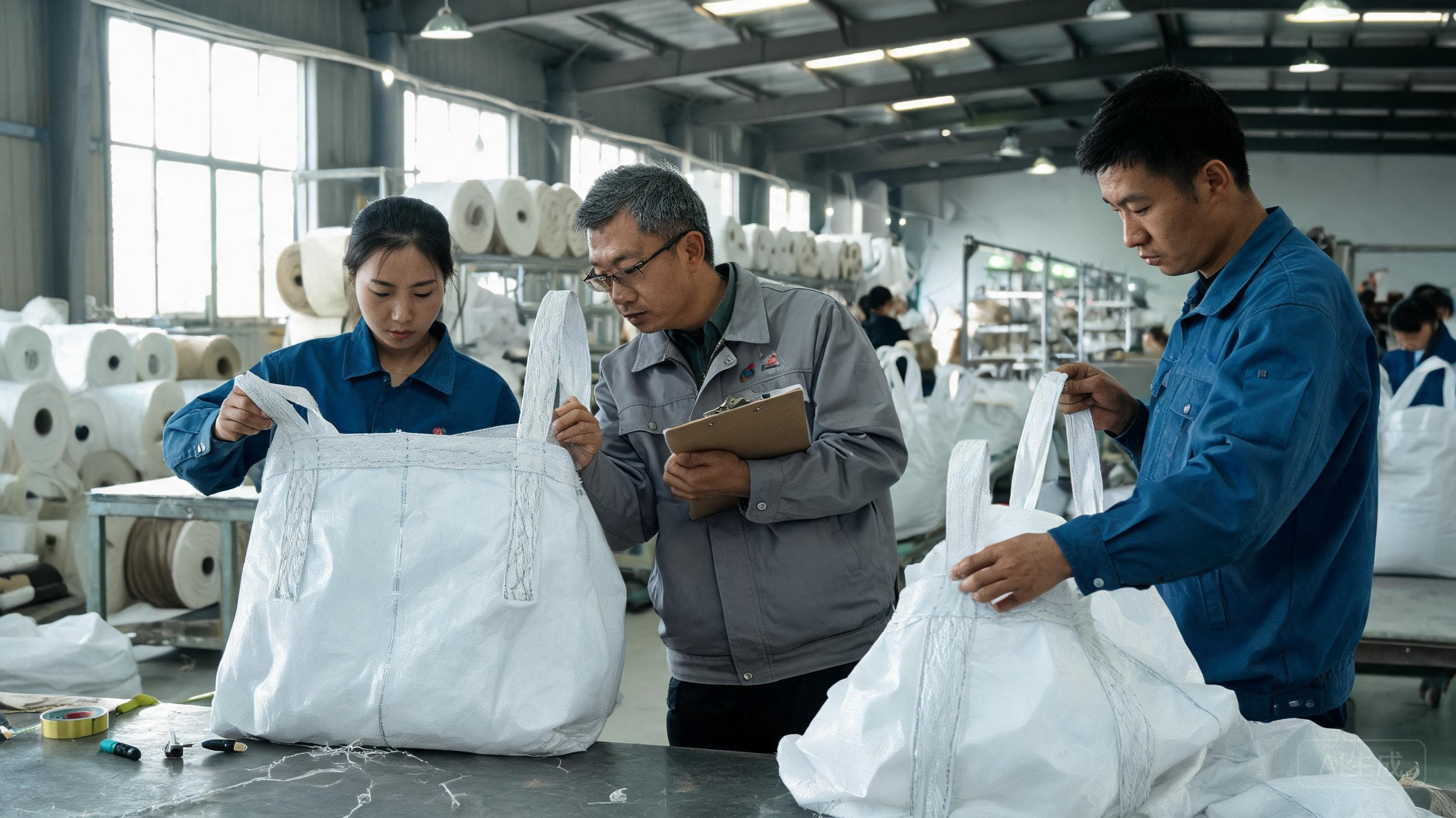
How to Choose a Bulk Bag Manufacturer That Protects Product Quality and Reduces Supply Risk
Compare FIBC design, quality controls, compliance evidence, and total cost with a practical sourcing framework—and request a specification-based quote from COSEK.

How to Choose a Reliable FIBC Bag Manufacturer for Safer, More Efficient Bulk Packaging
Compare FIBC manufacturers on application fit, quality controls, compliance, delivery, and total cost. Use this practical checklist to define requirements and plan your next order.
Want to know more?
Get in touch with us for more information about our services and products.