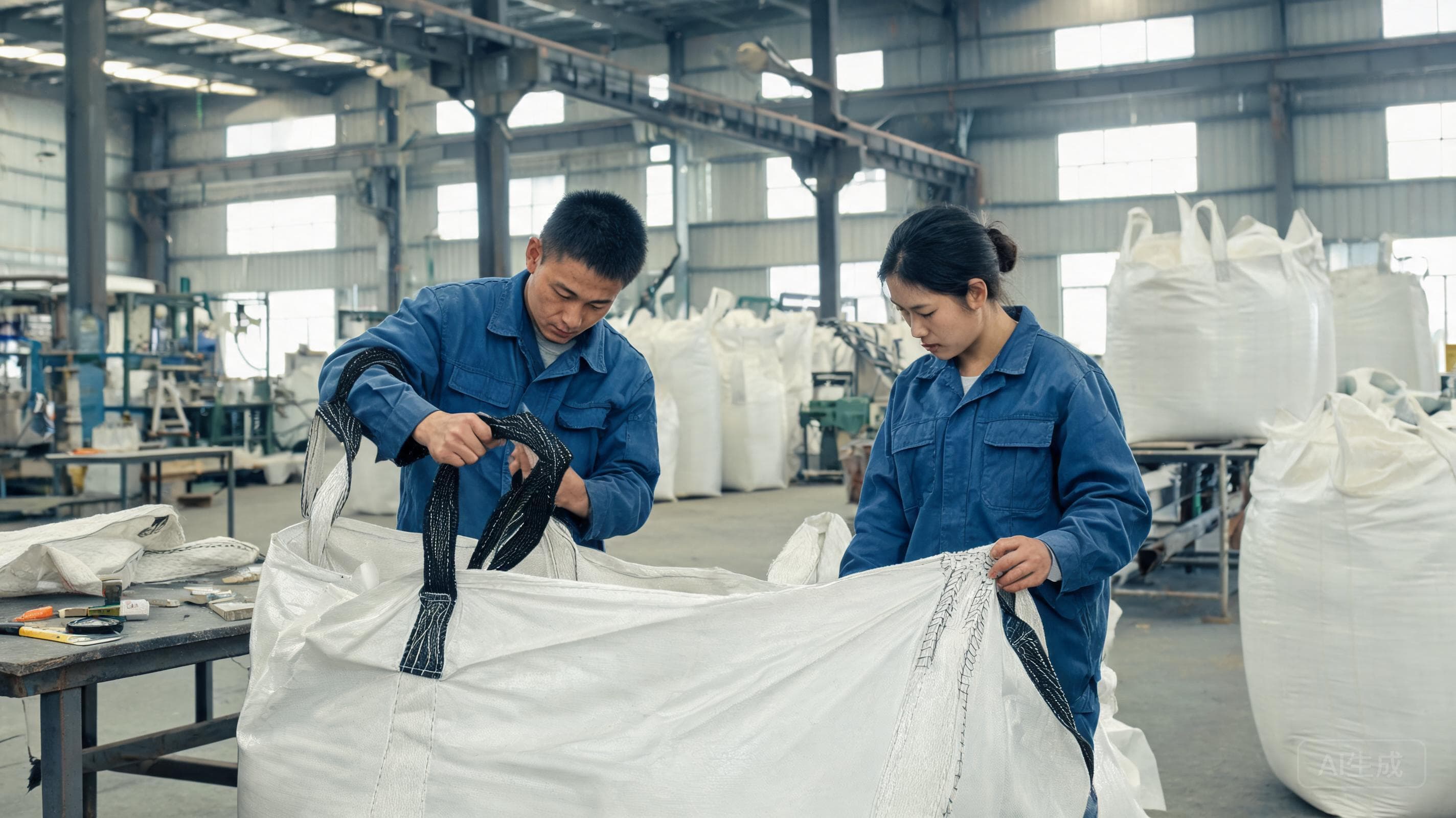
How to Choose FIBC Bulk Bags That Reduce Transit Risk and Support Reliable Supply
RUNCHEN
AuthorWith more than 25 years of experience in FIBC bulk bag manufacturing and sales, RUNCHEN operates its own production facility with stable batch capacity. We specialize in FIBC bulk bags, jumbo bags, ton bags, and customized industrial packaging solutions.
Protecting bulk shipments in a demanding logistics environment
Procurement and operations teams are under pressure to move more material with less tolerance for disruption. Tighter delivery windows, more handling points, and packaging failures can create costs well beyond the replacement value of a bag. Product loss, cleanup, rejected loads, production downtime, rework, expedited freight, and customer complaints can all follow when an FIBC bulk bag does not suit the application.
The broader logistics environment is also placing greater demands on packaging performance, supply reliability, and material efficiency. Discussions at the 2024 ISTA China Conference highlighted an express packaging industry entering the “100 billion parcels” era, alongside growing interest in circular packaging systems. This context is not a direct measure of FIBC shipments, but it reflects wider changes across distribution networks.
There is no universal bulk bag specification. A bag that works for one powder, granule, mineral, agricultural product, or industrial ingredient may not suit another. Product behavior, target load, filling process, lifting method, storage environment, transport route, and unloading process all affect the right design. Selecting on price or a generic product description alone can increase total landed cost.
This guide explains how to match FIBC bulk bag design and manufacturing capability to the conditions that matter in your operation. The goal is to reduce transit risk, improve handling consistency, and establish a supply arrangement that supports reliable production and delivery.
Start with the material, load, and handling conditions
Begin with a clear application profile. Before comparing bag types, define what will be packed and how the bag will move through your process. This gives the manufacturer the information needed to recommend a design based on operating conditions rather than assumptions.
Document key details about the packed material, including:
- Bulk density and target fill weight
- Particle size, flow behavior, and tendency to bridge or compact
- Moisture sensitivity and storage requirements
- Dust generation, contamination controls, and cleanliness expectations
- Whether the material requires airflow or protection from external humidity
- Relevant safety, regulatory, or customer-specific requirements
Then document how the bag will be filled, transported, stored, lifted, stacked, and discharged. A bag that performs well with one filling spout, forklift arrangement, or storage plan may not perform consistently in another environment. Confirm the fill weight, equipment, lift method, number of handling cycles, stacking configuration, warehouse conditions, and transport route before selecting a construction.
Identify the failure modes with the greatest operational cost. Seam damage or fabric tearing may be the main concern in one application; poor ventilation, unstable stacking, difficult forklift handling, moisture exposure, or inconsistent dimensions may matter more in another. The right FIBC bulk bag is designed to address the risks that are relevant to your product and process.
Ask suppliers to confirm which specifications, material selections, and test evidence apply to your intended use. A generic catalog description can be a useful starting point, but it should not replace an application-specific review.
Match bag construction to the job
Once the application conditions are defined, assess which construction features are appropriate. Reinforcement, fabric choice, ventilation, lifting configuration, liners, closures, and seams should be evaluated as parts of one complete system.
Internal reinforcement ton bag
An internal reinforcement ton bag may be appropriate when the application calls for added structural support. Consider this design for demanding loads, handling environments, or stacking requirements where shape retention and load support are important.
Before approving a reinforced design, confirm the reinforcement material, placement, attachment method, and intended performance role. Check that it works with your filling equipment, lifting method, discharge procedure, and product characteristics. Added structure can improve one aspect of performance while creating fit or handling considerations elsewhere, so review the design against the complete operating process.
COSEK Tear-Resistant FIBC Bulk Bag
Where abrasion, rough handling, or tearing is a priority, evaluate the COSEK Tear-Resistant FIBC Bulk Bag. Assess the construction rather than relying on the product name alone. Request information on fabric construction and weight, seam design, lift-loop integration, reinforcement features, and performance testing relevant to expected hazards.
Bags used with abrasive products, frequent equipment contact, multiple handling stages, or demanding loading conditions may require particular attention to fabric and seam performance. Ask the supplier to explain how the proposed construction addresses these risks and what evidence supports the recommendation.
COSEK Ventilated Bulk Bag
The COSEK Ventilated Bulk Bag may suit products that require airflow during storage or transport. Ventilation can be relevant for certain agricultural products, materials that retain heat or moisture, or goods that require air circulation to maintain suitable condition. However, airflow is not beneficial for every product.
Confirm that the ventilated construction suits the material’s moisture sensitivity, dust characteristics, contamination requirements, storage duration, and transport exposure. Assess whether ventilation could affect product loss, handling cleanliness, pallet storage, or protection from external weather.
Top-Lift Bulk Bag
Assess a Top-Lift Bulk Bag against the lifting equipment and handling procedures used throughout the supply chain. Confirm the lift-point configuration, loop dimensions, forklift tine compatibility, lifting angle, working practices, and whether the bag will be handled by forklift, crane, or other equipment.
Lifting features should support safe, repeatable operations. If different facilities, logistics providers, or end users will handle the bag, include their equipment limitations in the specification review. A design that is easy to lift at the packing plant but difficult to handle at the destination can still create transit and unloading risk.
No bag type is universally suitable. Select a design through a documented application review that considers the product, load, equipment, route, storage conditions, and applicable performance requirements together.
Verify performance before committing to a production order
Reliable bulk packaging starts with a specification that can be checked, produced consistently, and accepted objectively. Before placing a production order, request clear technical documentation for the proposed design.
Where relevant, the specification should cover:
- Bag dimensions and tolerances
- Fabric type, construction, and weight
- Safe working load and applicable safety factor
- Seam type, thread details, and seam configuration
- Lifting loops, lift-point arrangement, and reinforcement features
- Filling and discharge options
- Liners, coatings, ventilation features, and closure methods
- Printing, labeling, lot identification, and traceability requirements
- Packing, palletization, and shipment requirements
Technical specifications are only part of the evaluation. Ask how the manufacturer controls incoming materials, maintains production consistency, inspects finished bags, manages traceability, and isolates nonconforming product. A qualified supplier should explain its quality-control process and align documentation with your purchasing and inspection requirements.
Approve a prototype or sample before mass production. Use samples to check fit on filling equipment, verify lifting compatibility, review discharge performance, and assess handling under conditions that resemble real use. When feasible, run a pilot using the actual product and equipment planned for routine operations.
Transport-testing principles can help guide validation. ISTA methods may be relevant when they reflect actual shipment hazards, such as handling, vibration, compression, or distribution conditions. Select tests that match the route and operating environment; testing is most useful when it addresses the hazards the bag is expected to manage.
Before full production, establish acceptance criteria and documentation requirements. Define what will be inspected, how samples will be taken, what records must accompany delivery, and how deviations will be handled. This reduces ambiguity during final inspection and helps both buyer and supplier respond quickly to quality concerns.
Evaluate the supplier as well as the bag
A technically suitable bag is valuable only when the supplier can reproduce it consistently, deliver on schedule, and support changes as your operation evolves. Assess the manufacturer beyond the quoted unit price and initial sample.
Review production capacity, lead-time reliability, customization processes, quality documentation, communication speed, and the ability to manage specification changes. If demand varies by season, project schedule, or customer forecast, discuss production planning and order confirmation.
Ask for examples of comparable applications where appropriate. A supplier need not disclose confidential customer details, but should be able to demonstrate experience with similar products, load ranges, handling methods, or supply requirements. Confirm that the manufacturer has the process controls to reproduce the approved design from order to order.
Compare suppliers on total cost of ownership, not unit price alone. A lower-cost bag can become more expensive if it increases damage risk, slows filling, creates forklift handling issues, causes product loss, or leads to late replacement shipments. A carefully specified FIBC bulk bag may support steadier operations, less waste, and fewer supply-chain disruptions.
Ask the supplier to explain design trade-offs before finalizing the order. Reinforcement, ventilation, fabric selection, liners, lifting features, and closures can affect performance and cost. A capable manufacturing partner will explain these trade-offs and help you avoid both overspecification and inadequate protection.
Use market data carefully when building the business case
Market data can provide background on material flows and supply-chain demand, but it cannot prove FIBC performance. For example, a cited global aluminium industry report records metallurgical alumina output rising from 130.4 million tonnes in an earlier period. This may offer broad context for industrial materials markets, but it does not demonstrate demand for a particular FIBC design or prove its performance in a specific application.
Similarly, a reported 0.10% figure from a research-track source should not be attributed to bulk bag performance, savings, damage reduction, or customer outcomes without a verified definition, methodology, measurement period, and scope.
Build the strongest commercial case from your own operating baseline. Review:
- Damage rates and product loss
- Rejected or delayed loads
- Bag failures during filling, lifting, storage, or discharge
- Cleanup, rework, and replacement costs
- Packing time and labor requirements
- Delivery performance and emergency freight costs
- Customer complaints or downstream handling issues
If you run a pilot, compare results with a documented baseline. State the operating period, number of bags assessed, product and route involved, measurement method, and any changes in handling conditions. This gives you a more credible basis for evaluating whether a new design reduces risk and supports supply reliability.
Create a lower-risk path from sample to supply agreement
Bulk bag procurement is more reliable when it follows a phased approval process rather than moving directly from quotation to a large production order. A structured process lets procurement, operations, quality, and end users confirm that the design works across the full handling cycle.
- Share application details. Provide product characteristics, target load, filling method, lifting equipment, storage conditions, route information, and performance concerns.
- Review the specification. Align construction, dimensions, lift configuration, closures, liners, ventilation, printing, and quality requirements with the intended use.
- Approve samples. Check fit, construction, usability, and compatibility with your equipment.
- Validate performance. Where appropriate, conduct filling, handling, stacking, transport, and discharge checks under representative conditions.
- Confirm production controls. Agree on inspection requirements, traceability, acceptance criteria, packaging, and documentation before mass production.
Once the design is approved, confirm commercial and operational details with the supplier: order quantities, forecast assumptions, lead times, production windows, packaging requirements, shipping terms, delivery schedules, and change-control procedures. Change control is especially important if load weight, product formulation, printing, equipment, or destination requirements change.
Define success in operational terms. Measures may include fewer handling issues, lower damage, more consistent bag fit, improved packing throughput, reduced product loss, or more reliable delivery. These measures help ensure the supply agreement is assessed against results that matter to your business.
Involve the people who use and inspect the bags, not only the people who purchase them. Procurement, operations, quality, warehouse teams, logistics personnel, and end users may each identify requirements that affect the final specification. Early alignment helps prevent a design that looks right on paper but causes problems in routine handling.
Request an application review and tailored quotation
A dependable FIBC bulk bag program starts with the details of your operation. Share your product characteristics, target load, filling and lifting methods, storage conditions, shipping route, destination, and packaging concerns.
An application review can help determine whether an internal reinforcement ton bag, COSEK Tear-Resistant FIBC Bulk Bag, COSEK Ventilated Bulk Bag, Top-Lift Bulk Bag, or another customized construction suits your requirements. Recommendations should be based on application details, required standards, and relevant validated testing.
Send your specifications to request a sample review, technical documentation, and a tailored quotation for your application.
Related News
Other news you might be interested in
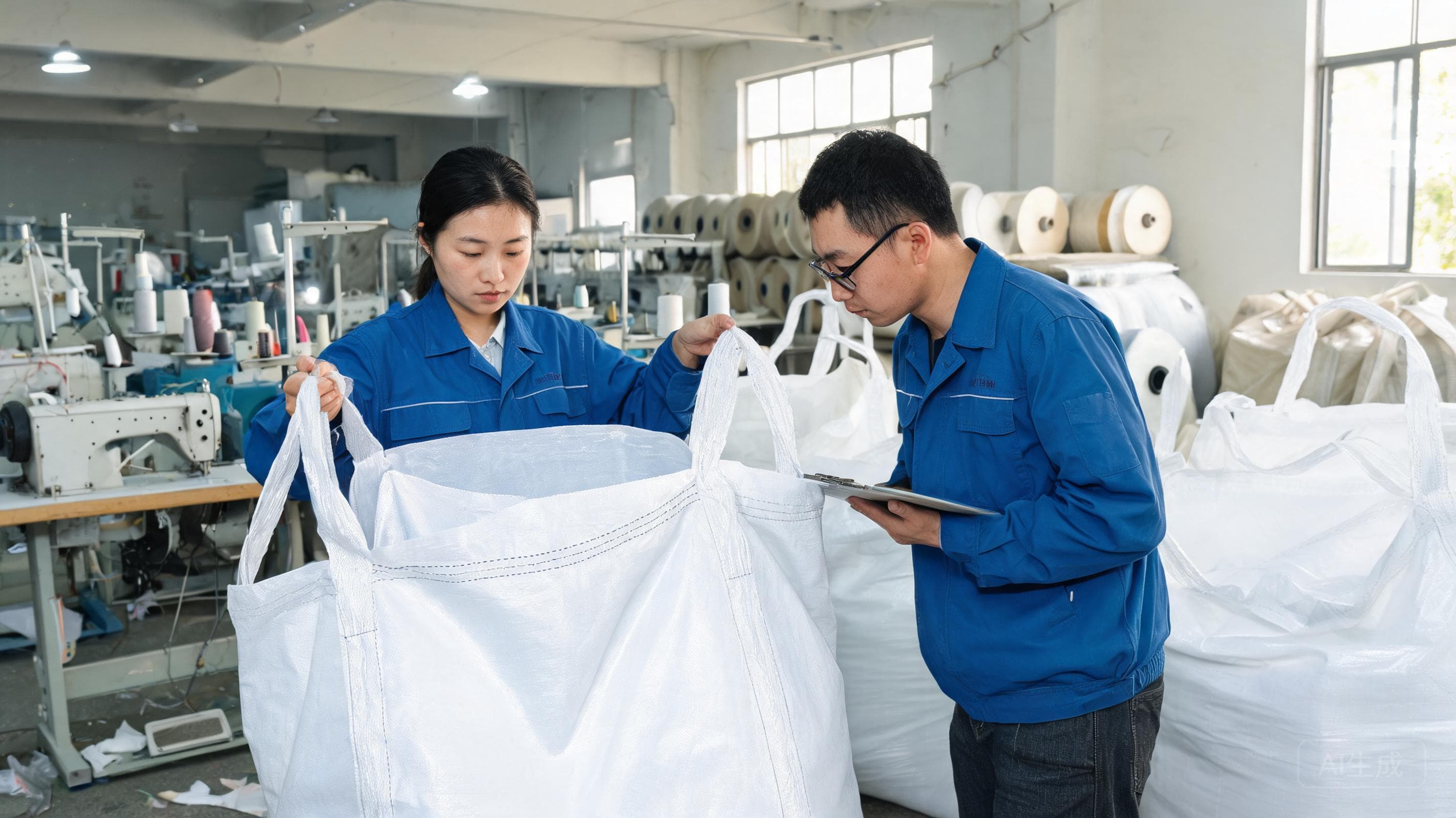
Choosing the Right FIBC Manufacturer: A Practical Guide to Safer, More Reliable Bulk Packaging
Evaluate FIBC manufacturers by application fit, quality controls, total cost, and supply reliability. Use this practical guide to define specifications, assess samples, and plan a controlled trial.
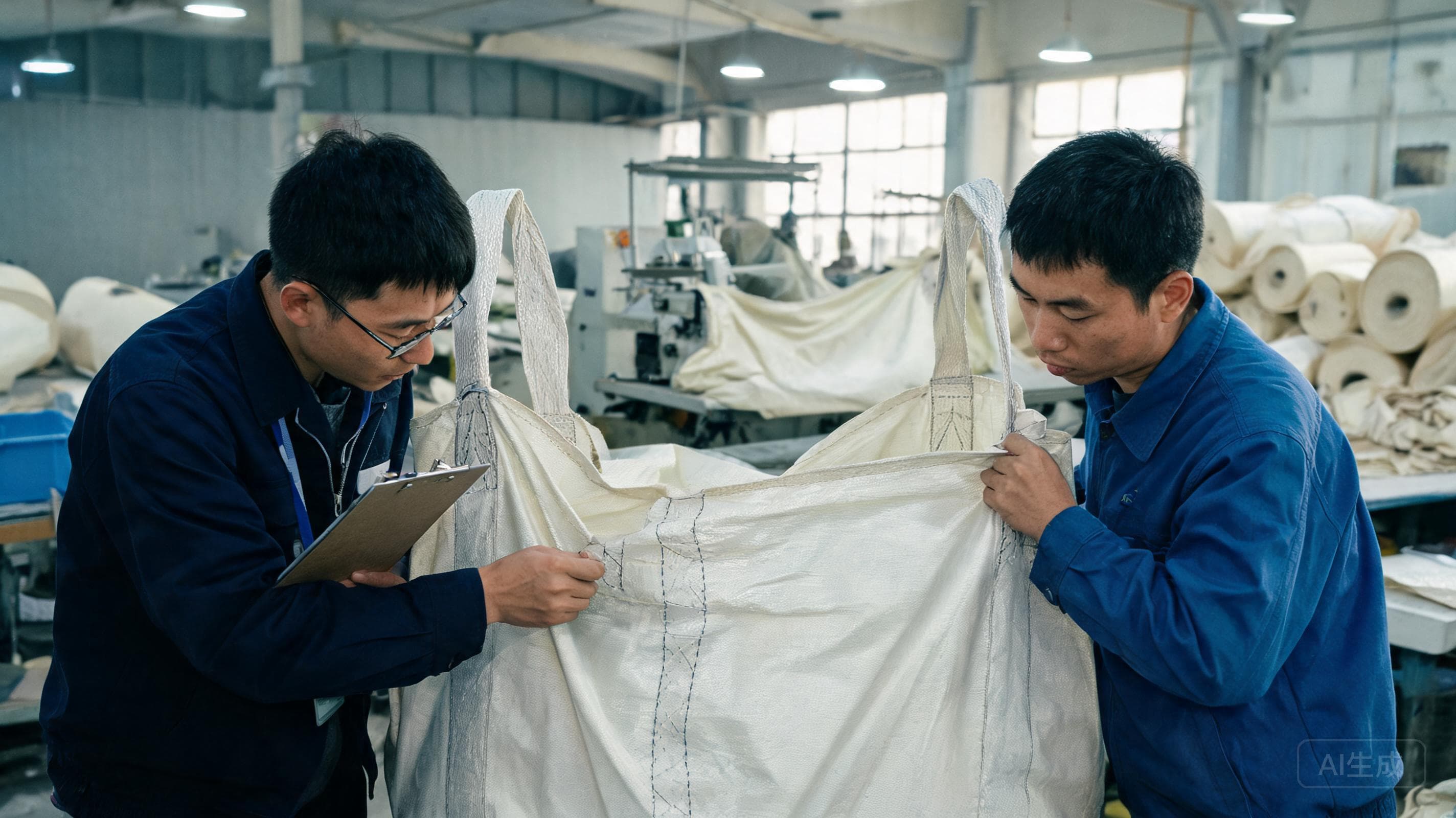
Choosing the Right FIBC Bulk Bag: A Buyer’s Guide to Safer, More Reliable Shipments
Compare FIBC bulk bags by material, handling conditions, safety requirements, and total cost. Use this practical guide to define specifications, assess suppliers, and plan a trial.
Want to know more?
Get in touch with us for more information about our services and products.