
How to Choose the Right FIBC Bulk Bag Supplier for Safer, More Profitable Operations
RUNCHEN
AuthorWith more than 25 years of experience in FIBC bulk bag manufacturing and sales, RUNCHEN operates its own production facility with stable batch capacity. We specialize in FIBC bulk bags, jumbo bags, ton bags, and customized industrial packaging solutions.
Choose a Supplier That Understands Your Operation
Selecting an FIBC bulk bag supplier is about more than comparing unit prices. The right bag can support efficient filling, protect product, simplify handling, and help keep production on schedule. The wrong specification can lead to product loss, damaged shipments, rework, or costly line interruptions.
For procurement, operations, and quality teams, the goal is to find a manufacturer that can translate your actual operating conditions into a reliable bag specification. If you are comparing options, contact COSEK to review your application before finalizing a specification or production order.
Start With Your Material and Handling Process
Before requesting a quote, document the product’s bulk density, particle size, flow characteristics, abrasiveness, moisture sensitivity, contamination risks, and applicable regulatory requirements. A free-flowing mineral may need a different configuration from a cohesive powder, agricultural product, resin, or electronic component.
Map the bag’s full journey through your operation. Consider:
- How the bag will be filled: by gravity, auger, conveyor, pneumatic system, or automated line
- How it will be lifted: by forklift, crane, hoist, or automated equipment
- How often it will be moved and where it will be stored
- Whether it will face outdoor exposure, humidity, or export shipping conditions
- How the product will be discharged: manually, through a spout or valve, or by automated equipment
Ask suppliers how they will match the bag’s dimensions, safe working load, safety factor, fabric construction, lifting loops, liner, filling features, and discharge design to these conditions. A capable FIBC manufacturer will ask about your process before recommending a configuration.
The lowest purchase price may not deliver the lowest operating cost. A bag that slows filling, complicates discharge, or increases product loss and handling labor can cost more over time. Evaluate the bag against the way your operation actually runs.
Match the Bag Design to the Application
Choose a design based on the material, handling method, storage environment, product-protection needs, and compliance requirements. Product names and standard designs are useful starting points, but they should prompt a technical review rather than replace one.
For general dry bulk materials, the COSEK White General-Purpose FIBC Bulk Bag may be an option to assess. Compare its capacity, fabric construction, inlet and outlet configuration, loop design, and handling arrangement with your requirements.
For regulated dangerous goods, the COSEK White UN Certified Dangerous Goods FIBC Bulk Bag may be relevant. Confirm that the certification, packaging configuration, product classification, transport mode, and intended use meet the regulations applicable to your shipment. Certification alone does not establish that a packaging system is suitable for every material or use.
Where a square-bottom format fits your process, evaluate the COSEK Brown Square Bottom FIBC Bulk Bag against your filling, storage, palletization, and discharge requirements. Its suitability depends on the equipment and operating conditions around it.
For cleanroom electronic-component packaging, the COSEK Black Anti-Static Bulk Bag for Cleanroom Electronic Components Packaging may be a starting point. Confirm the required electrostatic-control performance, cleanliness standard, material compatibility, and handling requirements before approving a specification.
In each case, treat the product name as the beginning of the conversation. Base your final selection on a written specification and application review, and use a sample evaluation or controlled production trial where appropriate. Share your material and process details with COSEK to discuss the right configuration.
Verify Quality and Production Controls
FIBC performance depends on consistent materials, controlled manufacturing, and appropriate inspection. Ask how the supplier manages quality from raw-material receipt through finished-bag shipment.
A qualified manufacturer should be able to explain its controls for materials, fabric production, coating or lamination where applicable, cutting, sewing, loop attachment, liner installation, inspection, packing, and finished-bag traceability. Ask how those controls relate to your required construction and intended use.
Request relevant test records and confirm that they reflect the finished bag and your application. Depending on the specification, documentation may cover fabric properties, seams, lifting loops, dimensions, safe working load, safety factor, electrostatic characteristics, cleanliness controls, or regulated packaging requirements.
Repeat-order consistency is just as important as the first production run. Ask how the supplier manages:
- Production capacity and realistic lead times
- Lot identification and finished-bag traceability
- Material or process changes
- Specification approval before production
- Nonconformities and corrective actions
- Consistency across repeat orders and production batches
Verify certificates, test claims, and quality statements against your own requirements. A supplier’s capabilities do not automatically make a bag suitable for your product, process, or compliance obligations.
Plan for Logistics and Supply Continuity
Confirm packing methods, shipment dimensions, minimum order quantities, delivery terms, container utilization, destination requirements, and forecast volumes before placing an order. A well-designed bag can still create problems if it arrives late or requires more warehouse space than planned.
For sensitive, regulated, or customer-approved applications, define documentation responsibilities and approval checkpoints before production. Clarify who will approve drawings, specifications, samples, labels, test documents, and shipment paperwork to reduce the risk of delays or unusable inventory.
Discuss continuity plans for raw-material availability, production delays, shipping disruption, quality holds, and urgent replenishment. Ask whether the supplier can work with your forecasts and how it responds when demand changes.
Compare Total Cost and Operational Value
Evaluate total landed cost rather than unit price alone. Include freight, storage, filling efficiency, product protection, labor, damage rates, disposal or reuse considerations, and the potential cost of operational disruption.
Establish a baseline for current performance. Useful measures include:
- Product loss or contamination incidents involving bags
- Bag damage during lifting, storage, or transport
- Filling delays and discharge problems
- Labor needed for handling or rework
- Customer claims related to packaging condition
- On-time delivery and supplier responsiveness
Before a full conversion, run a controlled trial with success criteria agreed in advance. Depending on your application, measure filling speed, handling stability, discharge performance, bag integrity, product protection, and consistency across a defined number of units. Compare results under equivalent operating conditions.
Focus the supplier discussion on outcomes you can measure in your own operation: fewer interruptions, less product loss, more efficient handling, more predictable delivery, and consistent performance at scale.
Questions to Ask Before Requesting a Quote
A specification-based quote makes supplier comparisons more meaningful than a request based only on dimensions and price. Ask potential manufacturers:
- What product and process details do you need to recommend a suitable bag?
- How will you determine capacity, construction, lifting configuration, liner, and discharge features?
- Which quality checks and test records can you provide for the proposed design?
- How do you manage repeat-order consistency, traceability, lead times, and production changes?
- What documentation is available for regulated, anti-static, or cleanliness-sensitive applications?
- Can you support a sample evaluation or production trial?
- What packing and shipping options are available for our destination and forecast volume?
Informed questions about your process are a positive sign. They help identify suppliers that can support your operation over the long term and reduce the risk of a mismatch between the bag and its intended use.
Get a Specification-Based FIBC Quote
Prepare a concise application brief with your product, target capacity, bulk density, filling and discharge methods, lifting and handling conditions, storage environment, compliance needs, forecast volume, delivery location, and any current bag-performance issues.
Contact COSEK to request an FIBC consultation and specification-based quote. Include your application details to receive a practical recommendation for your material, handling process, compliance requirements, and delivery needs.
Related News
Other news you might be interested in
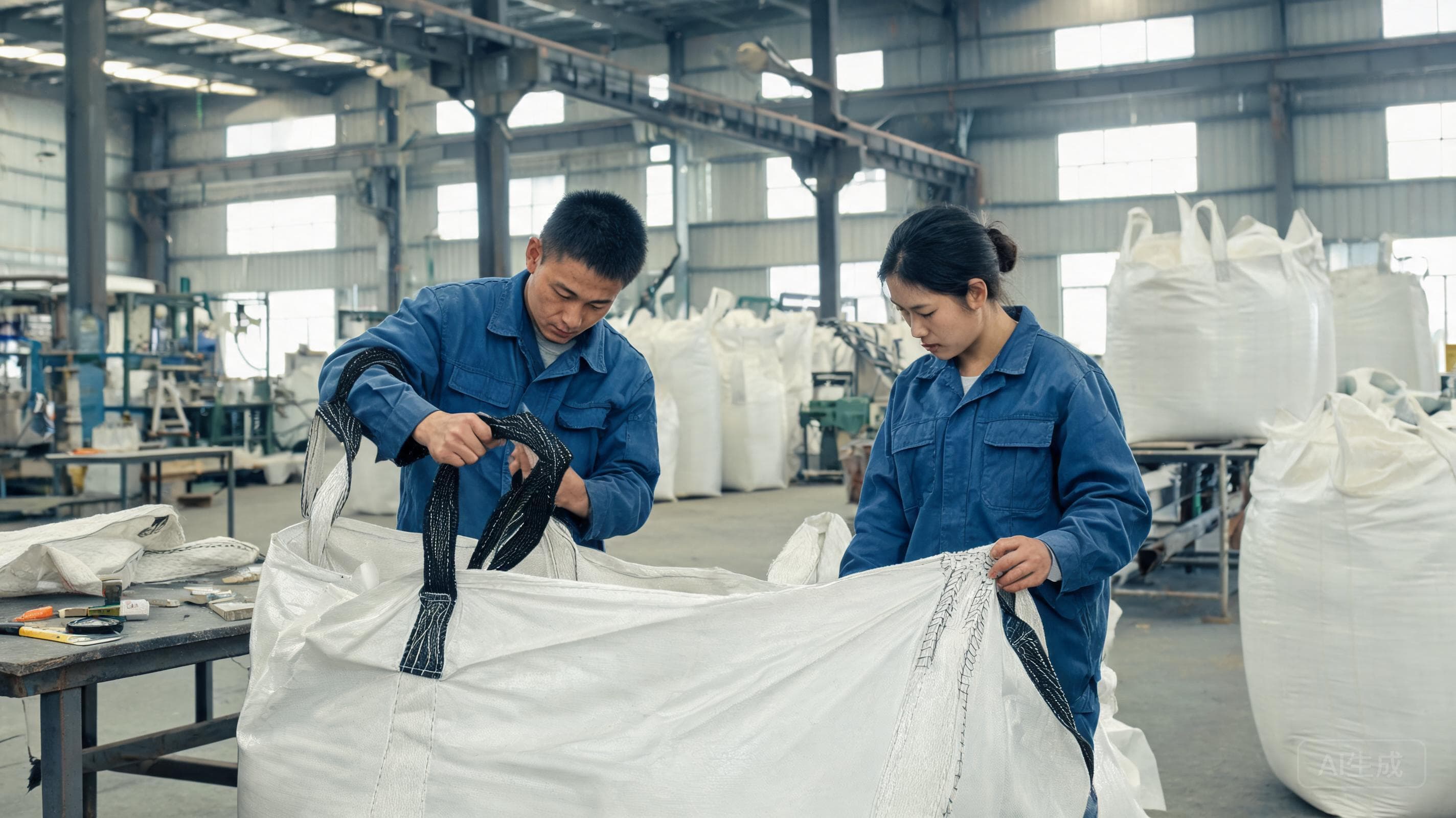
How to Choose FIBC Bulk Bags That Reduce Transit Risk and Support Reliable Supply
Learn how to match FIBC bulk bag design to your material, handling process, and route. Use samples, testing, and supplier checks to reduce transit risk and improve supply reliability.
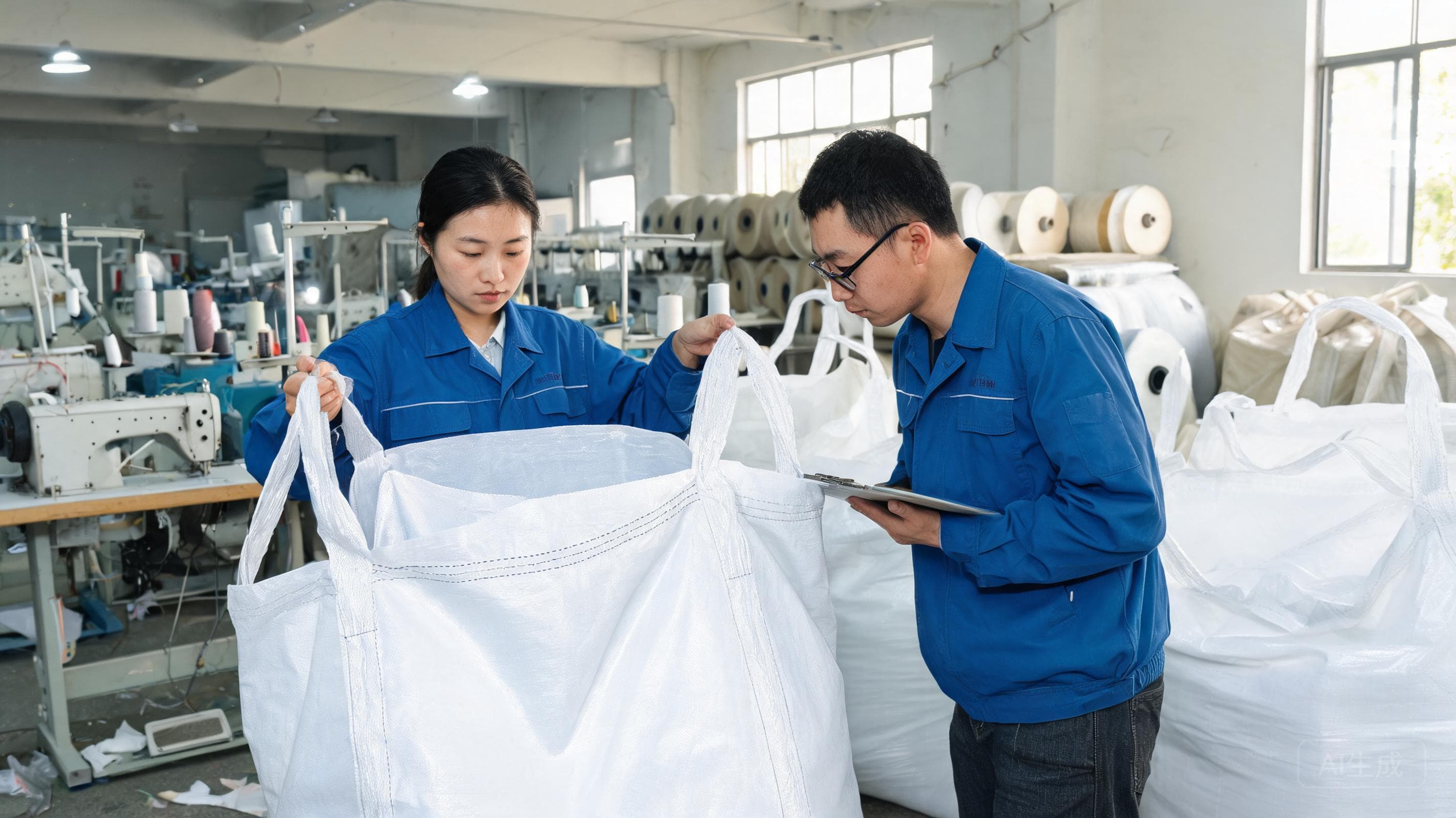
Choosing the Right FIBC Manufacturer: A Practical Guide to Safer, More Reliable Bulk Packaging
Evaluate FIBC manufacturers by application fit, quality controls, total cost, and supply reliability. Use this practical guide to define specifications, assess samples, and plan a controlled trial.
Want to know more?
Get in touch with us for more information about our services and products.