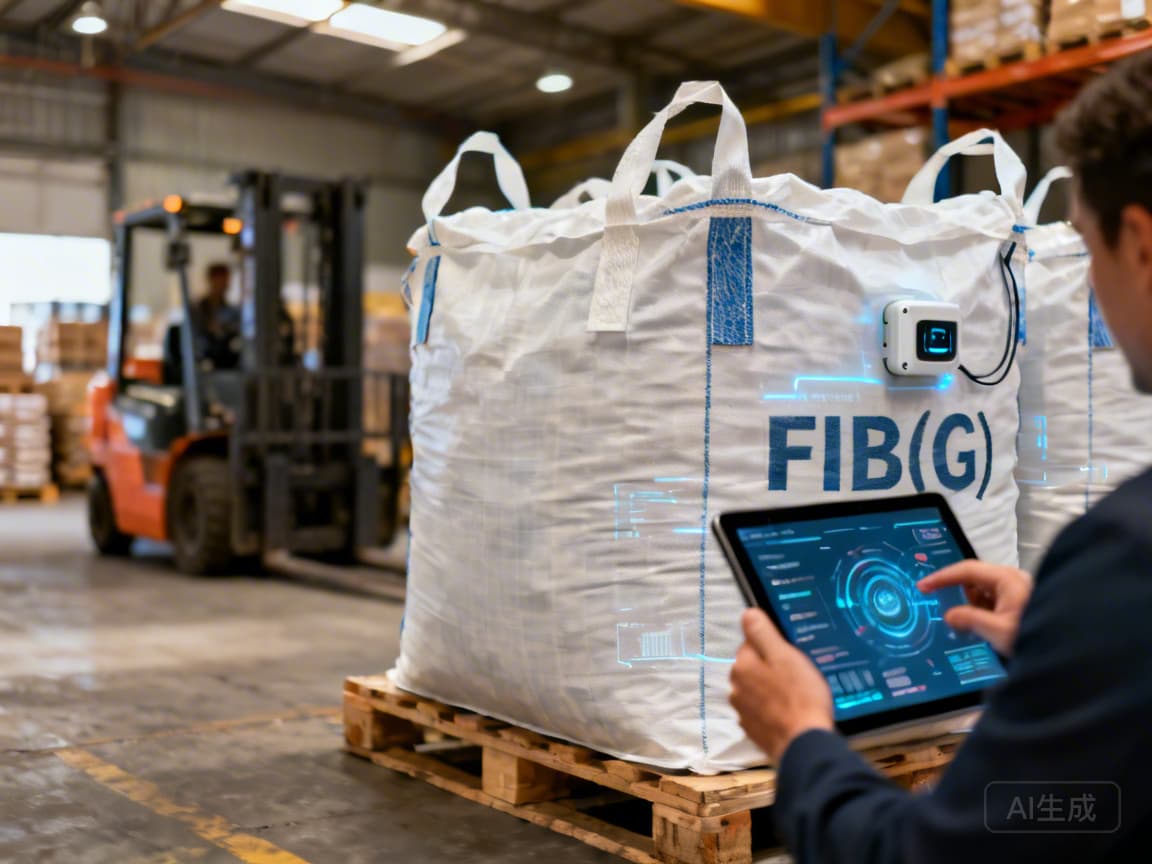
Intelligent ton bags enhance supply chain transparency: data-driven strategy behind 544% conversion rate
RUNCHEN
AuthorWith more than 25 years of experience in FIBC bulk bag manufacturing and sales, RUNCHEN operates its own production facility with stable batch capacity. We specialize in FIBC bulk bags, jumbo bags, ton bags, and customized industrial packaging solutions.
Beyond Tracking: How Smart FIBCs Inject Predictive Insight into Your Supply Chain
When a Global Manufacturing Leader leverages AI to achieve an 89% pipeline increase, the foundation is data. For industries reliant on bulk materials, one of the largest remaining data blind spots sits quietly in warehouses and on trucks: your Flexible Intermediate Bulk Container (FIBC), or ton bag. Moving beyond cost-per-unit conversations, this article explores how to transform this passive vessel into an active data node, driving the strategic transparency modern supply chains demand.
The "Black Box" Challenge in Bulk Material Logistics
Traditional bulk bag logistics are often characterized by opacity. Disputes over damage liability, lagging inventory counts, and quality risks for sensitive products—from food-grade candy bulk bag contents to specialty chemicals—are common. This lack of visibility is unsustainable. Market insights reveal the broader packaging industry is transforming towards high-end, green, and intelligent solutions, with sustainable packaging demand surging. As end-products become more sophisticated and regulatory pressures mount, the logistics supporting them must evolve from a cost center to a source of competitive intelligence.
Industry analysis indicates that green packaging now commands an 80% share of certain markets, with the future focused on high-end, diversified, and circular solutions.
The Architecture of Intelligence: From Tag to Insight
Smart FIBCs create a digital thread for physical goods through a layered technological approach:
- Digital Identity & Traceability: Advanced UHF RFID tags (evolved bag tags) enable near-instantaneous, bulk scanning of bags, providing accurate, real-time location and lineage data from filling to end-use.
- Condition Monitoring: Integrated, low-power sensors passively monitor critical environmental data like temperature, humidity, and shock. This is vital for product integrity, whether transporting temperature-sensitive PLA-based materials or delicate dippin dots.
- Data Integration & Platform: The raw data streams into existing enterprise systems (ERP, SCM) or dedicated IoT platforms, transforming discrete data points into actionable dashboards and automated alerts.
From Data to Tangible Business Value
The transition from a simple container to a smart asset unlocks value across four key areas:
- Automated Quality Assurance & Compliance: Generate immutable, automated reports on transport conditions, effortlessly satisfying stringent customer and regulatory audits common in food, pharma, and chemical sectors.
- Dynamic Inventory Optimization: Real-time stock data feeds predictive analytics models, enabling dramatic reductions in safety stock levels and working capital, mirroring the efficiency gains seen in leading AI implementations.
- Enhanced Operational Efficiency: Data on bag location and status optimizes the scheduling of equipment like bulk bag unloaders and lifters, reducing idle time and accelerating throughput.
- Strengthened Partner Collaboration: Sharing in-transit data with suppliers and customers creates a synchronized supply network, improving production planning and reducing bottlenecks.
Building the Business Case: Quantifying the ROI
Investing in smart packaging requires a clear financial rationale. The success of a Fortune 500 Technology Company, which used AI-driven analytics to achieve a 156% conversion rate increase and 544% ROI, provides a powerful framework. While metrics will vary, a pilot on high-value or high-risk product lines (e.g., premium bulk bag fertilizer or sensitive ingredients) can quantify:
- Reduction in product loss and damage claims.
- Improvement in warehouse and asset (truck, unloader) utilization rates.
- Savings in manual audit and inventory counting labor.
The tangible return is compelling, but the strategic value in brand reputation, supply chain resilience, and customer trust is equally critical.
Your Action Plan: A Three-Step Pilot Initiative
Beginning the journey toward intelligent FIBCs is a manageable, staged process:
- Identify a High-Value Pilot Stream: Select a product line where loss is costly, quality is critical, or inventory opacity is a known pain point. This focused approach maximizes learning and impact.
- Collaborate on Data Protocol: Partner with forward-thinking bulk bag manufacturers who offer technical integration capabilities. Define the key data points (e.g., temperature thresholds, location pings) and how they will flow into your systems.
- Pilot, Measure, and Scale: Run a controlled pilot, rigorously tracking KPIs against the baseline. Use the proven results to build a robust case for broader rollout across your supply chain.
In the wave of packaging's green and digital transformation, the evolution of the吨包袋 is no longer optional. By harnessing it as a strategic data node, you move beyond simple cost containment, positioning it as a core asset driving efficiency, quality, and sustainable competitive advantage.
Related News
Other news you might be interested in
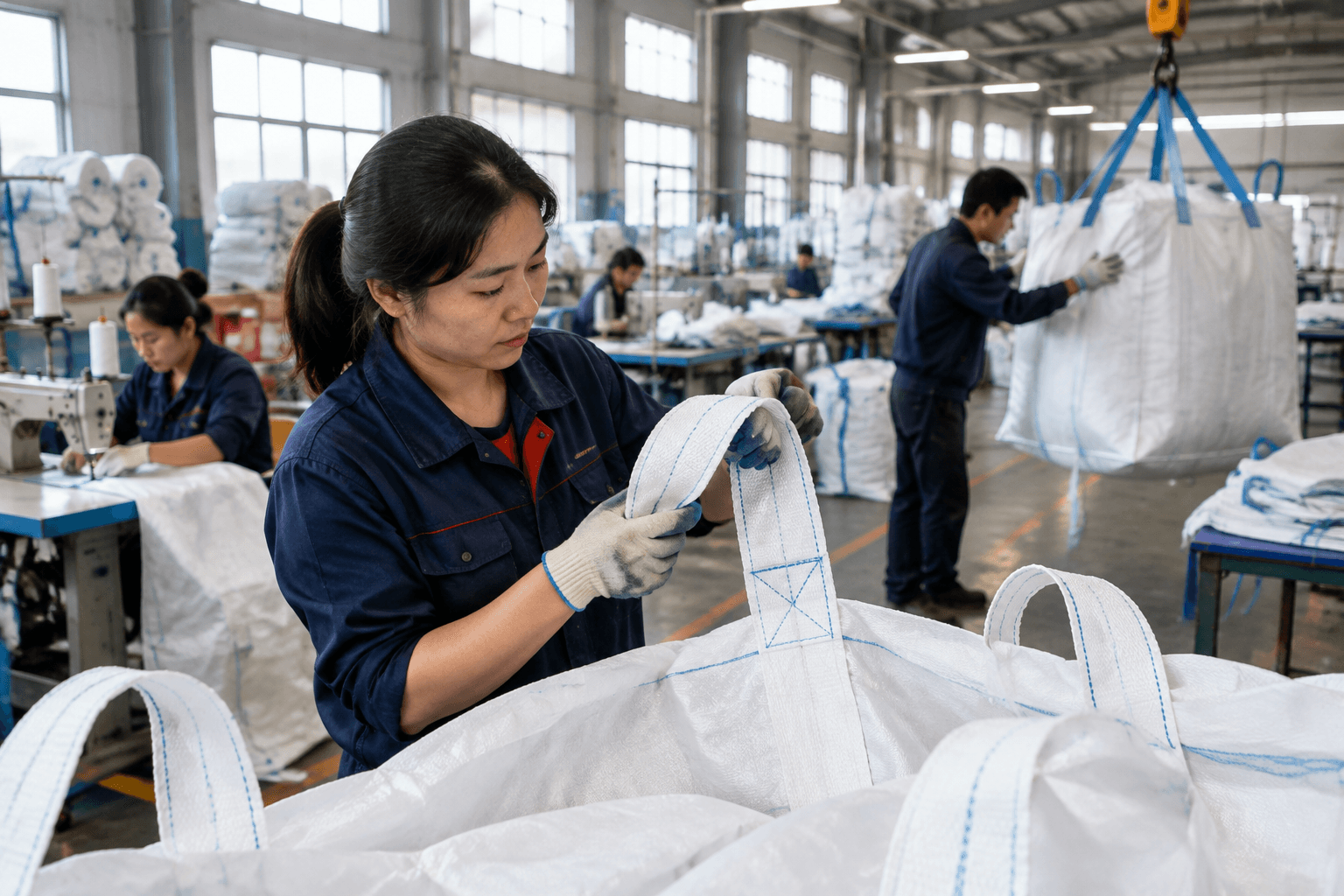
Choosing the Right Bulk Bag Manufacturer for Safer, More Efficient Operations
Learn how to specify bulk bags, evaluate manufacturers, and validate quality and supply reliability to reduce operational risk and support safer, more efficient handling.
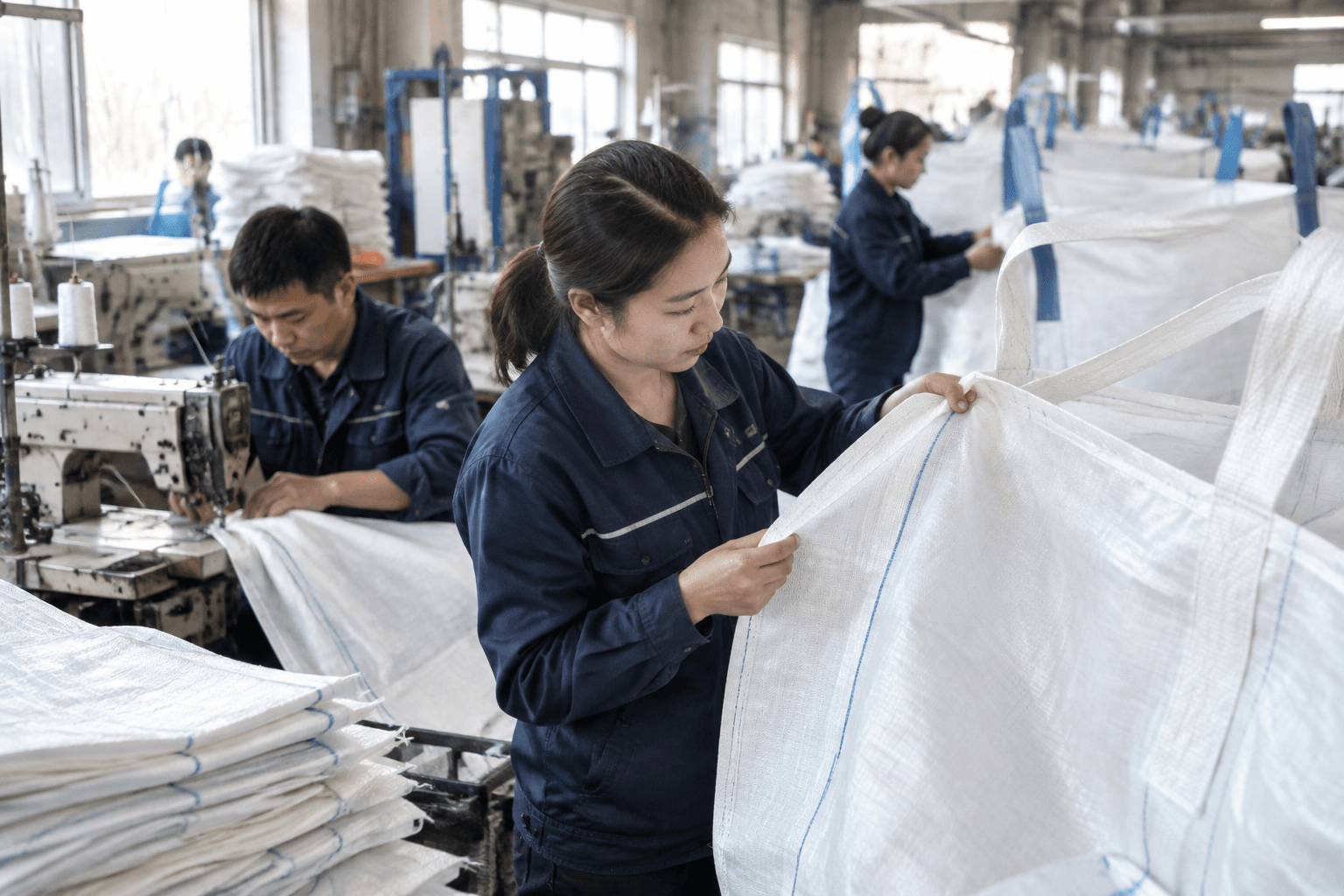
The 140th Canton Fair: New Trends in the Export Market for FIBC Bulk Bags, Jumbo Bags, and PP Woven Packaging
Explore how export buyers can evaluate FIBC bulk bags and PP woven packaging beyond unit price. Get practical guidance on specifications, supplier verification, sustainability requirements, and RFQs—and prepare your next sourcing conversation with COSEK.
Want to know more?
Get in touch with us for more information about our services and products.